
going to plant in Feb for sping
Butterfly Milkweed Seeds
Jump to customer reviewsAsclepias tuberosa | SKU: W-ASTU
What are people saying about this product
going to plant in Feb for sping
Read all reviews (scrolls to reviews section below)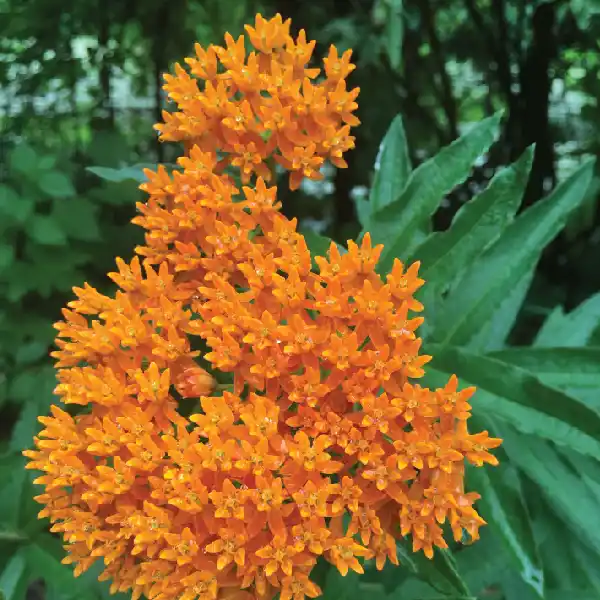
Quality Highlights
| Every Seed Grows We don't pad bags with dead seed or filler. What's in the bag is what grows in your yard. | |
| Independently Tested, Every Batch Each lot is tested by a third-party lab for germination and purity before it ships to you. | |
| Grown on American Farms Our seed comes direct from U.S. growers we know personally — not a middleman warehouse. | |
| Clean Seed, No Shortcuts No coatings to inflate weight, no GMOs, no cheap filler species. Just seed. |
Free shipping on all orders under 100 lbs!
What is Butterfly Milkweed?
Butterfly Milkweed (Asclepias tuberosa) is a native perennial and the most widely recognized Monarch butterfly host plant in North America. It produces clusters of bright orange flowers from June through September and is one of the few milkweed species that thrives in dry, sandy, well-drained soil. Unlike tropical milkweed, Butterfly Milkweed is a true native that dies back naturally in winter — breaking the OE parasite cycle that threatens Monarch populations.
Specifications
Seeding Specs
Water Needs
Low (drought-tolerant once established; sensitive to overwatering)
Soil Preference
Sandy, rocky, well-drained; demands excellent drainage — rots in wet or amended soil
Soil pH
pH 5.5-7.0 (slightly acidic to neutral)
Planting Depth
1/4 inch (light press into soil surface)
Establishment Specs
Height
18-30 inches
Color
Bright Orange
Uses
Monarch Habitat, Pollinator Garden, Native Restoration, Florida-Friendly Landscape, School Garden, Roadside Planting
Native/Introduced
Native — Eastern North America (FL native, documented statewide)
Why Choose This Seed?
The Monarch Host Plant
Monarch butterflies can only reproduce on milkweed — it is the sole food source for Monarch caterpillars. Butterfly Milkweed is one of the best native milkweed species for home gardens, roadsides, and restoration plantings. Female Monarchs lay eggs on the leaves, caterpillars feed on the foliage, and the plant recovers and regrows. Florida sits on the eastern Monarch migration route and hosts a year-round non-migratory population in Central and South Florida, making milkweed plantings especially valuable.
Native Milkweed — Not Tropical
Tropical milkweed (Asclepias curassavica) is widely sold in Florida garden centers but creates serious problems for Monarchs. It does not die back in Florida’s mild winters, enabling year-round buildup of the OE parasite (Ophryocystis elektroscirrha) that weakens and kills Monarchs. It may also disrupt migration patterns. Butterfly Milkweed is a true native that goes dormant in winter, naturally breaking the parasite cycle. Always choose native milkweed for Monarch habitat.
Demands Well-Drained Sand
Butterfly Milkweed is one of the few garden perennials that truly requires poor, sandy, fast-draining soil. It has a deep, tuberous taproot that rots quickly in wet or heavy soil. Do not add compost, fertilizer, or amendments — they increase soil moisture retention and promote root rot. Florida’s deep sandy soils are ideal. If your soil holds water after rain, this is not the right species — consider Swamp Milkweed (Asclepias incarnata) instead for moist sites.
Deep Taproot — Plant It Where You Want It
Butterfly Milkweed develops a deep, thick taproot that makes it extremely drought-tolerant once established — but also means it does not transplant well. Choose your planting site carefully. Direct seeding is the most reliable method. Once established, plants are essentially permanent — the taproot anchors the plant for 10-20+ years. It does not spread aggressively by runners like some milkweed species.
Broad Pollinator Value Beyond Monarchs
While Monarchs get the attention, Butterfly Milkweed is a top-tier nectar source for a wide range of pollinators. The flat-topped orange flower clusters attract native bees, honeybees, swallowtail butterflies, skippers, hummingbird moths, and beneficial wasps. It is one of the most productive nectar plants per square foot available for pollinator gardens.
How to Plant Butterfly Milkweed Seeds
Cold Stratification
Butterfly Milkweed seeds require cold stratification (30 days of cold, moist conditions) to germinate. For fall planting in Florida, nature provides this naturally during winter months — simply sow in October through January and seeds will germinate in spring.
For spring planting, refrigerate seeds in a damp paper towel inside a sealed plastic bag for 30 days before sowing. Without cold stratification, germination rates are very low.
Seeding
Choose a full-sun site with well-drained sandy soil. Scatter seed on the soil surface or cover to a maximum depth of 1/4 inch.
Press seeds firmly into the soil for good seed-to-soil contact. Do not bury deeply.
Space plantings 12-18 inches apart if planting in rows or clusters. For broadcast seeding over a larger area, use 3-4 oz per 1,000 sq ft mixed with dry sand for even distribution.
Establishing
Germination takes 10-28 days after stratification requirements are met. Keep the seedbed lightly moist (not wet) during germination.
Once seedlings are 2-3 inches tall, reduce watering significantly — Butterfly Milkweed is extremely sensitive to overwatering. First-year plants focus on root development and may not flower until Year 2. This is normal.
The deep taproot being built underground is the foundation for decades of blooms.
Ongoing Care
Once established, water only during extreme drought. Do not fertilize — excess nutrients reduce flowering and promote foliage at the expense of blooms. Do not mulch heavily around the crown — this retains moisture and can cause rot.
Allow seed pods to mature and split naturally in fall to support natural spreading. Do NOT cut plants while Monarch caterpillars are actively feeding.
Plants recover quickly from caterpillar defoliation and regrow.
Helpful Resources

Wildflower Seed Planting Guide

How to Plant Wildflower Seeds: Our Ultimate Guide

The Ultimate Pollinator Seed Guide
Questions & Answers
Is Butterfly Milkweed the same as tropical milkweed?
No. Butterfly Milkweed (Asclepias tuberosa) is a native North American perennial with orange flowers that goes dormant in winter. Tropical milkweed (Asclepias curassavica) is a non-native with red and yellow flowers that stays evergreen in Florida. Tropical milkweed can promote OE parasite buildup and disrupt Monarch migration. Always choose native milkweed species for Monarch habitat.
Why didn't my Butterfly Milkweed bloom the first year?
This is normal. Butterfly Milkweed spends its first year developing its deep tuberous taproot underground. Most seed-grown plants do not produce significant blooms until Year 2 or even Year 3. Once the root system is established, plants bloom reliably for 10-20+ years. The first-year investment in root growth pays off in decades of flowers.
Can I grow Butterfly Milkweed in South Florida?
Butterfly Milkweed grows in USDA Zones 3-9. In South Florida (Zone 10a-10b), it may struggle with the reduced winter dormancy period it needs to reset its growth cycle. Performance is generally best in North and Central Florida. For South Florida Monarch habitat, Swamp Milkweed (A. incarnata) may be a more reliable choice, though it requires moister conditions.
How do I cold stratify milkweed seeds?
Place seeds between layers of damp (not wet) paper towel inside a sealed plastic bag. Refrigerate at 35-40 degrees F for 30 days. Check weekly to ensure the paper towel stays moist. After 30 days, sow seeds immediately. Alternatively, sow outdoors in fall and let winter temperatures provide natural stratification — this is the easiest and most reliable method in Florida.
Does Butterfly Milkweed spread aggressively?
No. Unlike Common Milkweed (A. syriaca), Butterfly Milkweed does not spread by underground runners. It stays in a compact clump and spreads only by seed. Individual plants expand slowly from their central taproot. It is well-behaved in garden settings and will not take over beds or borders.
What pollinators does Butterfly Milkweed attract?
Monarch butterflies (larvae and adults), swallowtail butterflies, skippers, native bees (bumble bees, leaf-cutter bees, sweat bees), honeybees, hummingbird moths, and beneficial wasps. The orange flower clusters are among the most productive nectar sources per square foot in any pollinator garden. Peak pollinator activity occurs June through September.
Still Have Questions?
Our seed experts are ready to help you find the perfect seed for your project.
1-866-322-7300 Ask a Seed ExpertCustomer Reviews
4.4 out of 5 stars based on 11 reviews.
5
8
4
1
3
1
2
0
1
1
This species should not be planted if the aim is to support monarch butterfly, ideally Nature's Seed would discontinue it's sale. Tropical milkweed disrupts monarch migration patterns and hosts parasites of monarchs, due to it's longer growing season than native milkweeds. Read this article for more information: https://xerces.org/blog/tropical-milkweed-a-no-grow
great stuff
A week later and the milkweed has started to sprout. We have a lot of monarchs travel through and this will help their journey.
The monarch population is down to 50% from previous years.Planting native Aster and Milkweed -both beautiful in color, perennial, and blooming summer / fall- to help save the monarchs if we still can.
Monarch butterflies migrate through our property every year. I want to give them a reason to continue to come.
Haven’t had time to plant it yet
Will not sow until it gets colder.
Need to plant and grow them before I can rate.
Pleased with this product.
Seeds sprouted right away from my first order.
You May Also Like
Bird Favorite
Pollinator Magnet
From $2.99
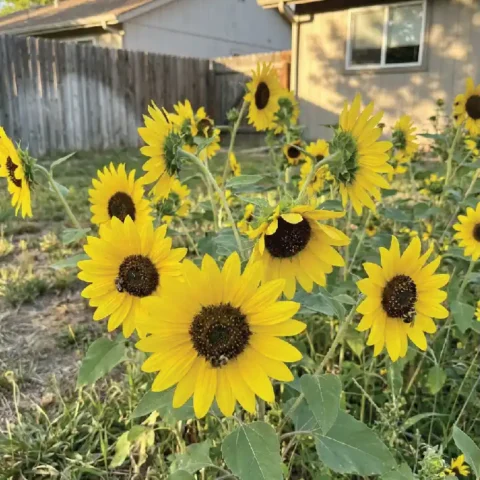
Grows 4-6 Ft, Fast & Easy, Full Sun, Non-GMO
See Details about Peredovik Sunflower — Black Oil Sunflower Seed for Birds & Pollinators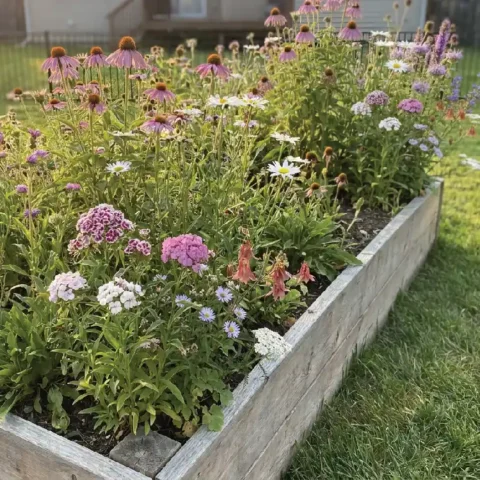
Blooms for Years
Plant Once
From $34.99
Native Pollinator, Drought-Tough, Cool Tones, Cut Flowers
See Details about Perennial Cut Garden Seed Mix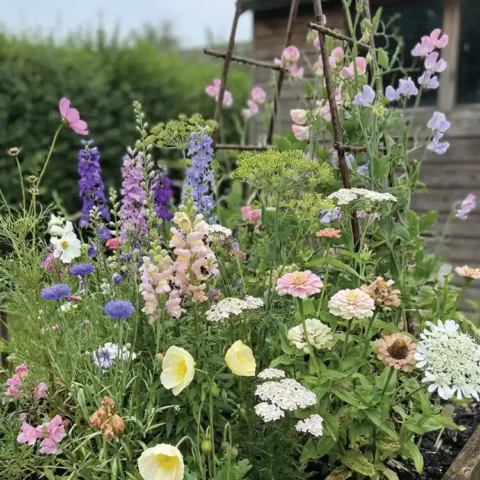
Cottage Pastels
Cut & Come Again
From $34.99
Fragrant Blooms, Pollinator, Long Vase Life, Cool-Season Sow
See Details about Cottage Garden Cut Flower Seed Mix
Cut & Come Again
Fast Blooms
From $34.99
Warm Brights, Pollinator, Full Sun, Easy Care
See Details about Sunset Cut Flower Seed Mix