Cool-Season Xeric Lawn Builder

SKU: BDL-COOLXER

$299.99 $37.50/lb
  • Covers 3,000 sq ft
  • Seeding rate: 2.5–3 lb per 1,000 sq ft
  • 8 lb bundle
Total Price: $299.99
Estimated Delivery: 15-18 business days
Looking for more than 200 lbs?

What is the Cool-Season Xeric Lawn Builder?

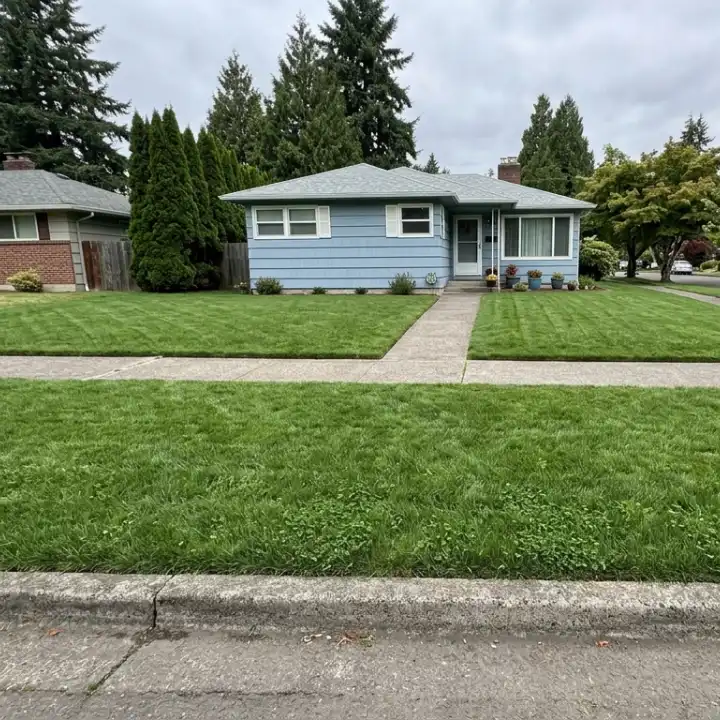
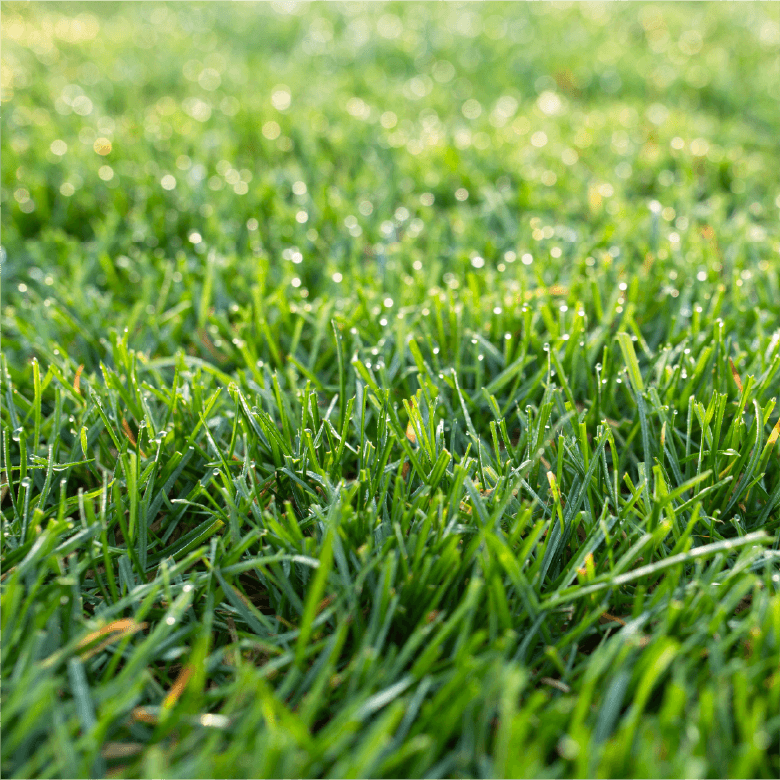
The Cool-Season Xeric Lawn Builder is a fine fescue-based seed blend designed for the specific drought-tolerance needs of Zone 5–7 Pacific Northwest and Mountain West homeowners. Unlike warm-season xeriscape blends that go dormant and brown in winter, this kit uses cool-season species that stay green through cold Pacific Northwest winters and moderate Mountain West freezes. The species were selected for their combination of maximum drought tolerance within the cool-season category — the deepest roots, the lowest water requirements, and the finest texture of any cool-season grass group. The result is a lawn that looks great twelve months a year while using a fraction of the irrigation required by conventional Kentucky Bluegrass or Perennial Ryegrass lawns.

What's in This Bundle


Specifications

Seeding Rate 2.5–3 lb per 1,000 sq ft
Sun Requirements Full Sun (6+ hours)
Time to Germinate 14–28 days for initial germination; full cover in 45–75 days

Seeding Specs

Water Needs Very Low — no irrigation once established
Soil Preference Well-drained loamy, sandy loam, or gravelly soils; tolerates clay with prep
Soil pH 5.5–7.5
Planting Depth 1/4 inch (press into soil surface)

Establishment Specs

Height 4–10 inches unmowed; 2–4 inches mowed
Color Dark green year-round in Zone 6–7; brief winter dormancy in Zone 5
Uses Drought-tolerant lawn, turf replacement, year-round green lawn, Pacific NW xeriscape
Native/Introduced Hard and Sheep Fescue naturalized western US and Pacific NW; Microclover cultivated

Why Choose This Seed?

Deep Roots Beat Drought

Hard and Sheep Fescue are the deepest-rooted cool-season turfgrasses available — their root systems regularly reach 18–24 inches in established stands, compared to 6–8 inches for Kentucky Bluegrass and Perennial Ryegrass. This depth is the mechanism behind their drought tolerance. In the Pacific Northwest's summer dry season (typically June–September), these roots access soil moisture held deep in the profile that shallow-rooted turf grasses cannot reach, allowing survival without irrigation.

Year-Round Green in Zone 5–7

Unlike warm-season grasses that go dormant and brown from October through April in Zone 5–7 climates, Hard and Sheep Fescue maintain active photosynthesis in temperatures as low as 35°F. In Portland, Seattle, Boise, and Eugene, this means a green lawn through the entire winter with zero irrigation — rainfall handles everything. Mountain West homeowners in Zones 5–6 will see brief dormancy during the coldest weeks but greening resumes much earlier in spring than warm-season alternatives.

Hard Fescue: The Drought Leader

Hard Fescue is consistently rated as the most drought-tolerant cool-season turfgrass in independent university trials. Its tight, fine blades reduce water loss through transpiration, and its waxy leaf coating reduces evaporation compared to standard turf species. In the NTEP (National Turfgrass Evaluation Program) trials, Hard Fescue maintained acceptable quality ratings with 50–60% less irrigation than Kentucky Bluegrass in comparable climates.

Microclover: The Green Extender

Microclover plays a specific role in this mix: it keeps the fescue component green through summer stress periods when the grasses are under moisture pressure. By continuously fixing nitrogen into the root zone, Microclover ensures the fescues stay healthy and green-colored even when marginally drought-stressed. Without nitrogen, drought-stressed fescues turn yellow or brown at a lower moisture threshold than nitrogen-supplied plants. Microclover extends the no-irrigation window by 2–4 weeks in typical years.

Slow Growing, Low Maintenance

Hard and Sheep Fescue grow at roughly 50–60% of the rate of Kentucky Bluegrass and Perennial Ryegrass. In practical terms, this means mowing every 2–3 weeks instead of every week during the growing season — a significant time and fuel savings over a full Pacific Northwest growing season. They do not produce the thick thatch layers that require annual dethatching, and they do not spread by rhizomes, making them easy to contain at lawn edges.

How to Use the Cool-Season Xeric Lawn Builder

Site Prep

Prepare a clean seedbed before fall seeding. Remove existing lawn by scalping and treating with herbicide in late summer (August), waiting the label interval, and raking to bare soil. Avoid deep tilling — these fine fescues prefer firm, lean seedbeds rather than fluffy, amended soil. Loosen the surface to 1 inch and grade to remove low spots. In compacted soils, a single core aeration pass before seeding dramatically improves establishment without disrupting the seedbed structure.

Seeding

Mix all three species together and broadcast at 2.5–3 lb per 1,000 sq ft with a rotary spreader. Fine fescue seed is small and light — seed on a calm day to prevent drift. After broadcasting, lightly drag a rake over the surface to cover seed with 1/8–1/4 inch of soil, or use a lawn roller to press seed into contact with the soil surface. Water in immediately and maintain soil surface moisture until germination. For fall seeding, natural rainfall often handles irrigation after the first watering.

Establishment

Microclover germinates in 7–14 days and provides early visual coverage. Hard and Sheep Fescue germinate in 14–21 days. For fall seedings in the Pacific Northwest, natural rainfall often maintains adequate soil moisture after the initial watering. For Mountain West fall seedings, water every 3–4 days during dry stretches until germination. First mow when the stand reaches 3–4 inches — mow at 3 inches with a sharp blade and remove clippings to avoid smothering fine seedlings.

Long-Term Care

Mow to 3–4 inches every 2–3 weeks during spring and fall active growth; monthly or as needed in summer. Water deeply every 2–3 weeks in summer during the first growing season; after year two, the root system is deep enough that most Pacific Northwest homeowners need no summer irrigation in average years. Do not fertilize — Microclover supplies adequate nitrogen. Core aerate in fall every 2–3 years to maintain soil openness. This stand improves in density and drought tolerance each year as the root system deepens.

Questions & Answers

How is this different from the fine fescue mixes sold at big box stores?
Most retail fine fescue blends mix Hard Fescue and Sheep Fescue with Creeping Red Fescue and Chewings Fescue to achieve faster establishment. We have focused this blend specifically on the two most drought-tolerant fine fescue species — Hard and Sheep Fescue — and added Microclover for nitrogen support. Retail mixes are typically optimized for speed of green-up, not long-term drought performance. This blend is optimized for the second- and third-year stand that survives without irrigation.
Will it survive a Boise or Salt Lake City summer without any watering?
In established stands (year two or later), Hard and Sheep Fescue can survive Boise and Salt Lake summers with one deep watering per month — not zero, but dramatically less than conventional turf. In a typical year, 4–6 deep waterings from June through September is sufficient. During drought years (less than 12 inches annual precipitation), 6–8 monthly waterings keep the stand green. This represents a 70–80% reduction in irrigation versus Kentucky Bluegrass in the same climate.
Is this kit suitable for partial shade?
Sheep Fescue has moderate shade tolerance and can perform in light to moderate shade (2–4 hours of direct sun). Hard Fescue performs best in full sun. If your area receives 3–5 hours of direct sun, this blend can work with Sheep Fescue carrying the stand in shaded areas. For heavy shade (under 3 hours), a dedicated shade-tolerant blend would perform better. Note that shade significantly reduces drought tolerance — shaded fine fescue will need more supplemental water than the same species in full sun.
Will Microclover spread and take over the lawn?
No. Microclover is a dwarf cultivar with compact, non-aggressive growth that blends into the fescue canopy rather than dominating it. At 1 lb per 8 lb kit (approximately 12% of the mix), it fills gaps and fixes nitrogen without crowding out the grasses. Standard white clover spreads aggressively via stolons; Microclover grows more upright and does not creep. Most homeowners cannot visually distinguish the Microclover from the fescue at normal viewing distances.
My Pacific Northwest lawn stays green in winter — why do I need a drought-tolerant mix?
Your winter green is almost certainly Perennial Ryegrass or Kentucky Bluegrass — species that green in winter because they receive winter rainfall but require heavy irrigation in summer (June–September) when Pacific Northwest rainfall drops to near zero. This blend solves the summer problem: it stays green in winter like your current lawn and also survives summer drought without weekly irrigation. The switch eliminates 3–4 months of irrigation costs without changing your winter lawn appearance.
How long until the roots are deep enough to skip summer watering?
Deep root development takes 18–24 months in most cases. In year one, irrigate every 10–14 days in summer to carry the establishing stand through its first dry season. In year two, the root system is generally deep enough to extend to 3-week intervals. By year three in most Pacific Northwest and Mountain West climates, many homeowners find they can eliminate supplemental summer irrigation entirely in average precipitation years. Think of the irrigation reduction as a two-year investment with a permanent payoff.

Still Have Questions?

Our seed experts are ready to help you find the perfect seed for your project.

1-866-322-7300 Ask a Seed Expert

Customer Reviews

No reviews yet. Be the first to share your experience.

You May Also Like
HOA-Friendly Native Lawn Alternative

HOA Appearance Ready 60% Less Water

From $429.99

Covers 3,000 Sq Ft, 4-Season Coverage, Zones 4–9, Self-Fertilizing

See Details about HOA-Friendly Native Lawn Alternative

Fire-Wise Defensible Space Kit

Low Fuel Load Covers 2,500 Sq Ft

From $345.99

Zone 1 Ready, Stays Green Longer, Native Species, No Fillers

See Details about Fire-Wise Defensible Space Kit

Texas Drought-Defy Bundle

Texas Native Species Covers 3,000 Sq Ft

From $305.99

Heat to 110°F, Self-Fertilizing, Zones 5–10, No Fillers

See Details about Texas Drought-Defy Bundle

Rocky Mountain Xeric Yard Kit

3 Native Species Cold Hardy Zone 4

From $304.99

Covers 3,000 Sq Ft, Elevation Proven, No Fertilizer, No Fillers

See Details about Rocky Mountain Xeric Yard Kit