
The Best Grass Seed For Pennsylvania
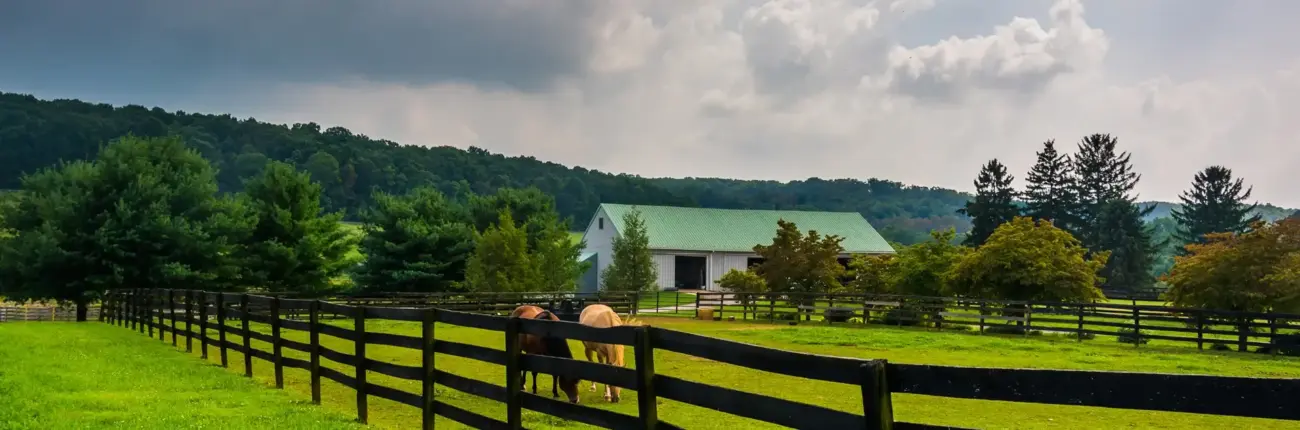
Available Pasture Mixes for Pennsylvania
- Big Game Food Plot & Forage Mix
- Chicken Forage Seed Mix
- Cool Season Cattle Pasture Seed Mix
- Full Potential Food Plot
- Green Screen Food Plot
- Honey Bee Cover Crop & Pasture Mix
- Horse Pasture Mix - Transitional
- Krunch and Munch Food Plot
- Llama & Alpaca Pasture Seed Mix
- Pig Pasture & Forage Mix
- Shade Mix Food Plot
- Sheep Pasture & Forage Mix - Transitional
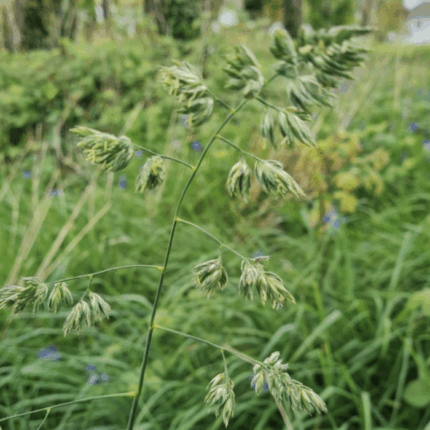
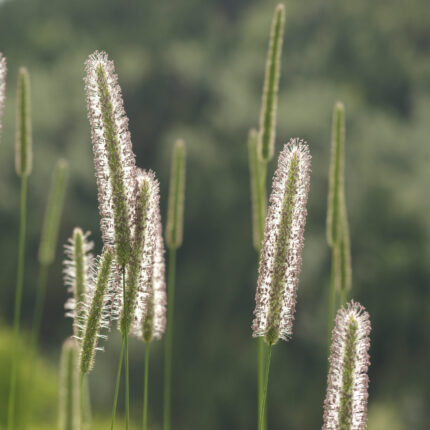
Pasture Grass Species for Pennsylvania
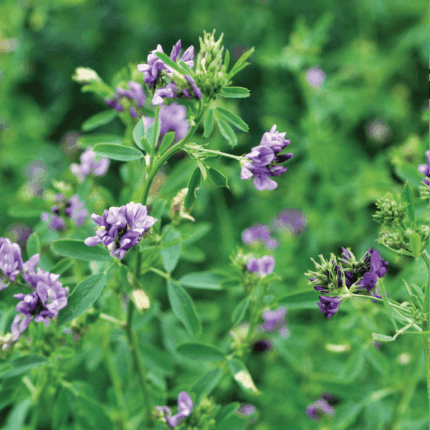
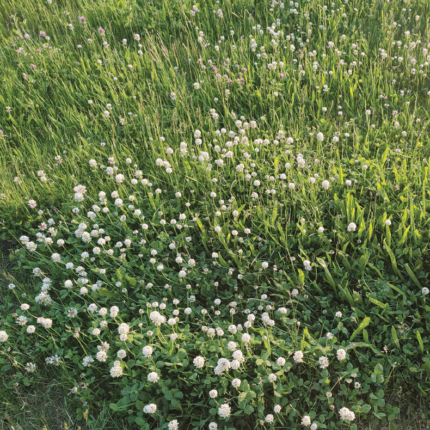
Clover Seed for Pennsylvania

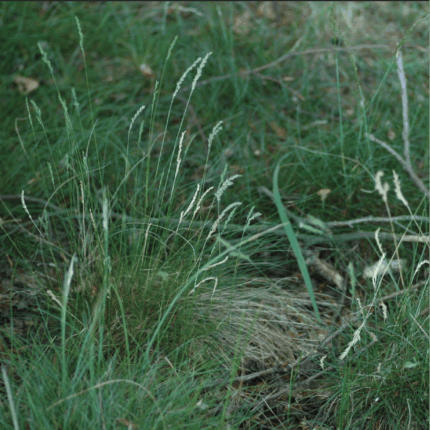
Specialty Seed for Pennsylvania
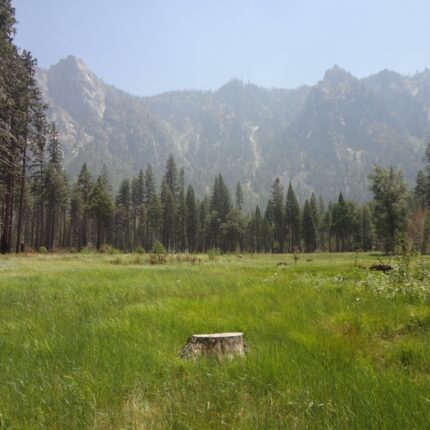

Wildflower Seed for Pennsylvania
Lawn Seed for Pennsylvania
Table of Contents
- The Growing Conditions for Grass Seed in Pennsylvania
- Types of Grasses
- When to Plant Grass Seed in Pennsylvania?
- Frequently Asked Questions (FAQ)
What is the best type of grass to grow in Pennsylvania?
Since the majority of Pennsylvania falls into the cool/humid hardiness zone, the best types of grass to grow are cool-season species like Kentucky Bluegrass, Perennial Ryegrass, and Tall or Fine Fescue. These grasses thrive in the state’s cool evening temperatures and can tolerate the harsh, freezing winters, going dormant and recovering quickly with the return of moisture and cooler temperatures.
The one thing that most homeowners take for granted is usually the easiest to neglect. For a property, that’s usually the state of its lawn. It can take just one season for a neglected lawn to go dry, get thin, bare, and patchy. Even if you know the basics of lawn care and maintenance, the problem might not be with the frequency of attention or care, but rather, the kind of grass seed you’re using. In Pennsylvania, grass seed types depend on the climate, soil’s hardiness, and the intended use. This page will teach you everything you need to know about keeping your Pennsylvania yard healthy and green.
The Growing Conditions for Grass Seed in Pennsylvania
The best way to find the right Pennsylvania grass seed is to start with the USDA Plant Hardiness zones survey. This is a map that outlines the temperatures across the different vegetation zones in the United States.
In Pennsylvania, there are three zones of hardiness. 90% of the state falls under temperatures between -20 to -10 (blue) and -10 to 0 (dark green). This makes it a cool/humid zone, and if your property falls in this region, you can only plant cool season grasses. Only about 10% of the state, which sits at the southeastern corner of Pennsylvania, experiences temperatures that fall between 0 and 10 degrees. The southern region is also known as a transitional zone, and you can plant a combination of cool and warm season grasses.
The winters in the state are usually bitter, with freezing temperatures, and heavy snowfall. If you haven’t spent the optimal seeding times, this can hit your lawn particularly hard. For example, you should plant cool season seeds during the fall season to properly seed and prepare your lawn for winter dormancy and spring germination.
Types of Grasses
There are quite a few grass seed types that can be used in Pennsylvania. Generally, the rundown of popular grass types for Pennsylvania includes the following varieties:
Fine Fescue
This is a cool season grass ideal for low maintenance turfs. It’s extremely fine-textured and works well in mixes. It can tolerate soils with low fertility, low pH, drought-prone soils, and shade. However, it is not suitable for hot or humid conditions, poorly drained soils, or high traffic areas (like sports fields).
- During cold weather, it produces an attractive and uniform cover with a medium-green to dark-green color.
- Requires high rates of nitrogen fertilizer.
- Becomes semi-dormant under long periods of heat but recovers quickly with the return of cool temperatures and moisture.
Kentucky Bluegrass
A classic cool season grass perfect for rejuvenating soils, thanks to its extensive underground stems known as rhizomes. It has a medium- to fine-leaf texture and fast recuperation compared to other grass seed types.
- Cold-tolerant, wear tolerant, moderately heat tolerant, and drought tolerant.
- Most optimal growth is during the spring and fall, but becomes semi-dormant in periods of heat and long drought.
- Recovers quickly with cooler temperatures and adequate moisture.
Rough Bluegrass
This cool season grass is lighter-green in color than Kentucky bluegrass and produces above-ground stems called stolons. It is highly shade-tolerant and prefers moist soils. It is often used in lawns under shaded conditions where there is adequate or excess moisture but will decline during the hot, dry months.
Tall Fescue
A persistent and durable cool season grass type. It is often used in low-maintenance areas like highway medians or airstrips. Modern varieties have a fine texture, high tiller density, and darker-green color. It shouldn’t be mixed with fine fescue because it will form coarser, thick clumps in an otherwise uniform lawn.
Perennial Ryegrass
This is a cool season grass that is consistent dark-green, fine to medium-textured, and produces a “bunch-”type growth. It is known for its rapid germination (about 5 to 7 days) and quick establishment.
- Aggressive growth and quite competitive, which makes it the right seed type to overseed thin or damaged turf with.
- Shouldn’t be used in amounts over 20% when in a mixture.
- Good for use alone or in combination with Kentucky bluegrass and fine fescues.
Zoysiagrass
A warm season species that works well only in the transitional zone (southernmost regions) parts of the state. Optimal growth is during high temperatures, and it has a medium to fine-leaf texture.
- Used primarily for home lawns.
- Has good recuperative potential and performs best in moderate levels on fertile and well-limed soils.
- Does not perform well on poorly-drained soils.
- Remains dormant until late spring or early summer.
Knowing what will grow on your property is a major part of establishing a beautiful lawn for your home. However, you still need to plant at the right time, fertilize at the right pace, and end your last mow correctly.
When to Plant Grass Seed in Pennsylvania?
Now that you know which cool season grass seeds you can plant in Pennsylvania, you should plan out seeding and germination times for their optimal growth. As a rule, cool means fall — in other words, **fall is the *best* time to plant** cool season grasses. That’s because the soil is still warm enough, especially with daytime temperatures, but the evenings are cooler, which promotes the natural germination power of cool-season grasses like Kentucky bluegrass or Fine fescue.
Planting in the Fall for Cool Season Grasses
- Use a soil thermometer to measure the temperature of the soil. It should ideally be between $50^\circ\text{F}$ and $65^\circ\text{F}$.
- Plant at least 45 days before the first frost — if you miss this window, seeds have less favorable growth conditions.
- When you plant during the first 45 days before the frost, your grass will have time to germinate and flourish once during the fall and once again, for a second season of growing, during the spring.
- Regardless of whether your chosen grass seed is drought tolerant or not, those first seedlings require proper moisture.
- If you can’t plant during the fall, spring is the next ideal season. However, it’s trickier to get the timing on this right because, in Pennsylvania, you can often get hit with an unexpected, late spring snowstorm that could wipe out your seeds.
Planting in the Spring for Warm Season Grasses
As you might expect, warm season grasses work opposite to cool season grasses. While both these types can be planted in the spring, warm season grasses work best when planted in late spring to early summer.
- Optimal temperatures for the soil should be at $65^\circ\text{F}$ and $70^\circ\text{F}$. While late spring rains are fine, you want to avoid sudden frosts as this will keep the soil moist but cold. Cold conditions can cause rotting seeds, poor germination, and disease in warm season grass seeds.
- If you’re waiting until the fall to plant, plan to seed a full 90 days before the first frost (which puts you somewhere between the end of July to the beginning of August).
- Once temperatures hit $55^\circ\text{F}$, warm season grasses will go dormant.
- Warm season grasses need a full season of active growth during the summer to properly prepare for a harsh winter. Any less than this, and you risk disrupting the natural peak period which gives you the best chance to establishment and growth.
There is one exception to the spring warm season seeding rule: Perennial ryegrass. Homeowners can use this variety to add a bit of color to their lawn before winter. However, you’ll still need to seed this during the fall season.
Pennsylvania Grass Seed Summary
Nature’s Seed Has The Best Seed
At Nature’s Seed, we’re committed to ensuring that you have the right planting aids to germinate and establish a full and thriving lawn. Whether you’re working on restoring your home’s turf or you’re involved in community-based rejuvenation projects, we’ve got the expertise and implements to help you return the land to its natural state. Contact us for a quote on your project.
