The Water-Wise Lawn


The Water-Wise Lawn:
Green Grass, Even in Drought
Beat watering restrictions and rising utility bills with deep-rooted, drought-resilient turf.
How Water-Wise Grass Beats the Heat
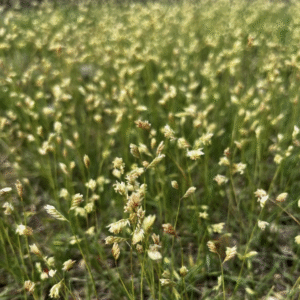
Deep Root Architecture: Standard lawns have shallow roots that fry in the top 2 inches of soil. Sundancer Buffalograss and our specialized Fescues dive deep—sometimes several feet—to tap into moisture reserves that other grasses can’t reach.
Smart Dormancy: When the heat hits 100°F and water is cut off, these grasses don’t just die; they enter a protective dormancy. Once the first rain hits or restrictions lift, they “wake up” and green back up while standard Bluegrass remains brown and brittle.
The 3-Step Drought Audit
Check Your Soil Type
Sandy soil drains fast, requiring deep-rooting Buffalograss. Heavy clay holds water but gets compacted—Bermuda handles this best.
Water Deep, Not Often
Train your roots. One long soak per week is better than daily light sprinkles which cause shallow, “lazy” roots.
Mulch Your Clippings
Leave grass clippings on the lawn. They act as a natural mulch, cooling the soil surface and retaining moisture.
Find Your Drought Solution
Match your climate and local restrictions to the right water-saving variety.

The Ultra-Low Water
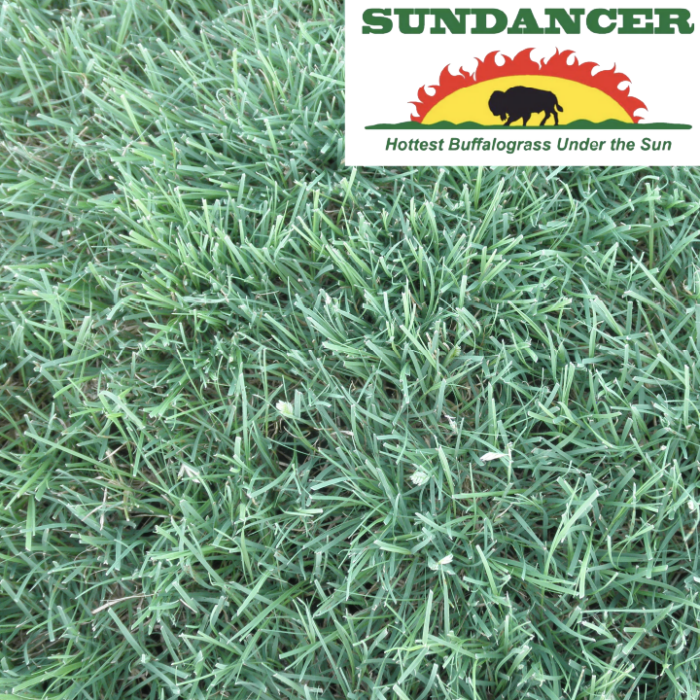
Sundancer Buffalograss
A native shortgrass that thrives on as little as 1/4″ of water per week once established.

Heat & Foot Traffic
Bermuda Blends
For southern climates that face both scorching sun and heavy backyard activity.

Cool-Season Savings
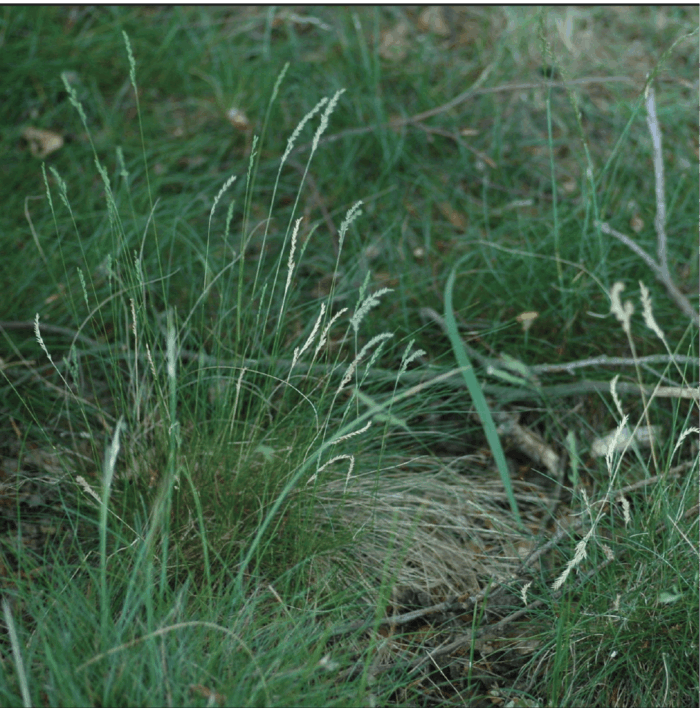
Water-Wise Shade Mix
Perfect for northern states. Stays green with significantly less irrigation than Bluegrass.
Anchor Water-Wise Products
Our top-performing seeds for reducing water usage without sacrificing a green landscape.



Frequently Asked Questions
Common questions about drought-resistant lawns and watering restrictions.
The Blunt Truth About Establishment
While Buffalograss and our water-wise mixes are world-class drought survivors, they are not drought-resistant on day one. During the first 4–6 weeks of establishment, you must provide consistent moisture to get the roots deep. If you can’t water during the sprout phase, wait for a better season to plant. Once established, they’ll handle the heat while your neighbors’ lawns turn brown.