Best Grass Seed to for Dogs & High Traffic (2026)

Best Grass Seed for Dogs &
High-Traffic Lawns (2026)
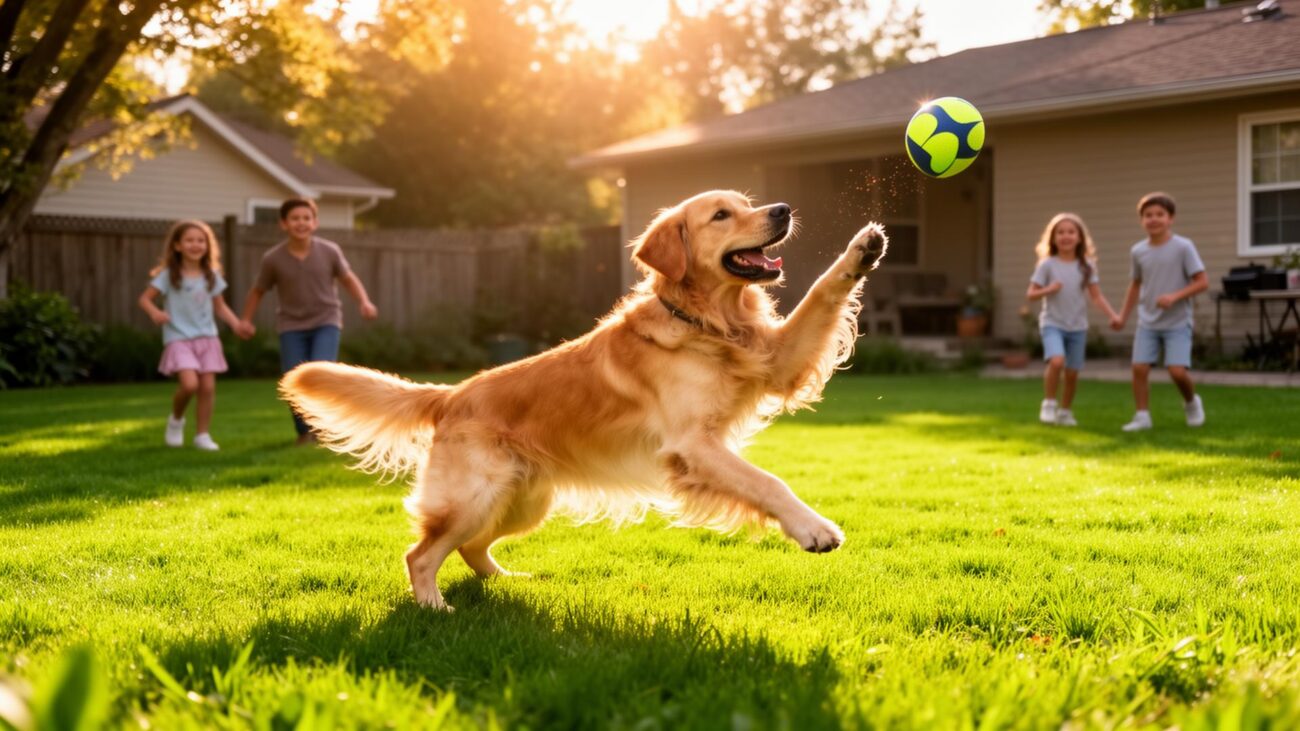
Build a lawn that survives zoomies, fetch, and kid chaos—without reseeding every month.
Why These Grasses Work With Dogs
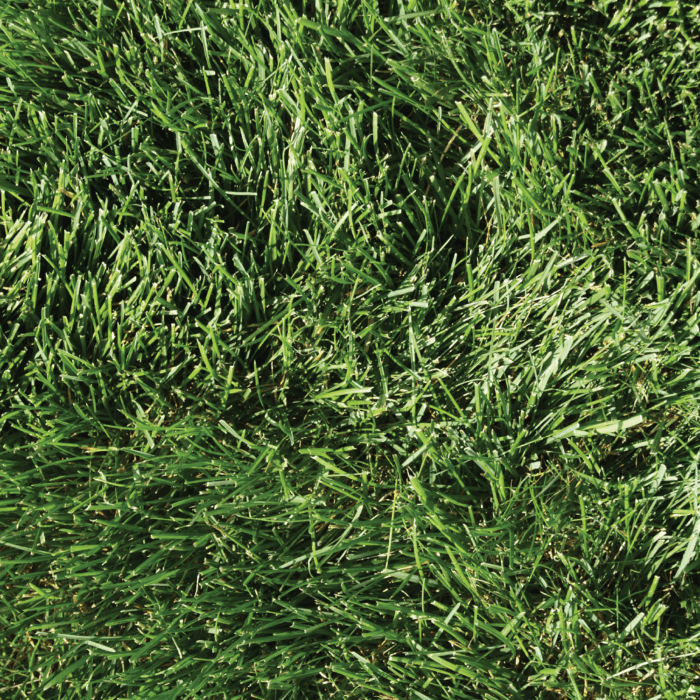
Kentucky Bluegrass (KBG) is often cited as the go-to for high-traffic lawns because of its aggressive rhizome system—underground stems that spread and fill in damage naturally. Combined with traffic-tolerant varieties, your lawn literally repairs itself.
Perennial Ryegrass offers the fastest establishment, germinating in as little as 5-7 days. It’s perfect for quick repairs and overseeding worn areas. When blended with KBG, you get the best of both worlds: fast coverage now and long-term recovery later.
3-Step Dog Lawn Repair Routine
Fix the Cause
Address compaction, drainage issues, or irrigation coverage problems before reseeding.
Rake & Prep
Remove debris and ensure seed-to-soil contact for optimal germination.
Water Correctly
Keep soil consistently moist (not soaked) until grass is fully established.
Pick Your Situation
Every lawn challenge has a solution. Find the right grass seed for your specific needs.

Wear & Tear
Running paths, play zones
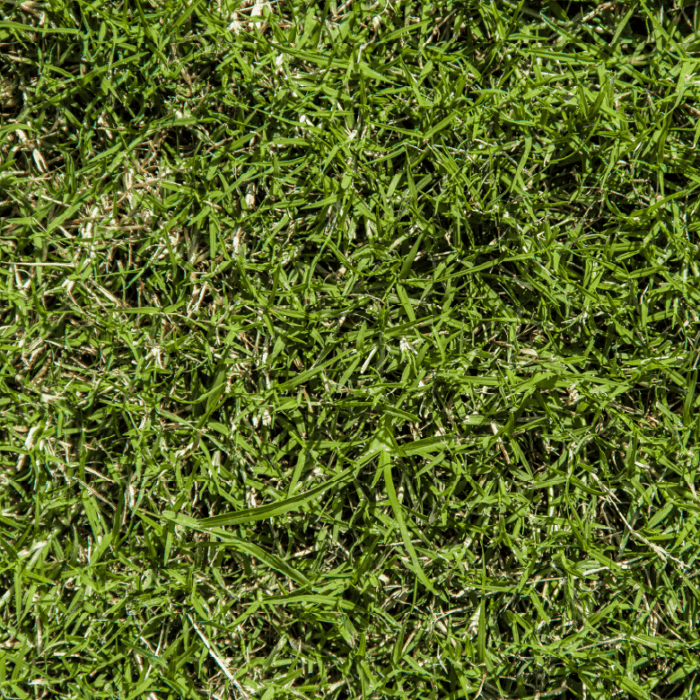
Stop the erosion with our most durable, athlete-grade Sports Turf blend.
Shop Sports Turf →
Dog Urine Spots
Yellow patches, burned grass
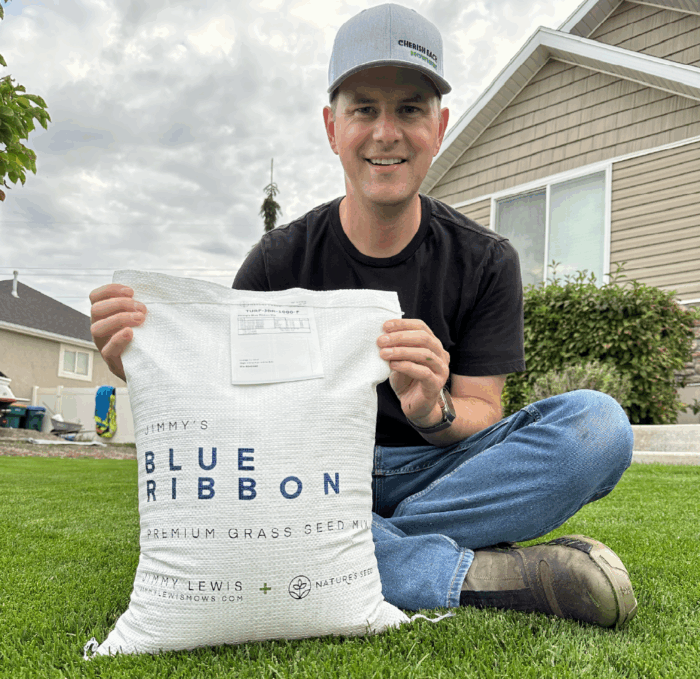
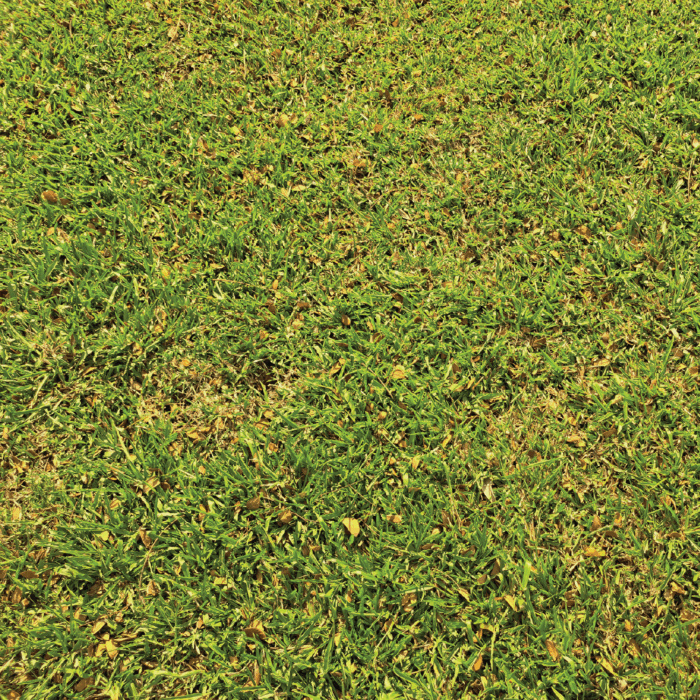
Self-repairing rhizomes fill in burnt spots automatically. Our #1 pet-owner choice.
Shop Blue Ribbon →
Digging & Thin Areas
Bare spots, patchy lawn
Fast-acting germination that gets green on the ground in as little as 5 days.
Shop Ryegrass Blend →Our Top Recommendations
Expert-tested grass seeds that thrive under pressure. Perfect for families with pets and active kids.
Frequently Asked Questions
Get answers to the most common questions about grass seed for dogs and high-traffic lawns.