
The Best Grass Seed For North Carolina

Available Pasture Mixes for North Carolina
- Big Game Food Plot & Forage Mix
- Chicken Forage Seed Mix
- Cool Season Cattle Pasture Seed Mix
- Full Potential Food Plot
- Goat Pasture & Forage Mix | Warm Season
- Green Screen Food Plot
- Honey Bee Cover Crop & Pasture Mix
- Horse Pasture Mix | Warm Season
- Krunch and Munch Food Plot
- Llama & Alpaca Pasture Seed Mix
- Pig Pasture & Forage Mix
- Plains Prairie Mix
- Sandhills Prairie Mix
- Shade Mix Food Plot
- Sheep Pasture & Forage Mix | Warm Season
- Shortgrass Prairie Mix
- Tortoise Forage & Habitat Mix
- Warm Season Cattle Pasture Seed Mix
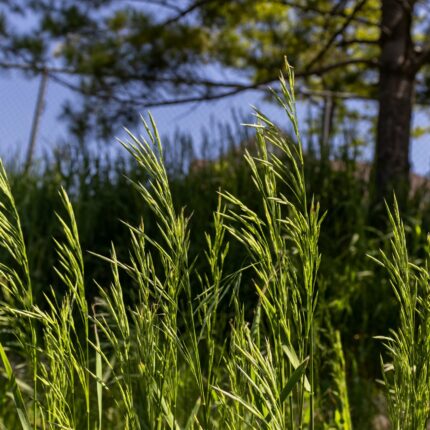
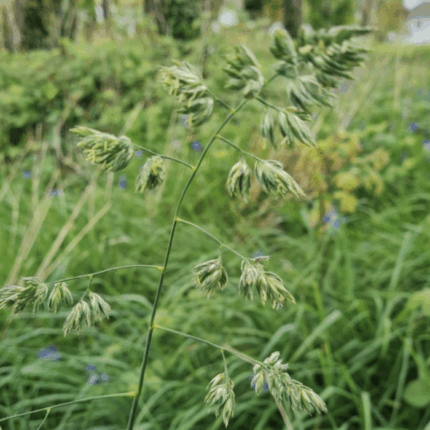
Pasture Grass Species for North Carolina
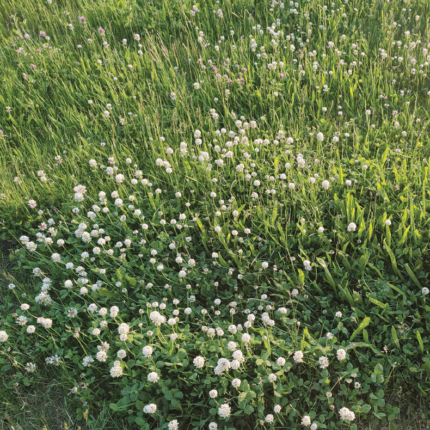
Clover Seed for North Carolina


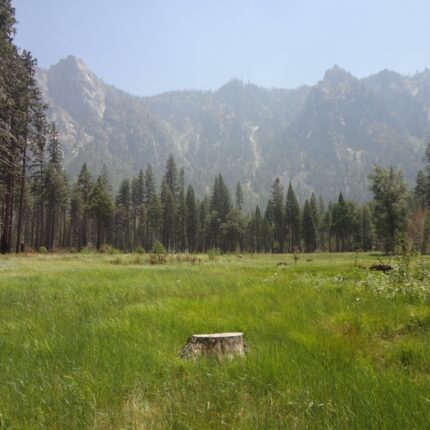
Specialty Seed for North Carolina

Wildflower Seed for North Carolina

Different Types of North Carolina Grass Seed
North Carolina lies in the transition zone, meaning climate, soil, and weather conditions can change dramatically across the state. This makes choosing the right grass seed mixture essential for homeowners. Fortunately, North Carolina supports many different types of grass you can grow based on the season and your specific location.
Warm Season Grasses
Warm-season grasses thrive in high temperatures ($75^\circ F$ to $90^\circ F$) and summer droughts. These varieties are best grown on the high-moisture and sandy soils of the Coastal Plain and Piedmont regions of North Carolina. However, once the cool season hits, these grasses turn brown and will remain dormant until spring.
- Best Planting Time: Spring.
- Fertilization Tip: Never fertilize before growing them in the spring or just before fall ends to increase hardiness.
Here are a few warm-season grasses you can opt for:
Centipede Grass
- Qualities: Grows slowly, has a rough texture, and features a light green/apple color. Does well in acidic soil ($pH 4.5-6.0$) due to deep roots.
- Maintenance: When planted on high pH soil, the color turns light yellow; it must be treated with lawn iron supplements. It can’t withstand high foot traffic and recovers from damage slowly.
Zoysiagrass
Zoysia grass spreads fast and thick enough to grow a dense turf on your lawn, making it difficult for weeds to penetrate. It can resist high foot traffic and, unlike other warm-season types, Zoysia can recover its green color after extreme heat or once winter subsides.
Caution: It can spread to areas outside your lawn due to stolon production.
Bermuda Grass
Among grass species, bermudagrass is one of the best grass seeds for North Carolina regions with warm temperatures.
- Qualities: Deep root system provides resistance from heat, drought, and insects, and helps prevent soil erosion. It tolerates wear and tear well, making it ideal for playing fields.
- Maintenance: Its rapid growth rate is a double-edged sword: it allows for high traffic but containing its spread can be challenging.
Cool Season Grasses
Cool-season grasses are best grown in North Carolina during the fall, winter, and early spring, when temperatures range between $60^\circ F$ and $75^\circ F$. Properties located in the Mountain region and western region of NC will benefit most from these varieties due to the cooler temperatures.
- Best Planting Time: Fall or early spring.
- Maintenance: Requires regular mowing and fertilizing. The frequency and quality of care depend on the specific grass type.
Below is a shortlist of the different cool-season grass types available in North Carolina:
Perennial Ryegrass
Perennial ryegrass is a bunchgrass with an extensive root system. It spreads quickly, grows vertically, and compacts itself, making it ideal for preventing soil erosion.
This grass type tolerates drought, heat, and shade better than most cold-temperature grasses, making it one of the best grasses for transition zone areas like North Carolina, as it can withstand the warm season.
Kentucky Bluegrass (KGB)
Among the cold-season grasses, Kentucky bluegrass is the hardiest against winter conditions and grows rapidly during the cool season. This makes it ideal for the mountainous regions of North Carolina.
However, it establishes itself with short roots, making it less heat- and drought-resistant than other types. Many homeowners still choose it, even in warmer regions, for its dazzling blue-green color and delicate texture.
Tall Fescue
Tall fescue seeds produce a quality, dark green turf that spreads quickly and remains green during both the summer and winter seasons.
- Qualities: Moderately drought-resistant and shade-tolerant thanks to its extensive root system that grows two to three feet deep.
- Maintenance: As a bunch-type grass, it grows in clumps, making it easy to segregate from flower beds. The only downside is its slow repair time when damaged.
North Carolina Grass Seed Summary
Find Premium Quality Grass Seed for North Carolina Lawns
Choosing the best grass seed for North Carolina depends heavily on your region:
- Mountain/Western Regions: Opt for Tall Fescue and Perennial Ryegrass. Their complex root systems and shade tolerance make them suitable for the area’s cooler temperatures and rainfall.
- Coastal Plain/Piedmont Regions: Opt for Zoysia Grass and Bermuda Grass. Just make sure to manage their rapid growth to keep them from spreading into other parts of your property.
If you’re still unsure which grass seed is best for your North Carolina lawn, our experts at Nature’s Seed can help you with personalized advice and grass seed mixtures designed for your property’s specifications.
Reach out to us now so we can provide you with all the help you’ll need in growing grass on your lawn in North Carolina.
