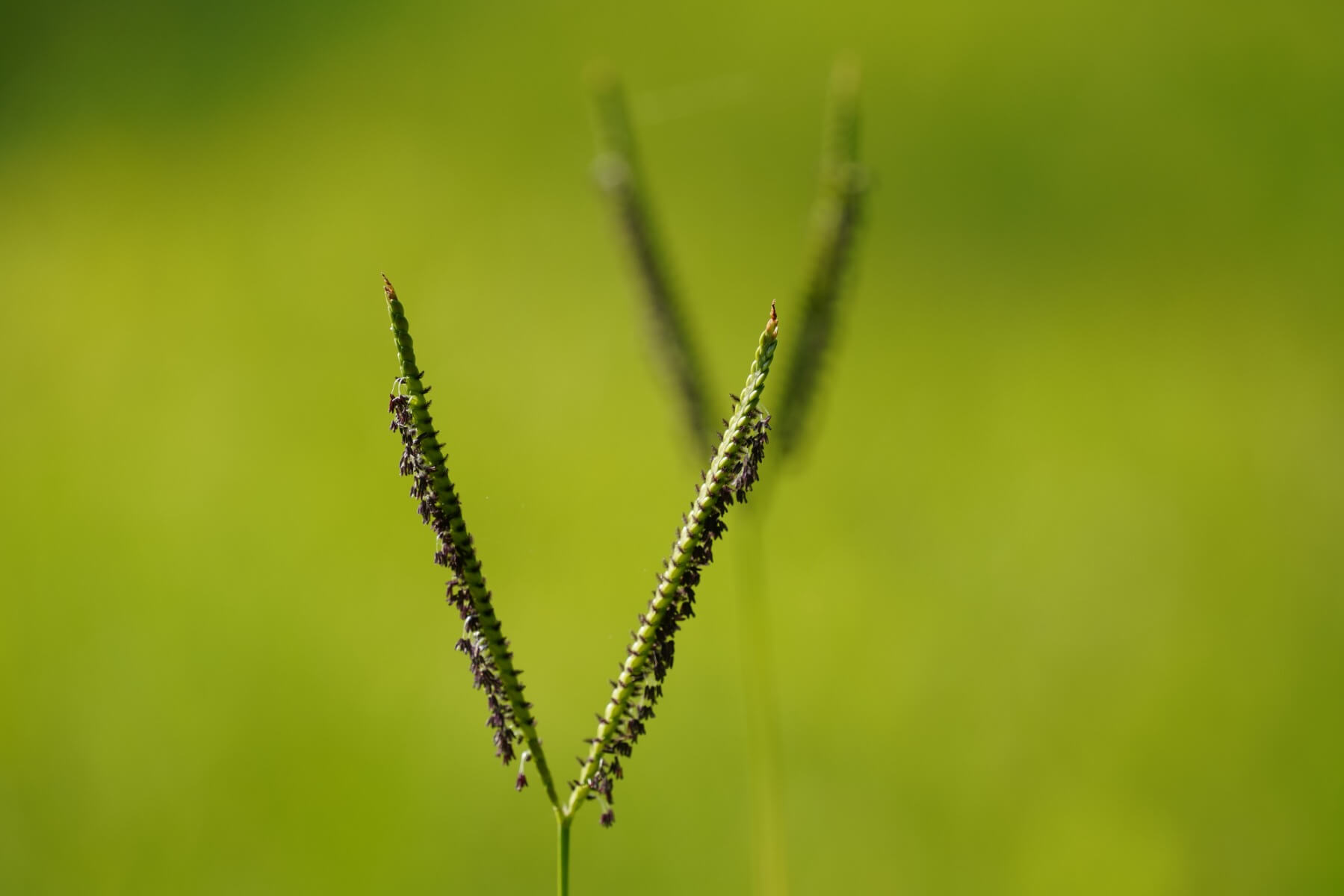
The Best Grass Seed For Florida
Available Pasture Mixes for Florida
- Big Game Food Plot & Forage Mix
- Chicken Forage Seed Mix
- Cool Season Cattle Pasture Seed Mix
- Full Potential Food Plot
- Goat Pasture & Forage Mix | Warm Season
- Green Screen Food Plot
- Honey Bee Cover Crop & Pasture Mix
- Horse Pasture Mix | Warm Season
- Krunch and Munch Food Plot
- Llama & Alpaca Pasture Seed Mix
- Pig Pasture & Forage Mix
- Plains Prairie Mix
- Sandhills Prairie Mix
- Shade Mix Food Plot
- Sheep Pasture & Forage Mix | Warm Season
- Shortgrass Prairie Mix
- Tortoise Forage & Habitat Mix
- Warm Season Cattle Pasture Seed Mix
Pasture Grass Species for Florida
Clover Seed for Florida
Specialty Seed for Florida
Wildflower Seed for Florida
Selecting the Best Florida Grass Seed for a Lush Lawn
What is the best type of grass seed to plant in Florida? The best grass seed for Florida depends on your specific region’s climate zone (USDA) and local conditions like shade and soil type. Warm-season grasses like St. Augustine, Bermuda, and Zoysia are popular choices across the state due to their tolerance for high heat and humidity. Northern Florida can also sustain some cool-season grasses like Tall Fescue during cooler periods. Always check your growing zone map for the most accurate recommendation.
The Best Florida Grass Seed for Your Property
Florida is a state that has more than its fair share of sunshine. That’s good news for plants, lawns, and pastures. After all, one of the crucial components to thriving growth is sunshine and warm temperatures, right? Well, that depends. Growing a full and lush lawn for your property also depends on other factors like shade, soil pH levels, moisture, and your specific location throughout the state. Choosing the correct grass seed is the first critical step.
While Florida stays relatively warmer for more extended periods during the year, its cold seasons can still hit the low 10s in locations like Pensacola and Tallahassee. Keeping Florida’s climate in mind is critical when deciding on which types of grass to plant for your lawn. Without planning first, you risk damaging your lawn by growing the wrong grass seeds. This is especially true for the northern zones which experience colder snaps.
Let’s take a look at some of the best warm-season and cold-season grasses for turfs in Florida, as well as which ones would work best for your lawn or garden.
What are the Growing Zones in Florida?
Even though the rest of the country counts Florida as a warm state, its cool season, albeit short, is much colder than other regions. Understanding your specific Florida growing zone is essential for successful planting.
A glance at Florida’s growing zone map can help you determine the best grass to grow based on the minimum temperatures of each location in the state. This map uses the USDA Plant Hardiness Zones as a standard reference.
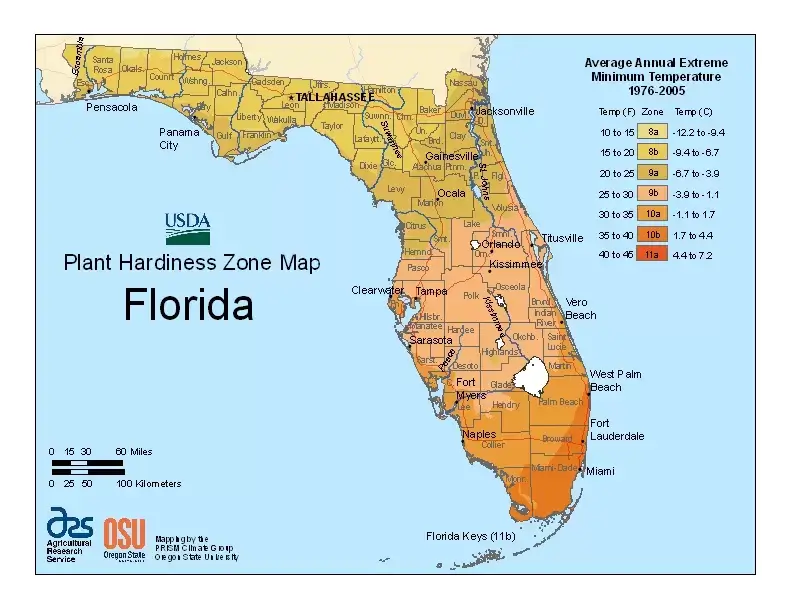
(Image Source: USDA Plant Hardiness Zones)
For instance, Orlando has a 9b zone, which means planting grass that can withstand temperatures between 25 to 30°F is a priority. Using this map, you can locate your region. The northern zones (8a-8b) are often a transition area where both cool-season and warm-season grasses can be used for year-round color (overseeding).
What Cool Season Grasses and Warm Season Grasses Grow in Florida?
According to the USDA zone map, the northern part of Florida can happily sustain cool-season grasses while the warm-season Florida grass types thrive in the southern region. The majority of Florida lawns are comprised of warm-season varieties due to the prolonged heat and humidity.
Below are the most common grass seeds you can use on your Florida lawns:
Tall Fescue
Tall fescue is a cool-season grass that can tolerate heat and humidity better than many of its counterparts, making it suitable for Northern Florida’s cooler periods.
For maximum growth, plant tall fescue seeds when temperatures are between 50 to 65°F. By the time fall and spring hits, grass growth should hit its peak. At this point, you should start mowing the grass to sustain its two to three-inch height.
With proper care, tall fescue roots will extend two to three feet deep in the soil. These robust root systems allow tall fescues to resist heat and drought much better than other cool-season grasses. However, its slow recovery period means that it’ll take time before they regain their color or appearance when it gets damaged. It is often used in transitional zones for winter overseeding.
Perennial Ryegrass
Perennial ryegrass is another cool-season grass species that spreads faster than other grass types to create a dense turf in your lawn. It is almost exclusively used for winter color.
Growing this perennial ryegrass is all about getting your timing right: plant it during the fall, so the cool weather expedites its growth. Stock up on your fertilizer and water because it requires generous amounts of both compared to other lawn grasses.
A perennial ryegrass lawn needs regular watering to keep its color alive during summer, the rainy seasons, and winter. If you do spot your lawn losing color because of cooler temperatures, a little overseeding of your turf can help it recover its dark green appearance. It is a favorite for quick, temporary winter lawns over dormant warm-season grasses.
St. Augustine Grass
As a grass type that grows during the warm season, St. Augustine Grass thrives in temperatures between 75 to 90°F and on soil pH 5.0-8.5 range. Its flat, dark green blades have a coarse texture that covers up blemishes like weeds in your lawn.
St. Augustine Grass is the most commonly used grass in Florida because it’s a low-maintenance lawn. Aside from being drought tolerant, the grass won’t lose its color and appearance as long as you don’t let it dry out. It is also one of the best warm-season grasses for areas with partial shade, though it prefers sun.
On the downside, this grass has a low tolerance for high traffic areas. If you’re planning to use this grass type, it’s a good idea to incorporate a heartier seed in the mixture, especially if your lawn will be subject to tons of foot traffic. It is typically established using sod or plugs, as seed is not widely available for most commercial varieties.
Bermuda Grass
Bermuda Grass is incredibly resistant to drought, humidity, and heat from the full sun. These features combine to make it one of the best grass seeds to withstand the high temperatures in Florida.
Plant the grass in spring and on soil pH ranging from 5.8 to 7.0. From here, all you need is full, direct exposure to the sun and weekly watering to keep its foliage and roots vibrant and healthy.
Bermuda grass is also known for being a fast-spreading seed, making it an excellent choice for high-traffic lawns and sports fields.
One downside is its sensitivity to colder seasons — this grass seed type can go dormant for more extended periods and has low drought tolerance. However, Bermuda grass also revives and grows back much faster than most grasses once winter passes.
Centipede Grass
Centipede grass grows slower than most warm-season grasses. The blades are uniform with a coarse, deep green that can grow up to 1.5-2 inches tall. Its leaves are as wide or wider than they are long, making for a dense and lush look. It is often called the “lazy man’s grass” due to its low-input requirements.
What’s particularly notable about this grass type is it’s pretty low-maintenance and doesn’t need a lot of soil nutrition to thrive. If you happen to have sandy soil or need to overcome acidic soil, centipede grass is suitable. Additionally, this grass type is happy with infrequent mowings.
However, if planted on high pH soils, centipede grass will turn yellow due to its very high iron deficiency sensitivity. To combat this, you must lower its pH levels using soil amendments. Be cautious if your area naturally has alkaline soil.
Seashore Paspalum
Paspalum is a fast-growing warm-season grass used mainly along coastal regions. It also happens to be a fairly popular option for golf courses in Florida, which means that it’s highly durable.
Unlike its counterparts, zoysia and bermudagrasses, paspalum is shade tolerant and can grow despite a lack of sunlight. It also recovers much faster than other warm-season grasses. Its high salt tolerance makes it ideal for properties near the ocean.
Finally, it can sustain its green color to provide your lawn with consistent aesthetics without the need to overseed. For more information on dealing with coastal challenges, check out our guide to coastal lawn care.
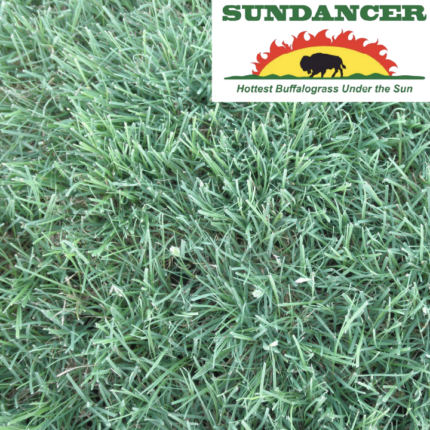
Buffalo Grass
Buffalo grass is a warm-season grass seed that remains popular in Florida, particularly for those seeking **low-water-use alternatives**. The best time to plant this grass is from November through January, with February as your cut-off.
This type of grass has curling leaf blades with brownish seed heads, which turn out golden-green during the winter months. From June onwards, they dry up completely and transition into hay.
Due to its soft texture, lawns seeded from buffalo grass can’t withstand heavy traffic areas, so this is not the ideal seed type to use on playgrounds and sports fields. It is highly drought-tolerant once established, which is a major benefit in drier parts of Florida.
Florida Grass Seed Summary
Nature’s Seed Simplifies Lawn Care in Florida
Florida’s unique climate makes it tricky to choose suitable grasses that will thrive in your lawn or garden. Additionally, you’ve also got to consider your property’s unique features, such as large trees that could keep much of your lawn in the shade. The keys to success are selecting the right variety and understanding your local micro-climate.
When you’re ready for expert help and guidance, turn to Nature’s Seed. Our grass seed mixtures are tailored specifically for your region, and we can advise you on the best grass seed types for your land. Contact us today, and let’s make hay while the sun shines! For general lawn maintenance tips, see the University of Florida IFAS Extension website.
Shop Related Products
Premium seed mixes for your project