
The Best Grass Seed For Arizona
Available Pasture Mixes for Arizona
- Big Game Food Plot & Forage Mix
- Chicken Forage Seed Mix
- Full Potential Food Plot
- Goat Pasture & Forage Mix - Transitional
- Goat Pasture & Forage Mix | Warm Season
- Green Screen Food Plot
- Honey Bee Cover Crop & Pasture Mix
- Horse Pasture Mix - Transitional
- Horse Pasture Mix | Warm Season
- Krunch and Munch Food Plot
- Llama & Alpaca Pasture Seed Mix
- Pig Pasture & Forage Mix
- Shade Mix Food Plot
- Sheep Pasture & Forage Mix - Transitional
- Sheep Pasture & Forage Mix | Warm Season
- Tortoise Forage & Habitat Mix
- Warm Season Cattle Pasture Seed Mix
Pasture Grass Species for Arizona
Clover Seed for Arizona

Specialty Seed for Arizona
Wildflower Seed for Arizona
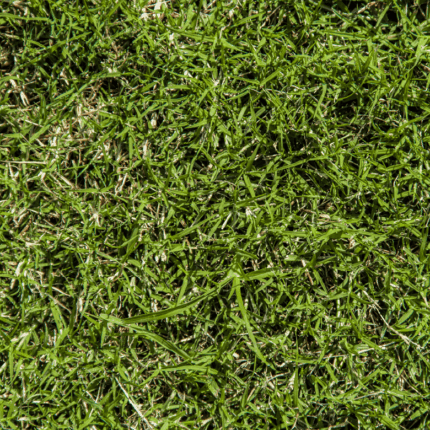
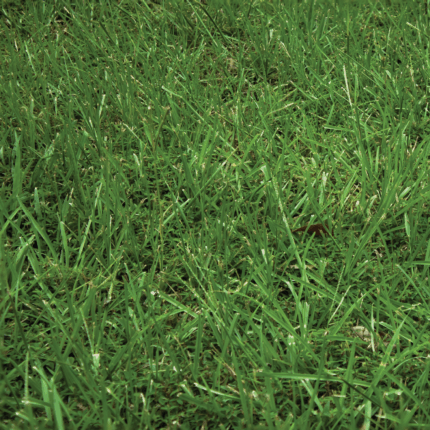
In Arizona, growing a vibrant lawn is a unique challenge. The state’s extreme climates, varying elevations, and intense arid conditions demand that grass seeds be exceptionally resilient. From harsh sunlight in the low deserts to colder temperatures at high altitudes, even favorites like Bermudagrass need specialized, tougher varieties.
If you’re planning to revitalize your lawn and you’d like it to survive and thrive from one season to the next, you must understand the proper planting cycle and pay particular attention to your city’s elevation. Choosing the right drought-resistant and cold-tolerant grass seeds is essential for a beautiful, thriving Arizona lawn.
What are the Most Common Arizona Grass Seeds?
As it turns out, you can grow grass in the desert — but you’ll need to know which grass seed types are right for the land you’re using.
While Arizona is technically classified by many as a “Warm/Arid” state rather than a traditional North/South transition zone, the extreme variation in elevation means you still need to plan for two seasons. High-altitude areas require cool-season grass, and low-desert regions require warm-season grass, often necessitating overseeding to maintain a year-round green lawn.
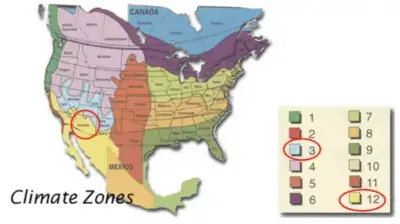
Most of the state falls under climate zone 12, which is “Warm/Arid.” There is also a smaller region in the northeastern part of the state that falls under the “Cool/Arid” zone. Regardless of your zone, your variety must be hearty enough to withstand the arid conditions in Arizona.
Seed application cycles matter when you’re planting grass seeds in Arizona. To achieve a lush, year-round lawn in the low-desert, you will need to plant warm-season grass in the spring, followed by cool-season grass in the fall.
Homeowners at high-elevation cities like Flagstaff, Prescott, Payson, and Showlow should plant fall grass seed as early as August.
Cool-Season Grass Types for Northern & High Elevation Regions
Cool-season grass seeds in Arizona work best in elevations at 4,500 feet and above. Areas lower than this elevation that also do well with cool-season grasses include Kingman, Globe, Safford, and high elevation areas in Cochise County, Verde Valley area, and Window Rock.
These areas often maintain a warm-season base (like bermudagrass) and overseed it for winter color using the following:
| Cool-Season Grass Type | Key Characteristics for AZ |
|---|---|
| Perennial Ryegrass | Better quality, denser turf, and more attractive than annual. Ideal for winter overseeding. |
| Annual Ryegrass | Fast-germinating and budget-friendly option for quick winter color. Dies quickly in spring heat. |
Any cool-season grasses should be planted in mid-September to late October (for desert areas), and as early as August for high-elevation cities. Perennial ryegrass will naturally die out during warm months, which is when your warm-season grass “wakes up” again and takes over your lawn.
Pro-Tip: Timing Your Overseeding
If you’re using ryegrass seed to overseed, the window is tight! The ideal time is mid-October to mid-November in the desert. Planting too early means the heat will destroy the seedlings, but planting too close to the edge of oncoming cold winter weather means the seed may not even germinate. Make it a rule not to plant seeds after Thanksgiving.
Warm-Season Grass Types for Southern and Low Desert Regions
Warm-season grasses work well in low altitudes and the desert regions of Arizona (Climate Zone 12, “Warm/Arid”). The optimal time for planting is late spring and early summer.
| Warm-Season Grass Type | Best Planting Window |
|---|---|
| Bermudagrass | After May 15th (Desert) to June 1st (Higher Elevation). Do not seed after July. |
| Zoysiagrass | April to August. Ideally, no later than the end of July. |
| Buffalograss | Late spring/Early summer once soil temperatures are reliably high. |
| Bahiagrass | Late spring/Early summer. Best in warmer, arid conditions. |
Many homeowners choose to kill off their perennial ryegrass completely before planting warm-season grasses. To do this, trim your grass less than an inch in height before re-seeding with Bermuda grass or any other variety. For Bermudagrass planted at desert elevation, it’s best if you plant after May 15th.
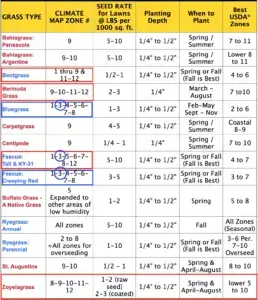
Since summer temperatures can rise into the triple digits in Arizona, precise timing is everything when you’re planting for a successful lawn.
