
Aesthetic Use
Pollinator
Premium Native Grass & Wildflower Seed for California's Diverse Climates
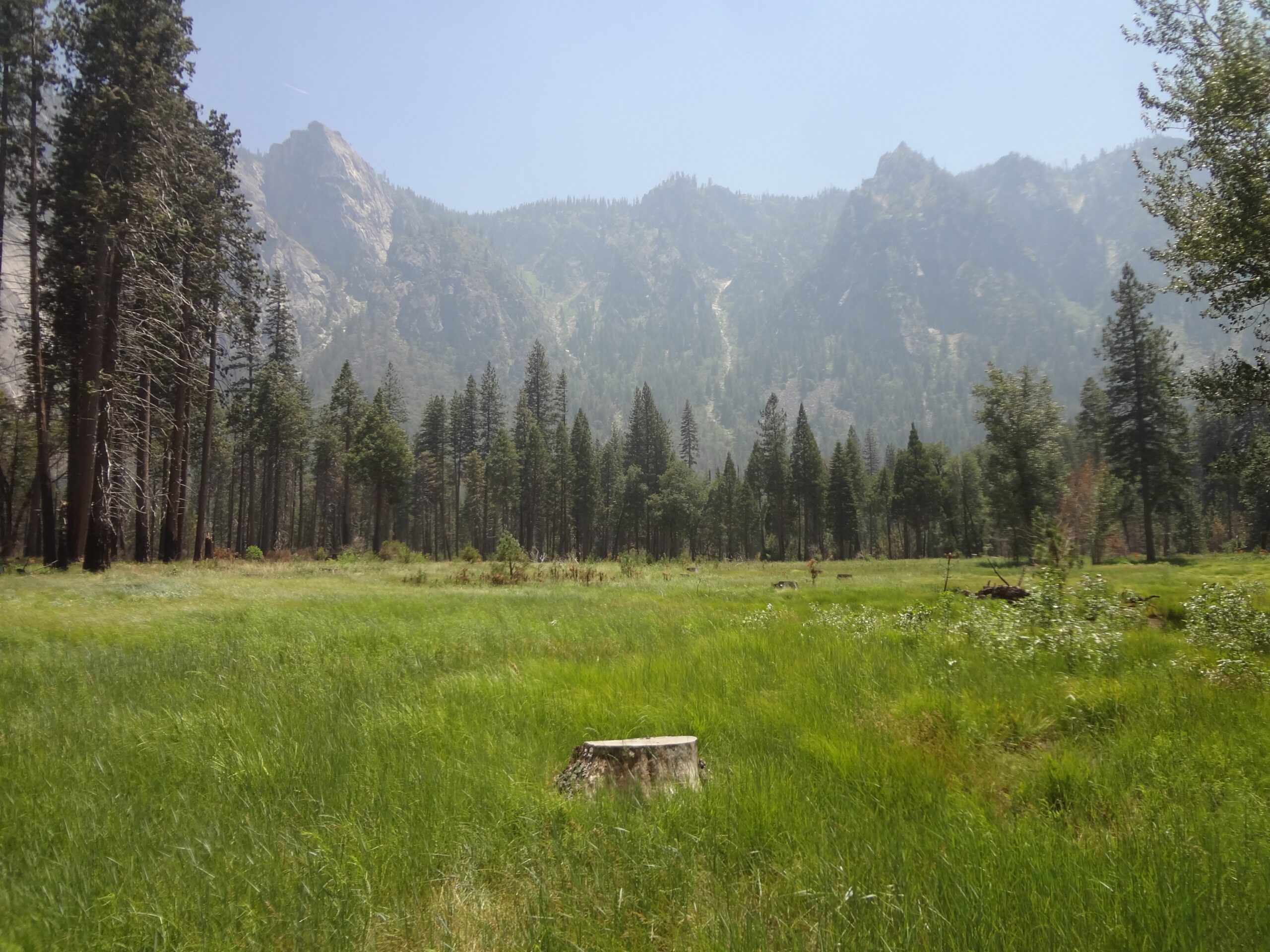
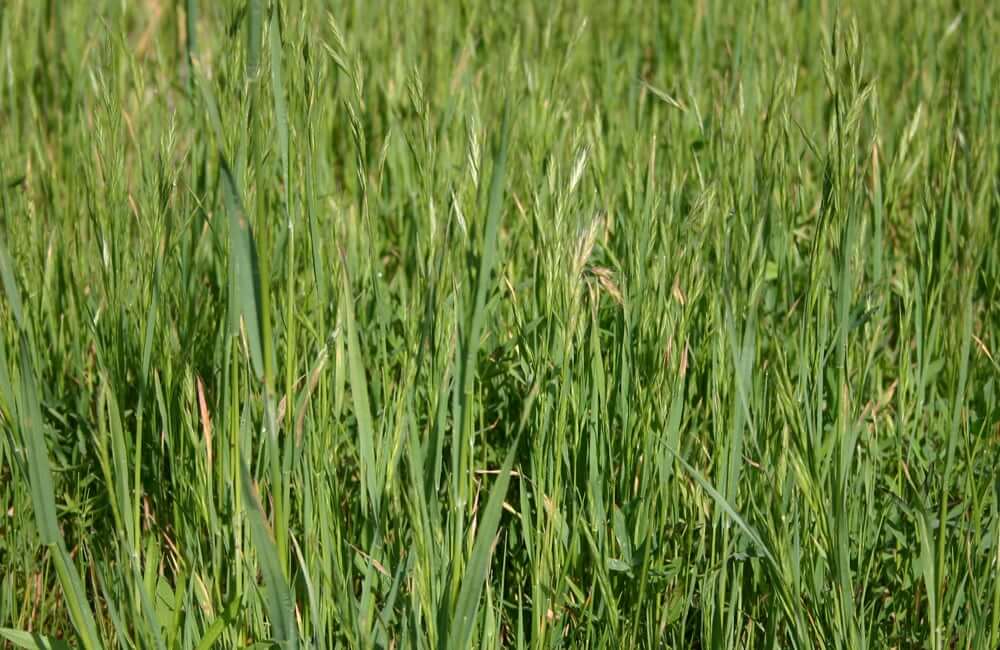
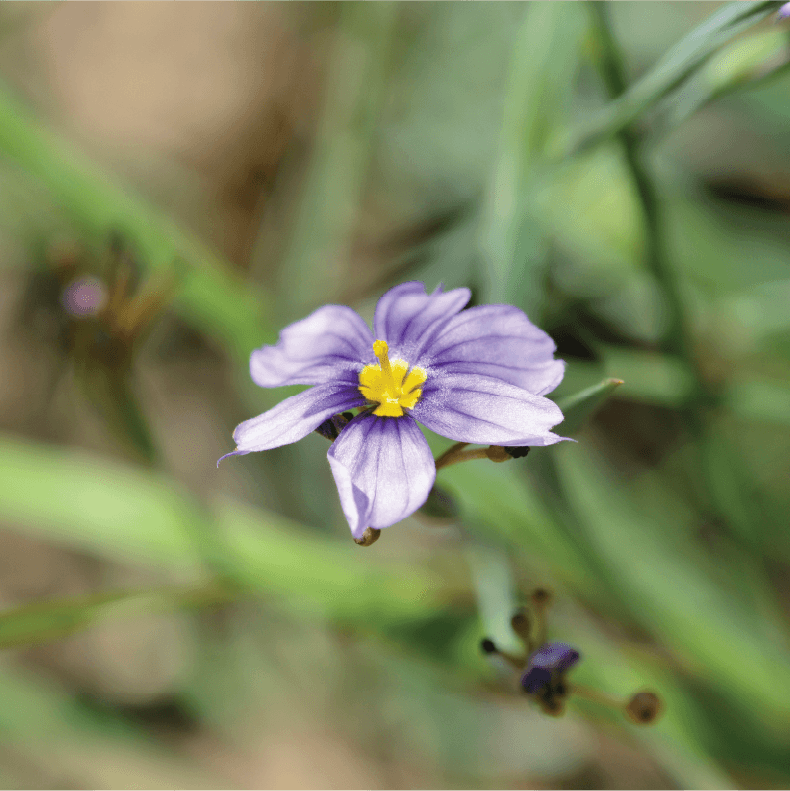
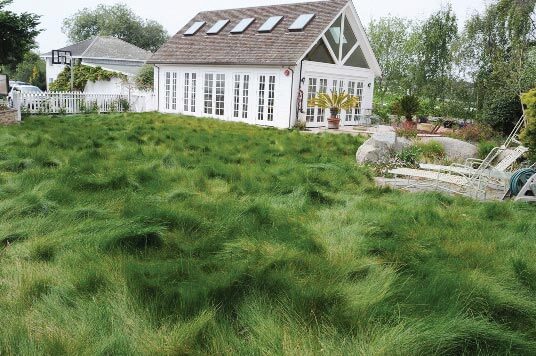
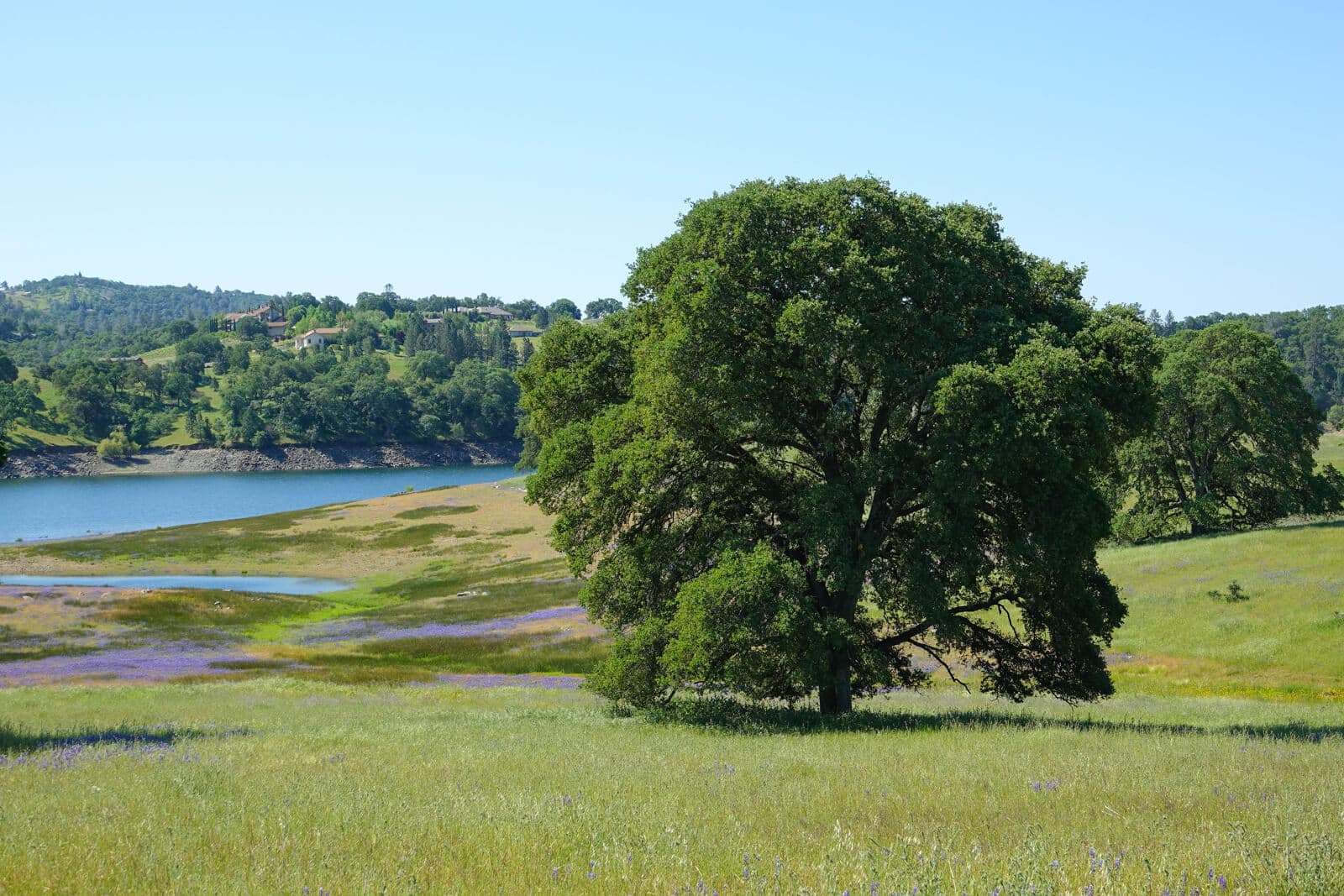
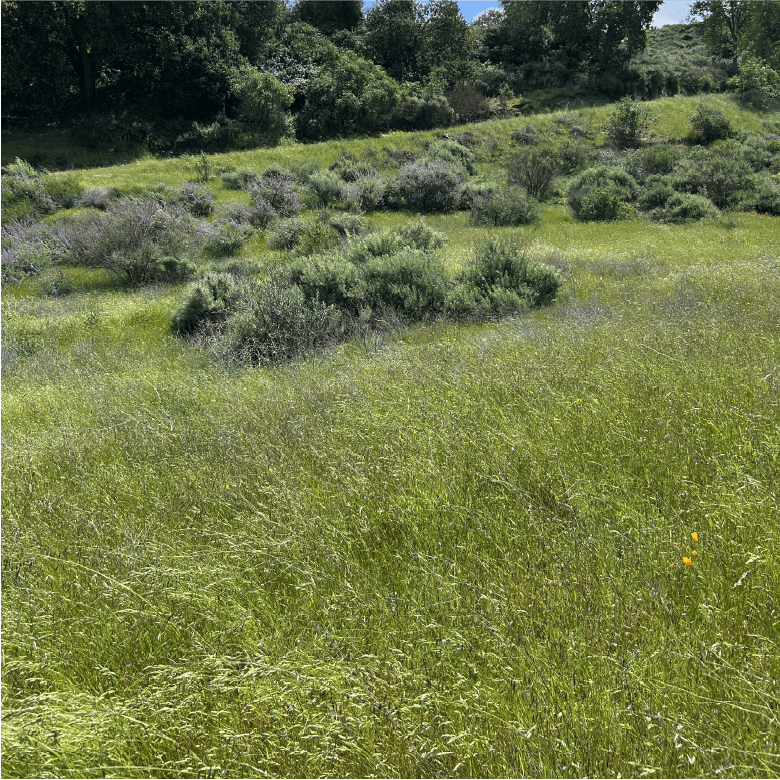
Each region has unique climate conditions that determine which grasses and wildflowers will thrive.
Cool, wet winters and mild summers make this region ideal for cool-season grasses. Native fescues, bentgrass, and wildflower meadows thrive in coastal fog belts and Sierra foothills alike.
Hot, dry summers and cool winters create a transitional zone where drought-tolerant native and adapted varieties excel with proper irrigation. Tall fescue and buffalograss blends perform well.
Mediterranean climate with minimal rainfall favors drought-tolerant warm-season grasses and native wildflowers. Water-wise landscaping with native species is increasingly popular.
For cool-season grasses like fescue and ryegrass, plant in September through November when temperatures cool but soil is still warm. For warm-season natives like buffalograss and blue grama, plant in April through June when soil temperatures reach 65°F or above.
Buffalograss and Blue Grama are the most heat-tolerant native options for California's inland valleys and southern regions. For areas with some shade, Tall Fescue blends offer good heat tolerance while maintaining a green appearance year-round.
Yes! Native grasses like California Bentgrass (Thingrass) and Blue Grama need significantly less water than traditional lawns. You can also consider clover lawn alternatives or native wildflower meadows that thrive on natural rainfall alone once established.
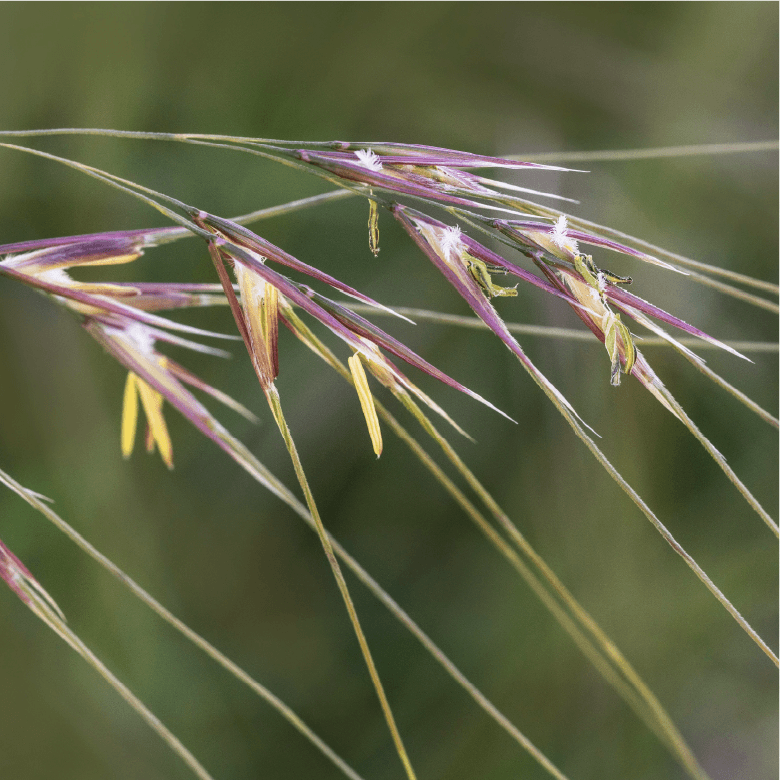
California's top native grasses include Purple Needlegrass (the state grass), California Bentgrass, Blue Wild Rye, and Creeping Red Fescue. These species are adapted to local soils and climates, require less water, and support native pollinators and wildlife.
Yes, the climate difference is significant. Northern California's cooler, wetter conditions favor cool-season grasses like fescue and ryegrass. Southern California's heat and drought conditions favor warm-season natives like buffalograss and blue grama, or drought-adapted native wildflower mixes.
Our seed experts know California growing conditions inside and out. Get personalized recommendations for your specific property and goals.
California Native Seed — Wildflowers, Grasses, and Restoration Blends
California is one of the most botanically diverse places on Earth. From the fog-cooled coastal ranges of the north to the sun-baked chaparral of the south, thousands of native plant species have adapted to thrive in conditions that would stress or kill most imports. When you plant California native seed, you’re working with the land — not against it.
At Nature’s Seed, our California Collection features wildflower mixes, native grass blends, and individual species sourced from wild-origin genetics and grown on dedicated California farms. Every lot is USDA-tested for purity and germination, with no fillers and no GMOs.
Why Plant California Natives?
Native plants evolved alongside California’s soils, rainfall patterns, and wildlife over thousands of years. That deep adaptation gives them advantages no imported species can match.
Water conservation. Once established, most California natives require little to no supplemental irrigation. Their root systems are built to extract moisture from the state’s dry summers and store it efficiently. In a state where water is liquid gold, that matters.
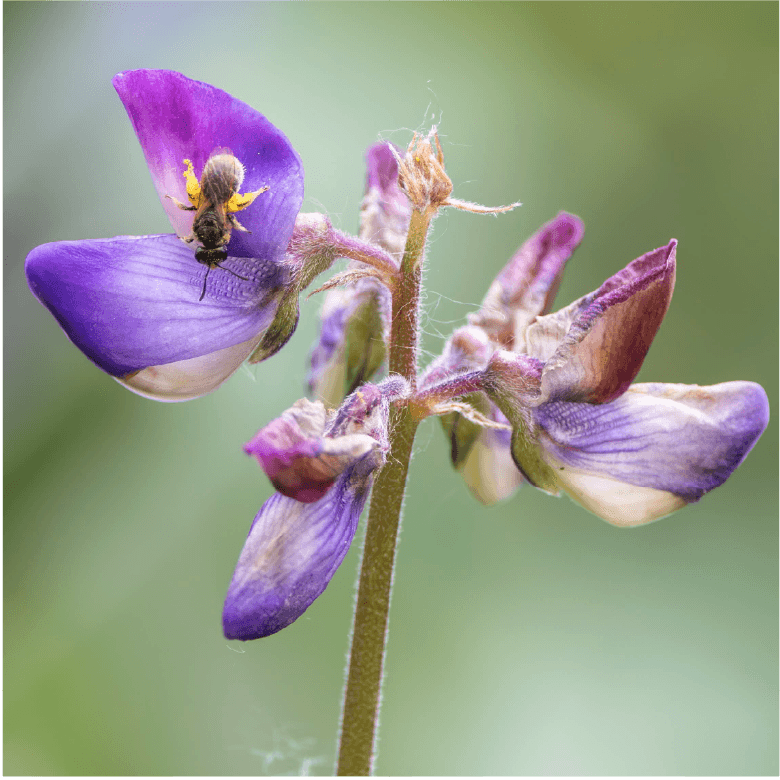
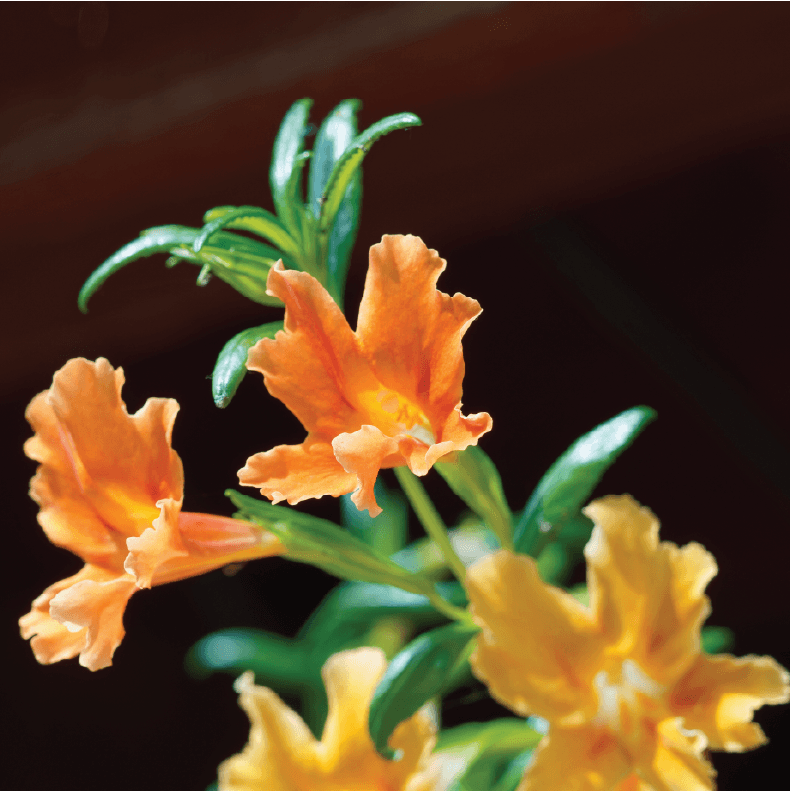
Pollinator support. California is home to over 1,600 native bee species, plus monarch butterflies, hummingbirds, and countless beneficial insects. Native wildflowers provide the pollen and nectar these species depend on — and the timing is right. Bloom periods align with pollinator life cycles in ways non-native flowers simply don’t.
Erosion control. Native grasses like purple needlegrass and blue wildrye develop deep, fibrous root systems that hold soil on slopes, streambanks, and disturbed sites. They stabilize ground far more effectively than shallow-rooted ornamental turf.
Low maintenance. No fertilizer. No pesticides. No irrigation after the first season in most climates. Natives are adapted to poor, rocky, and clay soils that would challenge conventional plantings.
———
Northern California vs. Southern California — Choose Your Sub-Region
California’s climate zones vary dramatically. A mix that thrives in the Sacramento Valley may struggle in San Diego County, and vice versa. That’s why we offer region-specific blends designed for the microclimates where they’ll actually grow.
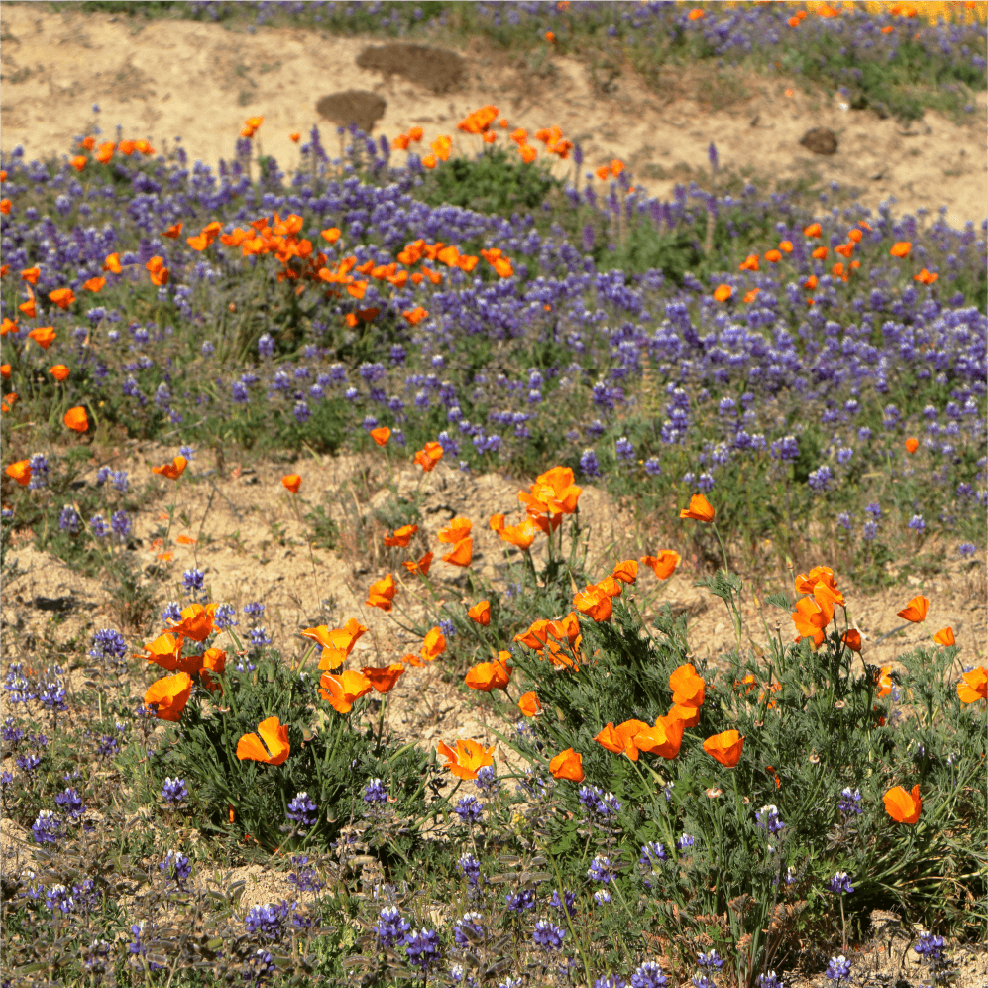
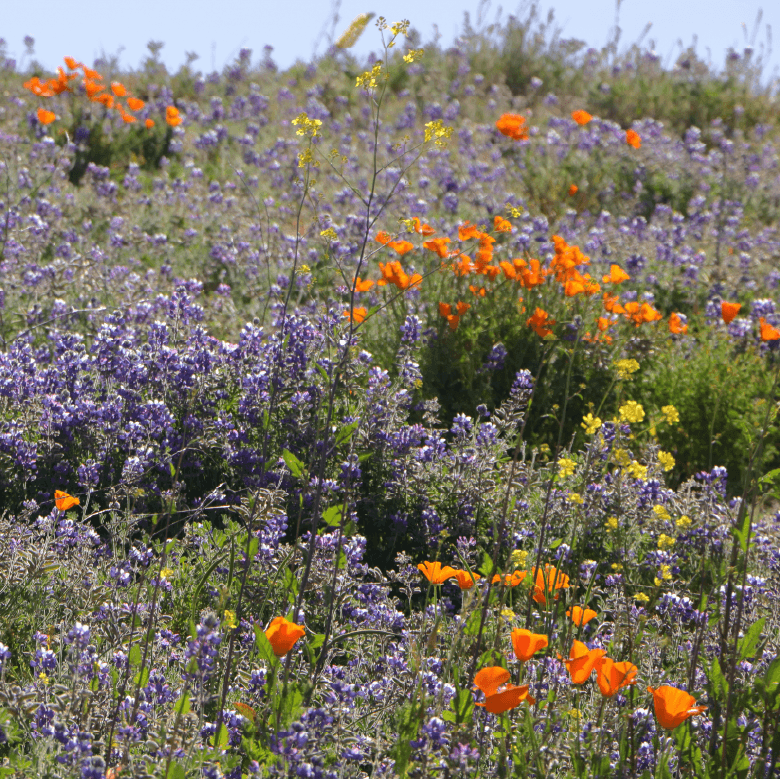
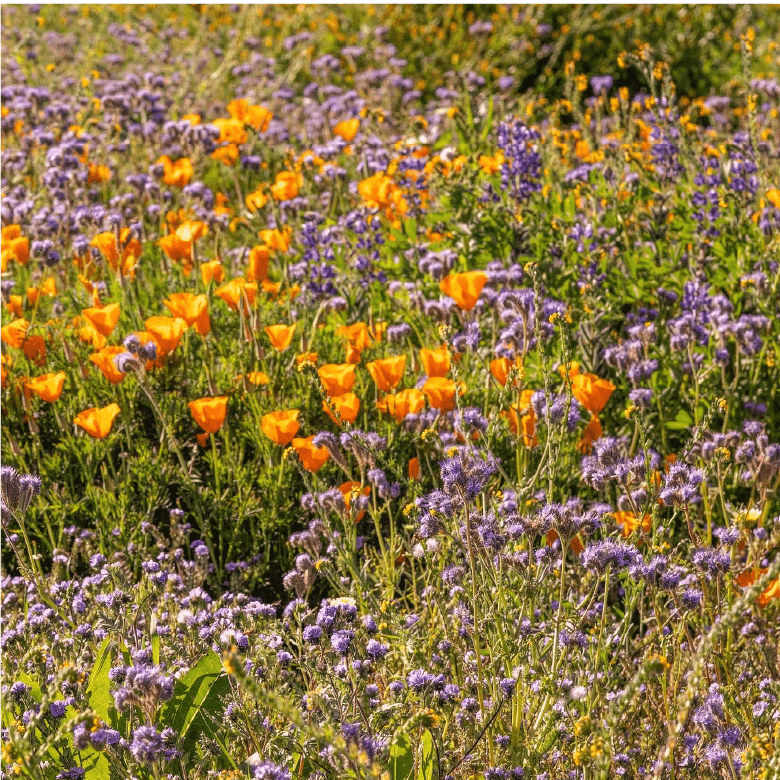
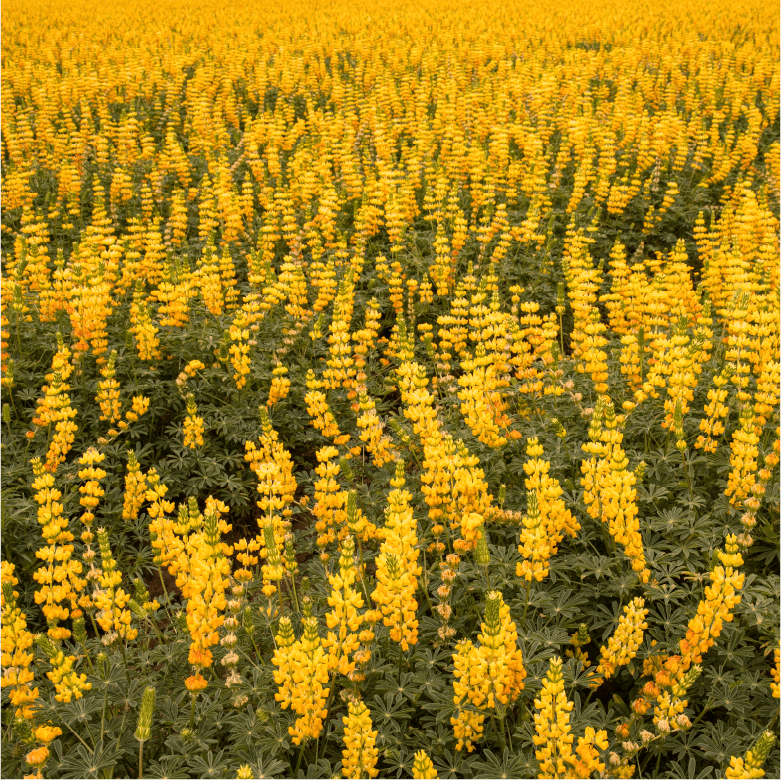
Northern California blends are built around species from the Central Valley, Sierra foothills, and North Coast — including California poppy, clarkia, lupine, blue wildrye, and purple needlegrass. These species tolerate cooler winters, heavier rainfall, and clay soils common in NorCal.
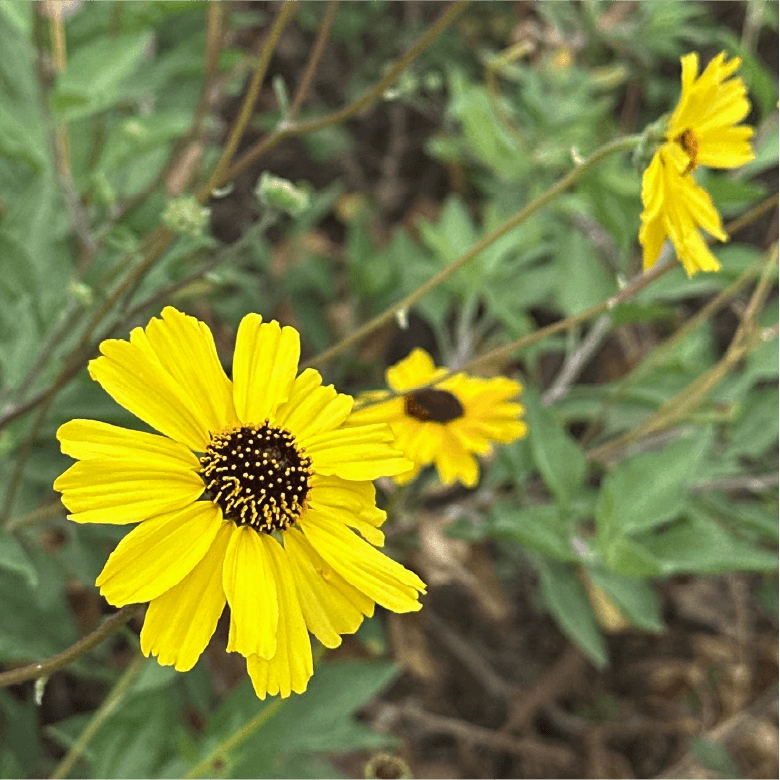
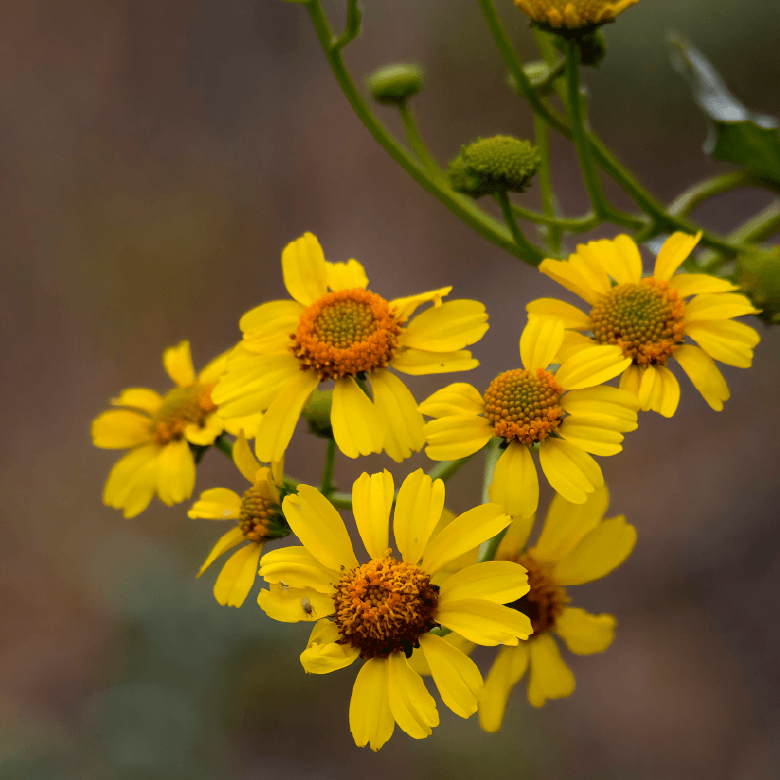
Southern California blends feature species adapted to hotter summers, less rainfall, and the sandy or decomposed granite soils found from the Central Coast south. Expect desert marigold, California buckwheat, and other heat-loving natives that bloom beautifully with minimal water.
Not sure which region fits your site? The Bloom! California project from the California Native Plant Society is an excellent resource for identifying native plants by location.
Wild-Sourced Genetics, Farm-Grown Seed
The genetics in our California blends originate from wild plant populations — not cultivated ornamental varieties. That wild origin means these plants carry the traits that evolved for survival in California’s real-world conditions.
We partner with two of the most respected native seed producers in the state. Hedgerow Farms in Yolo County grows Northern California native species across hundreds of acres of dedicated production in the Sacramento Valley. S&S Seeds in Carpinteria produces Southern California natives with deep expertise in restoration-grade seed. Together, these farm partners manage over 750 acres of native seed production.
This farm-direct supply chain means fresher seed with higher viability than you’ll find at a garden center.
Restoration, Conservation, and Everyday Gardens
Our California native seed is used across a wide range of projects:
• Habitat restoration — revegetating burned, grazed, or developed land with locally adapted species
• Conservation plantings — creating pollinator corridors, monarch waystation habitat, and wildlife cover
• Erosion control — stabilizing slopes, roadsides, and streambanks with deep-rooted native grasses
• Home gardens — adding drought-tolerant native beauty to residential landscapes
• USDA cost-share programs — qualifying plantings for conservation easements and EQIP programs
Even a small urban garden planted with California natives supports local biodiversity. Monarchs, native bees, and songbirds all benefit from patches of native habitat — no matter the size.
———
Planting California Native Seed
The best time to plant California natives is fall through early winter, just before the rainy season. Seeds germinate naturally with winter rains and establish root systems before the dry summer months. In Northern California, October through December is ideal. In Southern California, November through January works well.
Most California native seeds require no pre-treatment — just scatter on prepared soil and let nature do the work. Many species benefit from cold stratification, which happens naturally when fall-planted. No supplemental irrigation is needed for germination in most California climates.
If you’re mixing natives with well-behaved non-native species for specific landscape goals, our wildflower seed collection offers additional options that complement native plantings.
Start Your California Native Planting
Whether you’re restoring a hillside, planting a pollinator garden, or simply replacing thirsty turf with something that belongs here, our California Collection gives you the right seed for the job. Every blend ships free, USDA-tested, with the wild-sourced genetics California’s ecosystems depend on. For bulk or wholesale native seed, visit Hedgerow Farms or S&S Seeds directly.
———
Frequently Asked Questions — California Native Seed
Q: When is the best time to plant California native seed?
A: Fall through early winter is ideal — October through December in Northern California, November through January in Southern California. Planting before the rainy season lets seeds germinate naturally with winter moisture and develop strong root systems before the dry summer months.
Q: Do California native plants need watering after planting?
A: In most California climates, fall-planted natives germinate with winter rains and need no supplemental irrigation. During the first summer, one or two deep waterings during extended dry spells can help young plants establish. After the first year, most natives survive on rainfall alone.
Q: What is the difference between Northern and Southern California seed mixes?
A: Northern California blends include species adapted to cooler winters, heavier rainfall, and clay soils — like California poppy, clarkia, lupine, and purple needlegrass. Southern California blends feature heat-loving species like desert marigold and California buckwheat that thrive in hotter, drier conditions with sandy or decomposed granite soils.
Q: Are California native plants drought tolerant?
A: Yes. California natives evolved through millennia of dry summers and periodic drought. Their deep root systems extract moisture efficiently, and many species go dormant during extreme heat rather than dying. Once established, they are among the most water-efficient plants you can grow in California.
Q: Will California native wildflowers attract butterflies and pollinators?
A: Absolutely. California is home to over 1,600 native bee species, plus monarch butterflies and hummingbirds. Native wildflowers provide pollen and nectar timed to match these pollinators’ life cycles. Even a small patch of California natives creates meaningful habitat for local wildlife.
Q: Can I plant California natives in clay soil?
A: Yes — many California native species evolved in heavy clay soils, especially those from the Central Valley and foothill regions. Purple needlegrass, California poppy, and clarkia all perform well in clay. Northern California blends are specifically selected for clay soil tolerance.
Q: How long does it take for California wildflowers to bloom?
A: Most annual California wildflowers bloom within 8 to 12 weeks after germination. Fall-planted seeds typically germinate in winter and bloom in spring (March through May). Perennial native grasses and shrubs may take a full growing season to establish before flowering in their second year.
Q: Where are your California native seeds sourced from?
A: Our California seeds come from wild-origin genetics grown on dedicated California farms. We partner with Hedgerow Farms in Yolo County for Northern California species and S&S Seeds in Carpinteria for Southern California natives. Together, these partners manage over 750 acres of native seed production.
