
Purple Needlegrass Seed
Stipa (Nassella) pulchra | SKU: W-NAPU
Planting Aids for your Seed
Quality Highlights
| Every Seed Grows We don't pad bags with dead seed or filler. What's in the bag is what grows in your yard. | |
| Independently Tested, Every Batch Each lot is tested by a third-party lab for germination and purity before it ships to you. | |
| Grown on American Farms Our seed comes direct from U.S. growers we know personally — not a middleman warehouse. | |
| Clean Seed, No Shortcuts No coatings to inflate weight, no GMOs, no cheap filler species. Just seed. |
Free shipping on all orders under 100 lbs!
What is Purple Needlegrass?
This Purple needlegrass seed was originally collected from Riverside county and grown at Las Flores Farm in Santa Barbara county.
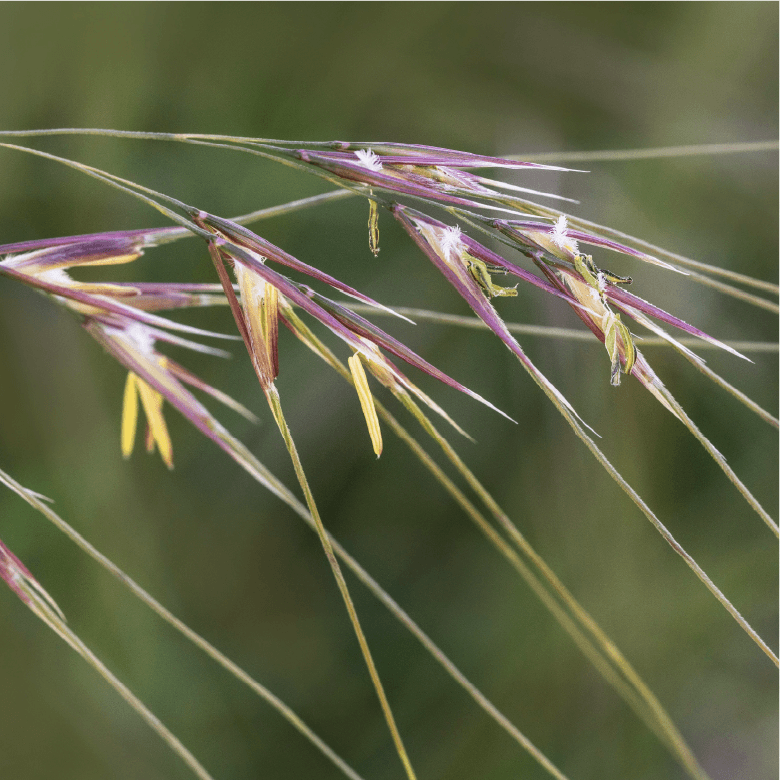
Purple Needlegrass (Stipa pulchra), California’s state grass, is a tough perennial bunchgrass with deep roots and high ecological value. Forming graceful bunches 1–3 feet tall, it produces slender purple-tinged flowering stalks in spring. Highly drought-tolerant and long-lived, it survives hot dry summers by going dormant and regreens with fall rains. It adapts to many soils—including heavy clays and serpentine—and its extensive roots help prevent erosion. In native prairies, it provides forage in winter/spring and critical wildlife habitat. A cornerstone of California restoration projects, it’s ideal for revegetating hillsides and creating authentic low-water landscapes.
This Purple needlegrass seed was originally collected from Riverside county and grown at Las Flores Farm in Santa Barbara county.
Specifications
Seeding Specs
Establishment Specs
Why Choose This Seed?
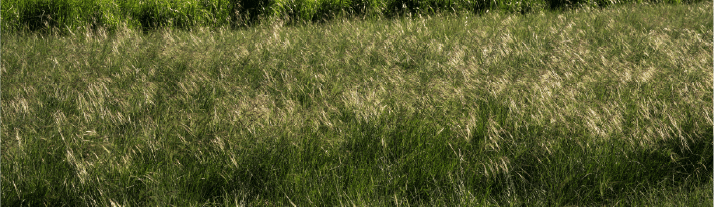
Superb Drought Resilience
Very deep roots access moisture and ensure survival in extreme drought.
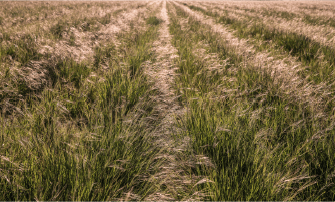
Erosion Control
Purple needlegrass has dense, deep root systems that bind soil—excellent for stabilizing slopes.
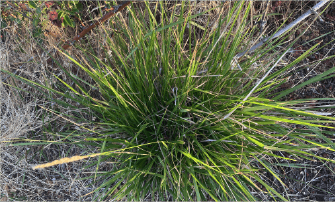
Native Habitat Value
This bunchgrass provides habitat cover and forage year after year, and is considered a foundational species in CA grasslands.
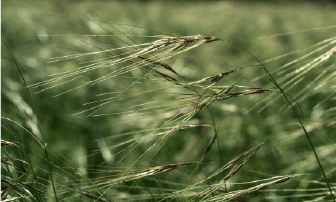
Adaptable & Hardy
Needlegrass thrives in sun/partial shade and many soil types. It is fire-tolerant and long-lived (a single plant can live more than 100 years!)
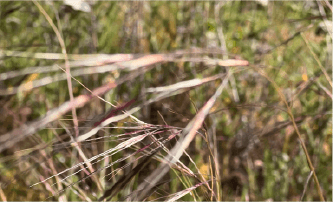
Restoration Essential
Due to its hardiness, habitat value, and carbon sequestration value, Purple Needlegrass is widely used in ecological restoration projects of many scales.
Planting Guide
When to Start & Weed Control
Start prepping your planting area in fall, so that you are ready to seed between late September and early February, when temperatures cool and rain is on the horizon.
Weed your growing area BEFORE planting any native seeds. We recommend not only pulling visible weeds but also “flushing out” the weed seeds that are waiting in the soil.
Irrigate the area and wait for weed seeds to germinate, then remove them using your method of choice. Irrigate again, wait, and perform another round of weed control.
Repeat 2-3 times.
Soil Prep
Ensure your soil is as bare as possible for the maximum amount of seed-to-soil contact.
If the entire area can’t be completely cleared, rake out as much dead plant material from the area as you can to create bare patches of soil for the seed to make contact with. For best results, the soil should be easily crumbled and not heavily compacted.
Seeding
It is best to seed onto slightly damp soil. If necessary, water the top 1/4 inch of soil before seeding. Scatter seed directly on the soil surface and rake gently or lightly press the seed into the soil. Do not bury the seed deeper than 1/4 inch into the soil.
Water
After planting, keep the top 1/4 inch of soil consistently moist until the seeds have germinated and the first true leaves have emerged.
A good rule is to water lightly every day intul the seedlings are an inch high, then you can reduce watering to every 3 days. Skip days when it rains.
Within 6 weeks after germinating, your plants should need only occasional watering. Don’t over-water your plants, especially in summer.
Helpful Resources
Wildflower Seed Planting Guide

How to Plant Wildflower Seeds: Our Ultimate Guide

The Ultimate Pollinator Seed Guide
Questions & Answers
Yes in winter/spring; avoid grazing after seeds harden due to sharp awns.
In deep soils, recorded to 5–16 ft.
Yes; increases coverage by self-seeding into open soil.
Cool-season growth; summer dormancy; flowers late spring.
Focus on weed control; mow high; avoid summer irrigation.
Keystone native grass; erosion control; habitat; drought hardy.
Still Have Questions?
Our seed experts are ready to help you find the perfect seed for your project.
1-866-322-7300 Ask a Seed ExpertCustomer Reviews
No reviews yet. Be the first to share your experience.
You May Also Like
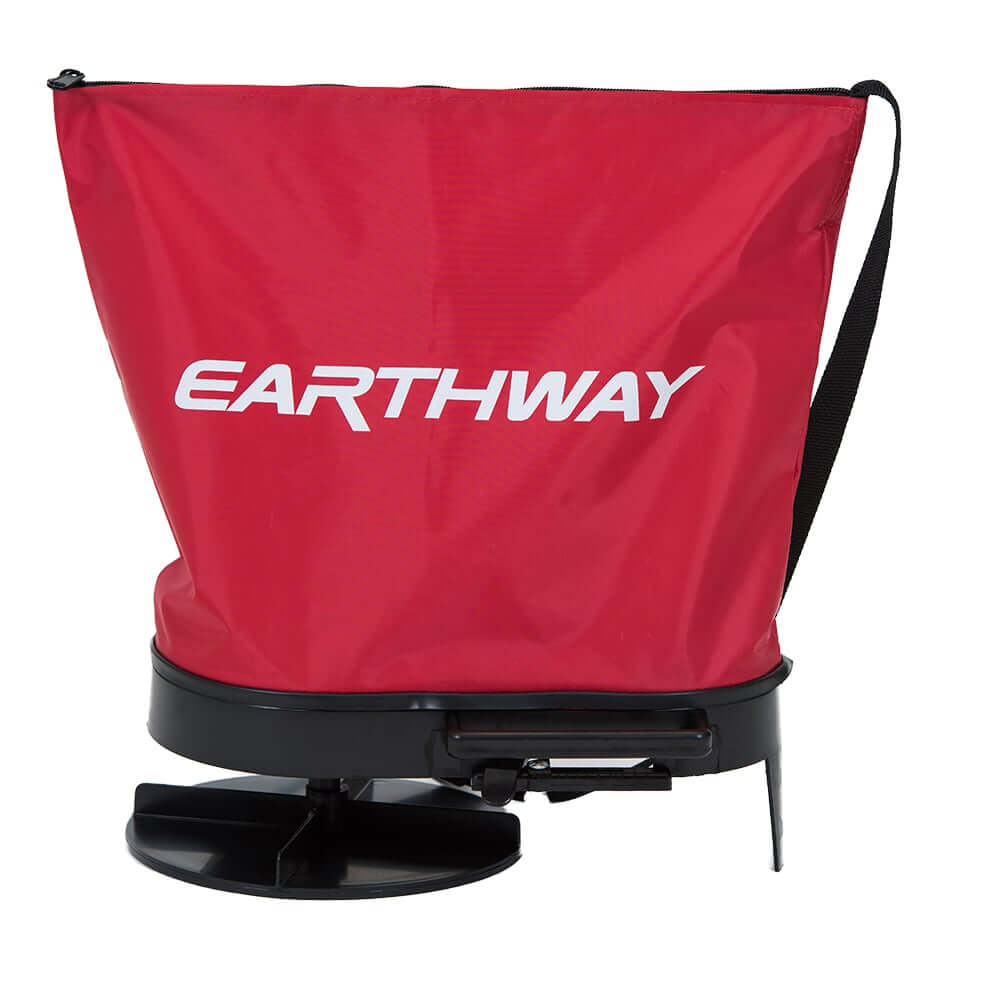
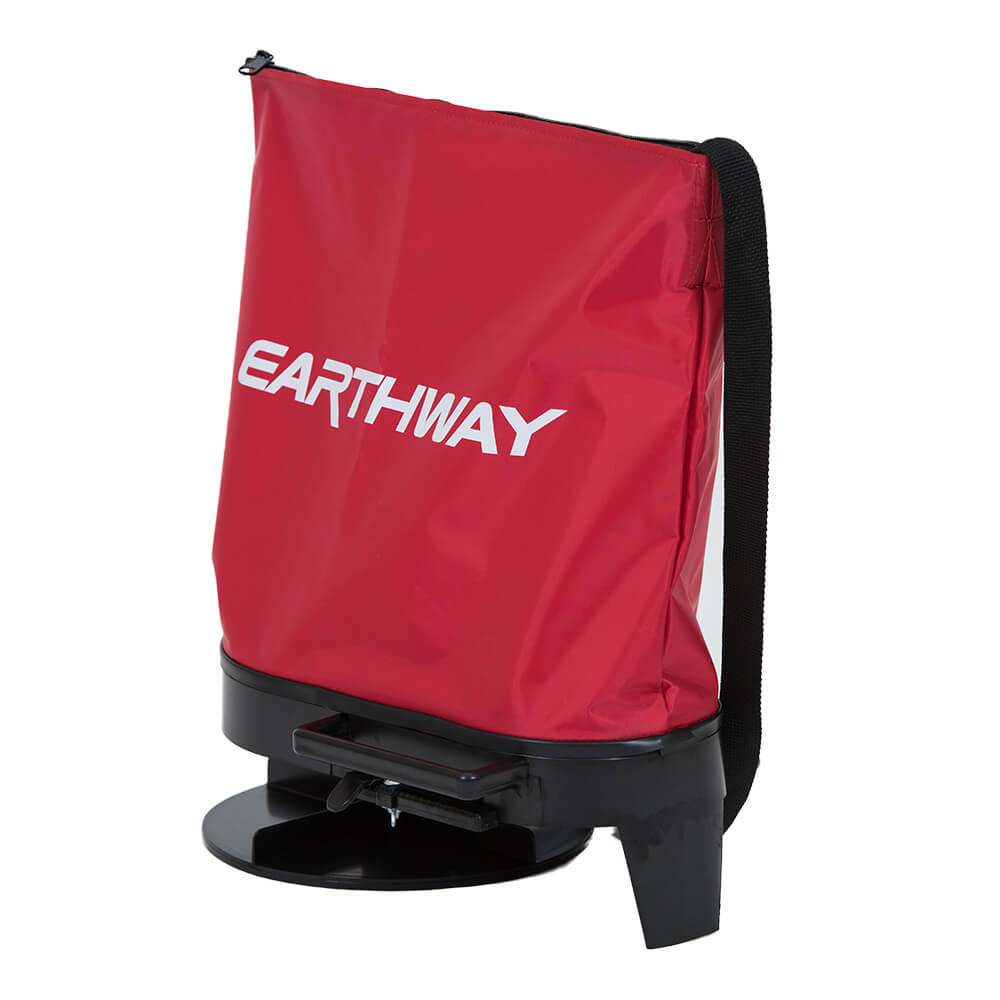
From Original price was: $97.99.$89.99Current price is: $89.99.
25 lb Capacity, Slopes & Hills, Seed & Fertilizer, Stores Flat
See Details about Shoulder Bag Seeder/Spreader