
The Best Grass Seed For New Jersey
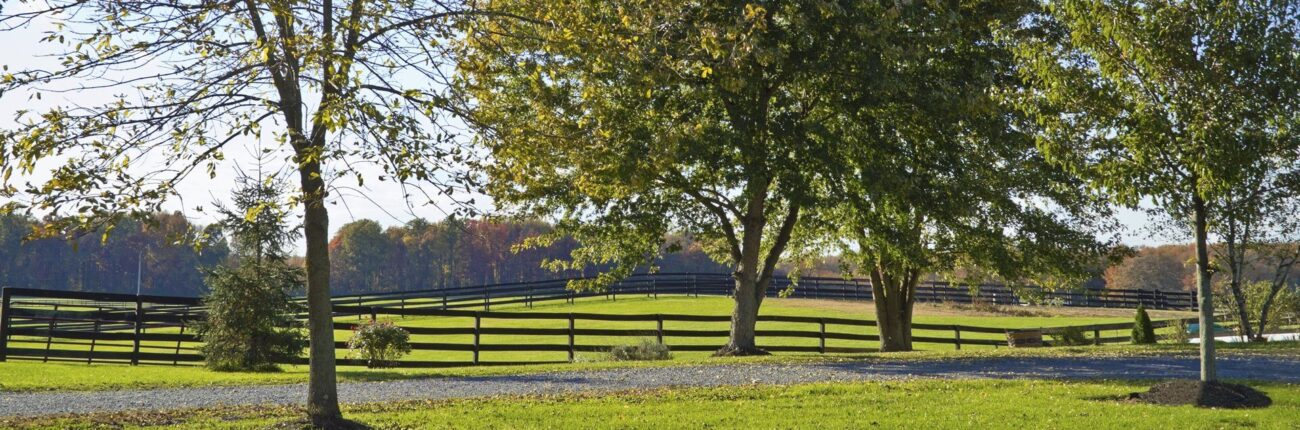
Available Pasture Mixes for New Jersey
- Big Game Food Plot & Forage Mix
- Chicken Forage Seed Mix
- Cool Season Cattle Pasture Seed Mix
- Full Potential Food Plot
- Green Screen Food Plot
- Honey Bee Cover Crop & Pasture Mix
- Horse Pasture Mix - Transitional
- Krunch and Munch Food Plot
- Llama & Alpaca Pasture Seed Mix
- Pig Pasture & Forage Mix
- Shade Mix Food Plot
- Sheep Pasture & Forage Mix - Transitional
Clover Seed for New Jersey


Specialty Seed for New Jersey

Wildflower Seed for New Jersey

Lawn Seed for New Jersey

New Jersey Grass Seed Guide: Thriving in the Transition Zone
Growing a lush lawn is rarely the problem—it’s maintaining your existing lawn that becomes an issue. Without proper care, your bed of green could quickly turn brown, patchy, and dry, or become overrun with weeds and drainage problems.
Knowing more about the growing conditions in New Jersey, choosing the right seed, and planting strategically allows you to grow and maintain a healthy lawn that you can call yours.
—
How is New Jersey’s Climate?
New Jersey is part of the country’s “transition zone.” This means the climate can swing wildly, with cool seasons too cold for warm-season grasses and warm seasons too hot for cool-season grasses.
The state resides in USDA Plant Hardiness Zones 6a to 7b:
- Northern Cities (Sussex, Morris): Zones 6a ($-10^\circ F$ to $-5^\circ F$) and 6b ($-5^\circ F$ to $0^\circ F$).
- Southern Cities (Cape May, Camden): Zones 7a ($0^\circ F$ to $5^\circ F$) and 7b ($5^\circ F$ to $10^\circ F$).
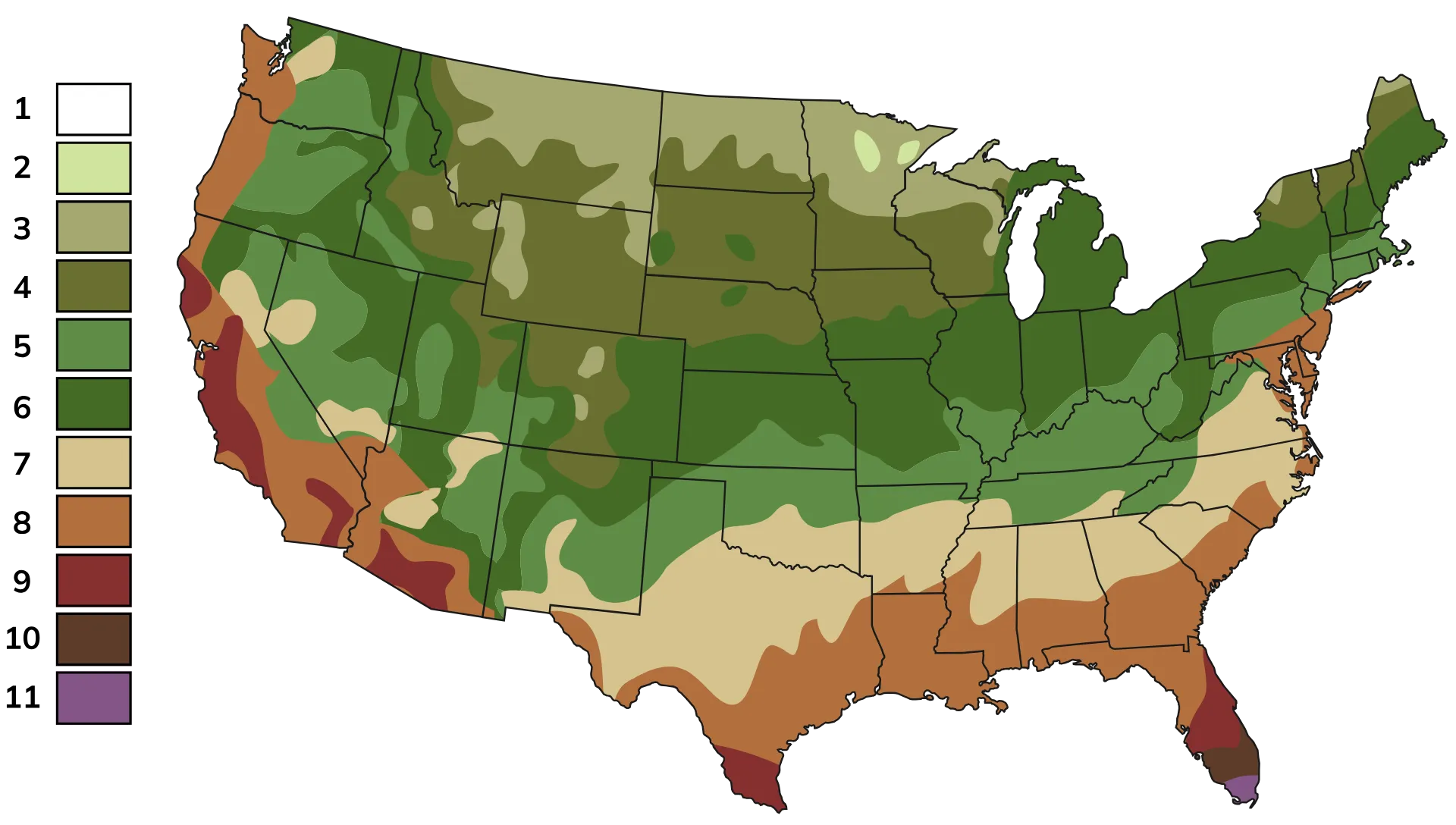
Source: Gardening Know How
The transition zone makes lawns vulnerable to weeds taking over in the cold and grasses dying from dry conditions or root damage in the heat. For this reason, a grass blend or a resilient cool-season grass is often the safest bet.
Best Lawn Grass Seeds for New Jersey
Due to New Jersey’s transition zone location, you can plant both cool-season and, in the warmest zones, warm-season varieties. However, cool-season grasses are generally more conducive for growth as they handle the cold winters better.
The two best times to plant are late spring (after temperatures rise) or, preferably, early fall (to establish roots before winter). Cool-season lawns are most vulnerable during the summer, making reseeding dead patches in the fall or spring an excellent way to revitalize the turf.
Fine Fescues
- Qualities: Have narrow leaf blades, offering great shade tolerance. They can withstand high pH environments.
- Use: Often used in turfgrass mixes. Due to their fine texture, mowing them can be challenging.
Kentucky Bluegrass
- Qualities: A beautiful, versatile grass with a dark green color that handles winters well and provides coverage during hot summer days.
- Planting: Seed in early spring or mid-fall. Avoid late fall due to rapidly approaching cold weather.
- Recommended Product: Kentucky bluegrass
Perennial Ryegrass
- Qualities: Known for its ability to withstand cold temperatures and heavy use/foot traffic. It forms a lush carpet that maintains color through winter seasons.
- Speed: One of the fastest germinating grass types, often sprouting in just two weeks, making it perfect for quick establishment.
- Recommended Product: Perennial ryegrass
Tall Fescue (The Transition Zone Winner)
- Qualities: Highly recommended for transition zones where other cool or warm-season grasses struggle. It grows quickly, is easy to establish, and is tough enough to withstand heavy foot traffic.
- Resilience: Tolerates heat and drought, is highly resistant to many turfgrass diseases, and can grow without worrying about poor soil quality.
- Recommended Product: Tall fescues
Zoysiagrass (Warm-Season Option)
- Qualities: A warm-season grass that stays brown well into spring before turning green again. It is easily spotted by its stiff, thick hair.
- Use: Best used in the warmer zones of Southern New Jersey. Be cautious, as the invasive Zoysia can spread aggressively.
- Recommended Product: Zoysiagrass
How to Take Proper Care of Grasses in NJ
Proper lawn care is essential for cultivating a lush, green lawn rather than a weed-infested yard. Follow these seasonal tips for proper grass care:
Spring
- Clean-up: Remove leaves and other debris to allow oxygen to reach the grass. Trim bushes and remove dead plants.
- Fertilize: Apply fertilizer around mid-March after frost has passed to restart growth. Avoid over-fertilizing.
- Weeds: Consider adding mulch or a pre-emergent to protect your lawn from early weeds.
Summer
- Weeds: Pull weeds from the roots immediately to stop them from spreading.
- Watering: Due to the heat, plants need more water, about one inch every week. Water your lawn when the sun is not around: before nighttime or before sunrise.
Fall and Winter
- Cleanup: Clear your lawn of dead leaves that create excess moisture and can cause lawn diseases.
- Winter Prep: Fertilize your lawn and water it regularly starting early fall to help it survive the cold temperatures.
- Mowing: Mow your lawn shorter than usual to discourage pests from turning your lawn into their winter home.
Find the Best Grass Seed to Plant in New Jersey with Nature’s Seed
New Jersey’s unique transition zone paves the way for different grass seeds to grow. While conventional wisdom encourages you to stick with cool-season grasses, you can experiment with warm-season grasses like Zoysiagrass, especially if you’re in the warmer southern zones.
Consider planting cool- and warm-season grass seed mixtures on your lawn. Blends possess the best characteristics of different grass species, helping you grow a much fuller, more resilient lawn that can withstand the extremes of the Northeast.
If you’re interested in learning more about how to approach planting grass seed in your New Jersey property, contact Nature’s Seed today. We can help ensure your lawn stays healthy all season long.
