
The Best Grass Seed For Michigan

Available Pasture Mixes for Michigan
- Big Game Food Plot & Forage Mix
- Chicken Forage Seed Mix
- Cool Season Cattle Pasture Seed Mix
- Full Potential Food Plot
- Green Screen Food Plot
- Honey Bee Cover Crop & Pasture Mix
- Horse Pasture Mix - Transitional
- Krunch and Munch Food Plot
- Llama & Alpaca Pasture Seed Mix
- Pig Pasture & Forage Mix
- Shade Mix Food Plot
- Sheep Pasture & Forage Mix - Transitional
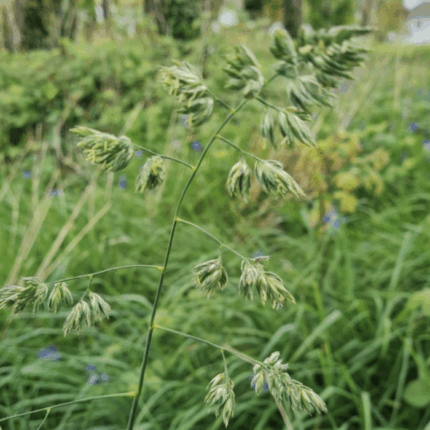
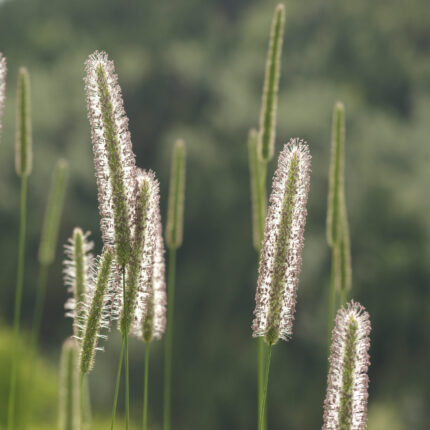
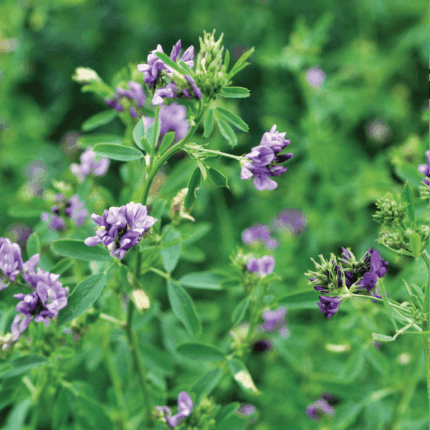
Clover Seed for Michigan

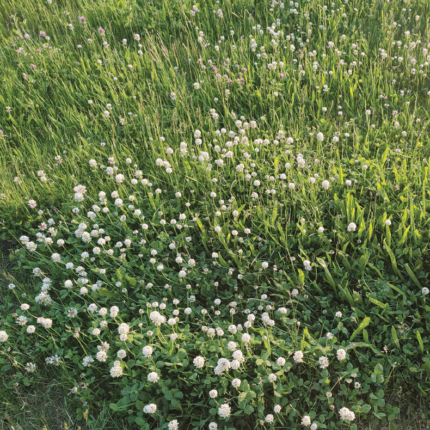
Specialty Seed for Michigan
Wildflower Seed for Michigan

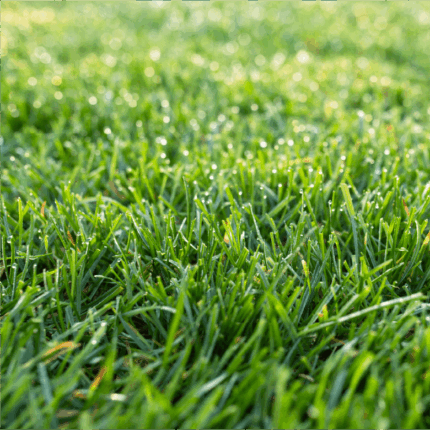
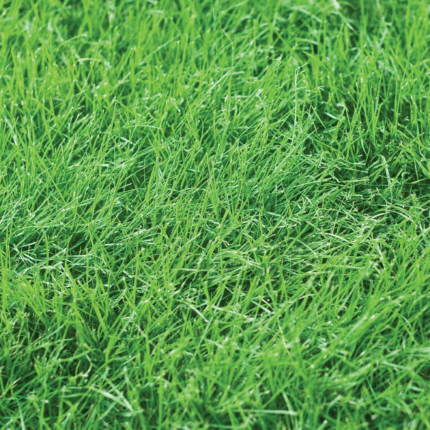
If you’re a homeowner in Michigan, knowing how to keep your existing lawn or garden neat is crucial. Beyond simply mowing, you’ll need to know how to find the right grass seeds to grow and reseed your property with—especially one that can withstand the state’s famously harsh winters.
This post will introduce homeowners to the basics of choosing the best grass seed to plant and grow on the lawn or garden in Michigan.
—
What is Michigan’s Climate?
Michigan is situated entirely within the Cool-Season Zone. It resides in USDA Plant Hardiness Zones 4a (winter lows as cold as $-30^\circ F$) to 6b (winter lows as low as $-5^\circ F$).
- Northern Michigan (Colder): Cities in zones 4a to 5a, located in the northern part of Michigan, experience the harshest winter weather.
- Southern Michigan (Milder): Zones 5b and 6b, located in the southern part (Lower Michigan), have slightly milder winters and warmer summers.

Source Gardening Know How
Due to its consistently cold climate, cool-season turf grasses are the only grass species that can survive and thrive in Michigan. When choosing a variety, prioritize those with proven winter hardiness to ensure survival across the entire state, especially in the northern areas.
Best Lawn Grass Seeds for Michigan
Optimal Planting Times
- Primary Planting (Best Time): Late summer (August or early September). The soil is warm enough to encourage rapid growth before winter dormancy sets in.
- Secondary Planting (Spring Reseeding): Mid-to-late spring after frost warnings are lifted. This is when soil temperatures reach $50^\circ F$ or more (ideally $60^\circ F$) for quick germination.
Source: Penn State Extension
Kentucky Bluegrass (Durability and Sand Tolerance)
Kentucky bluegrass is an excellent choice for Michigan’s lakeshore regions because it grows well in sandy soils. With its hardiness zones spanning from 2 to 7, it can be grown successfully across the entire state. It is known for its durable, self-repairing nature (thanks to rhizomes) and performs best on lawns that receive regular sun.
Fine Fescue (Shade and Dry Soil Tolerance)
Fine-leafed fescues are best adapted to dry conditions, shade, and well-drained soils. This makes them ideal for shaded residential areas or low-maintenance properties. Fine fescue is less demanding than bluegrass, requiring less fertilization or irrigation. Caution: Fine fescues will not tolerate wet or poorly drained soils, as excess moisture encourages fungal disease.
Perennial Ryegrass (Quick Germination)
Perennial ryegrass can grow quickly, germinating in as few as five days. This makes it an excellent choice for blending with slower-establishing seeds like Kentucky bluegrass, or for providing quick coverage in new lawns. However, it does not spread as much as other grasses and requires frequent watering and fertilization to look its best during hot and dry Michigan summers.
Tall Fescue (Heat and Drought Resistance)
Tall fescue is a tough grass that can handle Michigan’s cold winters, as well as summer heat and drought conditions. Tall fescue has deep, winter-hardy roots for survival during harsh conditions such as heavy traffic or extended dry spells. It is often the perfect grass for lawns in the warmer areas of Lower Michigan.
Rough Bluegrass (Wet, Shaded Sites)
The often overlooked Rough Bluegrass is a perfect choice for wet, shaded sites without full sun. These grasses grow in extreme shade conditions better than other grass types and thrive in moist soils. While it does not do well with direct sunlight or heavy traffic, its ability to survive under adverse, soggy, or dark growing conditions makes it a valuable component in specialty blends, particularly near golf courses or wooded areas.
How to Take Proper Lawn Care in Michigan
Cool-season grass requires proper year-round maintenance to prevent browning and loss of essential nutrients, especially during the warmer months.
Spring (March – May)
- Fertilize: Apply a light fertilizer to give the lawn nutrients to green up after winter dormancy.
- Weed Control: Apply a pre-emergent herbicide to prevent weeds like crabgrass from germinating. Pull or spot-treat existing weeds.
- Pest Control: Remove freestanding water to eliminate mosquito breeding grounds.
Summer (June – August)
- Watering: Water every two to three days, ensuring the lawn receives approximately 1-1.5 inches per week. The best time to water is in the morning to minimize evaporation.
- Mowing Height: Do not mow your grass too low. Raise your mower height to around 3.5 to 4 inches. Taller grass provides shade to the roots, which helps retain moisture in the soil longer.
Fall (September – November)
- Leaf Cleanup: Mow the lawn and mulch the leaves directly into the turf. This feeds the lawn with organic material, adding nutrients to the grass and soil.
- Gutter Cleaning: Clean gutters to prevent clogs and eliminate standing water that could serve as mosquito breeding grounds.
- Final Fertilization: A final, heavy application of fertilizer in late fall helps the grass store energy for winter survival and promotes a quick green-up in spring.
Winter (December – February)
- Avoid Traffic: Avoid walking on the lawn and plowing snow onto the grass. This prevents the formation of an ice layer and compacted soil, which hinders spring growth.
- Salt Management: Use minimal amounts of de-icing salt on sidewalks and driveways, as salt can severely dehydrate the lawn’s roots.
These are just some of the basics of the many lawn maintenance tips for the fall and winter.
Conclusion
When it comes to growing Michigan grass seed, the primary decision is choosing a cool-season variety that is cold-hardy and suited to your specific site conditions—whether it’s the sandy soil near the lakeshore (Kentucky Bluegrass) or a shaded area (Fine Fescue/Rough Bluegrass). It’s a matter of finding the grass types that check all the boxes on your property.
Since not all grasses are the same, planting a grass seed mixture well-suited to your region is often the best choice for new lawns. For example, erosion control blends have deep root systems to help stabilize the slopes in your yard and prevent soil from disappearing.
If you’re looking for the best grass seed for Michigan, reach out to us and we’ll be happy to help. We’ll provide you with suggestions on the best seeds to grow and give you advice on how to properly sustain their growth with fertilizer and proper watering.
