
The Best Grass Seed For Kansas
Growing Grass in Kansas: What You Need to Know
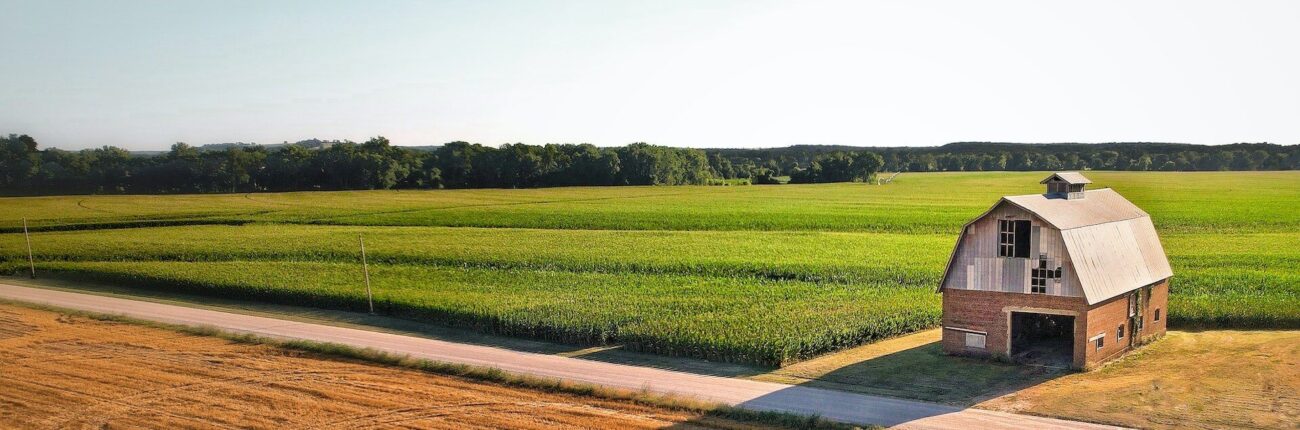
Kansas has one of the longest growing seasons in the country. With about 200 days available for growing and 230 days of sunshine per year, you have ample time to care for your lawn and ensure it can handle cold winter months and high summer temperatures.
The main challenge when growing grass in Kansas is that you need two types of grasses to achieve a healthy, lush lawn: warm-season grasses and cool-season grasses. Planting these varieties at different times of the year ensures year-round beauty.
You also need to watch out for drought conditions, particularly problematic in western and southern Kansas where annual rainfall is less than 20 inches. Before planting, understand your region’s growing conditions, climate, and best seed varieties for optimal results.
Kansas Climate & Growing Conditions
Kansas has 8 ecoregions with varying terrain and climate. The most significant distinction is between east and west.
Eastern Kansas
More rainfall: Over 40 inches per year
Less snow: Milder winters in southeast
Grass needs: Don’t require extreme drought tolerance, but expect frequent mowing due to abundant moisture
Western Kansas
Less rainfall: Under 20 inches per year
More snow: Heavier snowfall in northwest
Grass needs: Critical to choose drought-tolerant varieties like Buffalo grass or drought-resistant fescues
When to Plant Grass Seed in Kansas
🔥 Warm-Season Grasses: Plant December 1 to May 15. Earlier planting yields better results. After May, temperatures are too hot and seeds will likely burn before rooting.
❄️ Cool-Season Grasses: Plant in early fall (September). Don’t wait past October—seeds won’t penetrate hard soil and root properly.
Pro Tip: Most of Kansas is in the transition zone. Seed warm-season grass in December and overseed cool-season in September for year-round green lawns.
Temperature & Climate
While precipitation and terrain differ throughout Kansas, average temperatures remain consistent (in the 50s) across the state. However, soil can reach below-freezing temperatures, and summers can be hot—which is why Kansas property owners typically plant both cool-season and warm-season turfgrass.
Recommended Grass Seed for Kansas
Premium grass seed varieties specially selected for Kansas climate and growing conditions.
Frequently Asked Questions
Common questions about growing grass in Kansas
Key Takeaways
- ✓ Plant warm-season grasses (Dec 1-May 15) and cool-season grasses (early fall) for year-round beauty
- ✓ Western Kansas: Choose drought-tolerant varieties (Buffalo, Fine Fescue) due to under 20″ annual rainfall
- ✓ Eastern Kansas: More rainfall means frequent mowing; drought tolerance less critical
- ✓ Best warm-season: Buffalo grass (slow, drought-resistant) and Bermuda grass (fast-growing)
- ✓ Best cool-season: Fine Fescue (low-maintenance) and Kentucky Bluegrass (wear-tolerant)
Ready to Grow Your Kansas Lawn?
Choosing the right grass seed for your Kansas lawn means considering climate, growing seasons, drought tolerance, and maintenance requirements. When you plant both warm and cool-season grasses, you invest in year-round green beauty with high-quality turf and minimal maintenance.
Use Our Seed Selector ToolSince 1988: Nature’s Seed has been helping homeowners grow beautiful, resilient lawns across North America.
