
The Best Grass Seed For Indiana

Available Pasture Mixes for Indiana
- Big Game Food Plot & Forage Mix
- Chicken Forage Seed Mix
- Cool Season Cattle Pasture Seed Mix
- Full Potential Food Plot
- Green Screen Food Plot
- Honey Bee Cover Crop & Pasture Mix
- Horse Pasture Mix - Transitional
- Krunch and Munch Food Plot
- Llama & Alpaca Pasture Seed Mix
- Pig Pasture & Forage Mix
- Shade Mix Food Plot
- Sheep Pasture & Forage Mix - Transitional
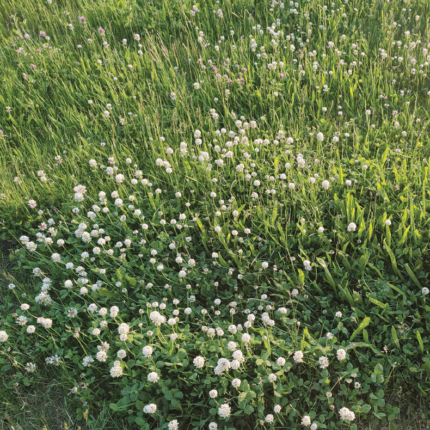
Clover Seed for Indiana
Specialty Seed for Indiana
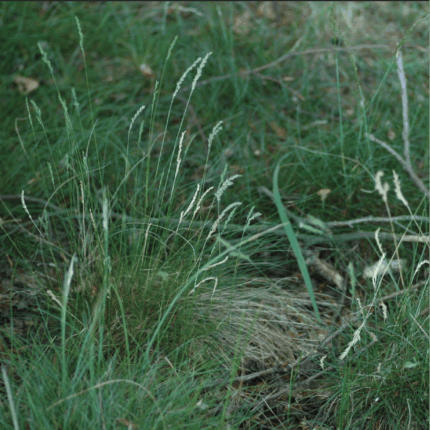
Wildflower Seed for Indiana

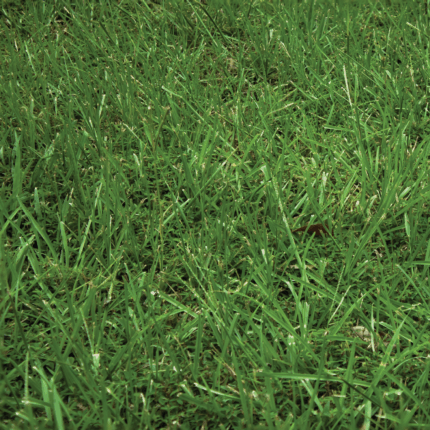
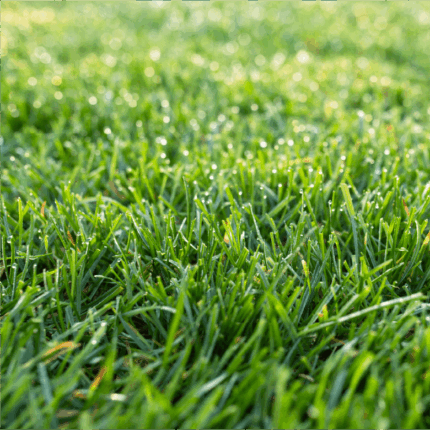
Choosing the Best Grass Seeds for Indiana Lawns and Challenging Soil Conditions
In Indiana, housing prices and inventory are sky-high, signaling new urban and suburban growth in the Crossroads of America. And the pride and joy of every new homeowner is a green, leafy front-yard lawn.
However, many Indiana residents are surprised to find the soil beneath them is thin and of poor quality. In fact, lawn experts say they could face persistent issues brought on by drought or pests, if the seeds even sprout at all. Indiana’s climate puts it in the Transition Zone, meaning it’s often too hot for cool-season grasses in summer and too cold for warm-season grasses in winter, making seed selection critical.
There are plenty of grass seeds you can grow in Indiana, but if you plant the wrong one, you’ll have a brown, patchy lawn. That’s why we’ve created this list of best grass seeds for Indiana, focusing on cool-season grasses which thrive in this region.
Growing Conditions in Indiana
Miami Soil is the official state soil of Indiana. You can find it in many different places around Indiana. Miami soils are well-drained and provide good fertility for agriculture with moderate water capacity.
This rich, black earth was formed in the harsh conditions 18 inches thick and made from loess or silty material on rolling hills with calcareous soils beneath it. The native vegetation consists mainly of hardwoods that thrive on the runoff from the soil’s efficient drainage.
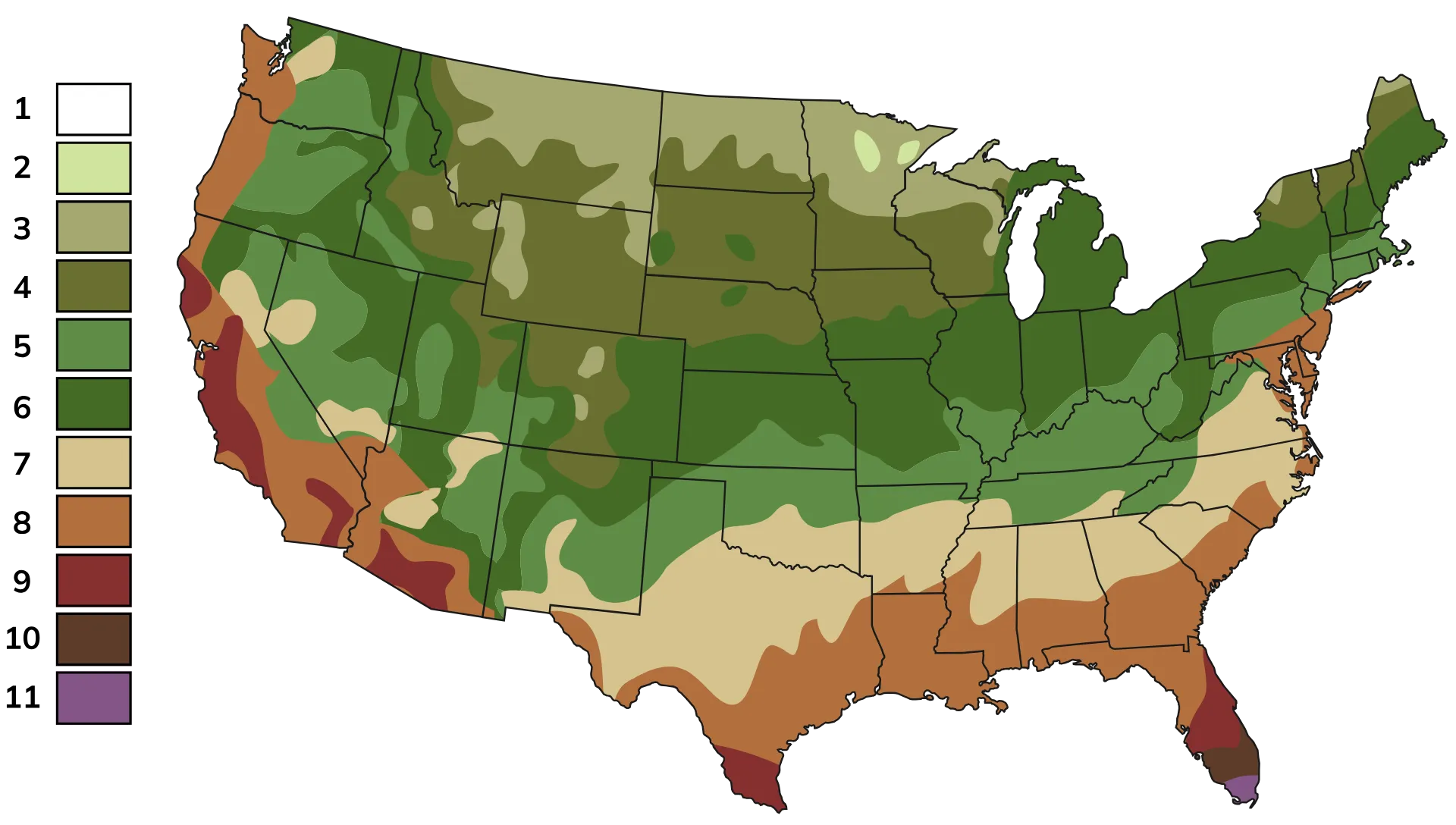
(Image Source: Purdue University)
Much of the soil of Indiana is a fine sandy loam that formed from decayed wood. This soil has many nutrients but lacks some trace elements, such as potassium and magnesium. The deeper layers of this soil are more fertile than ground-level ones due to different organic matter from drainage runoff. Good soil drainage is a positive factor for turfgrass, but careful nutrient management (fertilization) is still required.
Best Times to Plant Grass Seed in Indiana
The time of year you plant your lawn will depend on the grass seed type and the climate. Planting cool-season grass seed during Fall (late August to mid-September) is best, as the warm soil and cooler air temperatures are ideal for germination and root growth before winter.
Early Spring may be another option for those who want greener grass all year round, but summer heat can stress grass established in the spring more than fall-planted grass.
Best Grasses to Plant in Indiana
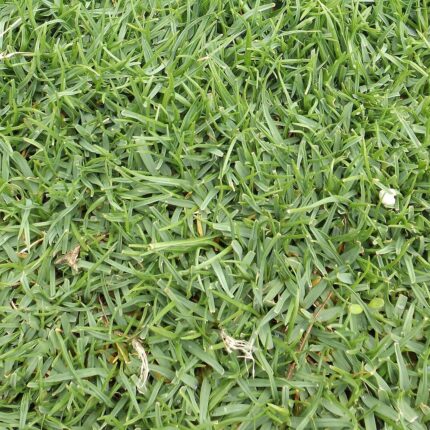
Zoysiagrass (Warm Season)
Zoysia grass is among the best (and one of the only) warm-season grasses for seed in Indiana. This choice is best for lawns that don’t get much rainwater or lack fertilization and care. Zoysia Grass greens up very fast when it rains.
Zoysia also requires little watering and maintenance because it has a superior grass roots system compared to other grass varieties. It’s the only warm season grass reliably grown in Indiana, although you can get away with a few others in the southern regions. Note: Zoysia goes dormant (turns brown) during winter.
Kentucky Bluegrass (Cool Season)
Kentucky bluegrass is the most common grass type for lawns because it grows well in nearly every cool climate. This grass prefers full sun and good soil moisture, but it can adapt to drought conditions due to its self-repairing rhizomes (underground stems).
It’s not advisable to plant Kentucky Bluegrass in the late Fall as it won’t germinate until Spring comes around. However, it performs well when you plant in the Spring or in the primary fall window when the soil is warm and moist.
Tall Fescue (Cool Season)
Tall fescue is a popular choice for those who want a low maintenance lawn, but it does require a fair amount of fertilizer and water to grow properly. It’s not advised that you plant tall fescue during the hot summer months as this type of grass prefers cooler weather. Tall fescue is often considered the most heat and drought-tolerant cool-season grass.
Fine Fescue (Cool Season)
Fine fescues are not as common or popular as other types, but they can also be excellent for poor soil. This type of grass is moderately shade tolerant, making it perfect for lawns with mature trees, but it isn’t drought tolerant and requires less maintenance than Kentucky Bluegrass.
Perennial Ryegrass (Cool Season)
Ryegrasses have better germination if they are planted in the Spring when they can grow all summer long. If planted during Fall, the results will be more successful when fertilized with nitrogen when spring rolls around—especially if you live in an infertile soil zone.
This type of grass prefers full sun and is excellent for drought regions. It is also often used as a nurse crop in seed mixes due to its rapid germination, which helps protect slower-establishing seeds.
Top Grass Seed Mixtures for Indiana Lawns & Pastures
Because Indiana is a challenging Transition Zone, grass seed mixtures that combine the best attributes of two or more grass types are often the most successful strategy for a homeowner.
For Shady Lawns
Fine Fescue mix is a perfect cool-season grass for those who live in chilly northern climates. It combines four low-growing fine fescues, including hard sheep chewings and creeping red variety, to create an attractive yet durable lawn that thrives under minimal watering conditions with little fertilizer required!
For Sunny Green Lawns
An 80/20 bluegrass and ryegrass mixture is the perfect combination to make a beautiful Kentucky Bluegrass lawn. The slow-growing green species will come in later on for color while quickly establishing themselves as well, thanks to the Ryegrass. So you can enjoy your new grass sooner than expected!
This seed mix is popular among people with residential areas or sports turf where children play outside often due to its durability under pressure from traffic.
For Pasture & Grazing
When it comes to growing pasture grass in the Midwest and Mid-Atlantic area, more than one type of seed is often needed. The climate can be tricky with wide temperature variations, requiring a resilient mix.
This Indiana pasture mix includes bluegrass, meadow brome, turf-type tall fescue, orchardgrass, and a sprinkling of Alfalfa seeds to help encourage high-quality forage with a very high nutrient value.
For Erosion Control
People often use this grass mix for erosion control. Wheatgrass, ryegrass, and bluegrass are all plants that grow quickly to stop soil loss while they knit together the ground. This helps turf stand strong against rainstorms or windblown dust storms. This blend of quick-growing, fibrous-rooted grasses is ideal for stabilizing slopes and vulnerable soil.
This grass seed blend is excellent if you want animals grazing on your land, since goats love eating tall grasses.
Conclusion
An alkaline soil and generally low elevation make Indiana the perfect place for cool-season grasses. Many homeowners love planting new lawn seeds and getting that beautiful green color in their front or back yards!
The best ones to choose from are Kentucky Bluegrasses because they have a great root system and excellent wear tolerance. Tall fescues varieties can also work well depending on what you’re looking for, especially if drought tolerance is a priority.
Getting these high quality products is easy. Nature’s Seed offers large packages at affordable prices and premeasured starter kits tailored exactly to your specific project’s goals.
So whether you’re looking for grass seeds, wildflower seeds, or organic compost, you can find exactly what you need at Nature’s Seed.
