
A Comprehensive Guide To Grass Seed Fertilizer for Your Lawn and Garden
Why Lawn Fertilizer Matters
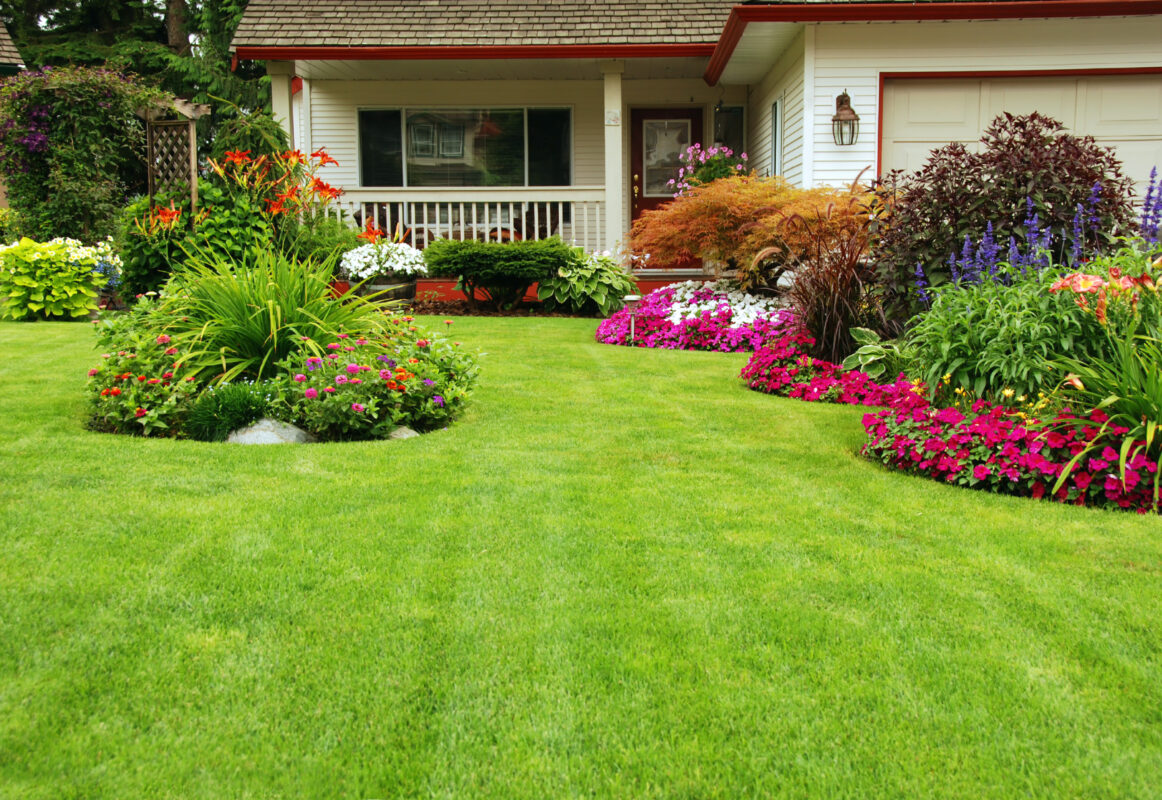
A well-maintained lawn provides a healthy habitat for wildlife, reduces noise, creates cooling effects during summer, and simply looks beautiful. Exposure to greenery reduces stress, improves attention, and increases happiness.
Growing healthy green grass takes work. Without proper techniques, your lawn could quickly turn patchy and brown. Lawn fertilizer provides essential nutrients—nitrogen (N), phosphorus (P), and potassium (K)—to avoid dead grass, weeds, insects, fungi, and brown patches.
Getting your fertilizer proportions wrong affects aesthetics and overall lawn health. The right choice can make or break your yard, so understanding fertilizer types, N-P-K ratios, and timing is crucial for success.
Understanding Fertilizer Types & N-P-K Ratios
All lawns require nitrogen (N), phosphorus (P), and potassium (K). The numbers on fertilizer bags tell you the formula and which type is right for your lawn.
Nitrogen
Makes grass greener and promotes lush, healthy leaf growth
Phosphorus
Promotes root development and helps establish new lawns
Potassium
Fights diseases and improves temperature tolerance
Organic Fertilizer
Made from natural minerals, manure, bone meal, or fish byproducts. Slow-release formula ideal for fall applications and maintenance.
Best for: Established lawns, soil improvement
Chemical Fertilizer
Derived from petroleum or rocks. Refined for quick absorption. Quick-release formula ideal for spring applications.
Best for: Spring prep, fast results
Starter vs. Maintenance Fertilizer
Starter (4-6-4): High phosphorus for new lawns. Promotes strong root development during germination.
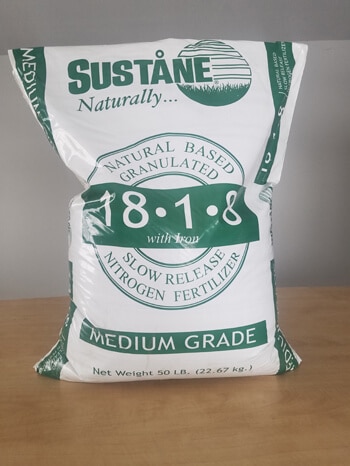
Maintenance (18-1-8): High nitrogen for established grass. Maintains lush growth and green color.
When & How to Apply Fertilizer
Timing is just as important as the type of fertilizer. Follow these seasonal guidelines and best practices.
🌱 Spring (April-June)
Ideal time to fertilize. Use chemical or organic with regular watering through summer. Prepares lawn for active growing season.
Tip: Test soil pH (aim for 6.5-7.0) before applying
☀️ Summer (July-August)
Not ideal for fertilizing. Heat dries soil, reducing effectiveness. Focus on mowing, watering, and weed prevention.
Tip: Apply crabgrass preventer instead
🍂 Fall (Sept-Nov)
Perfect timing for cool-season grasses. Early Sept: high-nitrogen with water. Late fall: add broadleaf weed spray.
Tip: Easier weed prevention than spring
✓ Application Best Practices
- Use a seed spreader for even distribution
- Follow package rates to avoid over-application
- Water immediately after fertilizing
- Sweep excess off sidewalks/driveways
- Aerate annually for better absorption
❄️ Winter: Skip Fertilizing Entirely
All recommendations agree: applying fertilizer during winter is ineffective. Snow and cold prevent nutrient absorption. Wait until spring.
Recommended Fertilizer Products
Professional-grade fertilizers and tools to help you achieve a beautiful, healthy lawn.


Frequently Asked Questions
Common questions about lawn fertilization
Key Takeaways
- ✓ Test soil pH (6.5-7.0 ideal) before choosing fertilizer
- ✓ Use starter (high-P) for new lawns, maintenance (high-N) for established
- ✓ Spring and fall are ideal seasons—avoid winter, summer acceptable
- ✓ Organic improves soil long-term; chemical delivers quick results
- ✓ Follow package rates and water immediately after application
Ready to Grow the Lawn of Your Dreams?
Now that you understand lawn fertilizer—types, N-P-K ratios, and seasonal timing—start planning your perfect lawn. Nature’s Seed has been helping homeowners achieve beautiful, healthy lawns since 1988.
Consult with Our ProfessionalsPro Tip: Use our Seed Selector tool to find grass varieties with superior drought tolerance and disease resistance.
