
Regen New Land Conversion Kit

SKU: BDL-NEWLAND

$171.99 $8.60/lb
  • Covers 5,000 sq ft
  • Seeding rate: 20 lbs per 5,000 sq ft (approximately 4 lbs per 1,000 sq ft at full suppression rate)
  • 20 lb bundle
Total Price: $171.99
Estimated Delivery: 15-18 business days
Looking for more than 200 lbs?

What is the Regen New Land Conversion Kit?

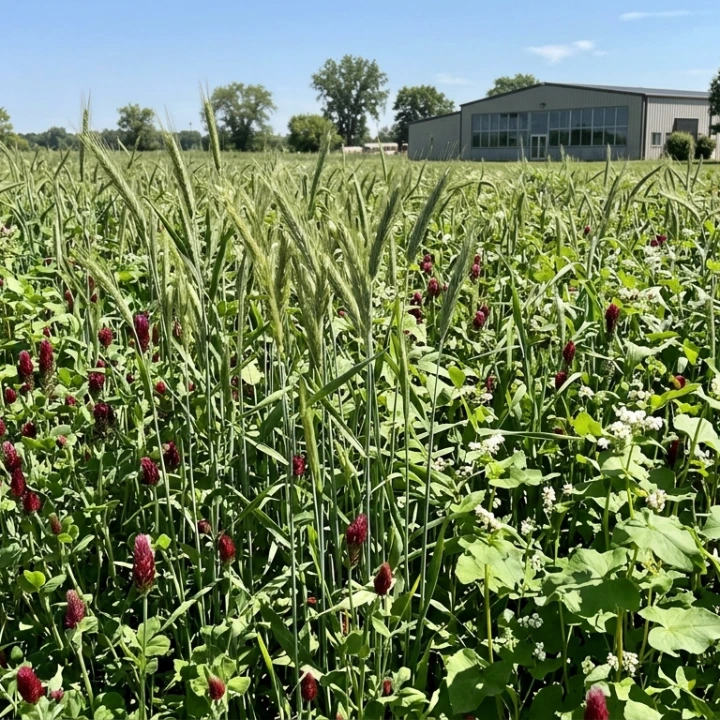
The Regen New Land Conversion Kit is a first-year establishment package for the most challenging scenario in regenerative agriculture: starting from scratch on ground that is degraded, weedy, compacted, conventionally managed, or simply neglected. This is not a refinement kit for already-healthy soil. It is a hard-reset tool designed to outcompete existing weed populations, begin rebuilding soil biology and fertility, and establish the cover that makes all subsequent management easier.

The logic of the kit is scale and rate. The same three species used in the Three-Way Starter Kit — Winter Rye, Crimson Clover, and Buckwheat — are applied here at significantly higher rates specifically to maximize canopy coverage and biomass in year one. Winter Rye at 10 lbs provides a dense, aggressive stand that physically crowds out annual and perennial weeds while producing a large volume of organic matter for incorporation. Crimson Clover at 5 lbs seeds densely enough to achieve canopy closure and aggressive nitrogen fixation even in competition with surviving weed populations. Buckwheat at 5 lbs provides immediate summer coverage during the warm-season window, scavenging phosphorus and closing ground before annual weeds can establish. Together, the 20 lbs of seed in this kit represents a deliberate, high-rate investment in suppression — the kind of first-year stand that changes a piece of ground from a weed factory into a productive, biologically active surface.

Specifications

Seeding Rate 20 lbs per 5,000 sq ft (approximately 4 lbs per 1,000 sq ft at full suppression rate)
Sun Requirements Full Sun (6+ hours) — all three species require full sun for maximum biomass and weed suppression
Time to Germinate Germination 5-10 days; Buckwheat provides canopy closure in 21-30 days; full biomass at 60-90 days

Seeding Specs

Water Needs Low to Moderate — tolerates dry conditions once established
Soil Preference Adaptable to degraded, compacted, low-fertility, and disturbed soils — designed specifically for difficult ground
Soil pH pH 5.5-7.5; wide tolerance appropriate for untested or unmanaged ground
Planting Depth 1/4 to 1 inch depending on species: broadcast all three together and firm with a roller or rake

Establishment Specs

Height Winter Rye: 3-5 ft; Crimson Clover: 12-24 inches; Buckwheat: 24-48 inches — dense, tall suppression canopy
Color Red/crimson flowers (clover); white flowers (buckwheat)
Uses Land Conversion, Cover Crop, Weed Suppression, Nitrogen Fixation, Soil Rehabilitation
Native/Introduced Introduced — all three species are Old World annuals naturalized in North America

Why Choose This Seed?

Maximum Suppression

The seeding rates in this kit are set at the high end of the recommended range for each species specifically to maximize weed suppression through canopy competition. Winter Rye at 4 lbs per 1,000 sq ft seeds at roughly twice the standard garden cover crop rate, producing a stand dense enough to close canopy within 2-3 weeks of emergence and physically crowd out most annual weeds before they can establish. Crimson Clover at 2 lbs per 1,000 sq ft produces a thick stand that fills in beneath the rye canopy and denies light and space to weed seedlings. The goal in year one on new land is total site domination — not a balanced mix, but a stand that wins.

Soil Fertility Reset

Degraded and conventionally farmed soils typically have low available nitrogen, depleted organic matter, and disrupted soil biology. The Crimson Clover in this kit, seeded at high density, can fix 100-150 lbs of nitrogen per acre when terminated at early bloom — equivalent to a full synthetic nitrogen application. When this biomass is incorporated, it feeds the soil biology that is responsible for rebuilding aggregate stability, water infiltration, and long-term fertility. A single high-density cover crop cycle like this one can measurably increase active carbon, microbial biomass, and available phosphorus compared to fallow or tilled ground in the same timeframe.

First-Year Transition Logic

The regenerative transition sequence on new land typically runs as follows: suppress existing vegetation with a high-biomass cover in year one, incorporate the biomass and begin permanent planting or permanent cover establishment in year two, and refine and expand in year three and beyond. This kit handles year one. The heavy-rate suppression seeding in this kit reduces the weed seed bank through competition and shading — a single season of heavy weed suppression can reduce viable weed seeds in the top 2 inches of soil by 40-70% relative to tilled fallow. That reduction compounds over subsequent years, making every subsequent season of management easier and less expensive.

Buckwheat as Fast Cover

Buckwheat germinates in 3-5 days and closes canopy within 3-4 weeks — faster than almost any other cover crop species available for temperate climates. On new land in the summer window, this speed is critical: exposed soil in summer is colonized by annual weeds within days of disturbance. Buckwheat outcompetes them by closing the canopy before they can establish. It also exudes organic acids from its roots that solubilize phosphorus bound to soil minerals, making that phosphorus available to the following crops. Buckwheat winterkills reliably at 28°F, terminating naturally without management and leaving a layer of biomass that protects the soil surface through fall.

Rye as Soil Builder

Winter Rye seeded at 4 lbs per 1,000 sq ft will produce 4-6 tons of dry matter per acre in a full-season stand — the highest above-ground biomass of any common cover crop at standard rates, and even more at the heavy rate in this kit. That biomass represents an enormous input of carbon into the soil system: carbon that feeds bacteria and fungi, stabilizes soil aggregates, and builds the long-term organic matter that is the foundation of soil health. Rye's allelopathic compounds suppress germination of small-seeded weeds for 3-6 weeks after termination, providing a suppression window that extends the benefit of the cover crop past the day of incorporation.

How to Use the Regen New Land Conversion Kit

Site Prep

The prep requirement depends on the starting condition of the land. On recently tilled or bare ground, no additional prep is needed — broadcast directly at the full kit rate. On weedy fallow or sod-covered ground, mow closely or apply a non-residual burndown (glyphosate or equivalent) and allow 2 weeks before seeding. Avoid residual herbicides that persist in the soil — they will suppress germination of cover crop species as readily as weeds. On ground with severe soil compaction, a single subsoiler or deep chisel pass before the first seeding will improve establishment significantly and is worth the effort on land with documented hardpan. Do not apply lime until after the first cover crop cycle if ground has not been recently tested — the wide pH tolerance of all three species means the first-year stand will succeed without it.

Seeding

Broadcast all three species together (or in sequence by species) at the combined rate of 4 lbs per 1,000 sq ft across the target area. A hand-crank spreader, chest spreader, or small push spreader all work for areas under 5,000 sq ft. Rake lightly after broadcasting to partially incorporate seed, then firm the surface with a lawn roller, cultipacker, or the back of a flat rake. Good seed-to-soil contact is critical — do not leave seed loose on the surface. If drilling is available, drill at 3-3.5 lbs per 1,000 sq ft at 1/2 inch depth. Inoculate crimson clover seed with Rhizobium leguminosarum before mixing with the other species. Seed within 24 hours of inoculation.

Establishment

Germination begins in 5-10 days under adequate moisture and temperatures above 45°F. The dense seeding rate means the stand will close canopy faster than standard-rate cover crop seedings — expect visible ground coverage within 14-21 days. Do not apply any herbicide after seeding. Weed pressure during establishment should be managed by trusting the stand density to suppress weeds mechanically — the heavy seeding rate in this kit is designed specifically to outcompete weeds without post-emergent intervention. If broadleaf weeds are extremely heavy in the first 30 days, a single mow at 4-6 inches will knock back annual weeds without damaging the establishing rye and clover. Buckwheat is frost-sensitive — do not seed the buckwheat component after the expected first frost date in your zone.

Termination and Next Steps

Terminate the winter rye and crimson clover stand at early crimson clover bloom in spring — typically April to June depending on zone. At this point the stand is at peak biomass and nitrogen content. Options: roll-crimp for no-till systems, mow and leave as surface mulch, or till to 4-6 inch depth for incorporation. After termination, wait 2-3 weeks before establishing the next phase of your system. In a full regenerative transition, year two typically involves seeding a permanent pasture mix, establishing perennial plantings, or beginning a cash crop rotation. The suppression and fertility work done in year one makes all of these subsequent steps more likely to succeed and easier to manage than starting on unsuppressed, unfertilized ground.

Questions & Answers

What makes this different from the Three-Way Starter Kit?
The Three-Way Starter Kit (BDL-REGEN-3WAY) uses the same three species but at standard cover crop rates for incremental soil improvement in existing garden and farm contexts. BDL-NEWLAND uses significantly higher rates — nearly double the per-square-foot seeding density — specifically to achieve maximum suppression and biomass production in the most challenging establishment environments. The starter kit is for growers who already have reasonably functional ground and want to add cover cropping to their rotation. This kit is for land that requires a hard reset: persistent weed infestations, depleted fertility, compacted structure, or a history of conventional management that has degraded soil biology. If you are not sure which kit is right for you, consider the current condition of your land: if you can grow a decent vegetable crop in it today, start with BDL-REGEN-3WAY. If you would struggle to grow anything decent in it today, start here.
Can I use this on former lawn or turf?
Yes, and transitioning lawn to productive ground is one of the most common use cases for this kit. Lawn soil is typically compacted from years of foot traffic and mowing, low in organic matter, and dominated by perennial grasses that compete strongly with anything you try to establish. The recommended protocol for lawn conversion: mow the existing lawn as short as possible, then either till the top 2-4 inches or smother with cardboard and a thin layer of compost before seeding. If using cardboard smother, seed on top of the cardboard-compost layer in fall and allow winter rain and freeze-thaw to drive seeds into contact with the soil below. If tilling, broadcast and firm immediately after tillage before weed seeds germinate. The heavy seeding rate in this kit will outcompete most perennial grass regrowth in the first season.
Do I need to till before seeding?
Tilling is not required, but it helps on the most compacted or sod-covered ground. The three species in this kit — particularly buckwheat — can germinate and establish on unworked or minimally disturbed soil if there is adequate moisture and seed-to-soil contact. A light disc pass, rotary tilling to 2-3 inches, or even a single pass with a chisel plow will improve establishment significantly on hard, compacted ground. On relatively loose or disturbed ground (abandoned crop fields, tilled areas, burned areas), broadcast directly without tillage and firm with a roller. The minimum requirement is that seed makes contact with mineral soil — broadcasting onto a thick thatch layer without any soil disturbance will result in poor germination regardless of the seeding rate.
What is the best time of year to start the conversion?
The most effective conversion protocol uses both planting windows available in this kit: seed buckwheat in late spring (May-June) for summer suppression, then follow with winter rye and crimson clover in late summer (August-September) after the buckwheat winterkills or is terminated. This two-window approach gives you a full growing season of suppression before winter, followed by a second round of heavy cover through winter and spring. If you can only plant once, a late summer seeding of rye and clover alone (without buckwheat) is the most reliable single-planting option — fall establishment of winter rye and crimson clover is well-documented and provides the best first-year suppression and nitrogen contribution in a single seeding.
Will the cover crop attract rodents or pest insects?
Dense cover crop stands do provide habitat for small mammals and some pest insects, and this is a legitimate management consideration. Winter rye in particular can shelter voles in winter, which may damage tree roots or perennial plantings in or near the cover crop area. If rodent pressure is a concern, terminate the rye stand before it becomes so dense that it provides protected runways, and maintain a 2-3 foot clear zone around any trees or woody plants in the area. On the beneficial side, dense flowering cover crops — especially crimson clover and buckwheat — significantly increase beneficial insect populations (predatory wasps, ground beetles, lacewings) that suppress aphids, whiteflies, and caterpillar pests in adjacent plantings. The net effect in most management contexts is strongly positive.
How many years of cover cropping does it take to fully convert degraded land?
There is no universal answer, but a practical framework: after one year of heavy-rate cover cropping with this kit, you should see visible improvements in soil physical structure, a meaningful reduction in weed seed bank pressure, and early signs of biological activity (earthworms, improved aggregate stability). After two full cycles, most formerly degraded ground is ready for productive use — vegetable production, permanent pasture, perennial plantings, or orchard establishment. Achieving measurable gains in total soil organic matter percentage takes longer — typically 3-5 years of consistent cover cropping — because organic matter builds slowly at 0.1-0.3% per year under optimal management. The biological and physical improvements happen faster and deliver practical productivity benefits long before the organic matter numbers catch up on a standard soil test.

Still Have Questions?

Our seed experts are ready to help you find the perfect seed for your project.

1-866-322-7300 Ask a Seed Expert

Customer Reviews

No reviews yet. Be the first to share your experience.

You May Also Like
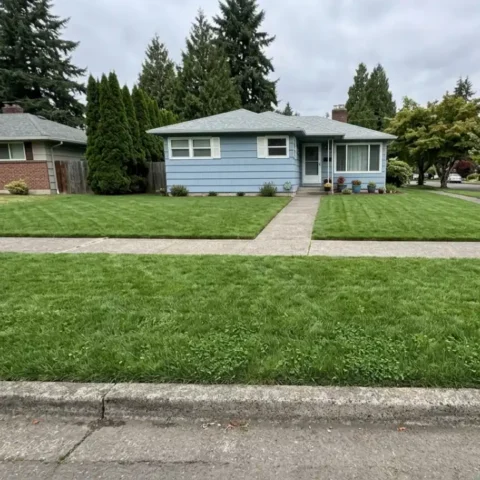
Cool-Season Xeric Lawn Builder

Year-Round Green Covers 3,000 Sq Ft

From $299.99

Zones 5–7, Deep Root System, Low Mow Frequency, Self-Fertilizing

See Details about Cool-Season Xeric Lawn Builder
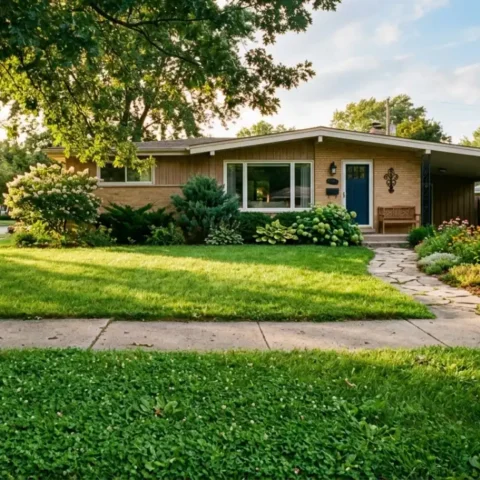
HOA-Friendly Native Lawn Alternative

HOA Appearance Ready 60% Less Water

From $429.99

Covers 3,000 Sq Ft, 4-Season Coverage, Zones 4–9, Self-Fertilizing

See Details about HOA-Friendly Native Lawn Alternative
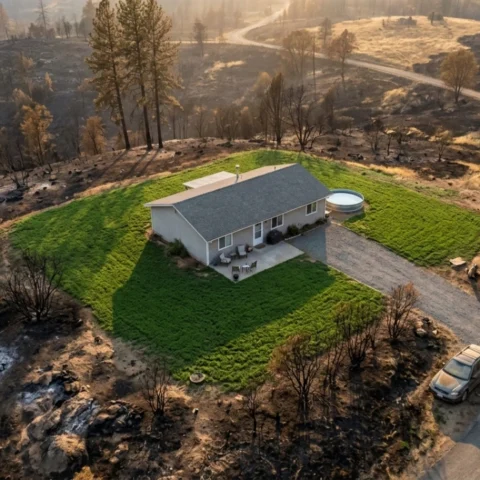
Fire-Wise Defensible Space Kit

Low Fuel Load Covers 2,500 Sq Ft

From $345.99

Zone 1 Ready, Stays Green Longer, Native Species, No Fillers

See Details about Fire-Wise Defensible Space Kit
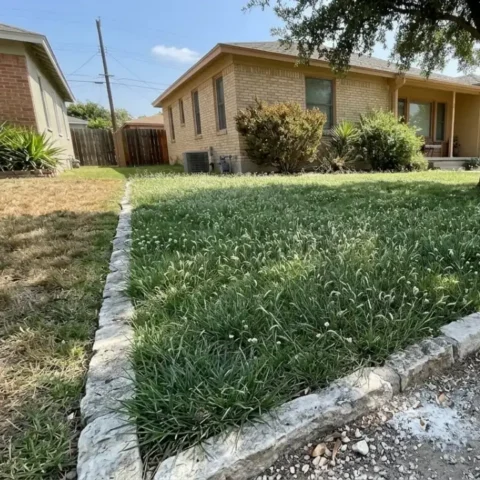
Texas Drought-Defy Bundle

Texas Native Species Covers 3,000 Sq Ft

From $305.99

Heat to 110°F, Self-Fertilizing, Zones 5–10, No Fillers

See Details about Texas Drought-Defy Bundle