
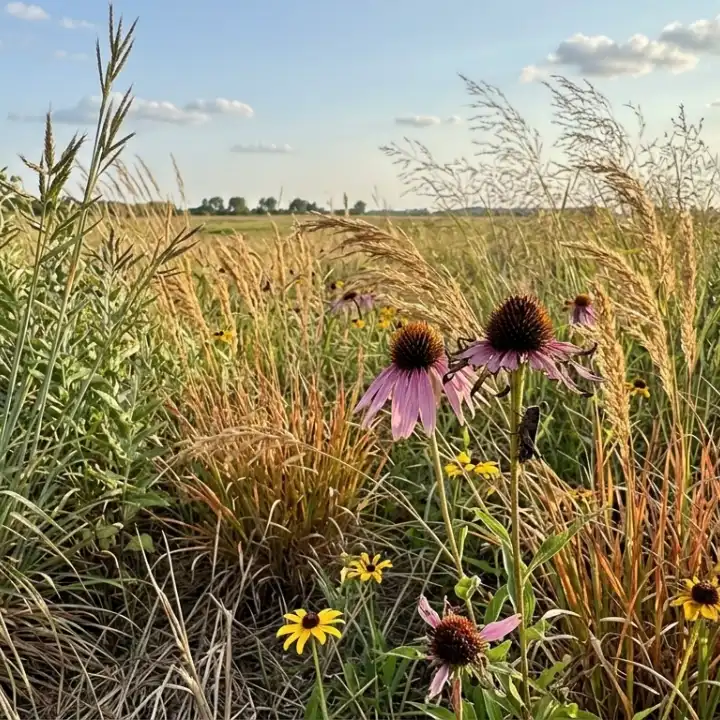
Tallgrass Prairie Restoration Mix

SKU: BDL-TALLGRZ

$385.99 $48.25/lb
  • Covers 1 acre
  • Seeding rate: 8 lb per acre (PLS basis)
  • 8 lb bundle
Total Price: $385.99
Estimated Delivery: 15-18 business days
Looking for more than 200 lbs?

What is the Tallgrass Prairie Restoration Mix?

The Tallgrass Prairie Restoration Mix is an ecologically grounded native seeding blend designed to reconstruct the species composition and ecological function of North America's original tallgrass prairie biome. It is not a decorative wildflower mix. It is a serious restoration tool built around the four dominant warm-season grasses of the historic tallgrass system — Big Bluestem, Little Bluestem, Indiangrass, and Switchgrass — complemented by two of the most ecologically valuable native forbs, Purple Coneflower and Black-Eyed Susan. This combination establishes the structural framework that attracts ground-nesting birds, supports native bee populations, sequesters carbon in deep root biomass, and produces the fire-adapted resilience that characterized the original prairie ecosystem.

What's in This Bundle


Specifications

Seeding Rate 8 lb per acre (PLS basis)
Sun Requirements Full Sun
Time to Germinate Perennial — full expression in year 2–3

Seeding Specs

Water Needs Low — highly drought tolerant once established
Soil Preference Adaptable — loam, clay, sandy loam, rocky
Soil pH 5.5 – 7.5
Planting Depth 1/8 – 1/4 inch

Establishment Specs

Height 24 – 72 inches
Color Purple, Yellow (forbs); bronze, copper (grass fall color)
Uses Prairie Restoration, Wildlife Habitat, CRP, Carbon Sequestration, Pollinator
Native/Introduced Native to North America

Why Choose This Seed?

Authentic Prairie Grasses

Big Bluestem, Little Bluestem, Indiangrass, and Switchgrass are the four cornerstone grasses of the original tallgrass prairie. Together they formed the foundation of ecosystems that built 6–10 feet of topsoil over thousands of years. These species bring that soil-building potential to modern restorations through deep root biomass and annual litter deposition.

Pollinator Support

Purple Coneflower and Black-Eyed Susan are among the most productive native pollinator plants in North America. Coneflower provides extended summer bloom from July through September, attracting bumblebees, mining bees, sweat bees, and monarch butterflies. Black-Eyed Susan blooms slightly earlier and provides abundant pollen for native bees during peak colony-building season.

Wildlife Habitat

Established tallgrass prairie stands provide nesting cover for bobolinks, dicksissels, grasshopper sparrows, and other declining grassland bird species. Seed heads of Indiangrass and Big Bluestem are consumed by sparrows and finches through fall and winter. Switchgrass provides dense low cover critical for prairie chicken broods and pheasant wintering.

Carbon-Sequestering Roots

The original tallgrass prairie stored massive amounts of carbon — not in its aboveground biomass, but in the deep root systems that extended 8–12 feet below the surface. Big Bluestem and Switchgrass rebuild this root architecture, transferring atmospheric carbon into stable soil organic matter that persists for centuries when left undisturbed.

Fire-Adapted System

All six species evolved with periodic fire as the primary disturbance agent. Prescribed burning every 3–5 years is the most ecologically authentic and cost-effective management tool for maintaining species diversity, controlling woody encroachment, and stimulating vigorous regrowth. Without disturbance, tallgrass prairie eventually succeeds to shrubland.

How to Use the Tallgrass Prairie Restoration Mix

Site Prep

Weed control before seeding is the most important investment in a prairie restoration. Kill existing sod or weeds with herbicide in fall, allow a second weed flush, terminate again before seeding. Clean, weed-suppressed ground gives slow-germinating native species the competitive edge they need during the vulnerable first-year window.

Seeding

Drill at 1/8 inch depth with a native grass drill or Brillion seeder. Do not bury seed deeper than 1/4 inch. For dormant seeding, broadcast in November–December before freeze-up and allow natural snow cover to press seed into soil contact. Spring seedings should be completed before soil temperatures exceed 60 F to avoid competing weed flushes.

Establishment

Year one is a root-building year. Expect 3–6 inch rosettes on native grasses with little showy growth. Mow at 8 inches if annual weeds threaten to shade out seedlings — but do not mow below 6 inches. Coneflower and Black-Eyed Susan may bloom in year one or two. Native grasses typically begin vertical growth in year two.

Termination or Management

This is permanent native infrastructure — not intended for termination. Manage with prescribed fire every 3–5 years, late-winter mowing, or light grazing during the dormant season. Prevent woody encroachment by removing shrubs and trees in the stand perimeter annually. Leave standing seed heads through winter for wildlife value.

Questions & Answers

Why does native prairie take so long to establish?
Native warm-season grasses prioritize root development over visible aboveground growth. In the first year, up to 80% of the plant's biomass is below ground. This root-first strategy is what enables 50+ year stands that persist through drought, fire, and heavy grazing — but it requires patience during the establishment phase.
Do I need to do a prescribed burn?
Prescribed fire is the most ecologically effective management tool for tallgrass prairie, but it is not mandatory. Late-winter mowing and removal of cut material is a viable alternative in regions or settings where burning is not permitted or practical. Without some form of disturbance, expect gradual decline in species diversity as shrubs encroach.
Is this mix appropriate for my region?
This mix is best suited for the central and eastern U.S. — the historical tallgrass prairie range from the Dakotas and Kansas through Indiana and Ohio. Big Bluestem and Indiangrass are not well-adapted to the deep South or the arid West. Contact our seed experts if you are outside this region and we can recommend a more appropriate native blend.
How do I manage weeds in a native prairie restoration?
Mowing is the primary weed management tool in year one and two. Mow at 8 inches whenever annual weeds reach 12 inches. This prevents weed canopy closure without harming the slower-growing native seedlings below. Avoid broad-spectrum herbicide after seeding — it will damage the native seedlings. Selective broadleaf herbicides can target problem species if mowing alone is insufficient.
What wildlife will this mix attract?
A well-established tallgrass prairie stand attracts grassland-obligate birds (bobolinks, meadowlarks, dickcissels), native bees, monarchs and other butterflies, and small mammals. Switchgrass provides winter cover for pheasant. Indiangrass and Big Bluestem seed heads feed sparrows and finches from October through March. Purple Coneflower seed is consumed by American goldfinch.
Can I use this mix for a conservation program like CRP?
Yes. Native warm-season grass and forb mixes are the standard approved planting for most CRP practices, including CP-1, CP-2, CP-25, and CP-88 (Pollinator Habitat). Verify specific species requirements with your local FSA office before purchasing — required species lists can vary by state and practice code.

Still Have Questions?

Our seed experts are ready to help you find the perfect seed for your project.

1-866-322-7300 Ask a Seed Expert

Customer Reviews

No reviews yet. Be the first to share your experience.

You May Also Like
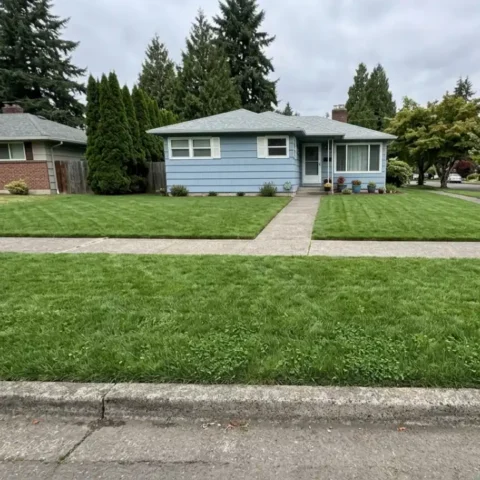
Cool-Season Xeric Lawn Builder

Year-Round Green Covers 3,000 Sq Ft

From $299.99

Zones 5–7, Deep Root System, Low Mow Frequency, Self-Fertilizing

See Details about Cool-Season Xeric Lawn Builder
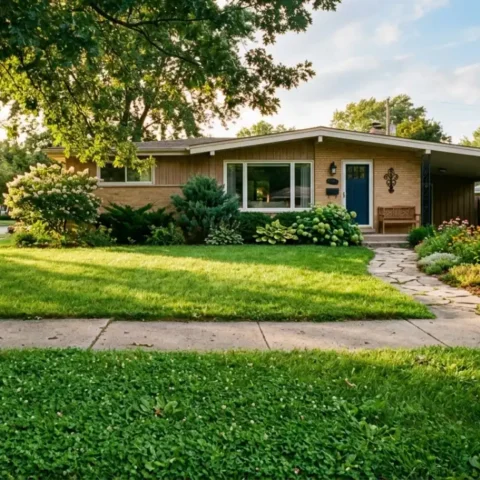
HOA-Friendly Native Lawn Alternative

HOA Appearance Ready 60% Less Water

From $429.99

Covers 3,000 Sq Ft, 4-Season Coverage, Zones 4–9, Self-Fertilizing

See Details about HOA-Friendly Native Lawn Alternative
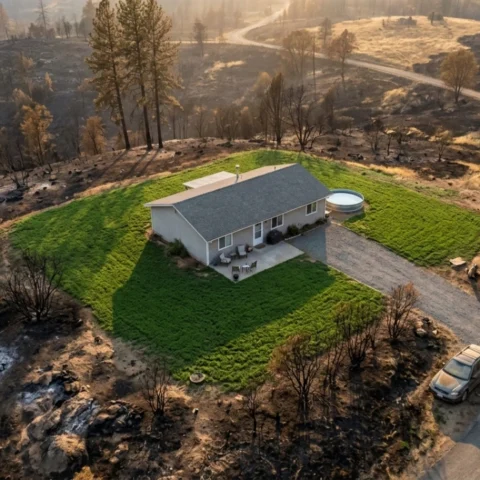
Fire-Wise Defensible Space Kit

Low Fuel Load Covers 2,500 Sq Ft

From $345.99

Zone 1 Ready, Stays Green Longer, Native Species, No Fillers

See Details about Fire-Wise Defensible Space Kit
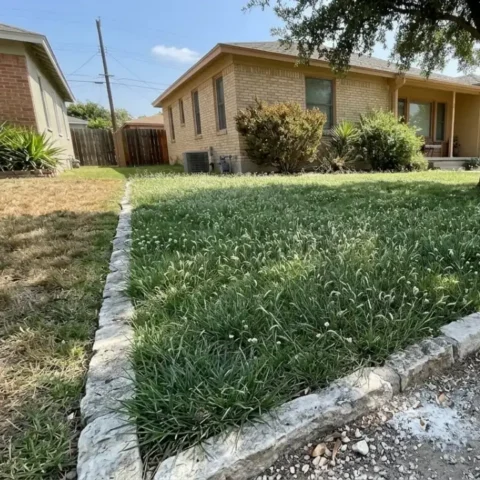
Texas Drought-Defy Bundle

Texas Native Species Covers 3,000 Sq Ft

From $305.99

Heat to 110°F, Self-Fertilizing, Zones 5–10, No Fillers

See Details about Texas Drought-Defy Bundle