
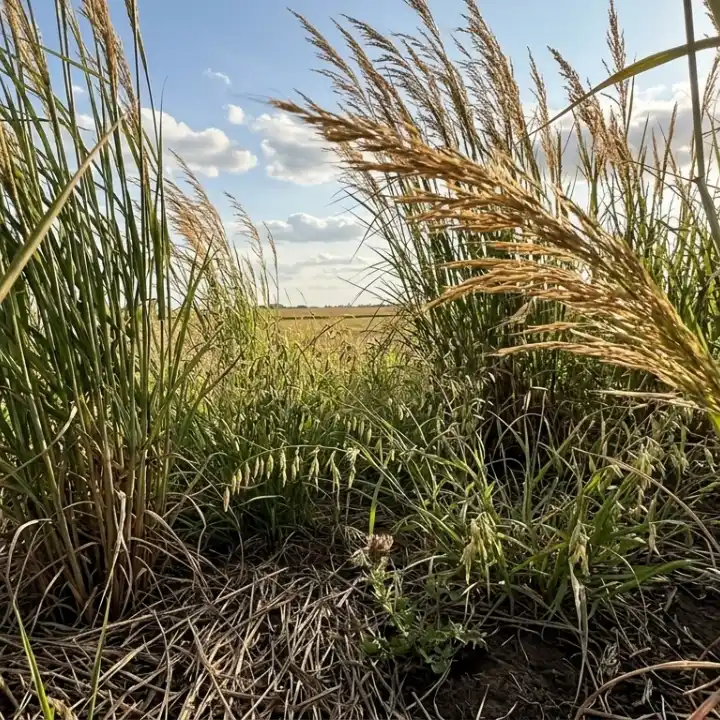
Soil Carbon Builder Grass Mix

SKU: BDL-CARBGRZ

$390.99 $48.87/lb
  • Covers 2 acres
  • Seeding rate: 4 lb per acre (PLS)
  • 8 lb bundle
Total Price: $390.99
Estimated Delivery: 15-18 business days
Looking for more than 200 lbs?

What is the Soil Carbon Builder Grass Mix?

The Soil Carbon Builder Grass Mix is a perennial native grass planting designed for long-term soil carbon sequestration and organic matter accumulation. Unlike annual cover crops that cycle carbon through surface residue, these three warm-season grasses build persistent root biomass that transfers atmospheric carbon deep into the soil profile — where it stays. Switchgrass drives deep rhizome networks. Indiangrass adds structural biomass and wildlife value. Sideoats Grama, Texas's state grass, provides drought resilience and fine-textured ground cover in the understory. This is permanent infrastructure for a regenerative operation.

Specifications

Seeding Rate 4 lb per acre (PLS)
Sun Requirements Full Sun
Time to Germinate Perennial — full stand by year 2–3

Seeding Specs

Water Needs Low — highly drought tolerant once established
Soil Preference Adaptable — sandy, loam, clay
Soil pH 5.5 – 7.5
Planting Depth 1/8 – 1/4 inch

Establishment Specs

Height 36 – 72 inches
Color Green to bronze (seasonal)
Uses Carbon Sequestration, Perennial Cover, Grazing, Wildlife Habitat
Native/Introduced Native to North America

Why Choose This Seed?

Deep Root Carbon

Switchgrass root systems can extend 8–10 feet into the soil profile, depositing root exudates and decomposing biomass deep below the plow layer. This depth is critical — carbon stored below 12 inches is significantly less susceptible to oxidation than surface organic matter and persists for decades.

Perennial Permanence

Once established, native warm-season grasses live for decades with minimal inputs. They do not require replanting, do not need annual inoculation, and improve in productivity with good management. Year three stands consistently outperform year one in biomass output and root mass density.

Drought Resilience

All three species evolved in North America's drought-prone grasslands and remain productive through extended dry periods. Sideoats Grama is especially resilient on rocky, thin soils and south-facing slopes where other grasses struggle. These grasses carry carbon-building functions through conditions that stop annual covers dead.

Wildlife Habitat

Tall-standing native grass stands provide nesting habitat for ground-nesting birds, overwintering cover for beneficial insects, and winter forage structure for wildlife. Indiangrass seed heads are a preferred food source for grassland songbirds. Leave a portion of the stand unmanaged through winter to maximize wildlife benefit.

Biomass for Soil Feeding

Annual senescence deposits a thick layer of high-carbon plant material at the soil surface each fall. This litter layer feeds soil fungi, worms, and bacteria through the winter and early spring — sustaining biological activity during the cold-season gap when annual crop fields go biologically dormant.

How to Use the Soil Carbon Builder Grass Mix

Site Prep

Control perennial weeds thoroughly before seeding — this is the most critical step. Warm-season native grasses are slow-establishing and cannot compete with aggressive weeds in year one. Burn down or till weeds in fall, allow one more flush, then terminate before spring seeding. A clean start pays dividends for decades.

Seeding

Drill at 1/8 inch depth into a firm, weed-suppressed seedbed using a native grass drill or Brillion seeder. Do not bury seed deeper than 1/4 inch — these are small seeds that need light and warmth to germinate. Dormant seeding in November–December allows natural stratification and spring emergence.

Establishment

Expect slow visible growth in year one as the plant prioritizes root development. Mow at 4–6 inches if annual weeds top 10 inches, but do not mow the native seedlings themselves below their growing point. By year two, warm-season grasses begin to assert themselves. By year three, expect full functional coverage.

Termination or Management

This is a permanent planting — not intended for termination. Manage with prescribed fire every 3–5 years in appropriate regions, or with late-winter mowing before green-up. These practices reset thatch accumulation, stimulate vigorous new growth, and mimic the natural disturbance cycle these species evolved with.

Questions & Answers

How long does it take for this mix to establish?
Warm-season native grasses require 2–3 years for full establishment. Year one is primarily root development with limited aboveground growth. Year two sees significant growth. By year three, the stand should be fully functional and productive. Patience during establishment is the single most important success factor.
Can this mix be grazed?
Yes, after year two. All three species are palatable and nutritious warm-season forages. Graze rotationally with adequate rest periods — 60–90 day rest is typical. Never graze below 4 inches. Moderate grazing can actually improve stand density and root health by stimulating tillering.
What regions does this mix work in?
This mix performs best in USDA Hardiness Zones 4–9, which covers most of the continental U.S. from the northern Great Plains to Texas. Sideoats Grama is adapted to drier, western conditions. Switchgrass and Indiangrass perform especially well in the eastern U.S. and Midwest.
Does this mix work for carbon credit programs?
Perennial native grasses are among the most recognized practices in soil carbon credit protocols. Switchgrass in particular has been extensively studied in carbon sequestration research. Consult your carbon program verifier to confirm species eligibility and required establishment documentation before seeding.
How do I manage thatch buildup?
Thatch accumulation in mature stands can limit new seedling recruitment and reduce productivity. Manage with late-winter prescribed fire where permitted, or with early spring mowing and removal of cut material. Do this before the grasses break dormancy — typically February through March depending on your region.
Do I need to fertilize this mix?
Native warm-season grasses evolved on low-fertility soils and do not require heavy fertilization. A modest phosphorus application at seeding aids root establishment. Avoid high-nitrogen fertilizers — they favor competitive cool-season grasses and weeds over the native seedlings during the establishment window.

Still Have Questions?

Our seed experts are ready to help you find the perfect seed for your project.

1-866-322-7300 Ask a Seed Expert

Customer Reviews

No reviews yet. Be the first to share your experience.

You May Also Like

Cool-Season Xeric Lawn Builder

Year-Round Green Covers 3,000 Sq Ft

From $299.99

Zones 5–7, Deep Root System, Low Mow Frequency, Self-Fertilizing

See Details about Cool-Season Xeric Lawn Builder

HOA-Friendly Native Lawn Alternative

HOA Appearance Ready 60% Less Water

From $429.99

Covers 3,000 Sq Ft, 4-Season Coverage, Zones 4–9, Self-Fertilizing

See Details about HOA-Friendly Native Lawn Alternative
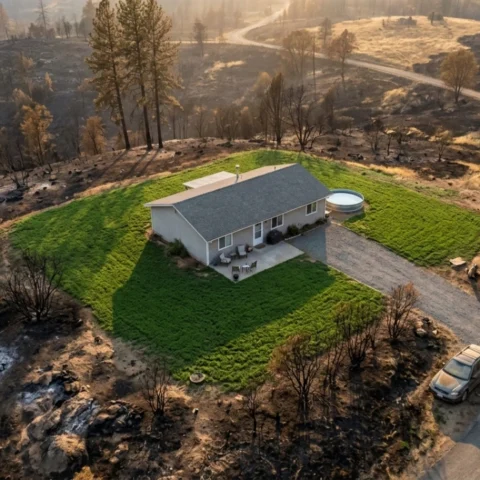
Fire-Wise Defensible Space Kit

Low Fuel Load Covers 2,500 Sq Ft

From $345.99

Zone 1 Ready, Stays Green Longer, Native Species, No Fillers

See Details about Fire-Wise Defensible Space Kit
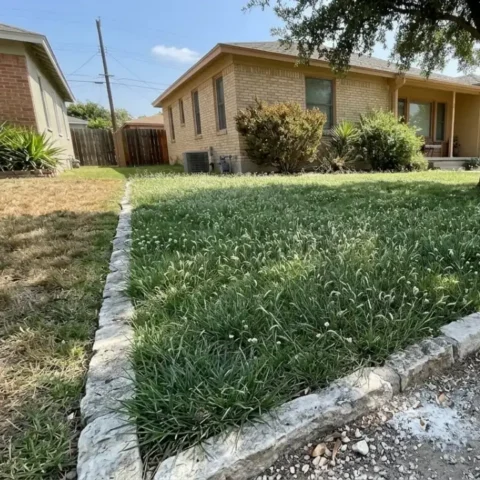
Texas Drought-Defy Bundle

Texas Native Species Covers 3,000 Sq Ft

From $305.99

Heat to 110°F, Self-Fertilizing, Zones 5–10, No Fillers

See Details about Texas Drought-Defy Bundle