
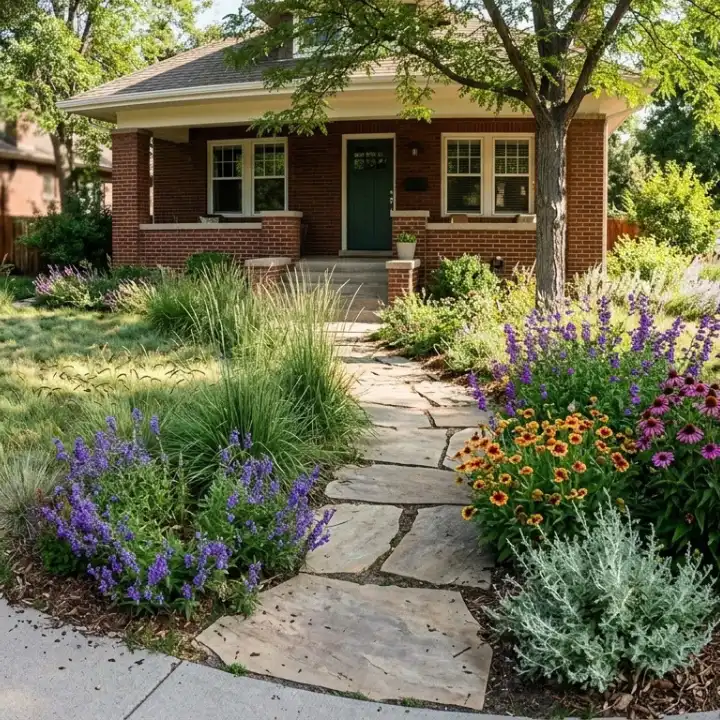
Silvopasture Understory Mix

SKU: BDL-SILVO

$138.99 $13.90/lb
  • Covers 2 acres
  • Seeding rate: 5 lb per acre
  • 10 lb bundle
Total Price: $138.99
Estimated Delivery: 15-18 business days
Looking for more than 200 lbs?

What is the Silvopasture Understory Mix?

The Silvopasture Understory Mix is a four-species shade-tolerant forage blend developed specifically for the challenging light conditions beneath tree canopies in silvopasture and agroforestry systems. Most conventional pasture mixes fail under 30–40% shade — they thin out, lose productivity, and eventually give way to weeds. This mix does not. Every species was selected for demonstrated performance under reduced light: Orchardgrass maintains productivity under 40–60% canopy, White Clover fixes nitrogen under 30–50% shade, Creeping Red Fescue establishes dense persistent cover in the deepest shade zones, and Forage Chicory mines deep subsoil nutrients that complement the nutrient cycling dynamics of the tree layer. Use it to establish productive, grazable swards beneath timber, fruit, nut, and agroforestry buffers.

What's in This Bundle


Specifications

Seeding Rate 5 lb per acre
Sun Requirements Partial Shade to Full Sun — tolerates 30–60% canopy cover
Time to Germinate Perennial — grazable in year 1, full production in year 2

Seeding Specs

Water Needs Moderate — establish with moisture, tolerates partial drought
Soil Preference Well-drained to moderately well-drained loam
Soil pH 5.8 – 7.0
Planting Depth 1/4 – 1/2 inch

Establishment Specs

Height 6 – 36 inches (species varies)
Color White (Clover bloom), Blue (Chicory bloom)
Uses Silvopasture, Agroforestry, Orchard Cover, Shade Grazing
Native/Introduced Introduced species

Why Choose This Seed?

Shade Tolerance

Orchardgrass performs consistently under 40–60% canopy cover — conditions where Tall Fescue, Kentucky Bluegrass, and most other pasture grasses fail to maintain viable sward density. Creeping Red Fescue tolerates even higher shade levels, making it the go-to species for the darkest zones near tree trunks where nothing else persists.

Nitrogen Under Canopy

White Clover is the most shade-tolerant common pasture legume and the cornerstone of biological nitrogen fixation in silvopasture systems. Properly inoculated White Clover maintains nodulation and nitrogen fixation activity under 30–50% shade, reducing fertilizer inputs into the system and feeding the grass fraction with biologically fixed nutrients.

Persistent Ground Cover

Creeping Red Fescue spreads vegetatively by rhizomes, gradually filling bare patches and high-traffic areas beneath trees where other species thin out from foot traffic, root competition, and limited light. This persistence is critical in silvopasture systems where protecting soil from compaction and erosion under tree canopies is an ongoing challenge.

Subsoil Nutrient Access

Forage Chicory's deep taproot accesses calcium, phosphorus, and magnesium at 36–48 inch depths — mineral horizons that tree roots have not yet colonized in young silvopasture plantings. This nutrient cycling function helps establish a more complete soil food web beneath the canopy and adds nutritional diversity to the grazed diet.

Livestock Compatibility

All four species are palatable and nutritious. Orchardgrass, White Clover, and Chicory are among the most preferred forages for cattle, sheep, and goats. Managing grazing intensity under tree canopy requires care — avoid overgrazing in the root zone of young trees. Rotational grazing with adequate rest periods protects both the forage stand and the tree root systems.

How to Use the Silvopasture Understory Mix

Site Prep

Control competing weeds before seeding, particularly in the open or semi-open zones where weed pressure is highest. Under established tree canopy, the shade itself suppresses many annual weeds. A light raking to create soil contact is often sufficient under mature canopy. Use a firm-seeded drill or cultipack broadcast method for best results.

Seeding

Broadcast at 5 lb per acre and cultipack or drag to press seed into soil contact. Alternatively, drill at 1/4 inch depth. Inoculate White Clover with a clover-specific Rhizobium inoculant before seeding. For inter-seeding under existing canopy, broadcast after tight grazing in late summer when soil moisture is available and tree leaf drop begins to open light levels.

Establishment

Orchardgrass and White Clover emerge quickly and begin building canopy within 2–3 weeks under adequate moisture. Creeping Red Fescue is slower but spreads laterally over time. Do not graze until stands reach 4–6 inches under canopy — shaded plants store less reserve energy and need more time to anchor before the first grazing event.

Termination or Management

This is a permanent perennial sward — not intended for termination. Manage with rotational grazing, allowing 45–60 day rest periods. Avoid continuous grazing, which eliminates the broadleaf fraction rapidly under the added stress of shade competition. Overseed thin areas every 3–4 years, particularly under canopy gaps where light levels increase seasonally.

Questions & Answers

What shade level is too much for this mix?
Creeping Red Fescue tolerates up to 60–70% shade in cool, moist conditions. Orchardgrass begins to thin significantly above 60% canopy cover. White Clover struggles to fix nitrogen and persist above 50% shade. Under dense, mature timber canopy above 70%, expect a Creeping Red Fescue-dominant stand with limited Orchardgrass or Clover.
Can this mix handle tree root competition?
Yes — all four species are relatively shallow-rooted in the upper soil profile, which means they compete less directly with deep tree roots. The key limiting factor under mature trees is typically moisture and light, not nutrient competition. Irrigate during establishment in dry conditions. Once established, these species have proven adaptability to the modified soil environment beneath tree canopies.
Is this mix appropriate for fruit or nut orchards?
Yes. This is one of the best uses for the Silvopasture Understory Mix. The clover fraction fixes nitrogen that benefits orchard trees without requiring synthetic fertilizer applications in the inter-row. Chicory's deep taproot improves drainage. Creeping Red Fescue provides persistent sod cover that reduces mud and compaction from equipment and livestock traffic.
What livestock perform best in silvopasture systems?
Sheep and cattle are the most common and compatible livestock for silvopasture grazing. Goats will browse tree bark and lower limbs if not managed carefully. Poultry, particularly pastured laying flocks, work extremely well in silvopasture orchards — they consume insects, scratch in litter, and provide nutrient cycling without the browsing pressure that affects tree establishment.
How do I seed under an established tree stand without disturbing roots?
Broadcast seeding is the most root-friendly approach. Graze or mow existing vegetation tightly, broadcast at 5 lb per acre, and drag with a light chain drag or run a cultipacker over the area. Do not till or use a grain drill with aggressive openers in established tree root zones — surface seeding with firm contact gives excellent results for all four species in this blend.
Can I use this mix in a food forest system?
Yes — this mix is ideal for food forest ground layer establishment. It provides productive ground cover, living mulch, and biological nitrogen under fruit trees and shrub layers. White Clover in particular is a classic food forest companion plant for its nitrogen fixation, pollinator value, and soil moisture retention benefits. Manage with occasional mowing or light grazing to prevent it from climbing into low tree branches.

Still Have Questions?

Our seed experts are ready to help you find the perfect seed for your project.

1-866-322-7300 Ask a Seed Expert

Customer Reviews

No reviews yet. Be the first to share your experience.

You May Also Like
Cool-Season Xeric Lawn Builder

Year-Round Green Covers 3,000 Sq Ft

From $299.99

Zones 5–7, Deep Root System, Low Mow Frequency, Self-Fertilizing

See Details about Cool-Season Xeric Lawn Builder
HOA-Friendly Native Lawn Alternative

HOA Appearance Ready 60% Less Water

From $429.99

Covers 3,000 Sq Ft, 4-Season Coverage, Zones 4–9, Self-Fertilizing

See Details about HOA-Friendly Native Lawn Alternative
Fire-Wise Defensible Space Kit

Low Fuel Load Covers 2,500 Sq Ft

From $345.99

Zone 1 Ready, Stays Green Longer, Native Species, No Fillers

See Details about Fire-Wise Defensible Space Kit
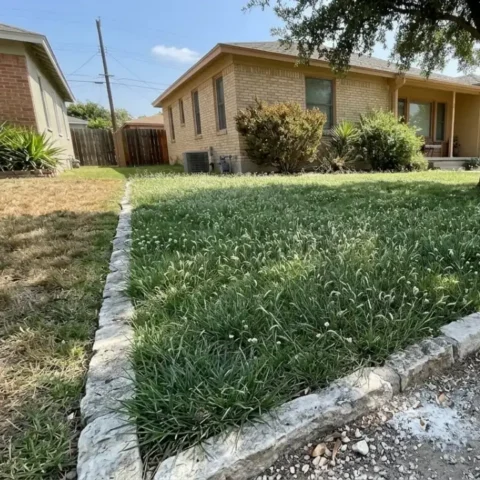
Texas Drought-Defy Bundle

Texas Native Species Covers 3,000 Sq Ft

From $305.99

Heat to 110°F, Self-Fertilizing, Zones 5–10, No Fillers

See Details about Texas Drought-Defy Bundle