
Quality Highlights
| Every Seed Grows We don't pad bags with dead seed or filler. What's in the bag is what grows in your yard. | |
| Independently Tested, Every Batch Each lot is tested by a third-party lab for germination and purity before it ships to you. | |
| Grown on American Farms Our seed comes direct from U.S. growers we know personally — not a middleman warehouse. | |
| Clean Seed, No Shortcuts No coatings to inflate weight, no GMOs, no cheap filler species. Just seed. |
Free shipping on all orders under 125 lbs!
Pasture Seed
Looking for more than 200 lbs?
Big Bluestem Grass Seed
Andropogon gerardii | SKU: PG-ANGE
What is Big Bluestem?
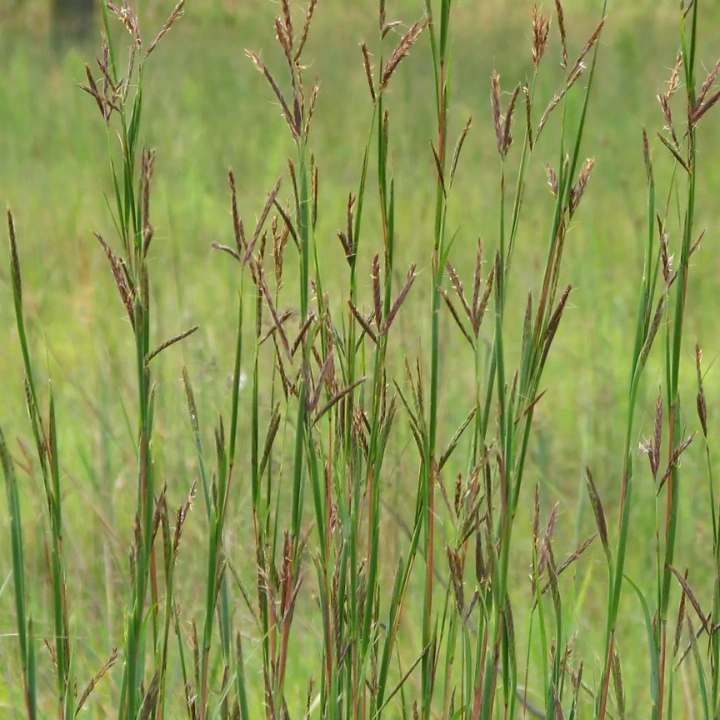
Big Bluestem (Andropogon gerardii) was the dominant grass of the original North American tallgrass prairie — a sea of grass that once stretched from Manitoba to Texas and covered an estimated 250 million acres. European settlers called it "turkeyfoot" because of the distinctive three-part seed head that resembles a turkey's foot splayed open. It is a warm-season perennial bunchgrass in the Poaceae family, native across most of the Great Plains and into the eastern woodlands edge.
Historically, Big Bluestem was the foundation of the Great Plains ecosystem. It fed enormous bison herds, built the deep topsoils of the Midwest through centuries of root turnover and organic matter deposition, and supported a diverse web of insects, birds, and mammals that evolved alongside it. Today, less than 1 percent of the original tallgrass prairie remains intact. Planting Big Bluestem is one of the most direct ways to begin restoring that lost ecosystem function — whether on a 5-acre farm field or a 500-acre conservation easement. It is suited to USDA hardiness zones 3 through 9, meaning it performs from the northern Great Plains all the way to the Gulf Coast.
Specifications
Seeding Specs
Water Needs
Low
Soil Preference
Well-drained to moderately dry soils; tolerates poor, rocky, or sandy soils; not suited to saturated or compacted ground
Soil pH
pH 5.5-7.5
Planting Depth
1/4-1/2 inch
Establishment Specs
Height
4-8 ft (up to 9 ft in ideal conditions)
Color
Blue-green summer; burgundy/copper fall
Uses
Prairie restoration, native hay, carbon sequestration, wildlife cover, CRP/EQIP
Native/Introduced
Native to central and eastern North America (Great Plains to Atlantic)
Why Choose This Seed?
Carbon Sequestration Credentials
Big Bluestem's root system reaches 6 to 10 feet deep — among the deepest of any North American grass. That root mass sequesters significant amounts of carbon belowground, a credential recognized by NRCS carbon programs and voluntary carbon markets. Research from the University of Illinois extension documents tallgrass prairie root biomass at 60 to 80 percent of total plant mass, with most of that carbon stored in stable, slow-decomposing root tissue. For ranchers and landowners exploring carbon credit programs or EQIP carbon-focused practices, Big Bluestem is consistently on the approved species list.
Native Forage with Seasonal Management
Before the boot stage, Big Bluestem provides 65 to 70 percent digestibility — comparable to introduced cool-season grasses at peak quality. Palatability declines noticeably once seed heads form, so rotational grazing management is essential. Stocking rates of 0.5 to 1.0 AUM per acre are typical on well-established stands in good rainfall years. For native hay systems, a single cutting after mid-July preserves the stand and allows adequate regrowth before dormancy. Producers who manage timing consistently get reliable forage production for 20 or more years without reseeding.
Wildlife Habitat — CRP Approved
Big Bluestem qualifies for multiple CRP and EQIP conservation practices in nearly every state where it is native. Its tall, dense bunchgrass structure provides critical nesting and brood-rearing habitat for bobwhite quail, ring-necked pheasant, and grassland-nesting songbirds. Native grass stands with Big Bluestem have documented higher bird species diversity than monoculture cool-season grass fields. The seed heads provide winter food for sparrows and finches. For wildlife managers, pairing Big Bluestem with Indiangrass and Little Bluestem creates the highest-value native grassland structure.
Outstanding Fall Color
Big Bluestem is one of the most ornamentally striking native grasses in North America. As temperatures drop in September and October, the blue-green summer foliage transitions to deep burgundy, copper, and bronze tones that hold through winter. The turkeyfoot seed heads add texture and structure. This fall display has made Big Bluestem increasingly popular in large-scale native landscape design, roadside restoration, and commercial prairie plantings where year-round visual interest matters alongside ecological function. Established stands require no fertilizer, no irrigation after establishment, and virtually no maintenance to sustain this performance.
Honest About Limitations
Big Bluestem is not a fast-results grass. Year one growth will be thin, short, and underwhelming — the plant is building a root system that will last decades, not producing top growth. Full production takes 2 to 3 growing seasons. During establishment, it cannot compete effectively with aggressive cool-season grasses like tall fescue or smooth bromegrass, so weed management in years 1 and 2 is critical. Do not graze or mow below 4 inches during establishment. It will not perform on saturated, waterlogged, or heavily compacted soils. If you need forage in year 1, Big Bluestem is not the right choice.
How to Plant Big Bluestem
Site Prep
Kill existing vegetation with a labeled herbicide burndown 2 to 4 weeks before seeding. Till shallowly (2 to 3 inches) or use a no-till drill on undisturbed soils. The seedbed should be firm enough that your foot barely sinks — loose, fluffy seedbeds bury small seeds too deep. If broadcasting, cultipack before and after seeding to ensure good seed-to-soil contact. Avoid planting into heavy residue that will shade out seedlings. Conduct a soil test before seeding; Big Bluestem performs best at pH 5.5 to 7.5 and does not need high fertility levels — high nitrogen favors weeds over native grasses.
Seeding
Drill at 6 to 8 lbs PLS/acre at 1/4 to 1/2 inch depth using a native grass drill with small-seed boxes. Broadcast at 8 to 12 lbs PLS/acre and cultipack immediately after. Dormant seeding (November through February in northern states) is preferred wherever practical — it eliminates the need to hit an exact spring soil temperature window. Spring seedings should wait until soil at 2-inch depth holds 65°F for several consecutive days. Do not seed Big Bluestem with cool-season species — they will outcompete the native seedlings in year 1.
First-Year Care
Expect thin, short growth in year 1 — often just 6 to 12 inches of top growth even in a successful seeding. The plant is putting 80 percent of its energy into root development. Do not mistake this for failure. Mow weeds to 4 to 6 inches whenever they overtop the seedlings, but never mow so low that you cut the Big Bluestem seedlings themselves. No grazing in year 1. Apply no nitrogen fertilizer in year 1 — it feeds weeds, not the native seedlings. Control broadleaf weeds with labeled grass-safe herbicides if pressure is severe.
Long-Term Management
Established Big Bluestem stands benefit from periodic disturbance that mimics historic fire and grazing. Prescribed burning every 2 to 4 years in early spring is the most effective management tool — it removes thatch, controls woody encroachment, and releases nutrients. Where burning is not practical, aggressive spring mowing (3 to 4 inches) before green-up achieves similar results. For grazing, implement rotational systems that allow 60 to 90 day rest periods. Continuous set-stocking at high density degrades stands within 3 to 5 years. Well-managed Big Bluestem stands are productive for 20 to 30 years without reseeding.
Helpful Resources
Pasture Seed Planting Guide
Questions & Answers
How long does Big Bluestem take to establish?
Plan for 2 to 3 growing seasons before the stand reaches full production. In year 1, most seedlings will be 6 to 12 inches tall — the plant is building root mass, not top growth. By year 2, you will see significant growth improvement and some plants may reach 3 to 4 feet. Full height and production typically arrives in year 3. This slow establishment is characteristic of all deep-rooted warm-season native grasses and is not a sign of a failed seeding. The payoff is a stand that requires minimal inputs and persists for decades. If you need forage in year 1, consider a companion cover crop of oats or sorghum-sudan to generate income while the Big Bluestem establishes.
Can I plant Big Bluestem with other native grasses?
Yes — Big Bluestem performs best in diverse native mixtures that mimic the original tallgrass prairie. The classic combination is Big Bluestem paired with Indiangrass (Sorghastrum nutans), which historically co-dominated the tallgrass ecosystem. Adding Little Bluestem and Sideoats Grama expands the habitat and aesthetic value of the stand. When mixing species, adjust each species' seeding rate proportionally to hit your target PLS per acre. Avoid mixing Big Bluestem with cool-season grasses like tall fescue, orchardgrass, or smooth bromegrass — they will outcompete native seedlings during the establishment window and permanently reduce stand composition. A clean native mix seeded into a clean seedbed gives the best results.
What is PLS and why does it matter?
PLS stands for Pure Live Seed — it is the percentage of a seed lot that is both pure (not inert matter or other crop seed) and alive (viable germination). Native grass seeds, including Big Bluestem, are sold with highly variable purity and germination percentages. Buying seed based on bulk weight rather than PLS can result in dramatically underseeding your stand. For example, a bag of Big Bluestem with 70 percent purity and 80 percent germination has only 56 percent PLS — you would need nearly twice as much bulk seed to hit your target seeding rate. All Nature's Seed products are sold on a PLS basis with current test results, so you know exactly what you are getting.
Does Big Bluestem work for carbon credit programs?
Big Bluestem is one of the most recognized species in voluntary carbon markets and USDA conservation programs specifically because of its deep root system. Roots reaching 6 to 10 feet sequester carbon in stable belowground organic matter at rates that persist for decades. It is approved under multiple NRCS EQIP carbon-focused practices and commonly specified in state forestry and conservation agency carbon sequestration planting guides. If you are working with a carbon aggregator or NRCS on a carbon project, confirm species eligibility with your local office — requirements vary by program and geography. Our Big Bluestem seed meets federal and state program specifications.
When is the best time to plant Big Bluestem?
In northern states (zones 3 through 6), dormant seeding between November and February is the preferred method. Seed placed in late fall sits dormant through winter and germinates naturally when soil conditions are right in spring, eliminating the guesswork of hitting the right soil temperature window. For spring planting in any zone, wait until soil temperature at 2-inch depth reaches a sustained 65°F — typically late April to late May depending on latitude. Planting into cold or wet soil is the leading cause of Big Bluestem establishment failure. Avoid summer planting after June in most regions — seedlings struggle through heat and drought before they have any root depth to draw on.
Is Big Bluestem deer-resistant or attractive to deer?
Big Bluestem is not a high-preference deer browse species. Deer will occasionally graze young seedlings during establishment, but it is not heavily targeted the way clovers or brassicas are. The greater wildlife value is as habitat structure — the tall, dense bunchgrass provides bedding cover, thermal protection in winter, and nesting habitat for upland birds. Whitetail deer use Big Bluestem stands for cover far more than for food. For food plots where deer attraction is the primary goal, Big Bluestem is better used as a structural border or cover strip adjacent to a dedicated food plot, rather than as the primary attraction species.
Still Have Questions?
Our seed experts are ready to help you find the perfect seed for your project.
1-866-322-7300 Ask a Seed ExpertCustomer Reviews
No reviews yet. Be the first to share your experience.
You May Also Like
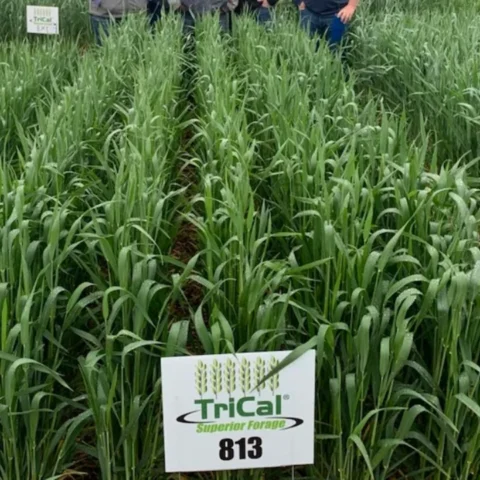
4,000–8,000+ lbs Dry Matter/Acre
Low Allelopathic Activity
From $21.99
High Protein Forage, Fast Germination (5–10 Days), Zones 4–9, Winter Annual
See Details about Triticale 813 Hexaploide by StarSeed Seed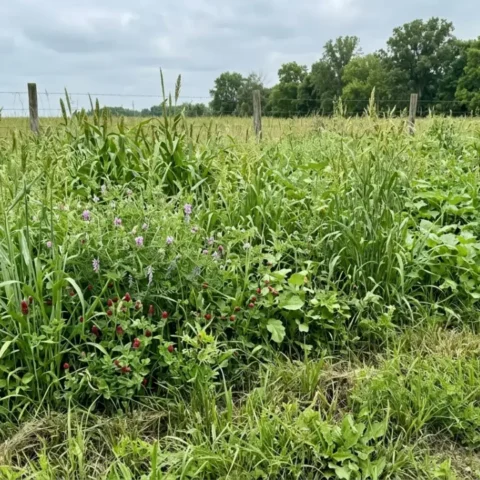
Grasses + Legumes + Herbs
Nitrogen Fixing
From $36.99
Pollinator Forage, Weed Suppression, Adaptable Zones, Annual and Perennial Mix
See Details about Greenfield Blend by StarSeed Seed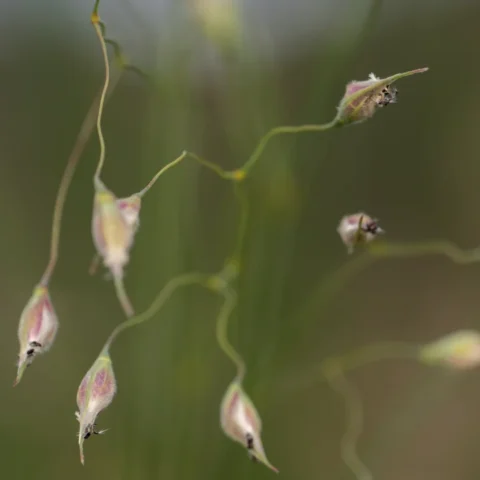
6–8 Inch Rainfall Survival
Ornamental Seed Heads
From $38.99
Xeriscape Favorite, Sandy Soil Stabilizer, Zones 4–9, Perennial Bunchgrass
See Details about Indian Ricegrass Seed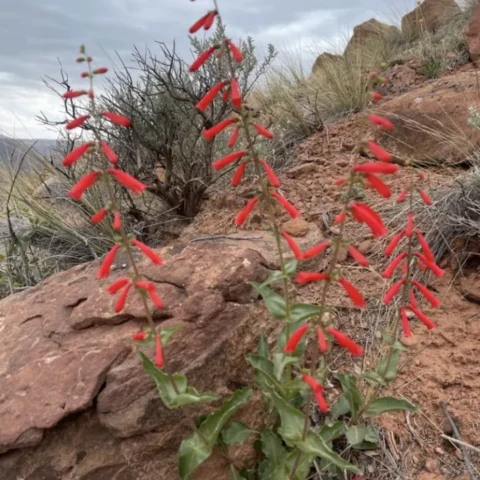
Scarlet Hummingbird Blooms
Blooms January–April
From $54.99
Water-Wise Native, Evergreen Foliage, Zones 4–10, Perennial
See Details about Firecracker Penstemon Seed