
How to Fertilize Your New Buffalo Grass Seed Lawn
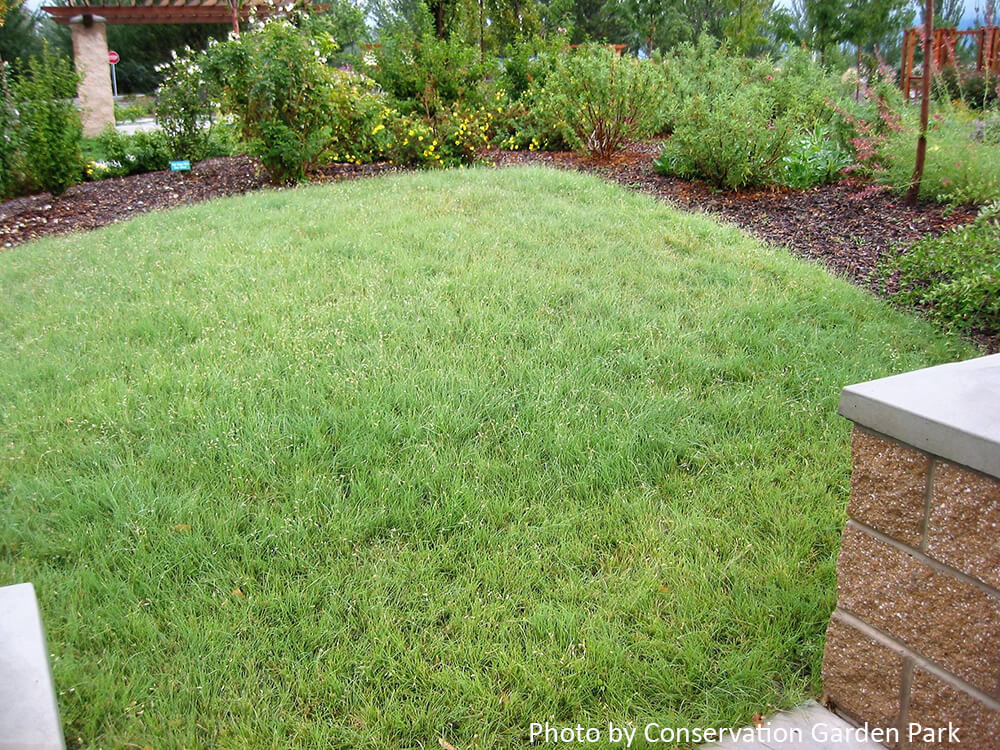
Establishing a Buffalo grass lawn is an investment in a sustainable, low-maintenance future. As a native warm-season grass, Buffalo grass is famous for its “tough-as-nails” attitude toward drought and heat. However, even the hardiest species needs a helping hand during its first few weeks of life.
The secret to a successful establishment isn’t just about water—it’s about providing the right nutrients at the right depth before the first seed even hits the dirt. Because Buffalo grass develops a deep, complex root system that can eventually reach several feet underground, early-stage fertilization is your only window to fuel that growth from the bottom up.
Why Buffalo Grass Fertilization is Different
Unlike thirsty cool-season grasses that require constant feeding, Buffalo grass is a “lean” grower. Over-fertilizing can actually be counterproductive, leading to excessive top-growth and more time behind the mower. By following a starter-to-maintenance transition plan, you’ll give your lawn exactly what it needs to win the race against weeds without sacrificing its signature low-maintenance appeal.
In this guide, we’ll break down the science of N-P-K ratios, explain why “Starter” formulas are non-negotiable for new seedlings, and show you how to apply nutrients like a professional to ensure your new lawn thrives for years to come.
Buffalo Grass Fertilizer Essentials
1. Understanding N-P-K Numbers
All commercial fertilizers display three numbers representing nitrogen-phosphorus-potassium percentages, such as 4-6-4.
- Nitrogen (N): Green growth and lush blades
- Phosphorus (P): Root development and establishment
- Potassium (K): Drought tolerance and disease resistance
In a 4-6-4 fertilizer (14% total), the remaining 86% is organic matter or filler that helps spread nutrients evenly.
2. Starter vs. Maintenance Fertilizer
For New Lawns (Starter): Use 4-6-4 or similar formulas with higher phosphorus. This promotes strong root establishment during germination.
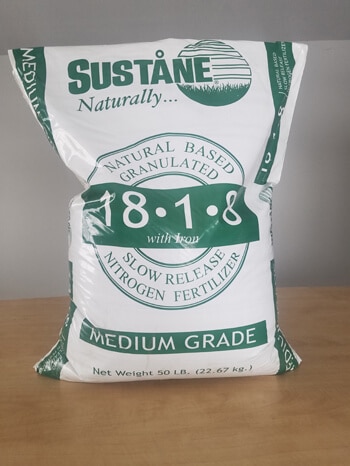
For Established Lawns: Switch to 18-1-8 or similar maintenance blends with higher nitrogen after 4-8 weeks.
Never use “weed & feed” fertilizers on new seedlings—the herbicides will damage or kill young grass.
3. When to Fertilize
Before Seeding: Work starter fertilizer into the top 4 inches of soil using a seed spreader, rake, or tiller. This makes phosphorus and potassium accessible to seedlings.
4-8 Weeks After Germination: Apply maintenance fertilizer (18-1-8) to support continued growth.
Water immediately after every fertilizer application to help nutrients filter down to roots.
4. Application Best Practices
Use a seed spreader for even distribution. Apply fertilizer in two perpendicular directions to ensure complete coverage.
Follow package rates carefully—over-application can burn grass and pollute waterways with phosphorus runoff.
Sweep up excess from sidewalks and driveways back onto the lawn to prevent waste and water pollution.
5. Organic vs. Synthetic
Organic slow-release fertilizers provide nutrients gradually and improve soil structure with organic matter. Ideal for sandy or clay soils.
Synthetic fertilizers deliver nutrients quickly but don’t improve soil health long-term.
For Buffalo grass, organic options are recommended as they align with its low-maintenance, drought-tolerant nature.
6. Buffalo Grass Requirements
Buffalo grass is a warm-season, drought-tolerant native grass that requires less fertilizer than cool-season varieties like Kentucky Bluegrass or Ryegrass.
Once established, Buffalo grass thrives with minimal inputs—typically just 1-2 fertilizer applications per growing season.
Avoid over-fertilizing, which can cause excessive growth and increase mowing needs, contradicting Buffalo grass’s low-maintenance appeal.
Recommended Products for Buffalo Grass
Professional-grade Buffalo grass seed and fertilizers to establish and maintain a beautiful, drought-tolerant lawn.


Key Takeaways
- ✓
Use starter fertilizer (4-6-4) before seeding, worked into top 4 inches of soil. - ✓
Switch to maintenance fertilizer (18-1-8) 4-8 weeks after germination. - ✓
Never use weed & feed products on new seedlings—herbicides will kill grass. - ✓
Apply evenly with a seed spreader in two directions for complete coverage. - ✓
Water immediately after fertilizing to help nutrients reach grass roots.
Explore our complete selection of
grass seed and
fertilizers.
Frequently Asked Questions
Common questions about fertilizing Buffalo grass lawns
Ready to Plant Your Buffalo Grass Lawn?
Buffalo grass is one of the most drought-tolerant, low-maintenance lawn options available. With proper fertilization, you’ll establish a beautiful, resilient lawn that thrives with minimal care. Our experts are here to help you succeed.
Consult with Our Professionals
Pro Tip: Buffalo grass uses 30-50% less water than traditional cool-season grasses once established.
