
Lawn Care Basics for New and Experienced Home Owners

Where to Start: Lawn Care Tips & Basics
Did you know that nearly 81% of homeowners do their own landscaping and lawn work? Most can agree that there’s a particular kind of satisfaction when you can implement lawn care on your own and maintain your property’s curb appeal.
Understanding what your lawn needs and knowing how to take care of it is a major key in your property’s health. Lawn grasses demand consistent care for a healthy and uniform look. That’s why it’s essential for any new or experienced homeowner to refresh their lawn care know-how.
This guide covers the fundamentals—mowing, watering, nutrients, weeds, and aeration—plus information on choosing the right turfgrass blend for your region.
Essential Lawn Care Practices
1. Proper Mowing
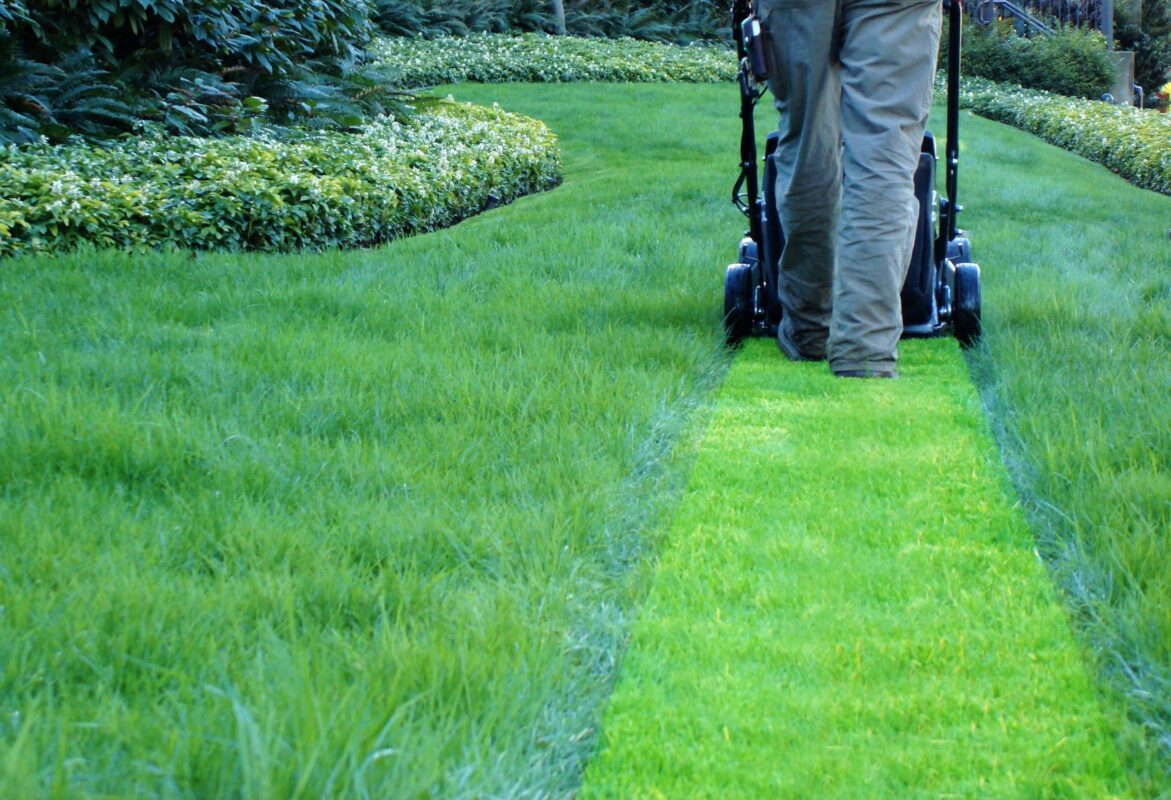
Mow frequently but never cut more than ⅓ of the grass blade at once. Cutting too short interrupts photosynthesis and weakens your lawn.
During growing season: Mow once a week
Off-season: Every other week
Proper mowing increases grass density, promotes deeper root growth, and creates a stronger turf that resists weeds and pests.
2. Smart Watering
Water early between 5-9 AM for best absorption. Morning watering minimizes evaporation and prevents fungal growth.
Weekly goal: 1 to 1½ inches of water
Frequency: 2-3 times when it hasn’t rained
Ensure the top 6-8 inches of soil stay moist. Never water after 6 PM—sitting water overnight increases disease risk.
3. Nutrients & Fertilizing
Your lawn needs three key nutrients:
- Nitrogen (N): Green growth and lush blades
- Phosphorus (P): Strong root development
- Potassium (K): Drought tolerance and disease resistance
Conduct a soil test to determine what your lawn needs. For new lawns, use starter fertilizers (4-6-4). For established lawns, use maintenance blends.
4. Weed Control
Prevention: Use pre-emergent herbicides to stop weeds before they sprout. Apply in early spring before soil temperatures reach 55°F.
Existing weeds: Apply post-emergent herbicides or hand-pull them, ensuring you remove all roots.
Always use selective herbicides that target weeds without harming your grass. Broadleaf weeds (dandelions, chickweed, thistle) are the most common invaders.
5. Aeration
Aeration breaks up compacted soil, allowing water and nutrients to reach grass roots. This prevents thatch buildup and root rot.
Cool-season lawns: Early fall or spring
Warm-season grasses: Late spring or early summer
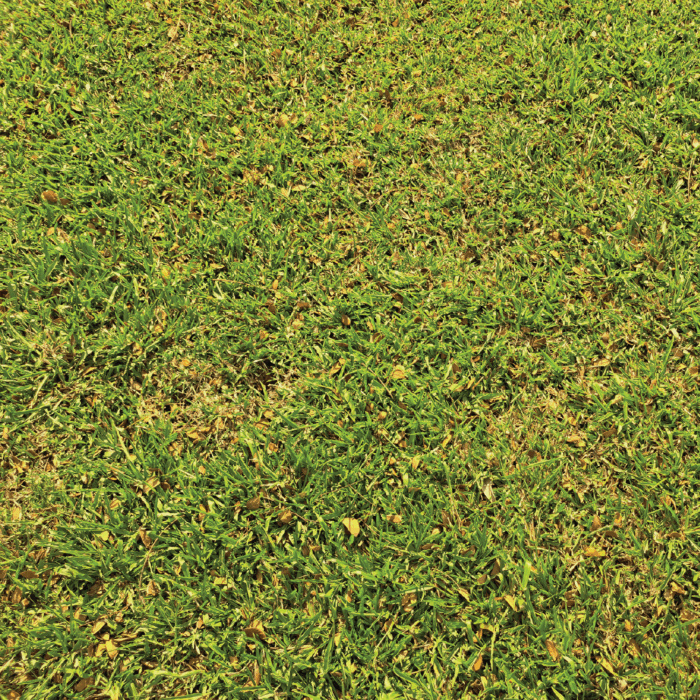
Signs you need aeration: hard soil, thinning grass, puddles that don’t drain, or worn patches. Use spike or plug aerators when soil is slightly moist.
6. Choosing the Right Grass
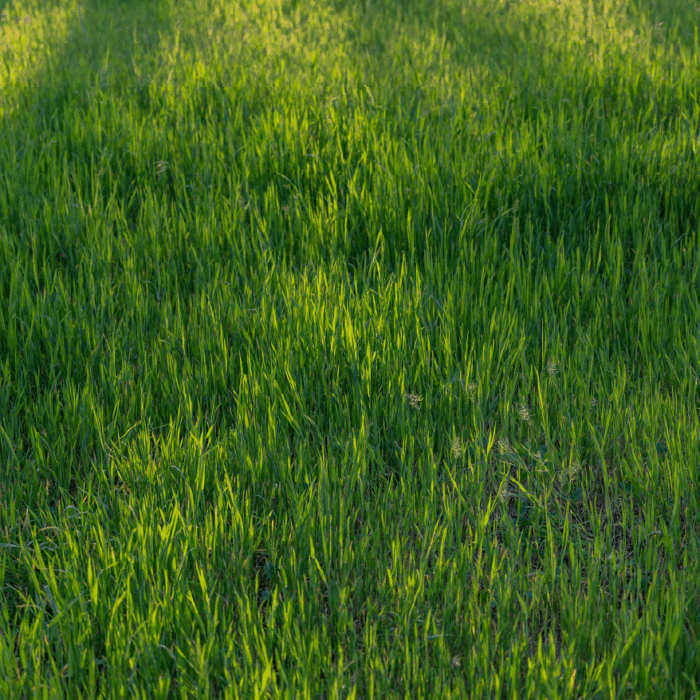
Cool-season grasses (Kentucky Bluegrass, Fescue, Ryegrass) thrive in northern climates with cold winters. They grow actively in spring and fall.
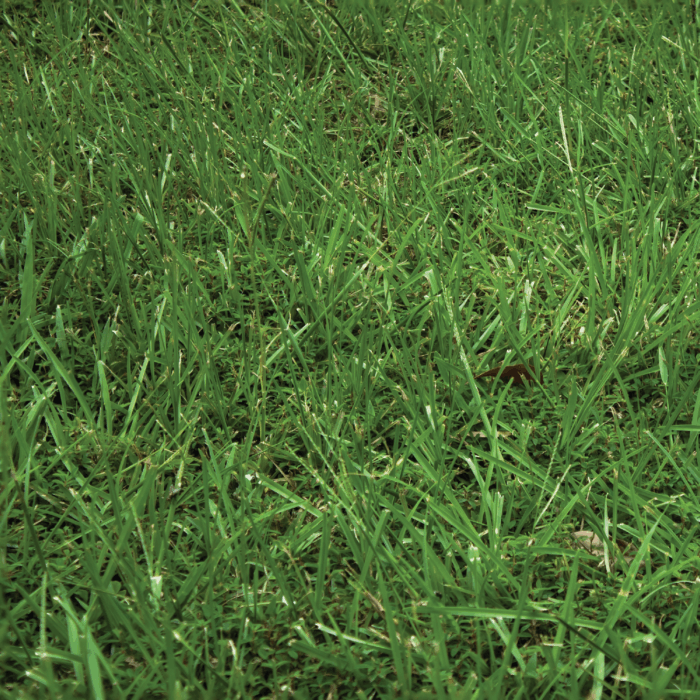
Warm-season grasses (Bermuda, Zoysia, Bahia, Buffalo) excel in southern heat. They go dormant in winter but stay green year-round in mild climates.
Use our Seed Selector tool to find the perfect blend for your region, sun exposure, traffic level, and water availability.
Recommended Lawn Care Solutions
Professional-grade grass seed and fertilizer products to establish and maintain a beautiful, healthy lawn.

Key Takeaways
- ✓ Mow weekly during growing season, never cutting more than ⅓ of the blade.
- ✓ Water 1-1½ inches per week early morning (5-9 AM) for best absorption.
- ✓ Use starter fertilizer for new lawns, maintenance fertilizer for established grass.
- ✓ Control weeds with selective herbicides or hand-pull, removing all roots.
- ✓ Aerate annually during peak growing season to combat soil compaction.
Find the perfect grass seed for your region with the Seed Selector tool.
Frequently Asked Questions
Quick answers to the most common lawn care questions
Nature’s Seed Can Help You Choose the Right Blend
If you ever feel overwhelmed or need some extra guidance on these lawn care basics, you can always consult with the professionals. The experts at Nature’s Seed have got your back when it comes to lawn care and can help you find the perfect seed for your property.
Pro Tip: Use our Seed Selector tool to find the perfect blend for your region and conditions.
