
The Best Grass Seed For North Dakota
Available Pasture Mixes for North Dakota
- Big Game Food Plot & Forage Mix
- Chicken Forage Seed Mix
- Cool Season Cattle Pasture Seed Mix
- Full Potential Food Plot
- Green Screen Food Plot
- Honey Bee Cover Crop & Pasture Mix
- Horse Pasture Mix - Transitional
- Krunch and Munch Food Plot
- Llama & Alpaca Pasture Seed Mix
- Pig Pasture & Forage Mix
- Plains Prairie Mix
- Sandhills Prairie Mix
- Shade Mix Food Plot
- Sheep Pasture & Forage Mix - Transitional
- Shortgrass Prairie Mix
- Warm Season Cattle Pasture Seed Mix
Clover Seed for North Dakota

Specialty Seed for North Dakota
Wildflower Seed for North Dakota
North Dakota Grass Seed: Best Turf for Cold Climates and Drought
With vast acreage dedicated to farmland and ranches, North Dakota residents know how important durable grass seed can be—whether you’re creating a meadow for livestock grazing or a beautiful yard for your home. However, growing grass seed in the state’s cold temperatures and sometimes arid conditions can be challenging.
Before planting, you need to learn about growing conditions, soil characteristics, and seed blends that can withstand the cold climate. This guide will provide all the details you need to make an informed decision about your North Dakota grass seed options.
—
Growing Conditions and Soil Characteristics in North Dakota
North Dakota falls between USDA Hardiness Zones 3b and 4a. In this zone, soil temperatures can drop as low as $-25^\circ F$ to $-35^\circ F$ in the winter season, meaning cool-season grass types are best suited for the state.
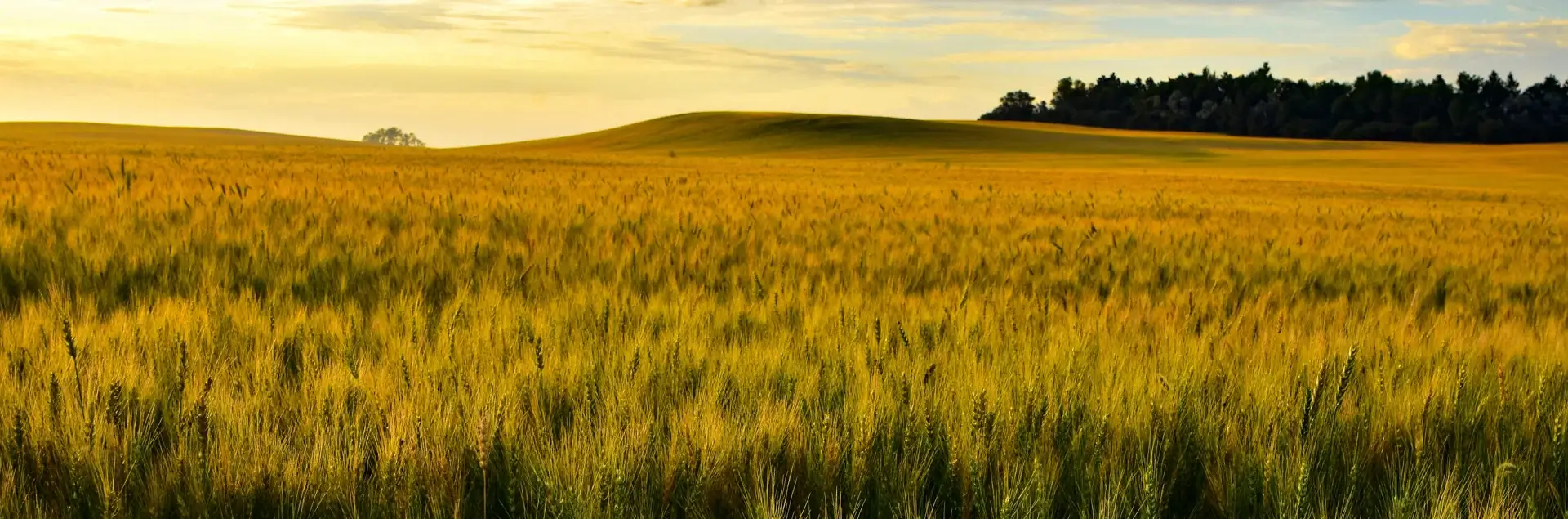
- Average Winter Air Temps: $13^\circ F$ to $28^\circ F$ (November through February), with significant annual snowfall.
- Average Summer Air Temps: $67^\circ F$ to $73^\circ F$ (July), with common days over $90^\circ F$. Warm-season grasses will struggle without consistently high temperatures.
- Rainfall: The state receives only about 19 inches yearly, so the best grass seeds for North Dakota homeowners are those with high drought tolerance.
North Dakota soil is diverse:
- Williams Soil: Highly fertile and excellent for growing seedlings, characterized by a dark gray/brown color that gets lighter deeper down.
- Red River Valley: Features clay-like soil, which may require adding organic matter to help seeds thrive.
- Till Plain: Contains a mix of gravel and sandy soils. Drought-tolerant seeds that can survive this environment should be selected.
When to Plant Grass Seed in North Dakota
The best time for planting cool-season grass seed is August to mid-September. This window allows seedlings enough time to germinate and establish deep roots before freezing temperatures begin in October. Planting too late in the fall may not allow the grass seed to germinate quickly enough to withstand the cold.
If you choose to plant the available warm-season grass varieties, you must wait until nightly temperatures are consistently above $60^\circ F$ (typically late spring/early summer), as they thrive in hot weather and germinate quickly at the right temperature.
Best Types of Lawn Grasses for North Dakota
Due to the harsh winter climate, maintaining warm-season grass types is difficult, and blending seasonal grass types is generally not recommended as it can result in a patchy, uneven lawn.
Warm-Season Grass Types (Limited Use)
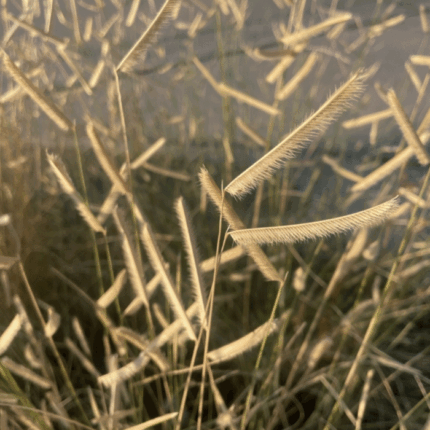
Blue Grama Grass
Blue grama grass is a native warm-season option that can establish a nice lawn in North Dakota and tolerate the cold weather. 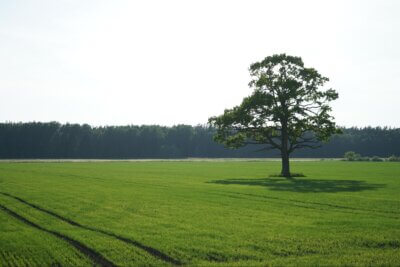
- Qualities: High drought tolerance, prefers gravelly soil (ideal for the Till Plain region), and grows in tufts of bunchgrass.
- Use: Can grow up to a foot tall with a color ranging from light to deep green.
Cool-Season Grass Types (Recommended)
Creeping Red Fescue Grass
Creeping red fescue is excellent for hard-to-reach spots as it doesn’t need high amounts of sunlight, water, or maintenance. If left to grow, it forms a thick, meadow-like carpet. 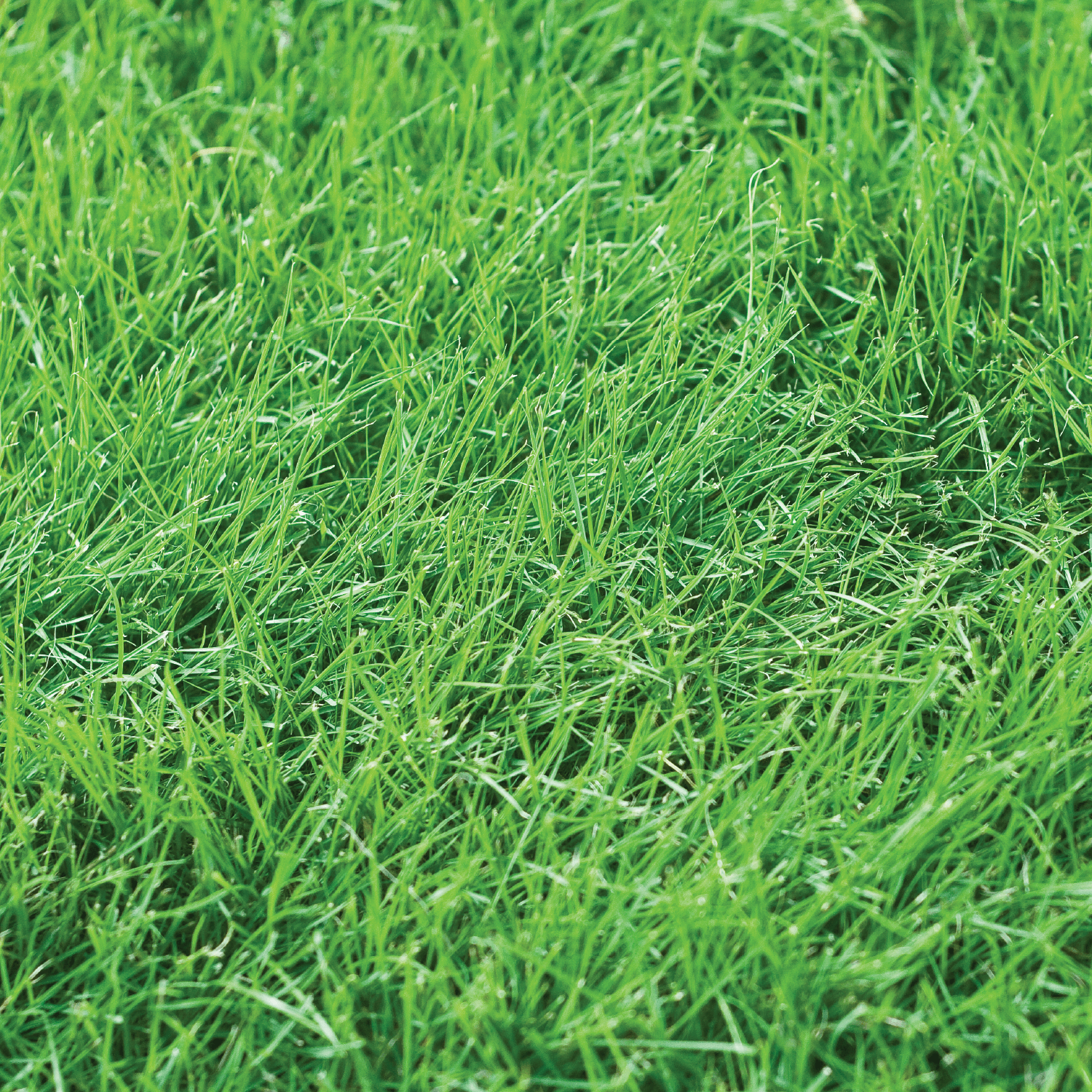
Kentucky Bluegrass
Kentucky bluegrass is a popular cool-season selection for both beautiful lawns and grazing meadows. It requires highly fertile soils to grow a deep, vigorous root system that helps protect it during cold winters.

North Dakota’s typical annual rainfall (19 inches) is within the preferred range for this grass, minimizing the need for extensive irrigation.
Perennial Ryegrass
Perennial ryegrass is one of the best grass seed options for a fast-growing, healthy lawn that can withstand damage from winter salting and heavy traffic (ideal for backyards and sports fields).
Fine Fescue
Fine fescue is an incredibly resistant grass seed: it can withstand partial shade, poor soil conditions, and low amounts of water.
This grass seed will survive North Dakota’s cold winters if planted in the early fall. Choosing a fine fescue blend is great for a low-maintenance, soft-textured, cool-season lawn.
Conclusion
Due to North Dakota’s location in the far north, seedlings must tolerate the state’s harsh winter weather to grow efficiently. The robust agricultural industry proves that growing grass seed is possible—cool-season grasses planted before the winter’s frost will thrive in North Dakota’s environment.
The best way to ensure a healthy lawn is to start with premium grass seed. Visit Nature’s Seed to find all the information you need to obtain a healthy, beautiful yard and to purchase high-quality seeds.
