
What is Switchgrass (Panicum Virgatum)? Uses, Growing Conditions, and Benefits:

Table of Contents
What is switchgrass and what is it used for? Switchgrass (Panicum$ virgatum) is a resilient, warm-season perennial grass native to North America. It’s primarily used for wildlife conservation providing excellent cover for various animals, and as a nutritious grazing crop for livestock. Thanks to its deep root system, it’s also highly effective for soil conservation** and erosion control on sloped or dry lands.
Switchgrass is one of the most versatile native plants available in North America. This hardy grass can withstand harsh conditions, grows quickly, and doesn’t require extensive maintenance. Its qualities make it practical for a variety of properties, and its deep root system is crucial for preventing soil erosion.
Additionally, switchgrass is an important crop for several initiatives, serving as an excellent source of livestock feed and aiding in wildlife conservation. It could also be a source of biofuel someday, replacing some of our dependence on petroleum products. With its many benefits, it’s no wonder this grass is becoming increasingly popular among agricultural communities nationwide.
What Is Switchgrass?
Switchgrass (Panicum virgatum), also known as tall panic grass, is a warm-season perennial grass native to North America. This means it comes back every year and thrives during the warmer months, typically from late spring through early fall. You might have noticed this grass while out for walks, as it grows naturally on prairies, woodlands, shores, and riverbanks.

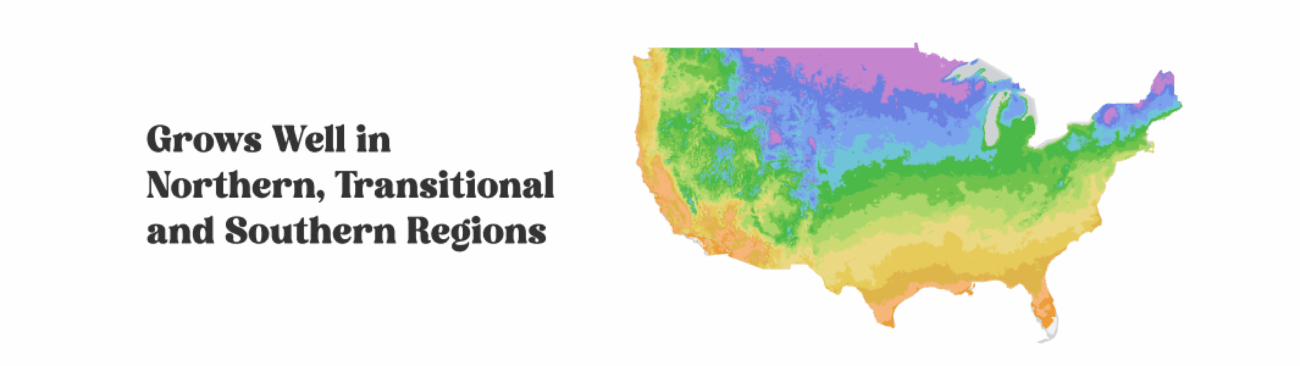
Panicum virgatum comes in a wide variety of colors depending on the species, blend, and location: it may have blue-green leaves, appear golden-brown, or feature a deep red color. Its natural range covers almost the entirety of the United States and most of southern Canada, from the East Coast throughout the Great Plains.
- Native to North America
- Warm-season perennial (comes back every year)
- Grows up to nine feet tall
- Features a deep, rhizomatous root system for drought tolerance
There are two primary subspecies of switchgrass: upland switchgrass, commonly found in the northern region, and lowland switchgrass, which grows in the southern region. This native perennial can grow nearly nine feet tall—and thanks to its deep rhizomatous roots, it’s also incredibly drought-tolerant and spreads slowly but surely.
Essential Growing Conditions for Switchgrass
While switchgrass is famously hardy, it can be difficult to establish initially. The high dormancy rate of the seed and the slow development of its extensive root system mean weeds are a significant issue** and must be controlled to prevent seeds from being choked out before they germinate. If you do it right, however, switchgrass is one of the easiest grasses to manage once established, often showing development in only a few weeks.
How to Plant Switchgrass Successfully
To ensure a strong start for your grass, pay close attention to the following details:
| Factor | Requirement |
|---|---|
| Soil Type | Tolerant of poor soil (dry, salty), but thrives in clay, loam, or sandy soils. |
| Seeding Rate | Approximately 5 lbs. per acre** (check specific blend instructions). |
| Planting Depth | ½ to ¾ inch deep. |
| Planting Date | Early spring, once soil temperatures are reliably above 60°F. |
| Shade & Sun Tolerance | Grows best in full sun; tolerates partial shade (may flop), but not deep shade. |
| Drought Tolerance | Excellent. Can go days or weeks without water; minimal water requirements once established. |
| Disease & Pest Tolerance | Highly tolerant due to its robust genetic and cell wall composition. |
For large-scale projects, you might consider blending switchgrass with other robust species. We offer several premium pasture seed mixes designed for optimal grazing and conservation.
Primary Uses and Benefits of Switchgrass
Switchgrass is a long-time favorite for seasoned gardeners and farmers due to its hardiness and versatility. Here are the main ways this famous landscape plant can be utilized:
Wildlife Conservation and Cover
Switchgrass is vital for its surrounding environment. Not only are its seeds delicious for birds, but the nearly nine-foot-tall grasses create excellent cover for a wide range of wildlife, including deer, turkey, opossums, and small game. The thick, hay-like ends offer a perfect landing space and nest-building material for songbirds.
It also acts as a vital winter cover, protecting the perennial crops whose seeds provide food for pheasants, quail, turkeys, doves, and songbirds. Creating a dedicated habitat area using species like this is key to effective wildlife conservation.
Nutritious Grazing and Hay
During the summer, switchgrass is a nutritious grazing crop. Research has shown that this warm-season grass grows faster than other grazing grasses, providing more forage for your livestock. You can also turn it into hay before it matures and becomes too stemmy for grazing. Cutting switchgrass before or just as the seedheads appear creates perfect hay for cattle, sheep, and goats.
- Yearling calves grazing on switchgrass typically gain 1 ½ to 2 pounds per day.
- It provides rapid summer growth, filling the forage gap when cool-season grasses slow down.
- A cautionary note: Horses can have a phototoxic reaction to switchgrass. Do not allow horses to graze on it!
Soil Conservation and Erosion Control
Erosion wears down the country’s most productive farmlands, with billions of tons of soil lost annually. This is a critical problem, as soil erosion occurs far faster than the soil replenishment rate in the United States. One of the best ways to slow this process is to plant native grasses and other deep-rooted vegetation.
Thanks to its long fibrous root system, switchgrass is an ideal plant for **erosion control**. The roots are so deeply-rooted into the ground that they hold the soil in place, even when harsh winds or water are present. The tall blades also protect fertile topsoil from the severe impact of rain, sleet, and hail. For critical areas that need immediate stabilization, explore Nature’s Seed’s high-performance Erosion Control Seed Mixes, which are specifically designed to stabilize soil quickly and effectively.
Potential Biomass Crop for Energy Production
The United States Department of Energy selected switchgrass as a potential energy crop that could be used to produce transportation fuel in the future. Switchgrass is an excellent biomass candidate because it is native, adaptable, and produces higher yields than many other crops.
Crucially, switchgrass can grow on millions of acres of marginal land that can’t support food production. Instead of letting that land go unused, planting switchgrass offers a renewable resource that can help reduce the transportation sector’s heavy reliance on nonrenewable fossil fuels. This makes it a crucial part of long-term sustainability planning for both energy and land conservation efforts.
Conclusion
Switchgrass is a versatile, native North American grass that thrives in many climates. It’s an indispensable resource for grazing, erosion prevention, and wildlife habitat, and it holds exciting potential as a future biomass crop.
With all this in mind, it’s clear why switchgrass has become one of the most popular and versatile grasses in the United States. If you need switchgrass seed for your project, explore the selection of premium grass seed at Nature’s Seed.
Our expert team has decades of experience helping customers select the right seeds for preservation benefits or beautification for any type of property. We are happy to help you get started with this valuable and affordable resource.



