
The Best Grass Seed For New Hampshire
Available Pasture Mixes for New Hampshire
- Big Game Food Plot & Forage Mix
- Chicken Forage Seed Mix
- Cool Season Cattle Pasture Seed Mix
- Full Potential Food Plot
- Green Screen Food Plot
- Honey Bee Cover Crop & Pasture Mix
- Horse Pasture Mix - Transitional
- Krunch and Munch Food Plot
- Llama & Alpaca Pasture Seed Mix
- Pig Pasture & Forage Mix
- Shade Mix Food Plot
- Sheep Pasture & Forage Mix - Transitional
Pasture Grass Species for New Hampshire
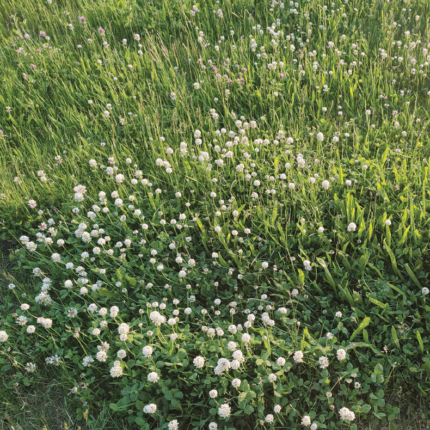
Clover Seed for New Hampshire
Specialty Seed for New Hampshire
Wildflower Seed for New Hampshire

Lawn Seed for New Hampshire

New Hampshire Grass Seed Guide: Best Turf for Cold, Humid Climates
Growing the best grass on New Hampshire lawns is a challenge. The Northeast climate is known to be cool and humid, often leading to plant diseases because of the long, damp winters.
While growing a beautiful lawn in New Hampshire can be difficult, it’s not impossible. Choosing a superior cool-season grass seed is the key step homeowners can take to successfully grow new lawns or save existing ones. Read through this article to better understand the best grass seed you can use in New Hampshire.
—
New Hampshire Soil Characteristics and Environmental Conditions
New Hampshire is characterized by a harsh, humid climate and rough, granitic soil. Understanding your location’s official USDA Plant Hardiness Zones is essential to determine what type of grass can survive the average soil temperatures.
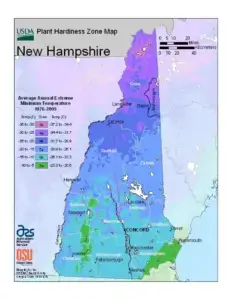
The state is split into several zones, indicating very low extreme minimum temperatures:
- Zone 3b: between $-35^\circ F$ to $-30^\circ F$
- Zone 4a: between $-30^\circ F$ to $-25^\circ F$
- Zone 4b: between $-25^\circ F$ to $-20^\circ F$
- Zone 5a: between $-20^\circ F$ to $-15^\circ F$
- Zone 5b: between $-15^\circ F$ to $-10^\circ F$
- Zone 6a: between $-10^\circ F$ to $-5^\circ F$
These consistently low temperatures indicate that you should steer away from warm-season grasses. Instead, the best grass seed for New Hampshire is Cool-Season Grass, as they are more suitable for the cold climate, offering better cold tolerance and disease resistance.
When to Plant Grass Seed in New Hampshire?
Cool-season grass seed thrives and grows best during the cooler months, staying dormant in the full sun of summer.
- Best Time:Early fall (September to November). This window allows enough time for the seeds to germinate and establish strong roots before the first frost.
- Secondary Time: Early spring (March through May).
- Time to Avoid: The summer months. Cool-season grasses struggle to germinate and establish during the scorching heat and may become wilted and dry.
Here’s a short timeline for year-round lawn care:
March to May (Spring)
- If planting in the fall, your lawn is ready for its first mow. Mow slightly lower to discourage winter diseases.
- Planting: Early spring is the secondary planting window for new seeds.
- Maintenance: Prevent weeds and fertilize the land (skip fertilizing newly planted seeds). Repair any bare spots.
- Watering: Water new grass with about 1 inch of water per week, accounting for rainfall.
June to August (Summer)
- Mowing: Mow more frequently and maintain a higher cut height to help the lawn withstand summer stress.
- Maintenance: Fertilize lightly to maintain color. Use non-chemical pesticides if needed.
- Testing: Test your lawn soil for its pH and nutrient needs.
- Watering: Water regularly during dry periods to prevent dormancy.
September to November (Fall)
- Seeding: This is the ideal time for seeding your lawn again and watering it for establishment.
- Mowing: Slowly decrease your mowing height, but continue until the grass stops growing.
- Winter Prep: Treat your lawn with a final round of fertilizer a few weeks before you expect the first frost.
December to February (Winter)
- Maintenance: Clean your lawn frequently from winter debris.
- Damage Control: Flush the lawn to clean it from ice or pet urine damage.
—
Best Types of Grass Seed in New Hampshire
Choosing the right cool-season seed is vital for success. You must consider factors beyond just temperature, including moisture levels, soil fertility, acidity, and humidity, all of which can encourage lawn disease or pests. Here are the best cool-season grass options for New Hampshire:
Kentucky Bluegrass (KGB)
- Qualities: Beautiful green color, vigorous growth, and excellent cold resistance.
- Maintenance: Classified as moderate to difficult. It takes time to germinate and is susceptible to heat, drought, and disease, requiring diligent maintenance and pest control.
- Recommended Product: Kentucky Bluegrass seed (KGB)
Perennial Ryegrass
- Qualities: Dark green color, good drought and heat tolerance, and thrives in full sun (can withstand some shade).
- Maintenance: Moderate to easy. It is prone to some diseases but is great for mixing.
- Blends: Makes an excellent blend with Kentucky Bluegrass and Fine Fescue.
- Recommended Product: Perennial Ryegrass
Fine Fescue
- Qualities: Features narrow leaf blades (fine texture), excellent **shade tolerance**, and can withstand very high pH in the soil.
- Maintenance: Due to its fine texture, it can be challenging to mow. It requires low maintenance overall.
- Recommended Product: Fine fescues
Tall Fescue
- Qualities: Excellent tolerance to drought and extreme heat. Recovers relatively quickly from pests or diseases.
- Maintenance: Low to moderate maintenance, making it an excellent variety for home lawns. It takes longer to germinate than other cool-season varieties.
- Recommended Product: Tall fescue mix
Bentgrass (Specialized)
Bentgrass has a fine texture and can withstand shallow mowing heights. However, it is tough to maintain because it is prone to disease and does not resist drought or heat well. This type of grass is best used on a golf course or other high-maintenance, specialized turf areas.
New Hampshire Grass Seed Summary
Conclusion
With cold winters and moderate warm summers, New Hampshire is the perfect place for cool-season grasses. These varieties are the only way to achieve a vibrant lawn, as they provide the necessary cold, drought, heat, and shade resistance for the local conditions.
The most popular grass seed mixes for this area include Kentucky Bluegrass, Perennial Ryegrass, Fine Fescues, and Tall Fescues.
Planting a lawn in New Hampshire is easy when you use high-quality seed mixes. Nature’s Seed provides a variety of grass seeds tailored to your projects and needs. Use our handy Seed Selector to locate the right grass seed for your lawn, based on your growing region.
Would you like to search for the best time to fertilize Kentucky Bluegrass in New Hampshire?