The Best Grass Seed For Maine

Available Pasture Mixes for Maine
- Big Game Food Plot & Forage Mix
- Chicken Forage Seed Mix
- Cool Season Cattle Pasture Seed Mix
- Full Potential Food Plot
- Green Screen Food Plot
- Honey Bee Cover Crop & Pasture Mix
- Horse Pasture Mix - Transitional
- Krunch and Munch Food Plot
- Llama & Alpaca Pasture Seed Mix
- Pig Pasture & Forage Mix
- Shade Mix Food Plot
- Sheep Pasture & Forage Mix - Transitional
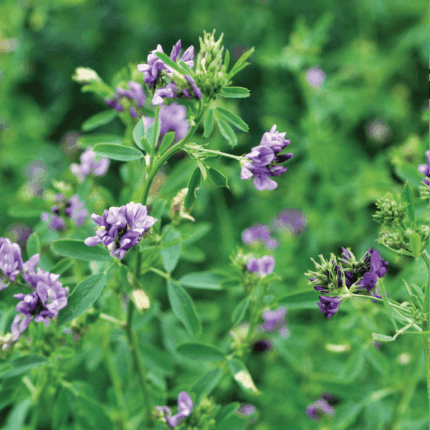
Clover Seed for Maine
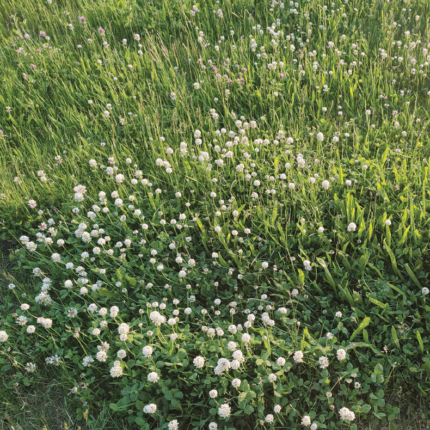
Specialty Seed for Maine
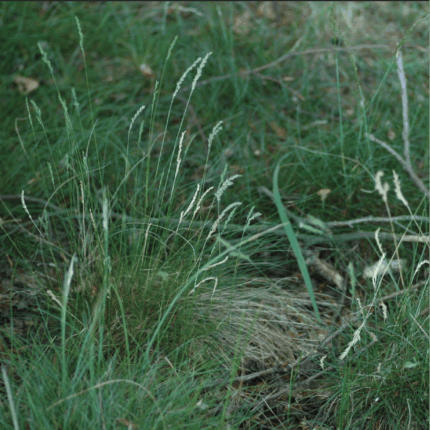
Wildflower Seed for Maine

The Best Grass Seed for Maine Lawns: Thriving in Cool Climates and Acidic Soils
As in any other state, homeowners in Maine want a green lawn to beautify their property. A well-kept lawn also invites plenty of relaxing outdoor moments with friends and family. However, with cool temperatures most of the year, growing grass in Maine requires diligence and the right mix of lawn seeds.
Many people might struggle to grow a home lawn in Maine because of the state’s weather variations, harsh winters, and the potential for the lawn soil surface to attract lawn pests. That’s why it’s crucial to have as much information as possible on growing a healthy lawn in Maine.
The key is to know the soil pH, select the best cool-season grass seed, and then plant the seeds at the right time. Read on to learn about the best turfgrasses for Maine and how to grow them.
Maine Grass Seed Growing Conditions
When growing grass in Maine, what seeds you should choose depends on your soil and the weather conditions in your area.
- Plant Hardiness Zones: Maine’s hardiness zones range from 3 to 6, with most of the state falling in the 3b and 4a zones. These zones have minimum average temperatures between $-36$ and $-25^\circ F$. You must use grass seed varieties with excellent cold hardiness.
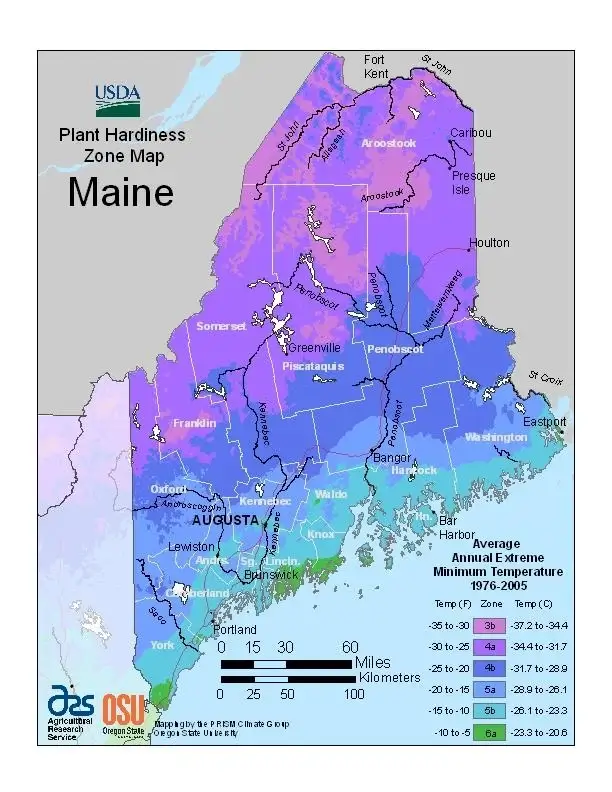
[Image of Maine Hardiness Zone Map]
(Image Source: UMaine Extension)
- Soil pH: Due to its location in the northeastern corner and the influence of the Atlantic Ocean, a lot of the soil in Maine is naturally acidic, often ranging from a pH of 4.5 to 5.0. It’s best to check your soil before planting — if it’s too acidic for your grass seeds, you can add lime before planting to neutralize the soil towards the optimal range (6.0 to 7.0) for most turfgrasses.
- Climate: Maine’s climate is characterized by mild summers and harsh, snowy winters, which strongly favors cool-season grasses over warm-season varieties.
The Best Time to Plant Grass Seed in Maine
In Maine, the best time to plant grass seed is when the temperatures start to drop at the end of summer. For a new lawn or overseeding, you should aim to plant in late summer to early fall, from August 15th to September 15th.
- Fall Planting: This timing is ideal because the soil is still warm from the summer, which supports a stronger germination period and better root establishment before winter. You also benefit from easier weed control because there is less competition from weeds than in the spring.
- Spring Planting: Another planting window is in early spring (mid-April to early May) when you have warm soil and better temperatures. However, growth will be slower, and you will face more competition from summer annual weeds.
- Dormant Seeding: If you miss the fall window, you can plant your grass seed at the beginning of winter (late fall/early winter). The seeds remain dormant until early spring. This method carries risks like seeds being damaged or washed away by snowmelt.
- Avoid Summer Seeding: The heat and potential drought conditions of summer can quickly dry out the seeds and prevent germination, leading to failure.
Best Types of Grass Seed for Maine
All recommended permanent turf varieties for Maine are cool-season grasses, chosen for their ability to withstand cold winters and thrive in moderate summer temperatures.
Kentucky Bluegrass (Durability and Self-Repair)
Kentucky bluegrass is an excellent cool-season grass for Maine lawns. It forms a thick carpet of green that can withstand the full sun and the colder temperatures of the winter.
[Image of Kentucky Bluegrass lawn]

It can handle lots of foot traffic, is fairly drought tolerant, and repairs itself after damage (via rhizomes), making it the perfect grass for this northern state. Its only downside is that it requires more effort in maintenance and fertility than other popular grass seed types.
Fine Fescue (Shade and Low Maintenance)
With a fine texture and tolerance of drought, acidity, and infertile soils, fine fescues are a great seed choice for Maine. They can withstand the full sun and are highly shade tolerant.
[Image of Fine Fescue grass blades]

Different types, such as red fescue, chewings fescue, and hard fescue, are often blended with other grass types for better coverage, especially in shaded areas where Bluegrass struggles.
Tall Fescue (Heat and Drought Resistance)
Tall fescue is characterized by excellent germination and low maintenance requirements. This seed can be used as a stand-alone seed or mixed with other grasses for a perfect lawn.
[Image of Tall Fescue turf]
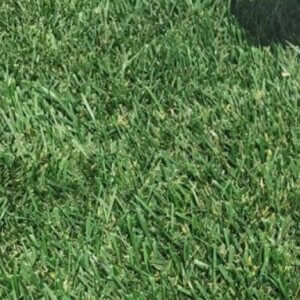
It is known for its heat and drought resistance due to deep roots, making this a good option for southwestern Maine where summers are warmer. The downsides of this seed are that it can be affected by a very cold winter which can damage the grass if snowfall is insufficient.
Perennial Ryegrass (Quick Germination)
With a beautiful dark-green color and a fine to medium texture, perennial ryegrass is an attractive and easy-to-grow grass. It can withstand heavy foot traffic and germinates very quickly (often in as little as 7-10 days), making it an excellent choice for quick establishment or repair.
[Image of Perennial Ryegrass turf]
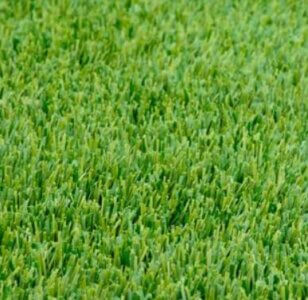
This type of grass is best used in seed blend with Kentucky bluegrass to leverage its quick germination alongside Bluegrass’s durability. It requires regular mowing and may thin out during extremely cold winters due to its bunch-type growth habit.
Conclusion
Don’t fret if you’re looking to grow a healthy lawn in Maine but get discouraged because of the weather. It’s possible to grow a beautiful home lawn in even the coldest parts of Maine by selecting cold-hardy cool-season grasses.
By using the information on plant hardiness zones, tips on neutralizing Maine’s naturally acidic soil with lime, and selecting a robust seed mix—such as blends featuring Kentucky Bluegrass, Fine Fescue, and Perennial Ryegrass—you are ready to create the lawn of your dreams.
Look to Nature’s Seed for some of the highest quality grass seeds and seed mixes tailored to your goals and lawn care projects. Visit our online store or use our selector tool to browse our selection and start planting a healthy and lush lawn in Maine!