
How to Plant and Grow St. Augustine Grass Seed
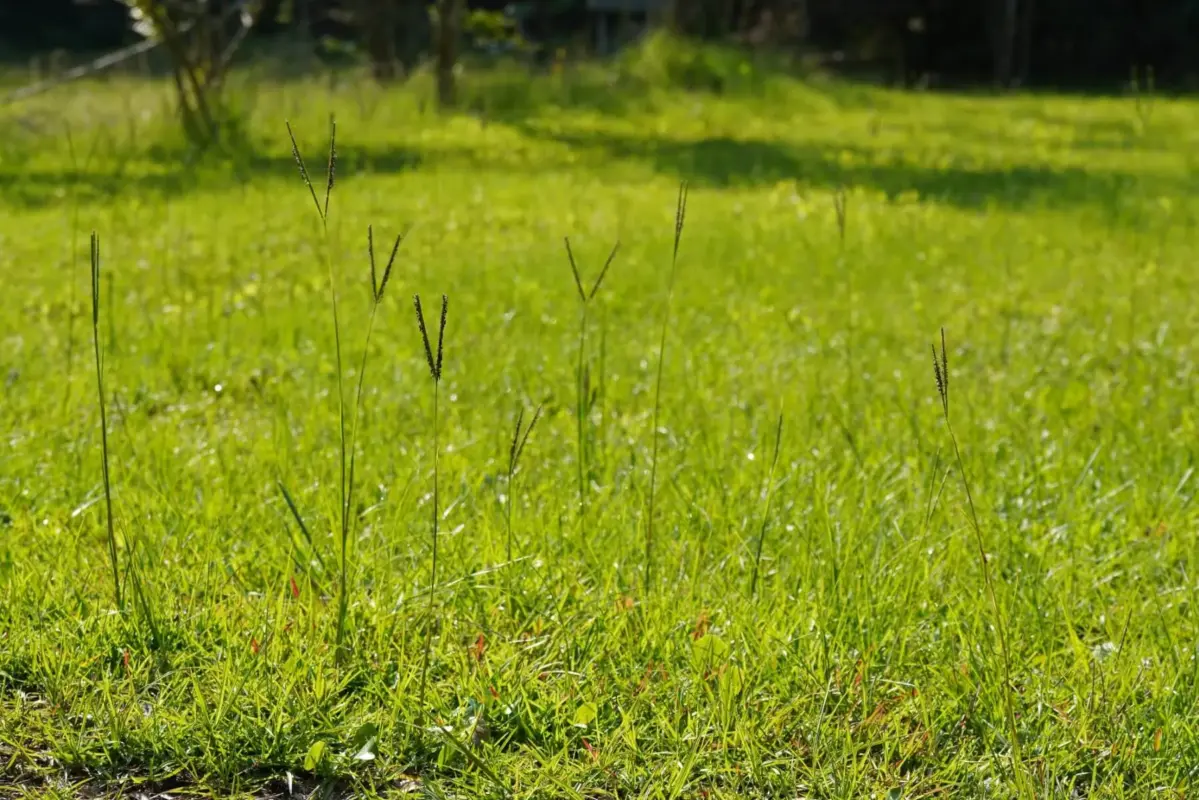
St Augustine grass is a prevalent choice in warm and coastal climates due to its heat and salt resistance—but residents looking to install this lawn are often confused about where to buy St Augustine grass seed.
This is because St Augustine grass is a man-made variety that grows primarily from sod, plugs, and stolons. Even the “seed pods” that sprout from individual St Augustine grass blades are not viable for planting. If you’re wondering how to grow St Augustine grass from seed, you will need to start with pre-sprouted propagations.
Can I buy St. Augustine grass seed? St. Augustine grass seed is not commercially available because this turfgrass variety is typically sterile or produces non-viable seeds. Instead of seed, St. Augustine grass is established using vegetative methods like sod, plugs, or stolons. Plugs offer a more affordable, though slower, alternative to instant coverage with sod.
Table of Contents
Difference Between Sod and Plugs
Since you’re unlikely to find St Augustine grass seed for sale, you’ll want to shop for sod or plugs. The main difference between these two options is the initial coverage.
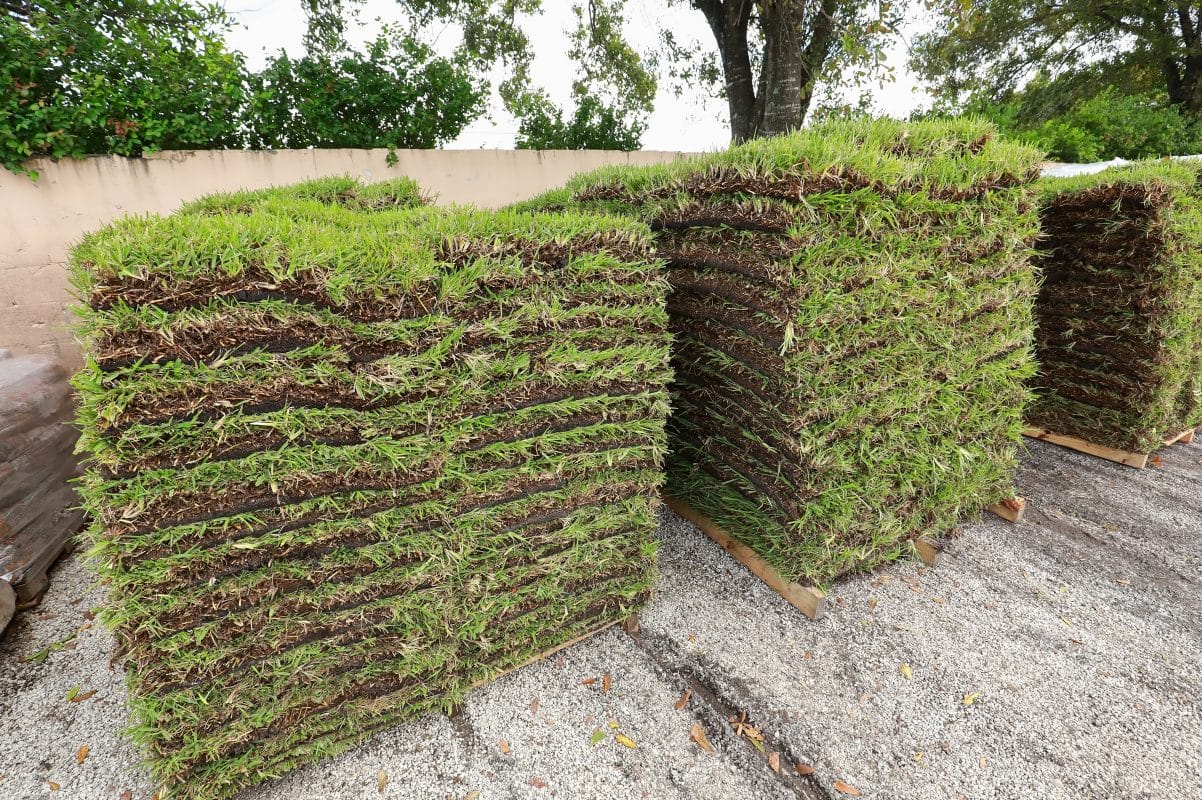
Sod is sold in sheets, and the installation will cover your entire plot right away. This is the fastest way to install a lawn with St Augustine grass. It offers instant gratification and excellent erosion control immediately after installation. When choosing sod, look for a reputable local farm that can ensure the variety is well-suited for your specific microclimate.
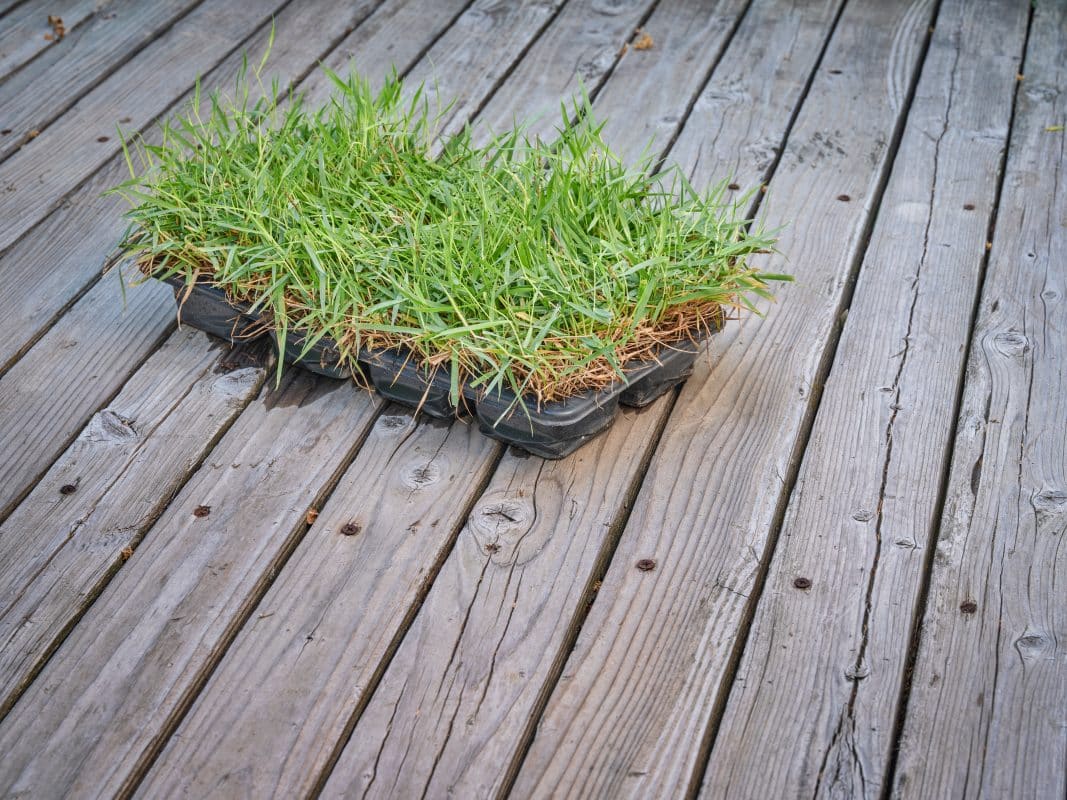
Plugs are also a popular option because they are cheaper than sod. St Augustine plugs are typically 1–2 inches thick and can take a year or longer to fully take root and fill in a lawn. This makes them a good option for a home that will be unoccupied for an extended period of time, or for residents who don’t need full access to their grass right away. This method requires more patience but is significantly easier on the budget.
Best Season to Plant St. Augustine Grass
Because this grass type thrives in warm weather, you can plant St Augustine in the spring and summer under full sunlight. This window, from mid-spring to early summer, allows the grass to establish a strong root system before the cooler weather returns. In fact, this variety does so well in the heat, that any exposure to cold temperatures can be harmful. Sunny states like Florida, Georgia, and Texas make great locations for St Augustine.
How to Plant St. Augustine Grass Plugs
You may not be able to plant St Augustine grass seed, but St. Augustine plugs are a fairly straightforward and reliable method for installing this type of lawn. This process requires several key steps to ensure successful establishment and a vibrant lawn.
Prepare the Soil
First, make sure your soil is ready. There are several things you should do before placing grass plugs in your yard:
- Test the soil: St Augustine grass requires a specific pH level (6–7.5 is ideal) and fertile soil. If you’re not sure about your soil health, you can order a soil test kit from a university or extension office.
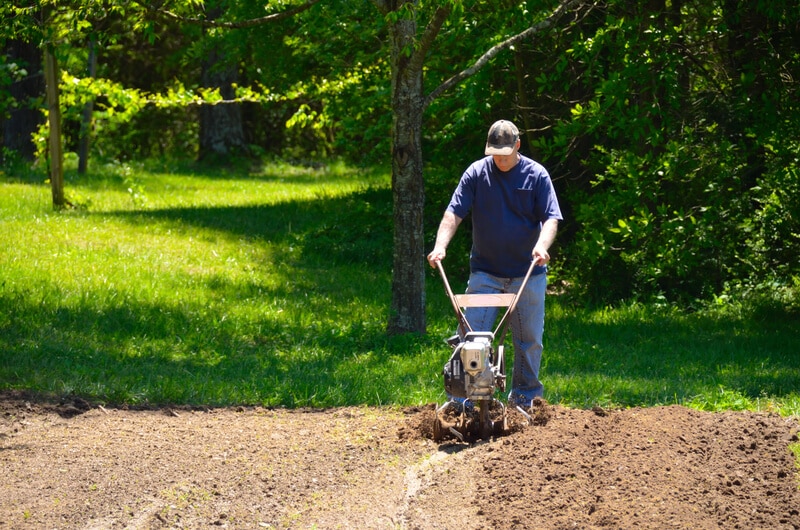
- Till the area: Once you’ve confirmed your soil’s health, you can begin breaking up the dirt to create an even, aerated surface area. This promotes better root penetration and drainage.
- Drill holes: Next, it’s time to drill holes for your grass plugs. St Augustine grass plugs should be placed about 12 inches apart in a staggered pattern to allow them space to spread.
- Fertilize & water: Apply a starter fertilizer (based on your soil test results) to the drilled holes and water them to create an ideal environment for the grass plugs to take root.
Place the Plugs
After preparing the soil and drilling holes, you can begin placing your St Augustine grass plugs. Press them down into the ground firmly and fill in the sides with the surrounding soil. Make sure the roots are covered, and that the grass on top is fully visible above ground. The crown of the grass must be at or slightly above the soil level.
Watering
Water your grass plugs regularly after installation. We recommend once per day for about 2–3 weeks, followed by once every 3–7 days, depending on the area where you live and rainfall. The goal is to keep the soil consistently moist but not saturated while the roots establish themselves. Once established, St. Augustine is known for its relatively good drought resistance compared to other warm-season grasses.
Mowing and Maintenance
Because grass plugs have to do the extra work of filling in the gaps in a lawn, it’s best to wait a while before mowing. Avoid walking on the new plugs during the first few weeks.
After about 6 weeks, or once the grass has reached 6 inches in length, you should be able to mow St Augustine grass. Start with a higher setting (like 3 inches) for the first few mows to avoid damaging new growth. After a month or two, you can apply fertilizer to the lawn to encourage continued growth from your grass plugs.
- Bare spots: If you begin to notice bare patches in your St Augustine lawn, you can encourage growth by dethatching the surrounding grass and adding nutrient-rich soil. You can also purchase individual plugs to fill in these gaps.
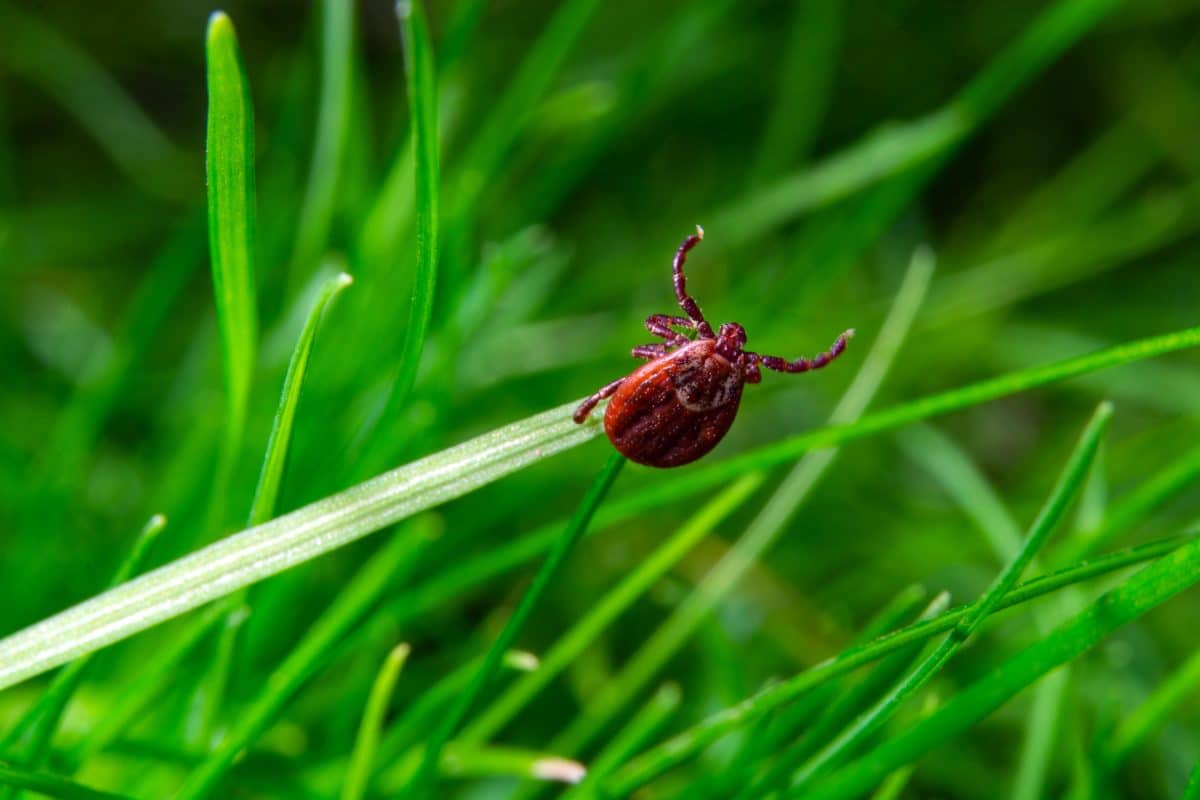
St Augustine grass lawns are susceptible to several different kinds of pests and diseases, so it’s important to keep an eye on your investment. Chinch bugs are a common and serious threat, especially in hot, dry weather. They cause irregular, dead patches that can be mistaken for drought stress.
The best way to prevent pests and rot is to practice regular lawn maintenance. Mow every 1–2 weeks, depending on growth patterns, and try to keep the grass a bit longer (3–4 inches) to encourage deep roots below the soil’s surface. Long grass blades shade the soil, reducing heat stress and drying.
Avoid over-watering as this can lead to root rot and encourage pest populations. This practice is crucial for preventing fungal diseases like brown patch. Apply fertilizer on a regular schedule, and insecticides in the fall if pest populations are known in your area. Maintaining the health of your soil and grass will deter grubs, mole crickets, and other unwelcome guests.
Alternatives to St Augustine Grass Seed
You may not be able to find many tips on how to grow St Augustine grass from seed, but if seeding is your preferred method of cultivation, there are some great alternatives available. These warm-season grasses share many of the desirable characteristics of St. Augustine, such as heat and drought tolerance, but can be established easily from seed.
Zoysia Grass
Like St Augustine, Zoysia is thick-bladed, does well in hot temperatures, and looks great in residential lawns. Zoysia grass seed grows slowly but is great for high-traffic areas once established. It forms a dense, carpet-like turf that is very comfortable underfoot.
Bermuda Grass
Bermuda grass seed is another very popular choice in warm and coastal climates. This seed grows quickly, recovers from damage easily, and thrives in hot temperatures. The blades are thinner than Zoysia and St Augustine, so be aware that Bermuda does have a different look and feel, often used for sports fields and golf courses due to its resiliency. If you have shade, however, Bermuda will struggle.
Buffalograss
Buffalograss seed is another slow-growing seed (like Zoysia). This grass variety thrives in hot climates and enters a brown dormant state in cold temperatures. It’s also highly drought-resistant, requiring much less water than St. Augustine, making it a great choice for desert states like Arizona and New Mexico and for anyone seeking a low-maintenance lawn. You can learn more about its care by exploring our main grass seed category page.
Get Your Grass Seed With Nature’s Seed
At Nature’s Seed, we specialize in ‘golf-grade’ grass seed varieties with a 100% customer satisfaction guarantee. So whether you’re interested in varieties similar to St Augustine grass seed or want something simple like micro clover, we have dozens of options for residential lawns. We also offer tools and resources on our Resource Center to help you choose the right seed.
Find the best grass seed for your region with Nature’s Seed, and start planting your dream lawn today. Ready to browse our full selection?



