Lawn and Turf

Best Grass Seed to for Dogs & High Traffic (2026)

By Leo Silva 3 min read
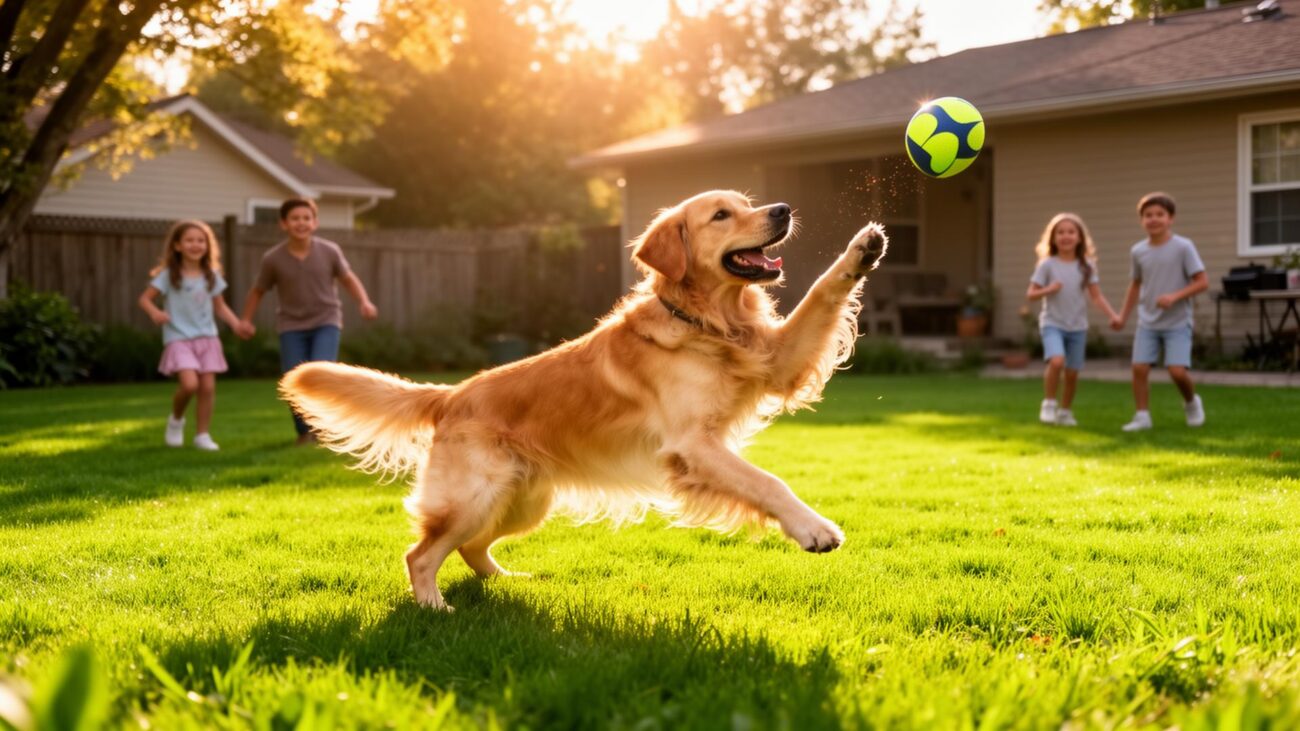
Image created • Playful moments in a backyard

Best Grass Seed for Dogs &
High-Traffic Lawns (2026)

Build a lawn that survives zoomies, fetch, and kid chaos—without reseeding every month.

High-PLS seed, cleaned and tested
Farm-direct supply chain
Mixes reviewed for performance by lawn experts

Why These Grasses Work With Dogs

Kentucky Bluegrass (KBG) is often cited as the go-to for high-traffic lawns because of its aggressive rhizome system—underground stems that spread and fill in damage naturally. Combined with traffic-tolerant varieties, your lawn literally repairs itself.

Perennial Ryegrass offers the fastest establishment, germinating in as little as 5-7 days. It’s perfect for quick repairs and overseeding worn areas. When blended with KBG, you get the best of both worlds: fast coverage now and long-term recovery later.

Self-repairing
Fast establishment
Traffic tolerant

3-Step Dog Lawn Repair Routine

1

Fix the Cause

Address compaction, drainage issues, or irrigation coverage problems before reseeding.

2

Rake & Prep

Remove debris and ensure seed-to-soil contact for optimal germination.

3

Water Correctly

Keep soil consistently moist (not soaked) until grass is fully established.

Pick Your Situation

Every lawn challenge has a solution. Find the right grass seed for your specific needs.

Wear and Tear

Wear & Tear

Running paths, play zones

Stop the erosion with our most durable, athlete-grade Sports Turf blend.

Shop Sports Turf
Pet Spots

Dog Urine Spots

Yellow patches, burned grass

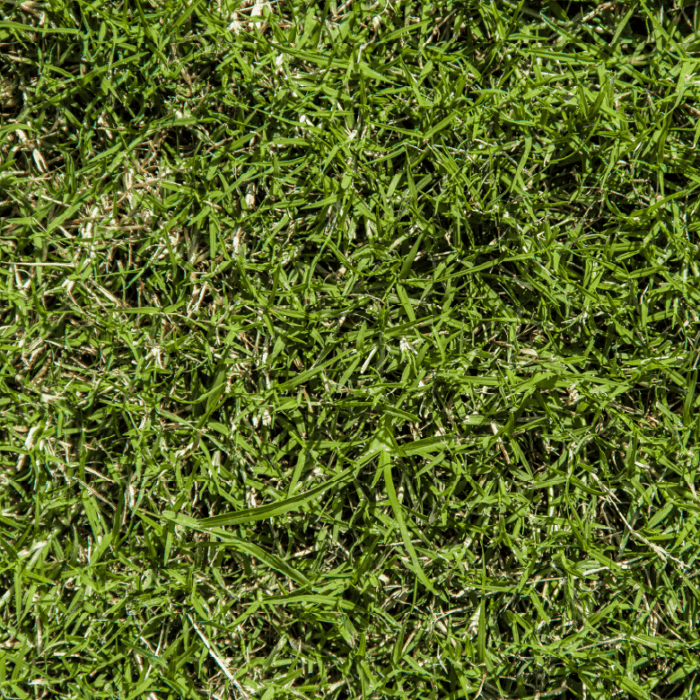
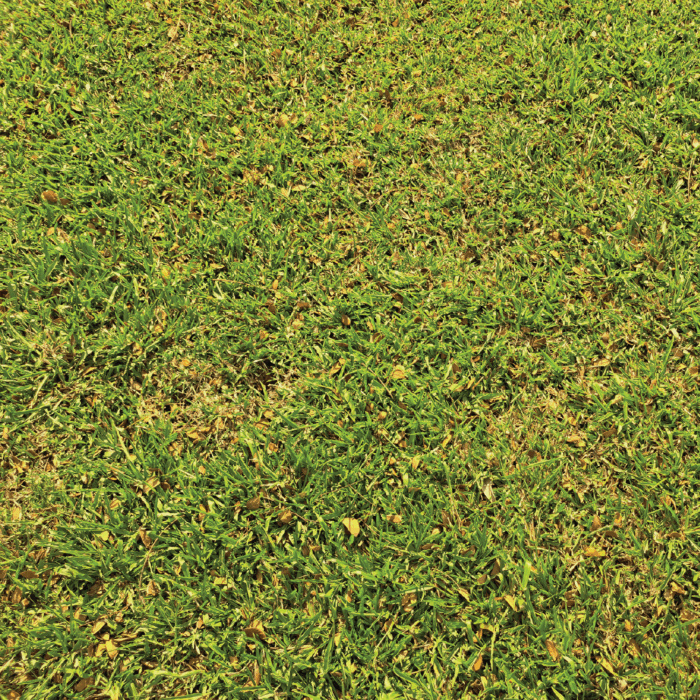
Self-repairing rhizomes fill in burnt spots automatically. Our #1 pet-owner choice.

Shop Blue Ribbon
Fast Fix

Digging & Thin Areas

Bare spots, patchy lawn

Fast-acting germination that gets green on the ground in as little as 5 days.

Shop Ryegrass Blend

Our Top Recommendations

Expert-tested grass seeds that thrive under pressure. Perfect for families with pets and active kids.
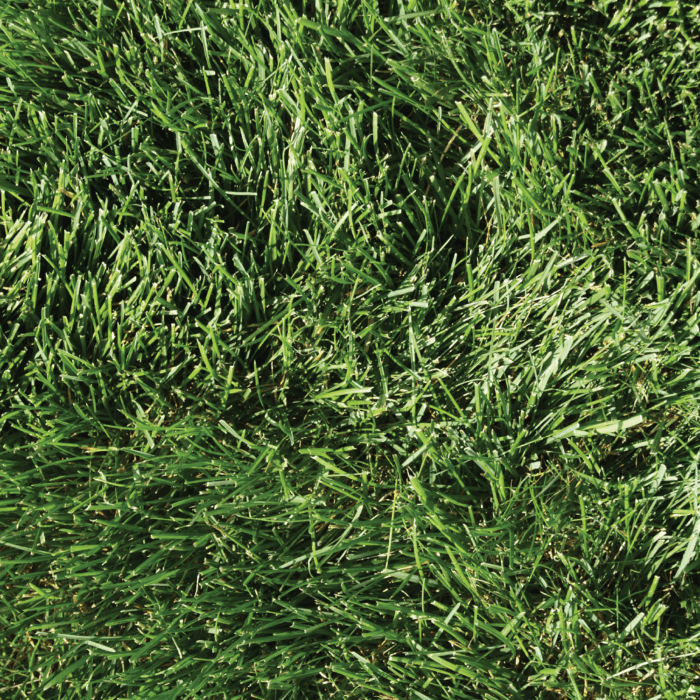
Best Seller Water-Wise Bluegrass

Water-Wise Bluegrass

Durable KBG with 30% less water needs

  • Deep-rooting KBG technology
  • High traffic & pet tolerance
  • Elite self-repair capabilities
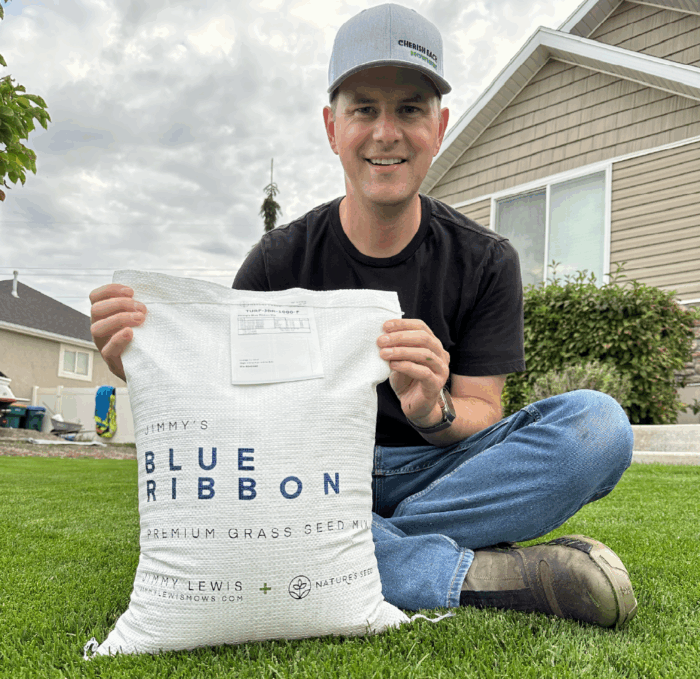
Premium Mix Jimmy's Blue Ribbon

Jimmy’s Blue Ribbon

KBG + PRG Mix for traffic recovery

  • Professional-grade density
  • Resilient against pet activity
  • Beautiful emerald aesthetics
Heat Tough Bermuda Blend

Bermuda Blend

Superior heat & drought resilience

  • Thrives in full sun & high heat
  • Aggressive self-repairing stolons
  • Excellent wear & salt tolerance
Fast Germ Ryegrass Blend

Ryegrass Blend

Instant repair for bare patches

  • Germinates in 5-7 days
  • High-density soil cover
  • Perfect for overseeding

Frequently Asked Questions

Get answers to the most common questions about grass seed for dogs and high-traffic lawns.

What grass is best for dog urine?
Perennial Ryegrass and Kentucky Bluegrass are among the most resilient options for handling dog urine damage. Both recover quickly and can tolerate the nitrogen overload. For best results, water the area immediately after your dog goes to dilute the urine, and overseed bare spots with a fast-germinating mix.
What’s the fastest way to fix dog patches?
Rake the dead grass to expose soil, apply a thin layer of compost, scatter Perennial Ryegrass seed (germinates in 5-7 days), cover lightly with straw, and water 2-3 times daily until established. Most patches show green within 10-14 days with proper care.
Cool-season vs warm-season for pet lawns?
Cool-season grasses (KBG, Perennial Rye, Fescue) work best in the northern 2/3 of the US where temperatures stay below 85°F in summer. Warm-season grasses (Bermuda, Zoysia, Buffalograss) thrive in the South where summers are hot. For dog lawns, Bermuda and KBG are top choices in their respective climates due to aggressive spreading and recovery.
How long until my new grass can handle dog traffic?
Wait until grass is 3-4 inches tall and has been mowed at least twice before allowing regular traffic. For cool-season grasses, this is typically 6-8 weeks. Keep dogs off newly seeded areas during germination and early establishment for best results.
Should I use seed or sod for dog-damaged areas?
For small patches, seed is cost-effective and blends well. For larger areas or if you need immediate use, sod provides instant coverage. Either way, choose traffic-tolerant, self-repairing varieties. Sod needs 2-3 weeks to root before heavy use; seed needs 6-8 weeks.

Customer Reviews