Xeriscaping Myths vs. Facts: It’s Not Rocks and Dead Grass
You typed "xeriscape" into Google and the first image was a Phoenix front yard — gravel, three cacti, a piece of driftwood, and a saguaro twenty feet from the door. You closed the tab.
That’s the problem this article exists to solve. Because the picture in your head is wrong, and it’s the only thing keeping you from cutting your water bill 50% and your mowing schedule by half.
Myth 1: "Xeriscaping is just rocks and cactus"
False. That’s zero-scaping, and they’re not the same thing.
A zero-scape replaces plants with hardscape — gravel, decomposed granite, mulch, boulders, the occasional sculptural agave. It can look fine in the right setting, but it’s not what we’re talking about here.
A xeriscape is a planted landscape, just with plants that match the climate. In most of the United States, that looks like:
- Native or adapted turfgrasses (buffalograss, blue grama, fine fescues)
- Clover or microclover groundcover
- Wildflower meadow zones
- Native bunchgrasses on slopes
- Drought-tolerant perennial beds
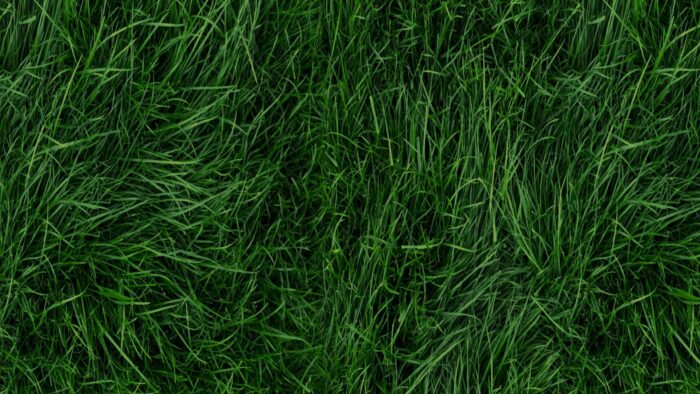
Green. Living. Often lush. The "xeric" in xeriscape refers to water input, not appearance.
Myth 2: "My yard will look neglected"
False — if you choose the right species and seed at the right time.
A buffalograss lawn at peak season looks like a slightly shorter, slightly bluer, slightly softer version of a traditional lawn. A microclover lawn looks like a clover-fortified turf — green, dense, and even. A fine fescue mix in partial shade reads as a cool, fine-textured ornamental lawn. None of these look neglected.
What people picture as "neglected" is usually one of three things: a dormant cool-season lawn that wasn’t watered (that’s a maintenance problem, not a xeriscape problem), a yard that was seeded into bad soil and never filled in (a planning problem), or a true zero-scape with weed pressure (a different design choice).
When done right, a xeriscape reads as a thoughtfully designed yard, not an abandoned one.
Microclover is the clearest example of this. Why this works: microclover stays green through summer when bluegrass goes brown, fills in dense enough to outcompete most weeds, fixes its own nitrogen, and looks indistinguishable from a maintained lawn from ten feet away. The leaf is small enough that even up close it doesn’t read as "clover" the way Dutch white clover does. Order Microclover at Nature’s Seed.
Myth 3: "It costs more upfront"
Partially true in the short term. False over any time horizon longer than two years.
Yes, switching a lawn over costs something. You’re paying for soil amendments, new seed, and your time. But compare honestly:
| Cost Category | Traditional Bluegrass Lawn | Xeriscape Lawn |
|---|---|---|
| Initial seed/sod (5,000 sq ft) | $400–$1,200 | $150–$400 (seed) |
| Annual water (West, 5,000 sq ft) | $600–$1,400 | $100–$400 |
| Annual fertilizer | $100–$200 | $0–$50 |
| Annual mowing (gas + time) | $200+ | $50–$100 |
| Year 1 total | High | Moderate |
| Year 5 total | Very high | Low |
Seed is inexpensive compared to sod. Water-wise grasses cost about the same per pound as bluegrass. The only thing you’re really paying for is one season of soil prep and establishment watering, and after that the curve flips and stays flipped.
Myth 4: "HOAs won’t allow it"
Depends on the HOA, but the picture is improving fast — and you have more options than you think.
Many HOAs that prohibit "non-traditional landscaping" do so because they’re picturing rocks and cactus. A buffalograss lawn or a TWCA-certified water-wise turf mix looks indistinguishable from traditional turf when established. From the curb, nobody can tell.
The Turfgrass Water Conservation Alliance (TWCA) certifies grasses that meet strict drought-tolerance standards while delivering the appearance and density of conventional turf. These are the easy HOA wins — they look the part, they pass the visual inspection, and they cut water use 30–50% on day one.
Many states (Colorado, Nevada, Utah, California) now have laws preventing HOAs from prohibiting water-wise landscaping outright. Check your state, then check your CC&Rs.
Myth 5: "It requires no maintenance at all"
False. A xeriscape requires less maintenance, not zero.
Year one expects:
- Establishment watering (2–3x daily for the first 3 weeks, then tapering)
- Hand-weeding while the new seed fills in
- Soil moisture monitoring
- Possibly overseeding thin spots
After year one, the maintenance drops dramatically. By year three, a typical xeriscape needs:
- Mowing 4–8 times per season (vs. 25+ for bluegrass)
- Supplemental water only during extended drought
- No fertilizer on native zones
- Periodic edging and mulch refresh
It’s not no work. It’s much less work, and it stays that way.
Myth 6: "Native plants are ugly"
This is more about execution than plant quality. A scraggly, half-bare wildflower zone full of thistle is ugly. A well-planned wildflower meadow is one of the most striking things you can have in a yard.
The difference is design — picking the right mix for your zone, prepping the soil, and giving it the time it needs to fill in. Wildflower meadows look thin in year one. By year two, they look intentional. By year three, they look like the cover of a regional gardening magazine.
Jimmy’s Perennial Wildflower Mix is the example to point at. Why this works: it’s a perennial-heavy mix with proven garden performers — coneflower, black-eyed Susan, blanketflower, prairie aster — that bloom in waves from late spring through fall. Year one is establishment. Year two is the payoff. Order Jimmy’s Perennial Wildflower Mix at Nature’s Seed.
Myth 7: "It’s brown for half the year"
This depends entirely on which species you pick.
| Species | Dormancy Pattern | Color Profile |
|---|---|---|
| Buffalograss | Tan from first frost to late spring | Blue-green in season |
| Bermudagrass | Tan in winter | Deep green in season |
| Microclover | None — evergreen most zones | Bright green year-round |
| Fine Fescue | None — evergreen most zones | Cool dark green |
| Wildflower mix | Stems and seedheads through winter | Green/colorful in season |
If "brown in winter" is a non-starter for you, plant fine fescue or microclover. If you can accept tan dormancy in exchange for the lowest water use possible, buffalograss is the answer. The choice is yours — there isn’t one xeriscape look.
Meadow Lawn Blend sits in the middle of these tradeoffs. Why this works: it combines low-growing native fescues with companion legumes for a lush, walkable meadow appearance. Dense, soft underfoot, mostly evergreen in mild winters, and it doesn’t go tan the way warm-season grasses do. Order Meadow Lawn Blend at Nature’s Seed.
Myth 8: "It only works in the desert Southwest"
False. Xeriscaping is a design approach, not a regional aesthetic. It applies anywhere a homeowner wants to use less supplemental water than they currently do.
In the Pacific Northwest, that might mean planting fine fescue and microclover instead of bluegrass — both stay green on natural rainfall in zones 7–8 most years. In the Midwest, that might mean tall fescue or buffalograss in the prairie-influenced western states. In the Northeast, that might mean reducing irrigated lawn area in favor of native perennial beds and clover groundcover. In the high plains, it’s buffalograss and blue grama.
The principles don’t change. The species do. There’s a xeriscape version of every regional landscape style.
Myth 9: "Drought-tolerant lawns can’t handle traffic"
Mostly false, with a small kernel of truth.
Triblade Elite Bermudagrass handles heavy foot traffic, dog runs, and kid play areas as well as any traditional lawn — better than bluegrass in many cases, since it recovers faster from wear. Buffalograss is moderate-traffic — it handles family use, walking, and occasional play, just not constant athletic-field stress. Microclover is moderate-traffic too.
The species that can’t take heavy traffic are fine fescues, which is true but the reason has nothing to do with drought tolerance — fine fescues are specifically chosen for low-traffic ornamental zones.
Match the grass to the use case and traffic isn’t an issue.
What this means for your yard
Most of what stops people from xeriscaping isn’t a real obstacle. It’s an outdated mental image. Once you’ve seen a buffalograss lawn in July or a microclover front yard in August, the rocks-and-cactus picture stops being plausible.
The actual obstacles — soil quality, HOA approval, picking the right grass for your specific zone — are all solvable. They just need a plan.
Where to go next
- Read what xeriscaping actually is for the seven principles and the design framework.
- If your HOA is the holdup, HOA-friendly xeriscaping walks through approval-friendly species and CC&R navigation.
- When you’re ready to act, replacing your lawn with drought-tolerant grass is the step-by-step.
- The full xeriscape guide ties everything together with regional product recommendations.
You don’t have to live with a yard that fights you every summer. You just have to stop believing the picture from the first Google result.