Why Sugar Matters: High NSC (Non-Structural Carbohydrates) can trigger insulin spikes. Our 2026 blends focus on lower-sugar varieties that maintain horse health without sacrificing yield.
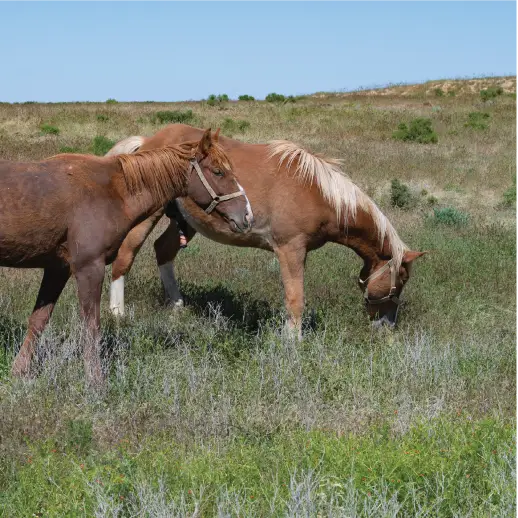
The 4-Inch Rule: Never let horses graze below 4 inches. This protects the “solar panel” of the grass leaf and prevents root die-back, ensuring your pasture survives through summer heat.
✓ Endophyte-Safe
✓ Lab-Tested PLS
✓ Low-Sugar Options
The 3 Keys to Longevity
1
Rest & Rotation
Divide your pasture. Give grazed areas 21-30 days to recover before re-introducing horses.
2
Soil Testing
Don’t guess; test. Ensure your pH is between 6.0 and 7.0 for optimal nutrient uptake.
3
Seedbed Prep
Remove existing weeds and ensure good seed-to-soil contact. Aim for a depth of 1/4 to 1/2 inch for most pasture mixes.
Pick Your Situation
Every pasture has unique challenges. Match your herd’s needs to the right forage solution.
Thin Pasture
Overseed with fast-establishing, high-yield grasses to crowd out weeds and restore density.
These high-value individual species serve as excellent supplements to boost the nutritional profile, fiber content, and palatability of your horse pasture.
Fiber Booster
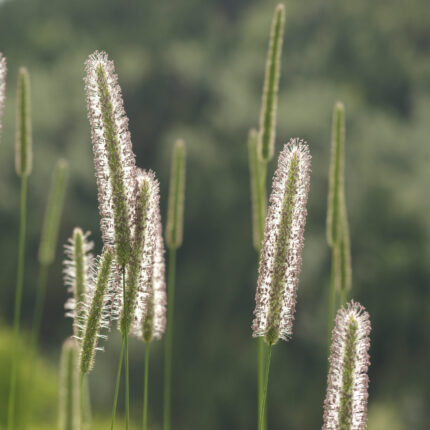
Timothy Grass Seed
Why choose this?
Timothy is the safest choice for horses with metabolic sensitivities. It provides essential long-stem fiber without the sugar spikes found in lush grasses.
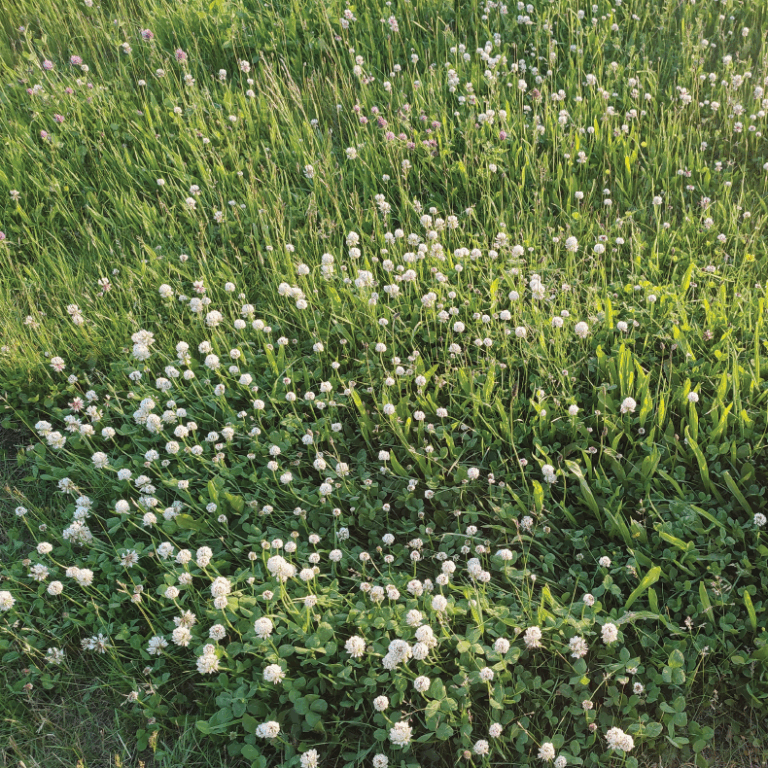
White clover is the safest legume for horses. It provides a natural boost of protein and minerals while fixing nitrogen to keep the rest of the pasture green.
When is the best time to reseed my horse pasture?
⌄
For most regions, late summer to early fall is the ideal window. This allows the root system to establish without competing against aggressive spring weeds. If you miss the fall window, “frost seeding” in late winter or a very early spring seeding are the next best options, provided you can keep horses off the area while it’s muddy.
How long must I wait to graze horses after seeding?
⌄
Patience is key. For a brand new pasture, you should ideally wait 6 to 12 months before full-scale grazing. If you are just overseeding a thin area, you may only need to wait 3-4 months. A good test is the “pull test”: if you grab a handful of grass and pull hard, the roots should stay in the ground. If the plant pulls out, it’s not ready.
What are “Endophytes” and why should I care?
⌄
Endophytes are a type of fungus found in some grasses (especially Tall Fescue) that help the plant survive drought and insects. However, they produce toxins that can be dangerous for pregnant mares, leading to “Fescue Toxicosis” which causes late-term abortions or foaling complications. Our horse-specific mixes are guaranteed endophyte-safe.
Why is my pasture turning into a “dirt lot” in high-traffic areas?
⌄
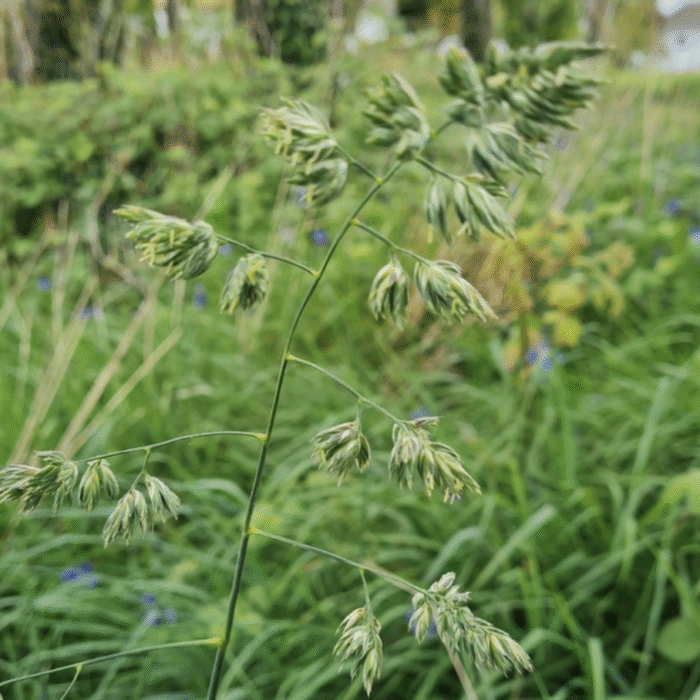
This is usually a combination of soil compaction and overgrazing. When soil is packed hard by hooves, air and water can’t reach the roots. To fix this, use a wear-tolerant mix containing Kentucky Bluegrass (which spreads via rhizomes to fill bare spots) and consider using gravel or “hoof grids” in gate areas where grass simply cannot survive the constant traffic.
Request a Bulk Shipping Discount
Fill out the form below and our partners at Native Seed Group will get back to you with a discounted shipping rate.
Thanks! We'll be in touch about your shipping discount.