Quality Highlights
| Every Seed Grows We don't pad bags with dead seed or filler. What's in the bag is what grows in your yard. | |
| Independently Tested, Every Batch Each lot is tested by a third-party lab for germination and purity before it ships to you. | |
| Grown on American Farms Our seed comes direct from U.S. growers we know personally — not a middleman warehouse. | |
| Clean Seed, No Shortcuts No coatings to inflate weight, no GMOs, no cheap filler species. Just seed. |
Free shipping on all orders under 125 lbs!
California Poppy
Eschscholzia californica | SKU: W-ESCA
Planting Aids for your Seed
What is California Poppy?
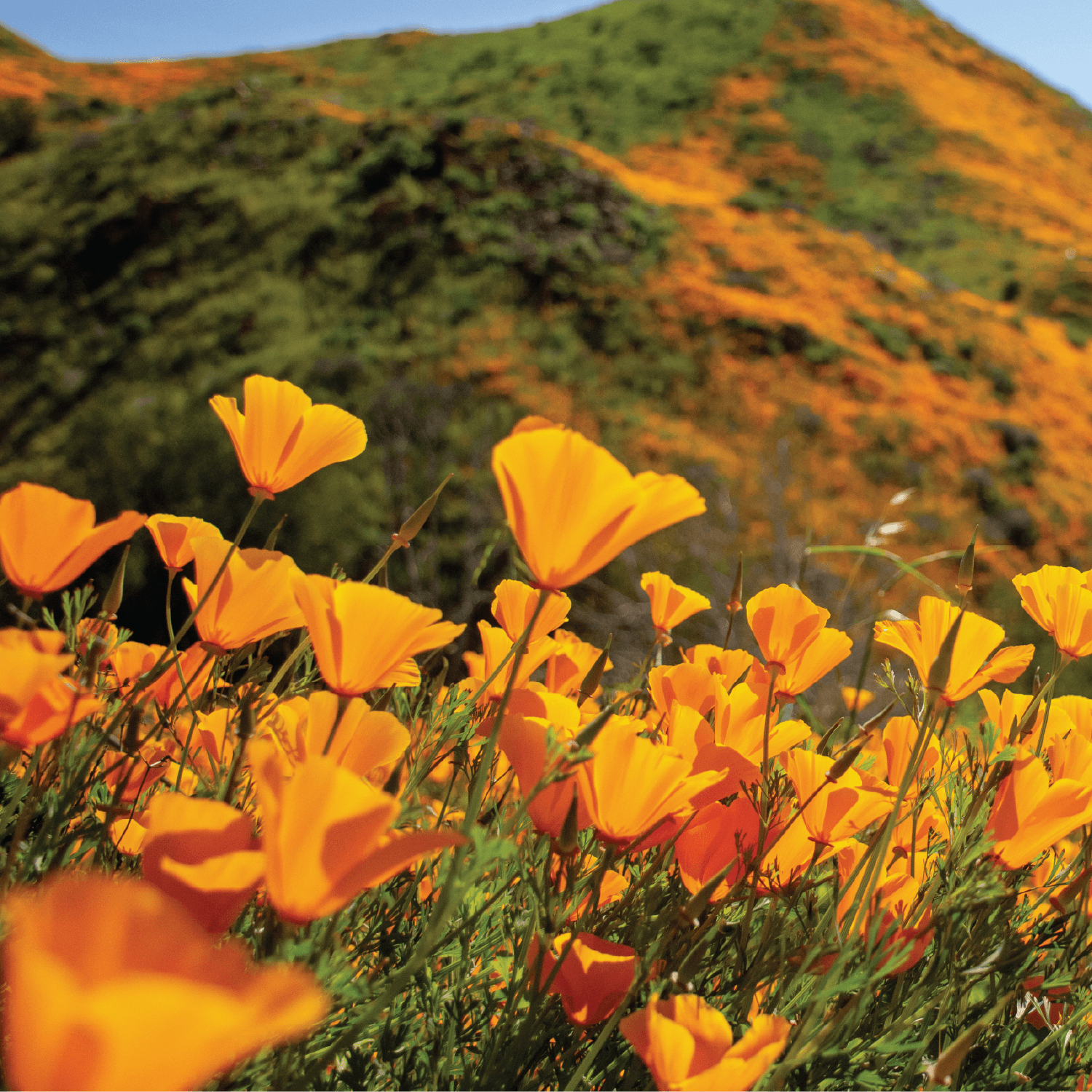
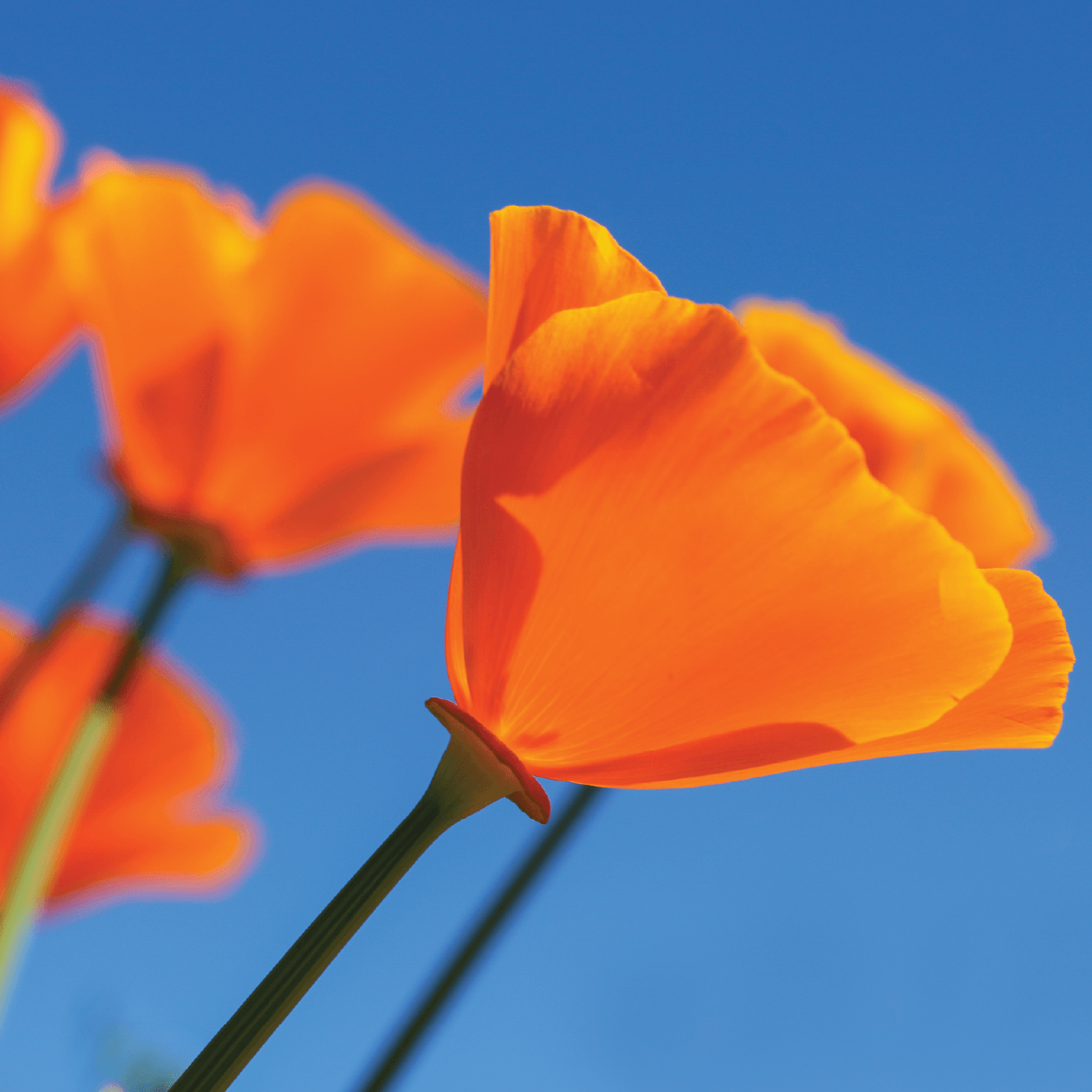
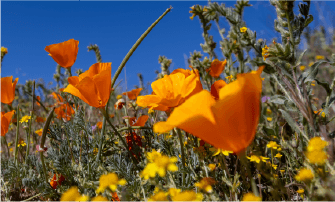
The California poppy is a low-growing wildflower known for its vibrant, cup-shaped blooms and delicate, fern-like foliage. Flowers are typically 2–3 inches wide with silky, four-petaled cups in golden orange or yellow—though some varieties come in cream, pink, or red. Blooms open in full sun and close at night or on cloudy days. Plants grow 6–12 inches tall and wide, forming soft mounds of blue-green leaves. Usually an annual, it can act as a short-lived perennial in mild climates. California poppies bloom from spring through early summer, often creating brilliant displays that blanket fields and gardens in color. It is also the official state flower of California.
Specifications
Seeding Specs
Establishment Specs
Why Choose This Seed?
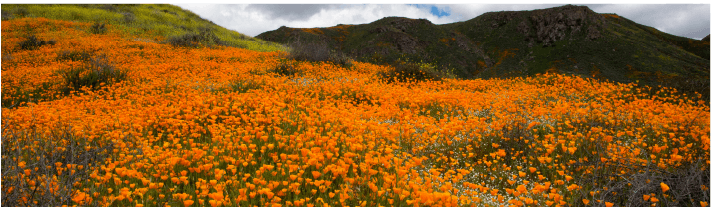
Aesthetic appeal
Bold orange/gold flowers provide early-season color. The plants often self-seed into drifts or blankets of color.
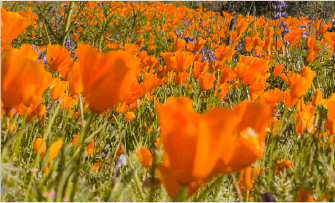
Pollinator support
Eschscholzia is loved by bees and other pollinators. The flowers have abundant pollen (though little nectar); they attract bees, native bumblebees and butterflies. Birds may eat the seeds. The fine foliage also adds texture for wildlife habitat.
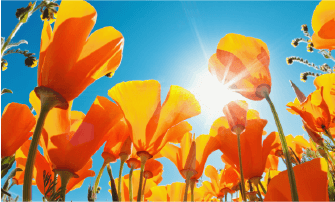
Drought and poor-soil landscaping
Their low water needs make them ideal for xeriscaping and dry slopes. They can stabilize soil on arid hillsides and survive in lean soils.
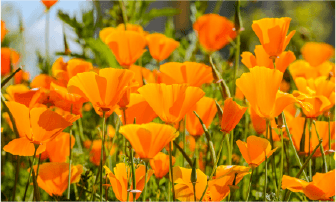
Edible/medicinal
E. californica has traditional uses. The leaves and stems are edible as greens or salad garnishes. Native Americans valued it as a mild sedative and analgesic; extracts of the plant are used in herbal remedies for anxiety, insomnia and pain.
Wildlife/livestock
California poppy is generally non-toxic to humans and pets. However, large quantities can be toxic to livestock, so grazing animals may avoid heavy stands. Interestingly, the plant’s mild sedative compounds inspired its name: alkaloids in poppies can relax horses and other animals. (Garden sources note poppies are usually deer- and rabbit-resistant.)
Wildflower Guide
Choose site & sow seeds
Select a sunny, well-drained location and prepare the soil by loosening it and removing weeds. Sow seeds on the soil surface in early spring (or fall in mild climates). Simply scatter seeds thinly and press them lightly into the soil – do not bury more than about 1/8–1/4 inch deep. (Light is needed for germination.) Space seeds or seedlings about 6–12 inches apart to allow mature plants to fill in.
Water for germination
Water the seeded area gently to settle the seeds in place. Keep the soil lightly moist until seedlings emerge, which usually takes 1–3 weeks. Do not let the soil dry out completely during germination, but avoid overwatering. Under normal spring rains, no further watering may be needed. Once seedlings appear, thin them so that vigorous plants stand ~6–8 inches apart.
Minimal maintenance
California poppies require little care. After establishment, water very sparingly – they do best on natural rainfall. Remove any weeds that compete for moisture. Do not fertilize heavily; excess nutrients can reduce flowering. If seedlings become too crowded, thin them or transplant extras to new spots (they do not transplant well at a large size, so move small seedlings if needed).
Deadhead or allow reseeding
To prolong bloom time, deadhead (snip off) spent flowers; this encourages more blooms. Alternatively, leave some flowers to go to seed and drop naturally – California poppies readily self-seed, returning year after year. In regions where they are not hardy, plants die after frost but reseed abundantly. In warmer zones (8–10), plants may resprout. Either way, after initial planting, your poppies will often reseed themselves, creating naturalized patches with minimal effort.
Helpful Resources
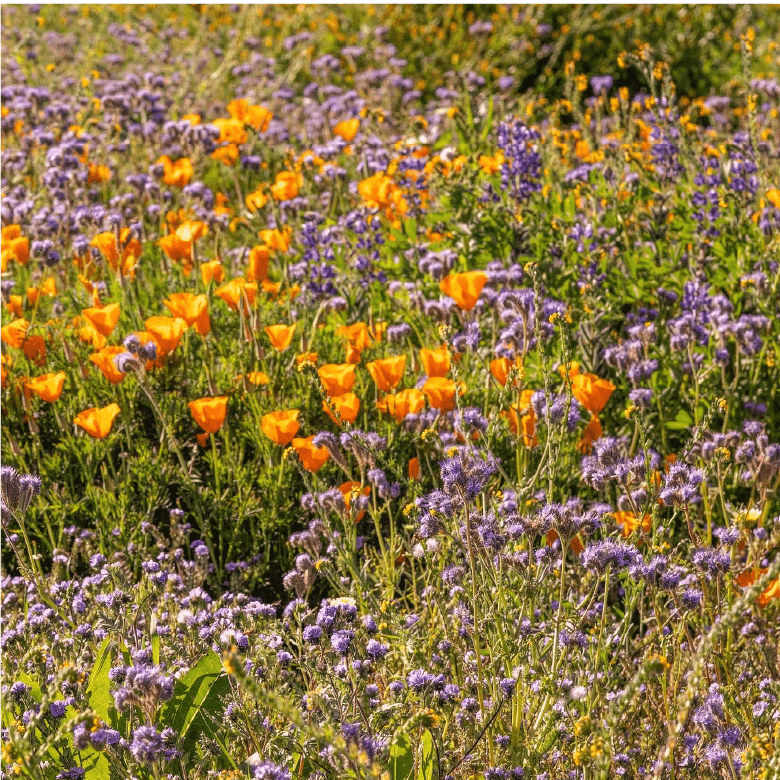
Wildflower Seed Planting Guide
Questions & Answers
Yes. They originate from the western USA (especially California, Oregon, Washington, Nevada, Arizona, New Mexico) and northern Mexico. They are native to those regions, though now grown and naturalized across much of North America.
Eschscholzia californica is usually grown as an annual or short-lived perennial. In most climates it behaves as an annual (dying in winter and reseeding). In zones 8–10 it can act as a short-lived perennial, sometimes living for a few years or resprouting.
Sow seeds on the soil surface in spring (or fall in mild areas) in full sun. Lightly press seeds in and water. Seedlings emerge quickly (1–3 weeks). They don’t like transplanting – sow in place. See the planting steps above for full details.
es, they self-seed easily. If you allow some flowers to mature and set seed, new poppies will sprout next season, forming drifts over time. The Spruce guide notes they “spread easily on their own” by reseeding.
They need full sun and very well-drained soil. Poor, sandy or rocky soil is fine; heavy clay or soggy ground is not. Once established, water needs are very low – they thrive in drought, requiring only “sporadic” moisture.
They bloom in spring through early summer. In warm areas (or with fall sowing) they may also have a second flush or extended season. Typically poppies flower once soil warms, then decline in high summer heat. As cut flowers, blooms last only a few days, but on the plant each flower opens in the morning sun and lasts a few days.
Still Have Questions?
Our seed experts are ready to help you find the perfect seed for your project.
1-866-322-7300 Ask a Seed ExpertCustomer Reviews
Thank you so much for filling our special order! This is the fourth year we have ordered seeds from you and as always, excellent product and even better customer service
The packets are wonderful. We are using them for goodie bags for a family reunion. The size and amount is perfect.
Beautiful pack, poppy seeds. “not orange, not gold, but if pure gold were liquid and could raise a cream, that golden cream might be like the color of the poppies.” John Steinbeck
Tossed these seeds on the down slopes leading to a drainage ditch behind my house. Did not know if they would sprout because the ground is mostly barren with clay. After a wetter than normal rainy season, I got some growth! I really wasn’t hopeful because the property belongs to a golf course. Am back buying more!
You May Also Like
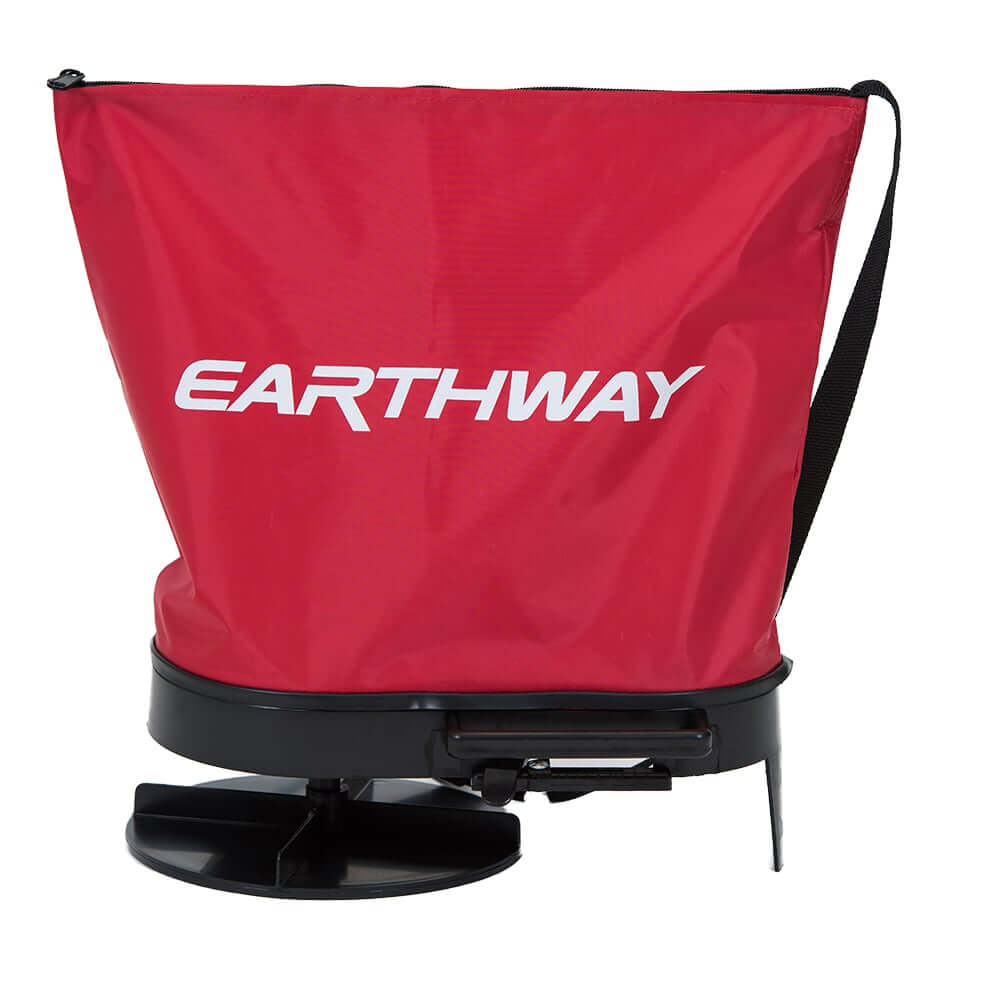
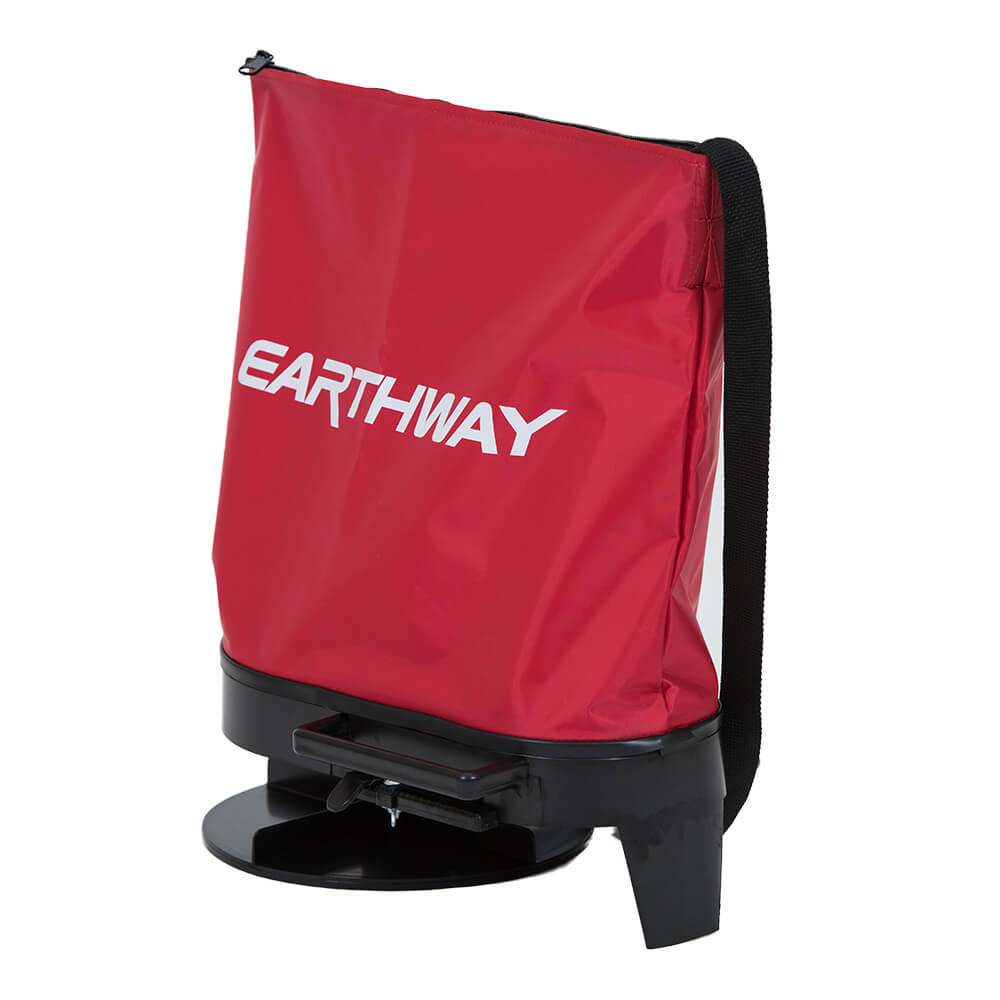
From Original price was: $97.99.$89.99Current price is: $89.99.
25 lb Capacity, Slopes & Hills, Seed & Fertilizer, Stores Flat
See Details about Shoulder Bag Seeder/Spreader