
Drought Hardy
Wildlife Magnet
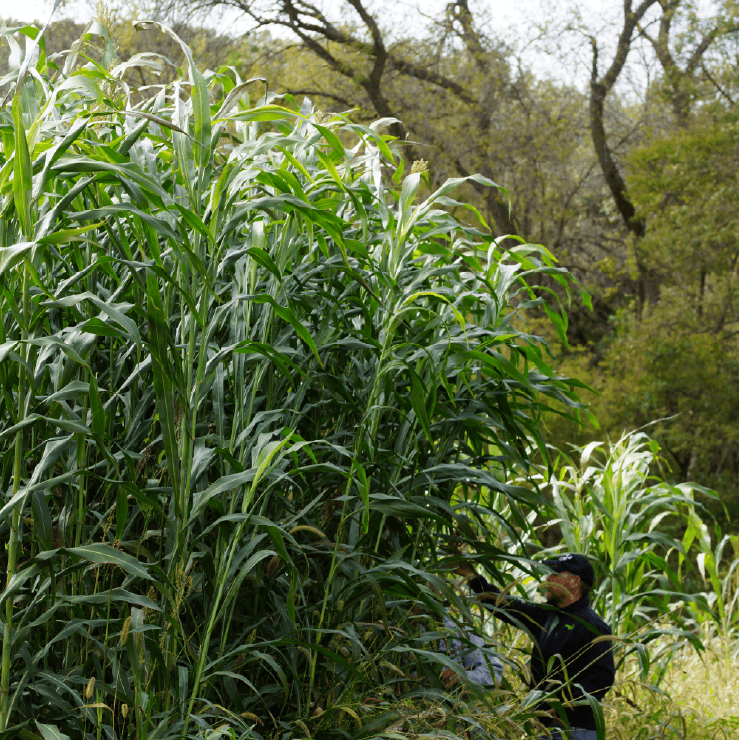
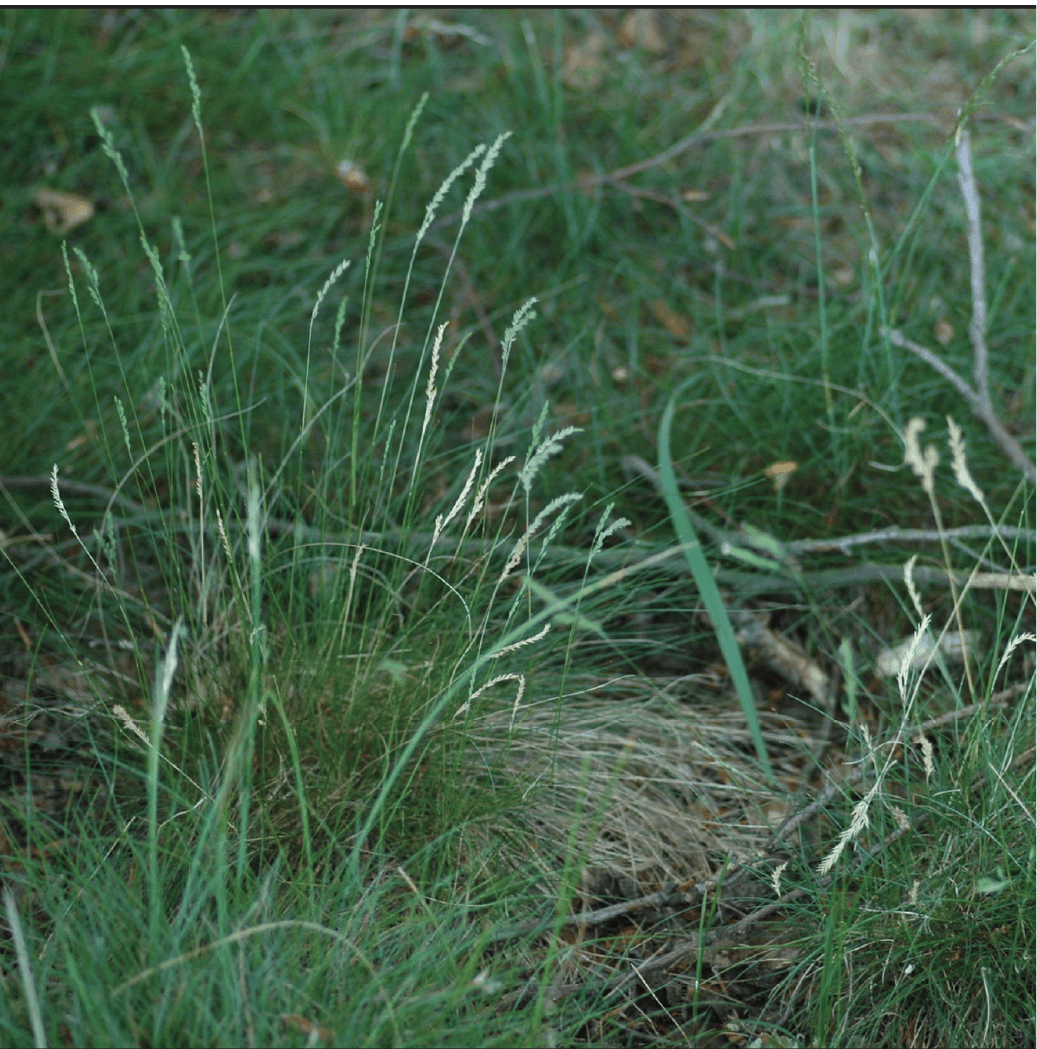
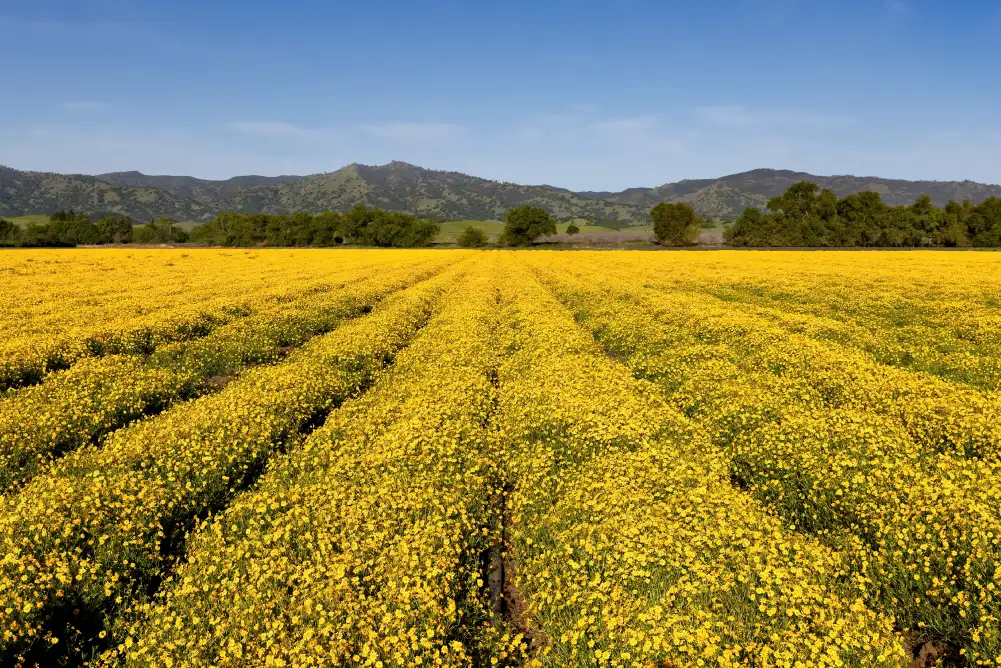
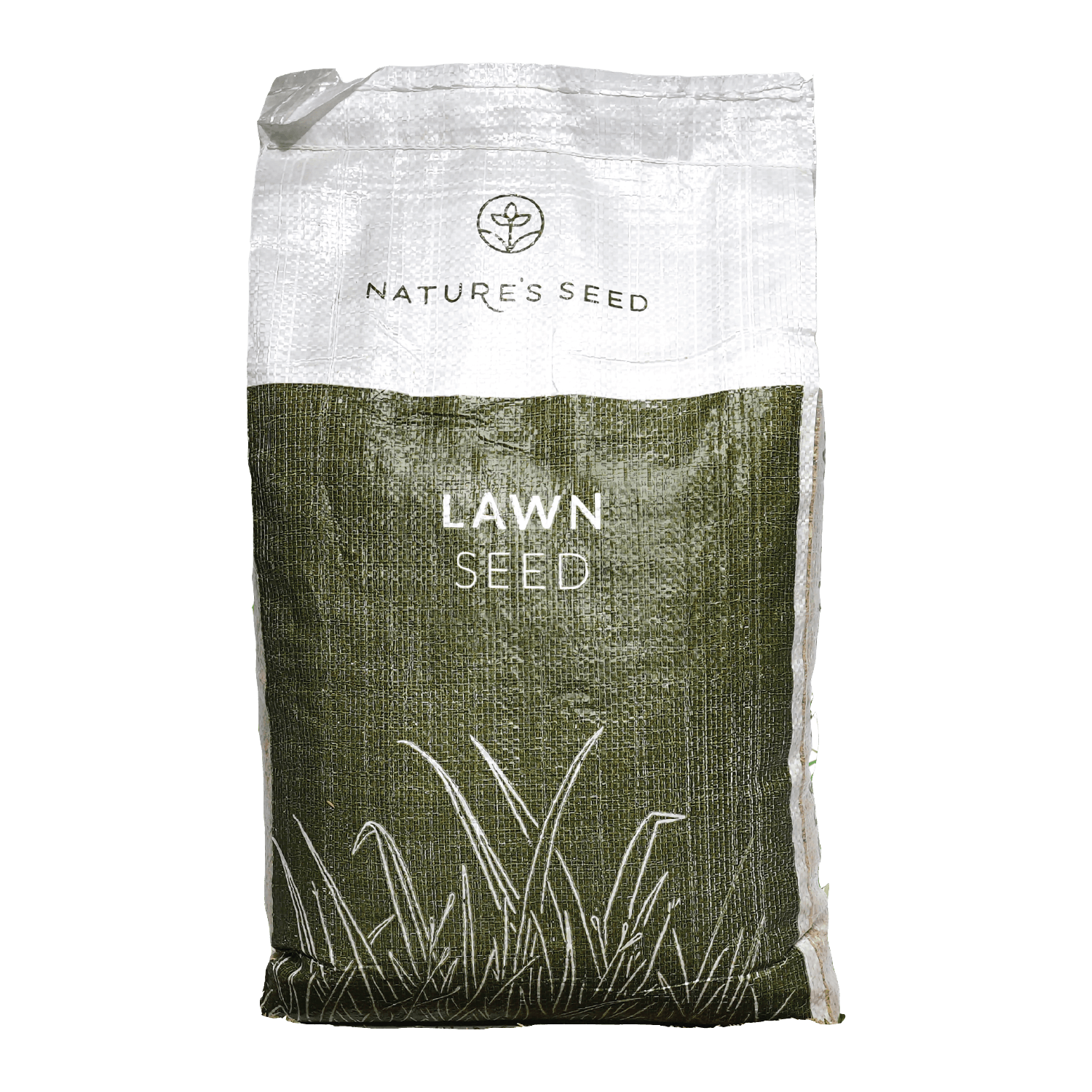
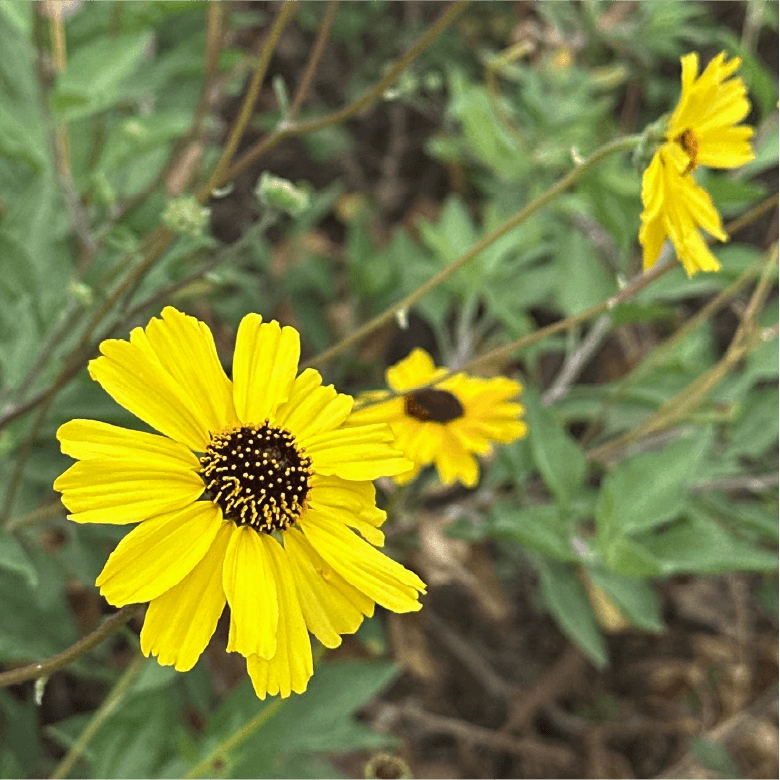
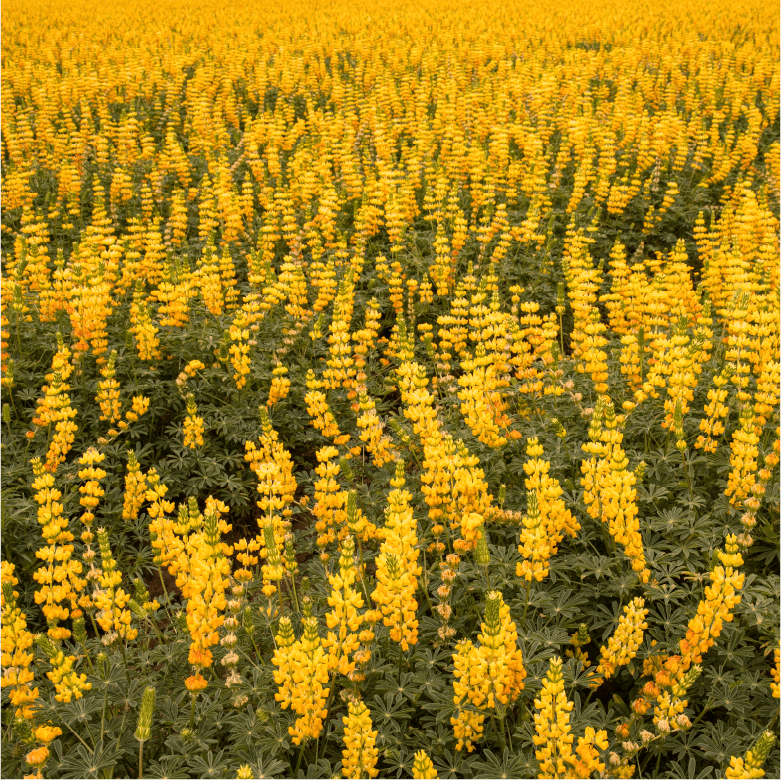
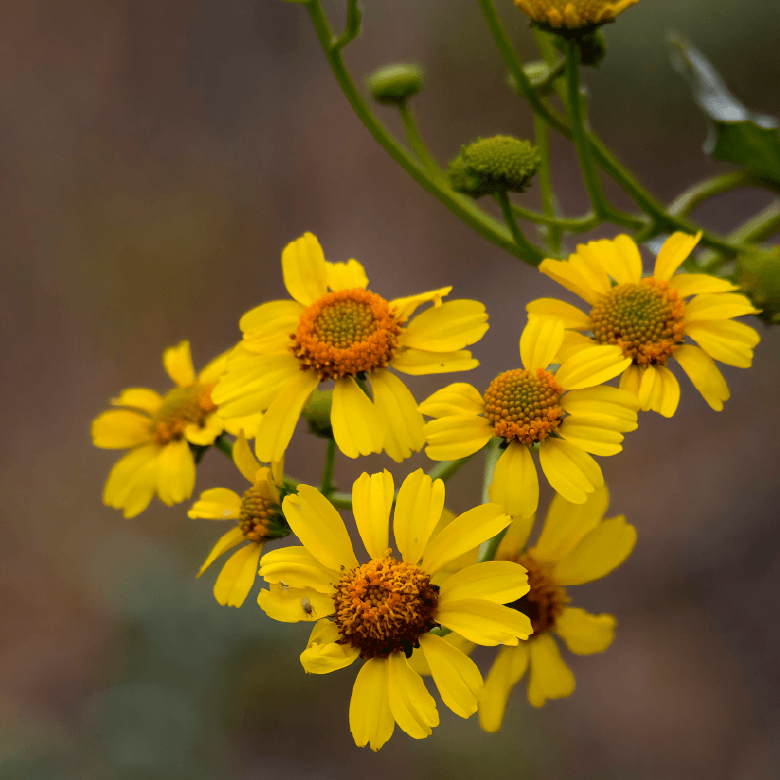
Specialty Seed for Reclamation, Erosion Control, and Land Restoration
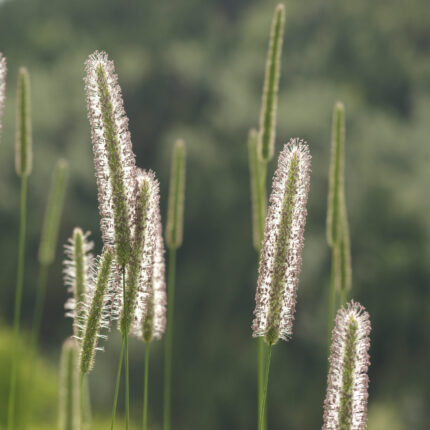
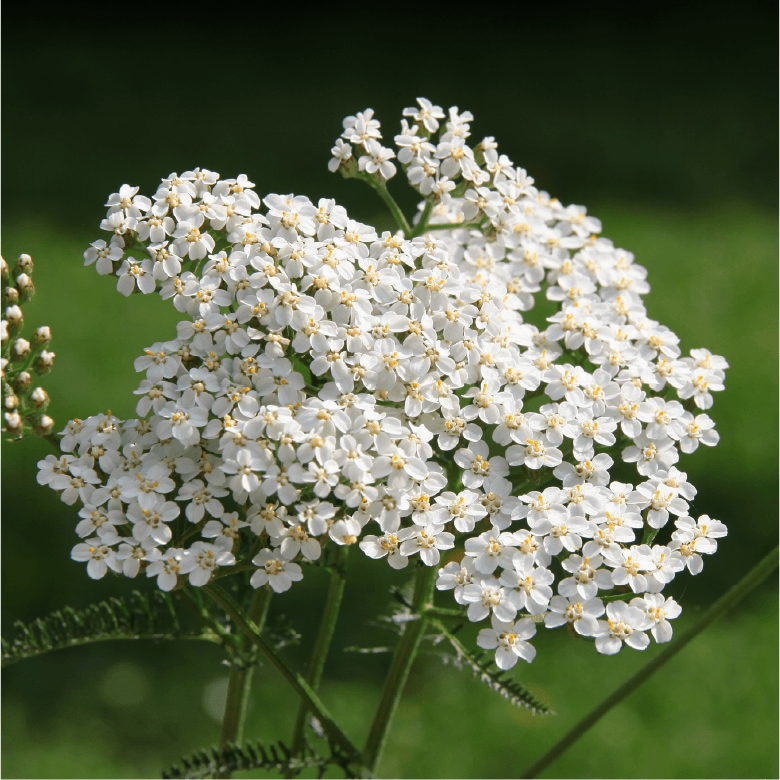
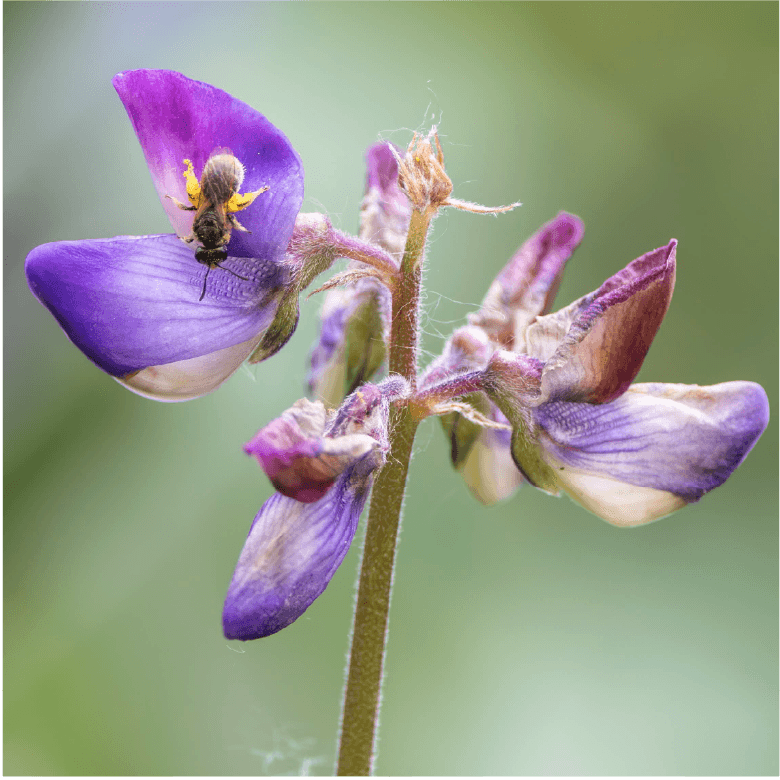
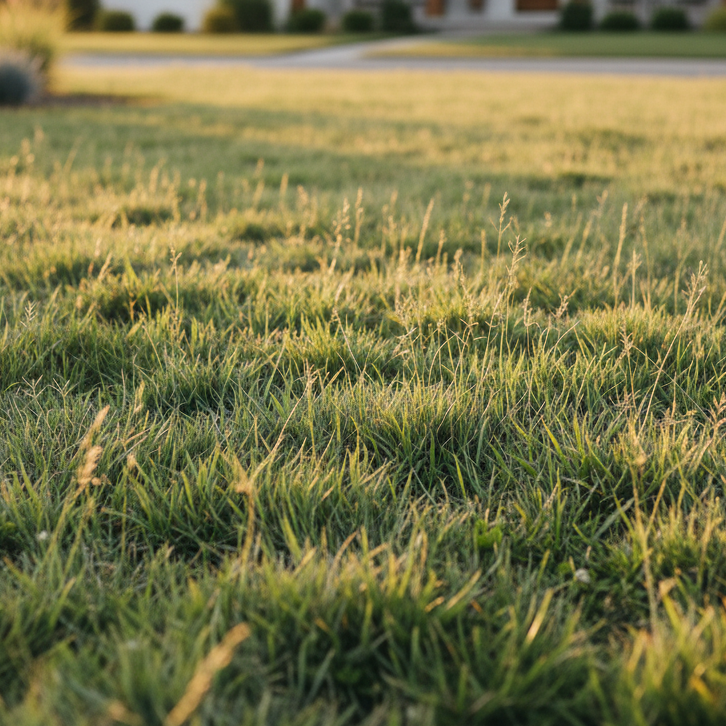
Some projects go beyond lawns and pastures. Mine site reclamation, construction site stabilization, roadside beautification, riparian buffers, and pollinator habitat restoration all require purpose-built seed blends that meet regulatory standards and perform under tough conditions. Nature’s Seed specialty mixes are formulated by rangeland and restoration ecologists, USDA-tested for purity and germination, and contain no fillers or GMOs.
———
Why Specialty Seed Exists
Standard turf and forage blends are designed for maintained landscapes. Reclamation and erosion control sites present entirely different challenges — disturbed soils with little organic matter, steep slopes, extreme pH, heavy metal contamination, compaction, and regulatory timelines that demand fast establishment. Specialty seed blends address these conditions with species selected for aggressive root development, drought tolerance, and the ability to colonize bare ground without supplemental irrigation.
Regulatory compliance adds another layer. Construction sites operating under NPDES stormwater permits must meet SWPPP (Stormwater Pollution Prevention Plan) requirements for temporary and permanent vegetative stabilization. Mine operators face reclamation bonding that is not released until vegetation meets specified cover density thresholds. DOT right-of-way projects require mixes that meet state specification lists. Using the wrong seed blend can mean failed inspections, bond forfeiture, or permit violations.
———
Reclamation and Mine Site Restoration
Mine site reclamation is one of the most demanding revegetation challenges in land management. Surface mining strips away topsoil, exposes acidic or alkaline substrates, and creates slopes that erode rapidly without vegetative cover. Successful reclamation requires species that tolerate these conditions from day one.
Our reclamation mixes combine fast-establishing nurse crops — like annual ryegrass and cereal rye — with longer-lived perennial grasses and legumes that build permanent cover over two to three growing seasons. Nurse crops stabilize the surface and provide organic matter while perennial species develop root systems. Legumes fix atmospheric nitrogen, gradually building soil fertility in substrates that start with almost none.
For projects pursuing USDA NRCS conservation program funding through CRP (Conservation Reserve Program), EQIP (Environmental Quality Incentives Program), or CSP (Conservation Stewardship Program), our blends can be customized to meet program species requirements. Contact us for specification-compliant mixes.
———
Construction Site Erosion Control
Every acre of exposed soil on a construction site is a liability. Sediment runoff degrades waterways, triggers EPA enforcement actions, and can shut down a project. Temporary stabilization with fast-germinating species buys time while permanent vegetation establishes.
• Temporary cover — Annual ryegrass, oats, and cereal rye germinate in 5–10 days and provide 60–90 days of erosion protection on disturbed areas that will be regraded.
• Permanent stabilization — Perennial fescues, wheatgrasses, and native grasses deliver long-term root density for final grade areas, detention basins, and stormwater channels.
• Slope stabilization — Steep cuts and fills need deep-rooting species combined with erosion control blankets or hydromulch. Our blends are compatible with standard hydroseeding equipment and tackifier applications.
Timing is everything on construction sites. Fall seeding gives cool-season species the best establishment window, but dormant seeding in late fall and early spring seeding are viable alternatives depending on your region and project timeline.
———
Roadside, Right-of-Way, and Beautification
Highway medians, interchange loops, utility corridors, and municipal roadsides need low-maintenance vegetation that looks good, controls erosion, and tolerates mowing, salt spray, and vehicle exhaust. Our roadside and beautification blends combine hardy grasses with wildflower species that add seasonal color without increasing maintenance budgets.
DOT specification mixes are available for states that require approved species lists. Pollinator habitat mixes for highway corridors are increasingly popular as state DOTs adopt pollinator-friendly mowing programs that reduce maintenance costs while supporting monarch butterflies and native bees.
———
Riparian Buffers and Pollinator Habitat
Vegetated buffers along streams, rivers, and wetland edges filter runoff, stabilize banks, and create wildlife corridors. Our riparian mixes include native sedges, rushes, and moisture-tolerant grasses alongside pollinator-friendly wildflowers. These blends qualify for many NRCS conservation practice standards and can be incorporated into farm conservation plans.
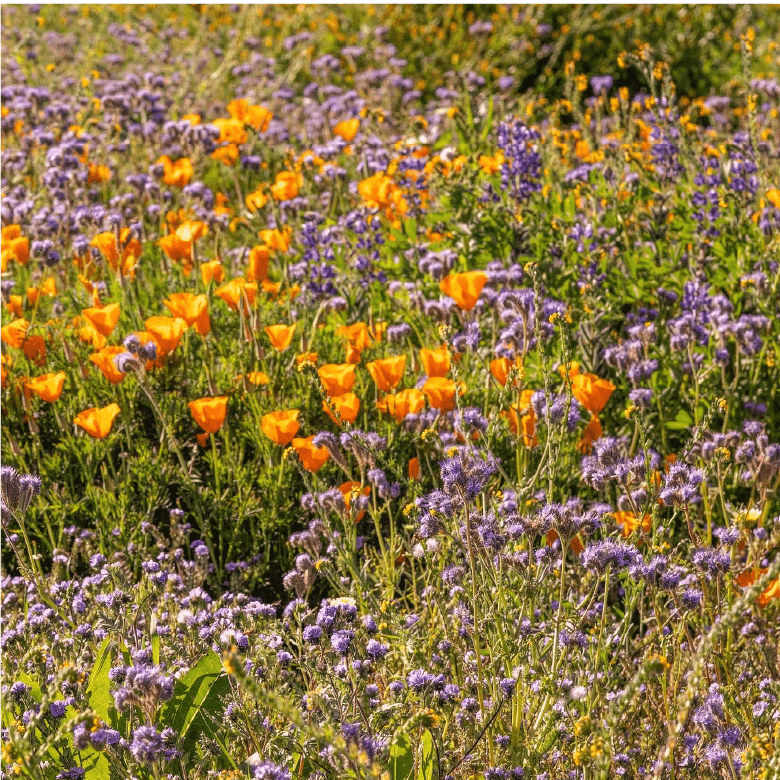
Dedicated pollinator habitat mixes support native bees, honeybees, monarchs, and other beneficial insects with sequential bloom from early spring through fall. Pair them with our wildflower seed for maximum diversity, or add clover seed for extended bloom and nitrogen fixation.
———
Subcategories and Related Collections
Our specialty seed category includes focused subcollections for specific applications. Browse food plot seed for wildlife habitat blends designed for deer, turkey, and game birds. Explore cover crop seed for soil health and between-season erosion control on agricultural land. For projects that need native wildflower components, visit our wildflower seed collection.
Whether you are a land reclamation contractor, a construction site manager meeting permit deadlines, a DOT vegetation specialist, or a landowner restoring degraded ground, Nature’s Seed has the right specialty blend for your project. Every bag is backed by USDA testing, expert formulation, and free shipping.
———
Frequently Asked Questions About Specialty Seed
Q: What seed is best for erosion control?
A: The best erosion control seed depends on whether you need temporary or permanent cover. For fast temporary stabilization, annual ryegrass and cereal rye germinate in 5–10 days and hold soil while permanent species establish. For long-term erosion control, perennial fescues and wheatgrasses develop deep root systems that bind soil on slopes and disturbed sites. On steep slopes, pair seed with erosion control blankets or hydromulch for the best results.
Q: How do I reseed a construction site to meet permit requirements?
A: Start with your SWPPP specifications — they define the required stabilization timeline and vegetation standards. Typically, temporary cover must be established within 14 days on disturbed areas not under active construction. Broadcast or hydroseed a fast-germinating mix (annual ryegrass, oats, or cereal rye) on temporary areas. For final grade, seed a permanent perennial blend and document establishment with photo records for your NPDES permit file.
Q: What are cover crops used for in reclamation?
A: Cover crops serve as nurse crops in reclamation — they establish quickly to stabilize soil, reduce erosion, add organic matter, and create a microclimate that helps slower-establishing perennial species germinate and survive. Legume cover crops like crimson clover and winter peas also fix atmospheric nitrogen, building soil fertility in substrates that have been stripped of topsoil. As the perennial species mature, the annual cover crops naturally decline.
Q: Can you hydroseed with native seed mixes?
A: Yes, most native seed blends are compatible with standard hydroseeding equipment. Native grasses, wildflowers, and legumes can be mixed with wood fiber mulch, tackifier, and fertilizer in a hydroseeder for efficient large-scale application. Hydroseeding is especially effective on steep slopes and large disturbed areas where hand broadcasting is impractical. Ensure your hydroseeder operator uses the correct agitation settings — some native seeds are lighter and require slower mixing to avoid damage.
Q: What is SWPPP compliance and do I need it?
A: SWPPP stands for Stormwater Pollution Prevention Plan. If your construction site disturbs one acre or more, federal law requires an NPDES stormwater permit, which includes developing and implementing a SWPPP. The plan must detail erosion and sediment control measures — including vegetative stabilization with seed. Failure to comply can result in EPA enforcement actions, fines, and project shutdowns. Even sites under one acre may need a SWPPP if they are part of a larger common plan of development.
Q: What is the best seed for steep slopes?
A: Steep slopes need deep-rooting species that establish quickly and bind soil before it erodes. Perennial wheatgrasses, tall fescue, and native grasses like switchgrass and big bluestem develop extensive root systems that stabilize slopes over the long term. Combine these with a fast nurse crop (annual ryegrass or cereal rye) for immediate surface protection. Always use erosion control blankets or tackified hydromulch on slopes steeper than 3:1 to hold seed in place until germination.
Q: Does USDA offer cost-share programs for seeding and land restoration?
A: Yes. The USDA Natural Resources Conservation Service (NRCS) offers several programs that provide financial assistance for seeding and land restoration. The CRP (Conservation Reserve Program) pays annual rental rates for taking erodible land out of production and establishing permanent cover. EQIP (Environmental Quality Incentives Program) provides cost-share for conservation practices including seeding, erosion control, and habitat restoration. Contact your local NRCS office to determine eligibility and available funding for your project.
Q: How long does it take for reclamation seed to establish?
A: Establishment timelines vary by species and site conditions. Annual nurse crops (ryegrass, cereal rye, oats) germinate in 5–10 days and provide initial cover within 3–4 weeks. Perennial grasses typically reach functional ground cover within one growing season but need two to three years to develop full root density and mature stand structure. Native grass species are the slowest to establish — often requiring two full growing seasons before they dominate the stand. Plan your revegetation timeline accordingly and maintain erosion control measures until permanent vegetation is confirmed.
