Quality Highlights
| Every Seed Grows We don't pad bags with dead seed or filler. What's in the bag is what grows in your yard. | |
| Independently Tested, Every Batch Each lot is tested by a third-party lab for germination and purity before it ships to you. | |
| Grown on American Farms Our seed comes direct from U.S. growers we know personally — not a middleman warehouse. | |
| Clean Seed, No Shortcuts No coatings to inflate weight, no GMOs, no cheap filler species. Just seed. |
Free shipping on all orders under 125 lbs!
Kentucky Bluegrass Seed Mix
SKU: TURF-W-BLUE
Planting Aids for your Seed
What is the Bluegrass Water-Wise Lawn Mix?
What's in This Mix
A carefully selected component that contributes to the overall performance of this blend.
A carefully selected component that contributes to the overall performance of this blend.
A carefully selected component that contributes to the overall performance of this blend.
Specifications
Seeding Specs
Establishment Specs
Why Choose This Seed?

Dense, Fine-Textured Turf
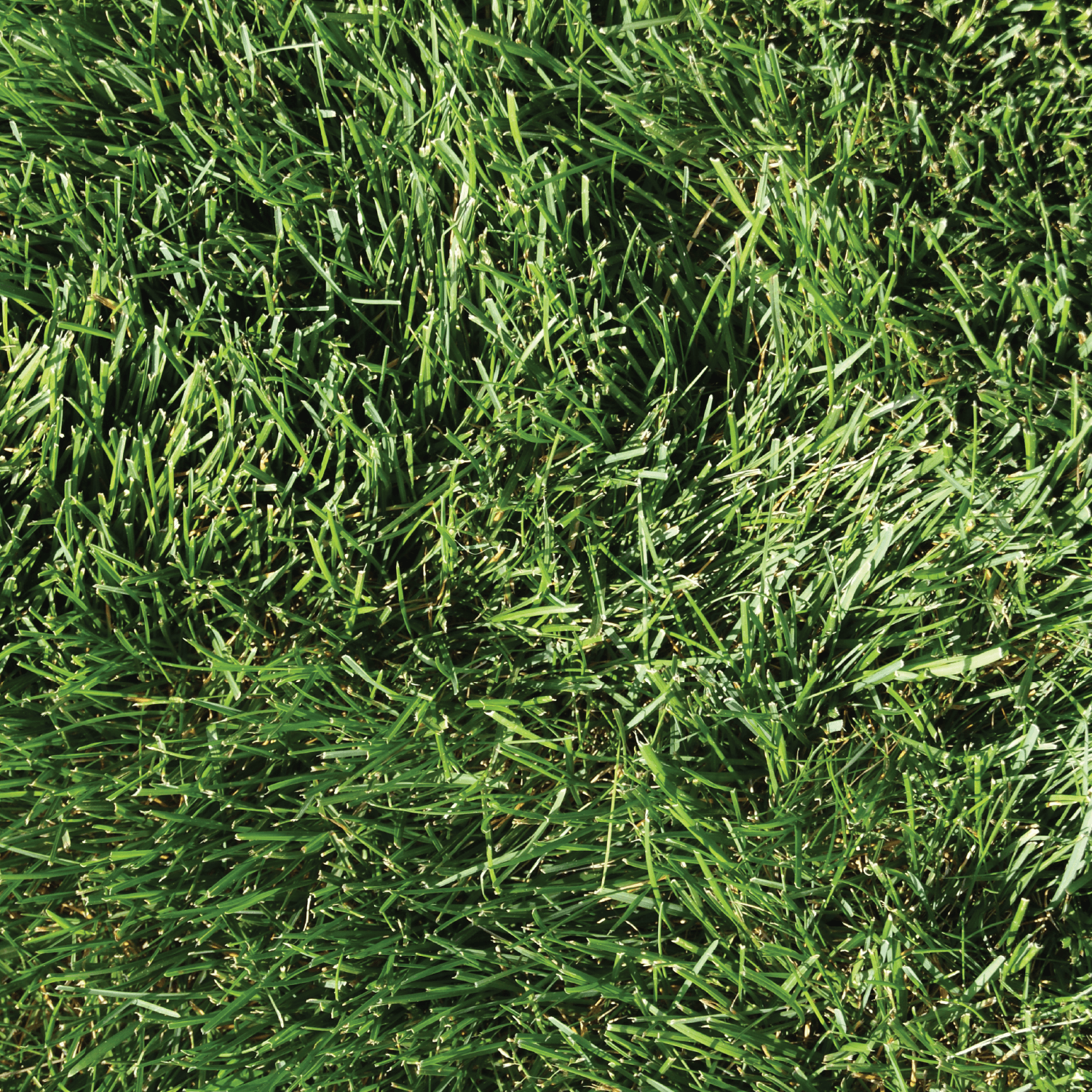
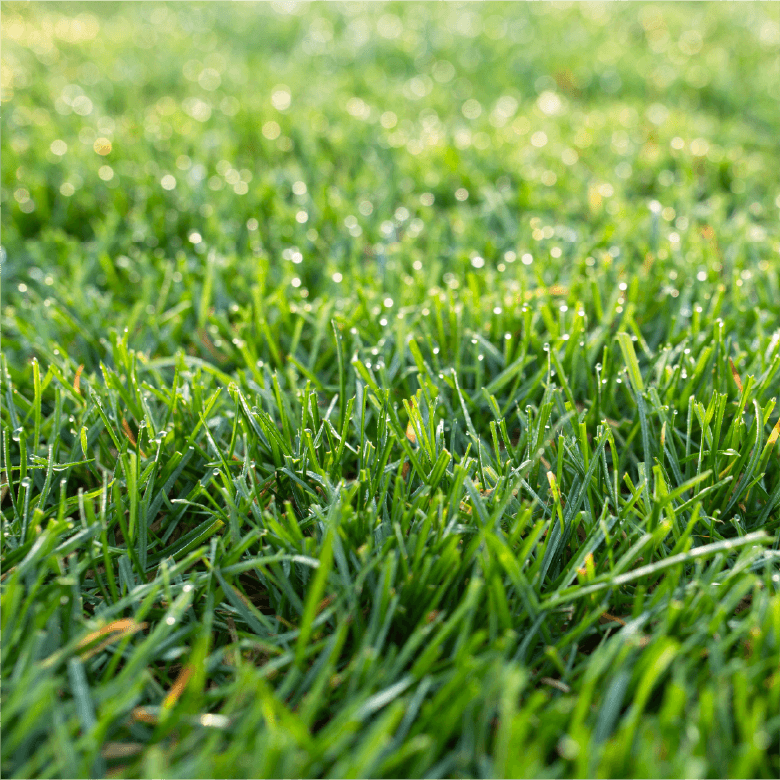
Forms a thick, carpet-like lawn with fine blades and rich dark-green color. Its dense growth chokes out weeds and helps prevent soil erosion on slopes.

TWCA-certified drought tolerance
Uses up to 40% less water yet stays dark-green and healthy—TWCA-certified for drought tolerance. Saves water and money; perfect for watering restrictions or dry summers.

Wear Tolerant & Self-Reparing
Excellent traffic tolerance for kids, pets, and sports. Spreads by rhizomes for self-repair, filling in bare spots and recovering from foot traffic damage naturally.

Disease & Pest Resistance
Modern cultivars in this blend offer improved disease and insect resistance, creating a naturally resilient lawn with less need for chemicals.

Year-Round Beauty
A cool-season standout that stays green spring through fall and bounces back after winter. Fine texture and vigorous growth create a manicured look with less mowing. Highly winter-hardy for lasting perennial turf.
Planting and Growth Guide

Soil Preparation
Aim for a soil pH of 6.0–7.0. Before seeding, mix in lime or fertilizer as needed and incorporate 2–3 inches of compost into the top 6 inches of soil. Clear rocks, weeds, and debris, then grade for drainage. Lightly firm the seedbed to ensure good seed-to-soil contact.

Seeding
For best results, seed in late summer to early fall (Aug–Sept) for fast germination and fewer weeds. Spring seeding (April) is a backup but needs more weed control. Use ~3 lbs/1,000 sq.ft. for new lawns or ~1.5 lbs for overseeding. Rake lightly to keep seeds near the surface, then roll for soil contact. Cover bare areas with clean straw. Fall seeding fills in better before winter.
Watering & First Mow
Keep the seedbed moist with light watering 1–3 times daily until seedlings emerge (about 2–3 weeks). Avoid puddles. Once grass reaches ~2″, switch to deeper, less frequent watering. Mow at 3″ height using a sharp blade, trimming to ~2″. Mow dry grass gently, never cutting more than 1/3 of blade height. After the first mow, the lawn will thicken—keep mowing regularly and water deeply to build strong roots.
Ongoing Maintenance
Once established, this blend stays green with about 1″ of water per week. In peak summer, up to 1.5″ may be needed. Water deeply 1–2 times weekly to build drought resilience. It can go dormant in drought, surviving on as little as 0.5″. Mow at 2–3″, leaving clippings unless clumped. Fertilize mainly in fall (early and late) for root strength; avoid heavy spring feeding. Aerate if thatch exceeds 0.5″. Healthy turf naturally resists weeds, pests, and disease with minimal inputs.
Helpful Resources
Lawn Seed Planting Guide

How to Plant and Grow Kentucky Bluegrass

Kentucky Bluegrass Lawn Recovery
Questions & Answers
The best time to seed Kentucky bluegrass is late summer to early fall (mid-August–September), when warm soil and cooler air promote fast germination with fewer weeds. Fall seeding allows full establishment before winter. Spring seeding (March–April) is possible but slower and requires more weed control. Avoid summer seeding due to heat and drought stress.
Yes, overseeding is a great way to add drought-tolerant bluegrass to existing lawns or thicken thin turf. For best results, overseed in fall. Mow to 1.5–2″, then rake or aerate to expose soil. Apply 1.0–1.5 lbs/1,000 sq.ft. and ensure good seed-to-soil contact. Keep moist until germination. New grass blends in over time, boosting density and drought tolerance. If your lawn is over 50% weeds, consider full renovation instead.
“Drought-tolerant” means this grass stays greener with less water—up to 40% less than standard varieties, as certified by TWCA. It can survive dry spells by going dormant, then green up again with rainfall or irrigation. While no cool-season grass stays green indefinitely without water, this blend is among the most drought-hardy available. For best results, water deeply but infrequently, mow high, and limit summer nitrogen.
Wait until new grass reaches ~3 inches before the first mow—usually 4–6 weeks after seeding. Use a sharp blade and mow when soil isn’t soggy to avoid damaging seedlings. Cut to ~2–2.5 inches, following the 1/3 rule. Mow during cooler parts of the day. After mowing, the grass will begin to thicken through tillering. Continue mowing every 5–7 days to encourage dense growth. By the third or fourth mow, your lawn is ready for regular maintenance.
Minimize heavy traffic for the first 2–3 months after seeding. Light use is okay after a couple mows, but avoid vigorous activity until the lawn matures—typically late fall for early fall seedings. Once the grass has been mowed 3 times, it’s usually strong enough for normal use. Avoid walking on it when soil is wet or grass is very short. Patience early on leads to a thicker, more resilient lawn that self-repairs well over time.
Winter care is simple. Kentucky bluegrass goes dormant (brown) in cold weather—this is normal. Mow until growth stops; for the final mow, cut to 1.5–2″ to reduce snow mold risk. Rake leaves to prevent smothering. No watering is needed while dormant. Avoid heavy traffic on frozen grass to prevent damage. Don’t pile snow heavily on one spot. In spring, clean up debris, water as needed, and apply light fertilizer once it greens up. This blend is fully winter-hardy—no special treatment needed.
Still Have Questions?
Our seed experts are ready to help you find the perfect seed for your project.
1-866-322-7300 Ask a Seed ExpertCustomer Reviews
While the seed hasn't germinated yet...because I'm waiting a bit to seed...the fall, I will say the customer service is excellent! We look forward to a re-fresh of our lawn. Kevin.
looking forward to putting down some seed this fall and spring!
Very happy with this great product.
I ordered this product because it was a bluegrass blend. I am excited to see the results.
Shipping was fast. Have not sown seed, so cannot attest to growth.
already planted
I like this grass seed because it is very consistent when it comes up and it makes my lawn look great .
I was a Kentucky 31 guy for years however each season I had to reseed because it doesn't self repair. On April 19, 2023, I planted a 10 x 20 section. By May 1, it began to sprout. Now at May 15 sections of it are 3 inches tall. In the fall I plan to kill the tall fescue and replace it using Velvet Blue plugs . It's a bit pricey, but a beautiful grass to the eye and touch. Buy, bye.
QUALITY SEED!
After seeding my lawn in april, no grass ever grew, not one blade & I watered twice daily for six weeks.