Quality Highlights
| Every Seed Grows We don't pad bags with dead seed or filler. What's in the bag is what grows in your yard. | |
| Independently Tested, Every Batch Each lot is tested by a third-party lab for germination and purity before it ships to you. | |
| Grown on American Farms Our seed comes direct from U.S. growers we know personally — not a middleman warehouse. | |
| Clean Seed, No Shortcuts No coatings to inflate weight, no GMOs, no cheap filler species. Just seed. |
Free shipping on all orders under 125 lbs!
Triblade Elite Tall Fescue Grass Seed Mix
Formerly "Triple-play lawn mix" | SKU: TURF-W-TALL
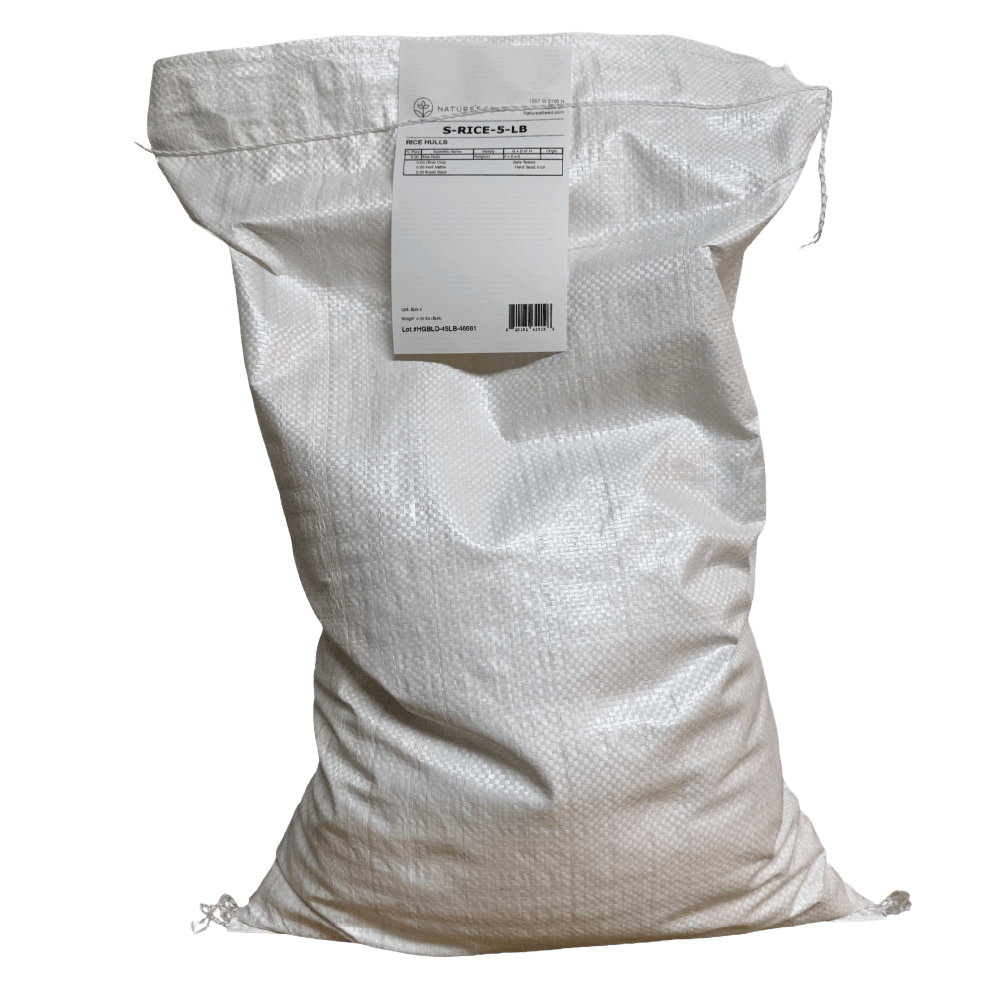
Planting Aids for your Seed
What is the Triblade Elite Fescue Lawn Mix?
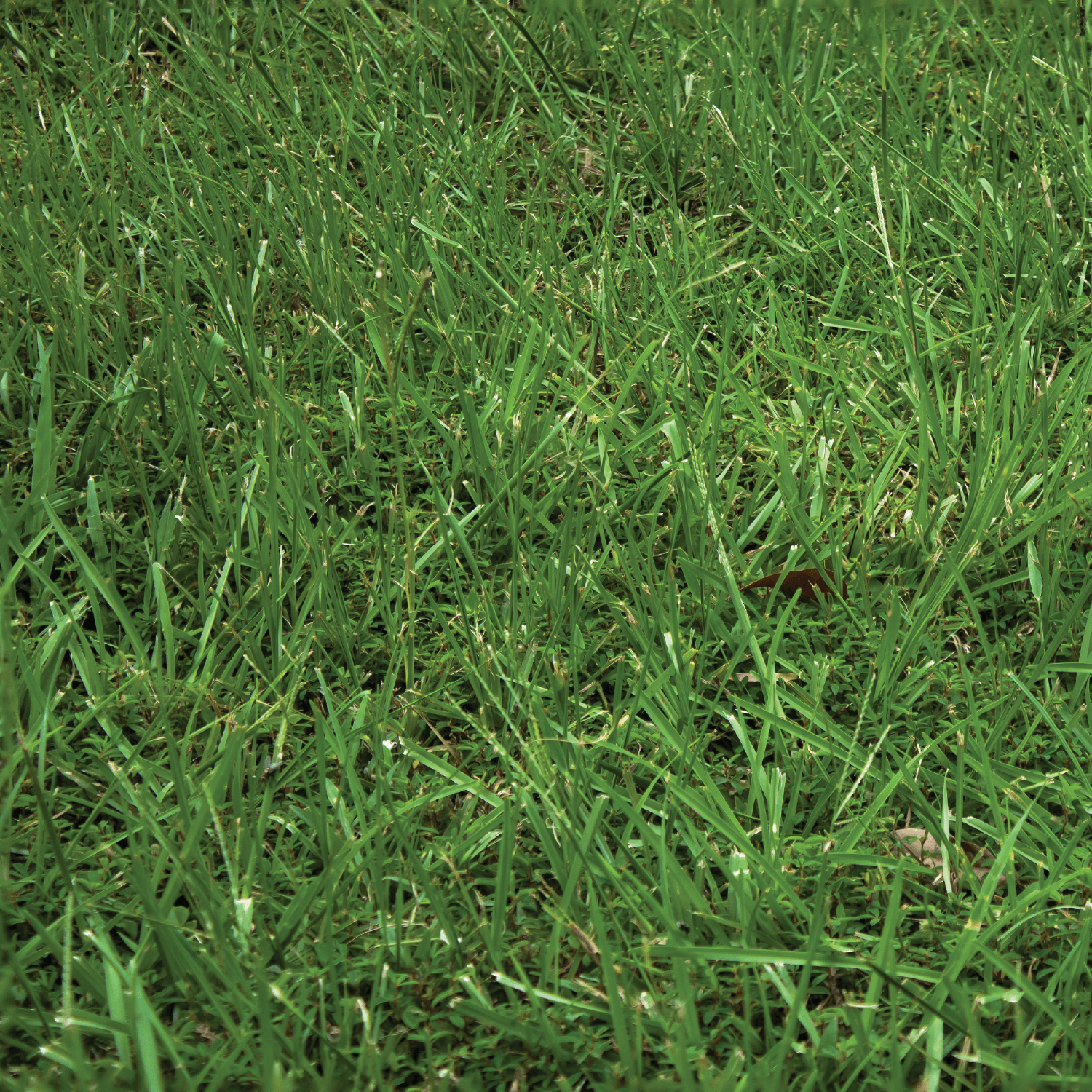
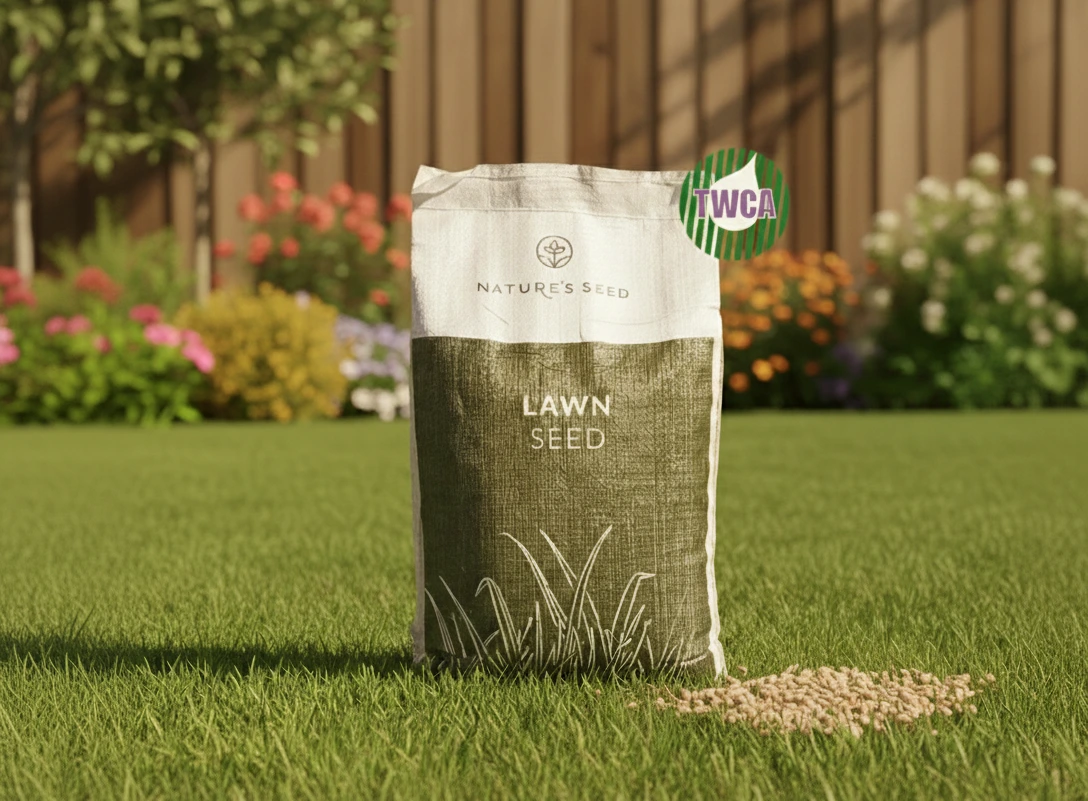
TWCA Water-Wise Tall Fescue Blend is a drought-tolerant, cool-season mix certified to use up to 40% less water. Its three unique improved tall fescue turf varieties (Lifeguard, GLX, and Zig Zag) thrive with infrequent watering and stay green through summer and fall. Quick to germinate, it forms a dense, dark-green, medium-coarse lawn with excellent heat, wear, and shade tolerance. Ideal for high-traffic, eco-conscious landscapes that need beauty with less maintenance.
Specifications
Seeding Specs
Establishment Specs
Why Choose This Seed?

Fast Germination & Quick Establishment
This mix sprouts in just 5–14 days and establishes dense turf within 6–10 weeks, delivering a lush, usable lawn faster than most cool-season grasses.

Exceptional Traffic & Wear Tolerance
One of the toughest cool-season grasses available—this mix is perfect for play areas, pets, and high-use lawns that need to look great and hold up to daily activity.

Adaptable to Sun or Light Shade
Performs reliably in full sun and partial shade, maintaining turf density where other grasses may thin—especially in diverse areas that may have a mix of sun and shade.
Rich, Dark-Green Appearance with Low Maintenance
Forms a thick, dark-green, medium-coarse lawn that naturally suppresses weeds, reducing the need for chemicals while staying vibrant late into fall.
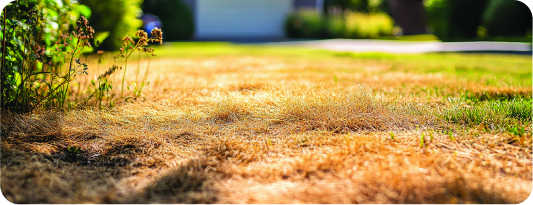
Deep-Rooted Drought Resilience
Certified by the Turfgrass Water Conservation Alliance (TWCA), this blend forms deep roots that thrive on up to 40% less water—ideal for eco-conscious, low-irrigation landscapes.
Planting and Growth Guide

Soil Preparation
If desired, test your soil well before seeding and amend per recommendations. Remove existing weeds or turf (use herbicide if needed) and work the soil to 4–6 inches depth. Incorporate lime or fertilizer as advised by the soil report. Rake and level the area so debris is removed and the surface is smooth.
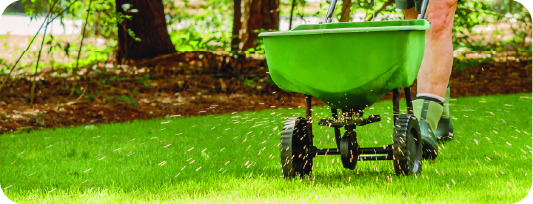
Seeding
Seed in late summer or early fall (mid-August through September) for best establishment. (If fall is not possible, early spring is secondary.) Sow seed evenly at the recommended rate (≈0.5 lb per 100 ft²) and cover lightly (¼ inch max). Press seed into soil with a roller or by tamping; a firm seedbed improves germination. Avoid seeding when high heat will immediately stress the seedlings.
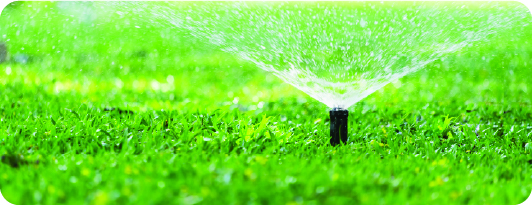
Watering & First Mow
Keep the seeded area consistently moist (water lightly several times daily if needed) until seedlings emerge (typically 5–14 days). After germination, switch to deeper, less frequent watering (roughly 1″ per week) to encourage deep roots. Once shoots reach about 2–3 inches tall, begin mowing – trim only the top third of blade (e.g. cut to ~3 inches height). Sharpen mower blades for clean cuts. After the first mow, continue regular watering and mowing at ~3 inches.
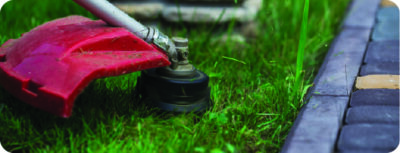
Ongoing Maintenance
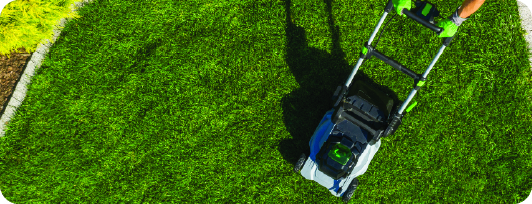
Maintain the lawn by mowing frequently (about once per week) at 3–4 inches. Fertilize in fall and early spring based on soil tests; tall fescue does well with moderate fertility (about 1–3 lbs N/1,000 ft² per year, mainly in fall). Core-aerate annually in fall to relieve compaction and overseed thin areas (a common need for bunching grasses). Control weeds by keeping a dense stand and, if needed, apply pre-emergent herbicide for crabgrass in early spring. Address diseases and pests by proper mowing, watering, and fertilizing (excess nitrogen or moisture can encourage brown patch). In high-traffic spots or thin areas, overseed with extra tall fescue to restore density.
Helpful Resources
Lawn Seed Planting Guide
How to Manage Hairy Chinch Bugs in Your Fescue Lawn
How to Avoid Winter Time Browning of Bermudagrass Lawns
Questions & Answers
Late summer/early fall is ideal (for example, mid‑August through mid‑September in cooler regions) because warm soil and cool nights favor quick germination. Fall seeding also avoids most summer weeds. Spring seeding is possible but riskier (requiring lots of water and facing more weed competition).
Yes – overseeding (especially in fall) can fill in thinning tall fescue areas. Turf-type tall fescue lawns naturally thin over time and benefit from periodic reseeding. Fall overseeding gives new seedlings time to establish before the next summer.
For seedlings, keep soil surface moist until established. For established turf, aim for about 1 inch of water per week (rain + irrigation) during the growing season. Deep, infrequent watering encourages the deep roots that make this lawn drought-tolerant.
Yes – tall fescue is one of the most drought-tolerant cool-season grasses, thanks to its deep root system. It stays green much longer in dry periods than most other cool-season species. Properly watered and maintained, it easily survives dry spells that would brown out other grasses.
Wait until grass is about 2–3 inches tall before the first mow. From that point, you can walk on it, but remember it is still young – minimize heavy traffic for the first few weeks after establishment. Over time it develops very good wear tolerance (ideal for kids and pets), so normal play is fine on a mature stand.
Yes. Tall fescue is non-toxic and highly durable, making it well-suited to yards with dogs or children. Its deep roots and resiliency mean pet activity (running, digging) causes less damage than on more delicate grasses.
Still Have Questions?
Our seed experts are ready to help you find the perfect seed for your project.
1-866-322-7300 Ask a Seed ExpertCustomer Reviews
I was told this grass would do great in my area. Planted in the spring. Tilled the area, put in good screened topsoil, Covered it with straw to retain moisture. Watered as directed and babied this stuff. Started sprouting fairly quickly but wouldn't fill in. As the weather started getting warmer it completely stopped growing even with 2-3 waterings a day. The area has both sun and shade throughout the day. In the fall put down thin layer of screened topsoil and reseeded. Basically got nothing. Tried again this spring and I have bare spots everywhere and it won't grow. I have a very spindly grass area and can't get it to fill in. Soil is in good shape and I fertilize it with the rest of the lawn which is doing great. Very disappointed. Might do better in cooler climates but not in the heat of SC.
Made the switch to Natures Seed Triple Play Blend this Fall, as my previous supplier was out of what I typically order. Let's just say I'm glad it worked out that way! This grass seed is growing in in places that I could never get grass seed to grow. I detached my yard, spread the seed, spread Lesco starter fertilizer + Johnathan Green MagiCal + Johnathan Green Love Your Soil, and then watered 3x/day (7min/per), and the growth is amazing! Looking forward to the results after a few more weeks. Definitely recommend!
Grass spouts quickly but hasnt done well since the first time it was mowed. Kept it watered daily until it reached 3". But after the first mow its never been the same. Yellowish and limp. Have tried daily watering but hasnt helped.
Grows well. I'm tired of getting emails asking for a review.
just planted so no results yet
Complete waste of money, didn’t germinate
Waste of money, didn’t germinate
Hard to find real specific grass species locally, nature's seed has been a real good find for me. September is grass growing season for me, so I stocked up on 25lbs. Can't wait to see the performance.
Easy to apply and fast growing
Seed sprouted quickly and has filled in the bare spots nicely.