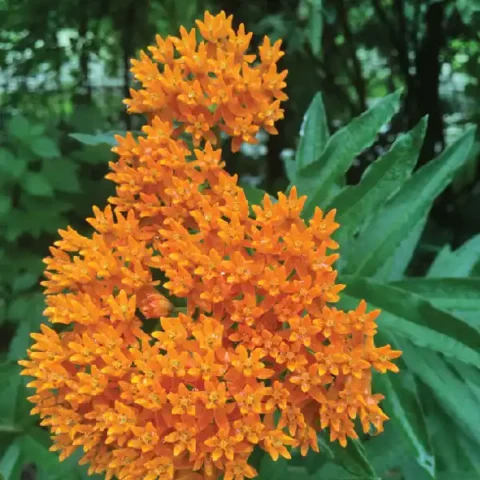
Monarch Host
Native Milkweed
Premium Native Grass & Wildflower Seed for Florida's Subtropical Climate
Each region has unique climate conditions that determine which grasses and wildflowers will thrive.
A transitional climate where both warm-season and some cool-season grasses can survive. Bahia grass dominates pastures, while centipede and Bermuda varieties make popular lawns. Native wildflower meadows thrive with the state's generous rainfall.
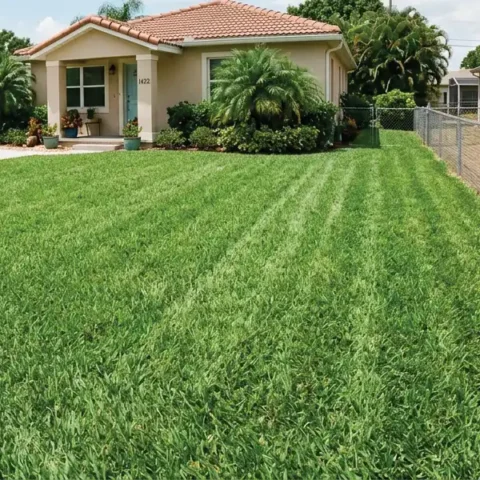
Classic subtropical conditions with hot summers, mild winters, and abundant rainfall. St. Augustine and Bermuda dominate lawns, while native grasses and wildflowers create low-maintenance, pollinator-friendly landscapes.
Tropical conditions with salt spray exposure near coasts. Salt-tolerant grasses and native species adapted to sandy, alkaline soils are essential. Seashore Paspalum and native dune grasses excel in coastal environments.
Plant warm-season grasses (Bermuda, Bahia, Centipede) from March through June during the rainy season for best establishment. For temporary cool-season overseeding (ryegrass), plant in October-November. Native wildflowers do best when seeded in late fall or early winter.
Bahia grass is the top performer in Florida's sandy, acidic soils — it's drought-tolerant, low-maintenance, and establishes well from seed. For coastal areas with salt spray, Seashore Paspalum is an excellent choice.
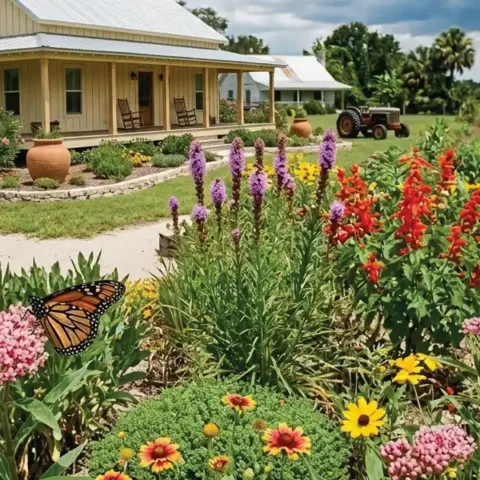
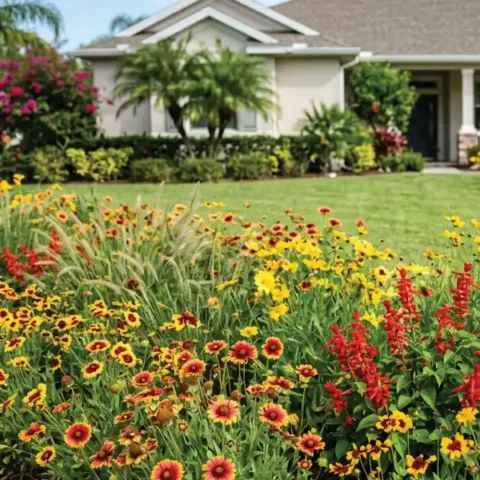
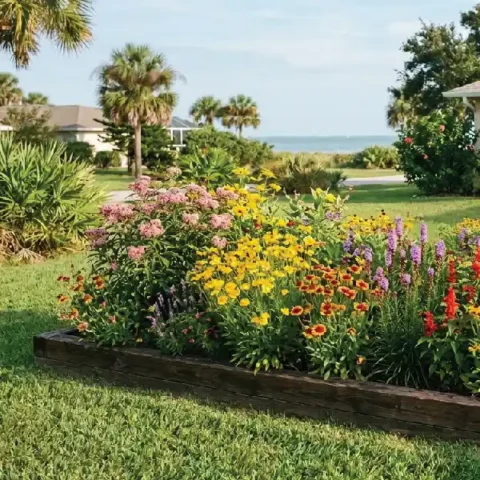
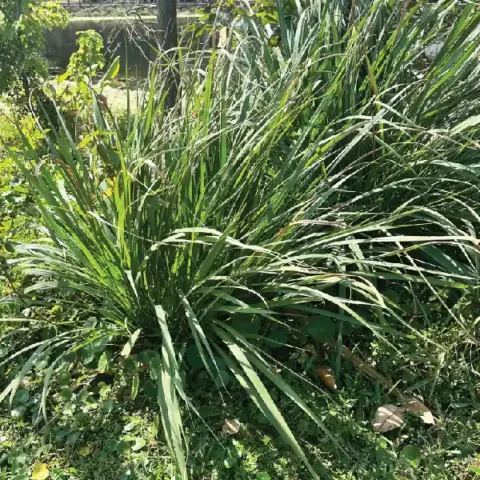
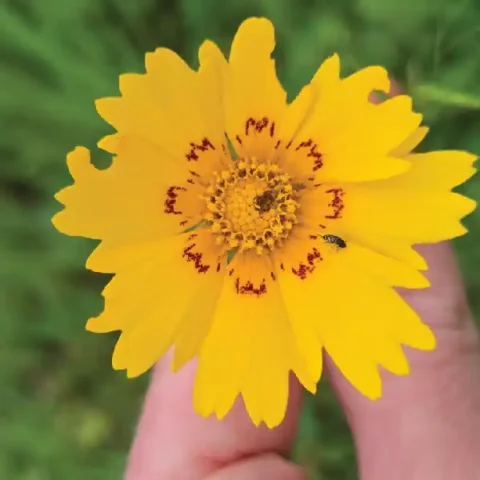
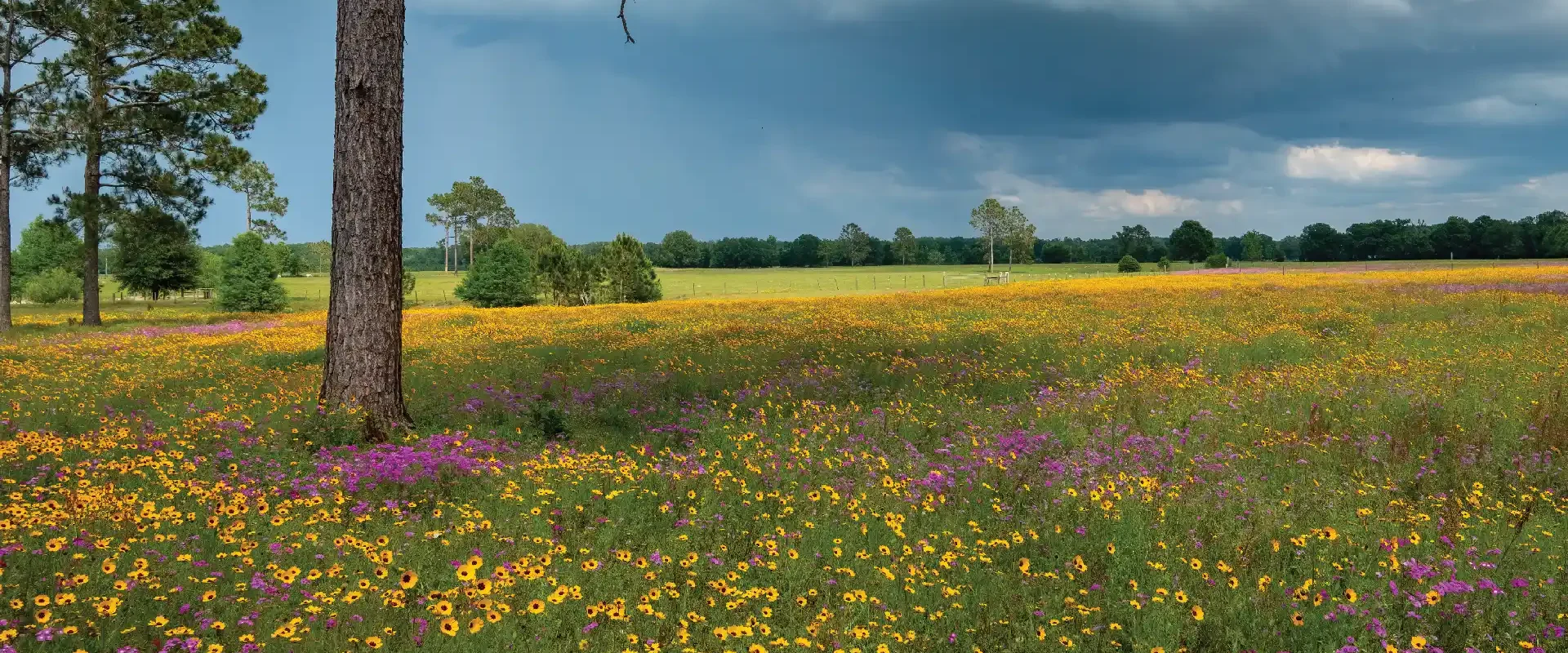
Florida has incredible native plant diversity. Muhly Grass (stunning pink plumes in fall), Wiregrass, and Sand Cordgrass are popular native grasses. For wildflowers, Tickseed Coreopsis (the state wildflower), Blanket Flower, and Black-Eyed Susan thrive throughout the state.
Yes, if you're within a few blocks of the coast, salt spray can damage standard turf grasses. Seashore Paspalum is the best option for salt tolerance. For native landscaping, Sea Oats and other dune grasses handle salt spray naturally and help with coastal erosion control.
Our seed experts know Florida growing conditions inside and out. Get personalized recommendations for your specific property and goals.