
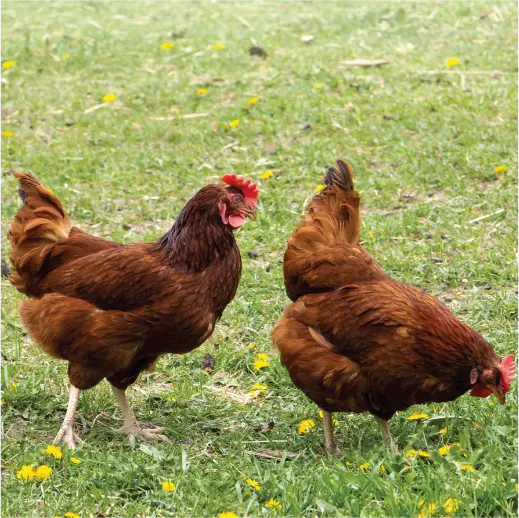
Protein-Packed
Omega-3 Rich
Healthy Pastures start with Seed you can trust. Regionally tested by American farmers for the best germination in your area.
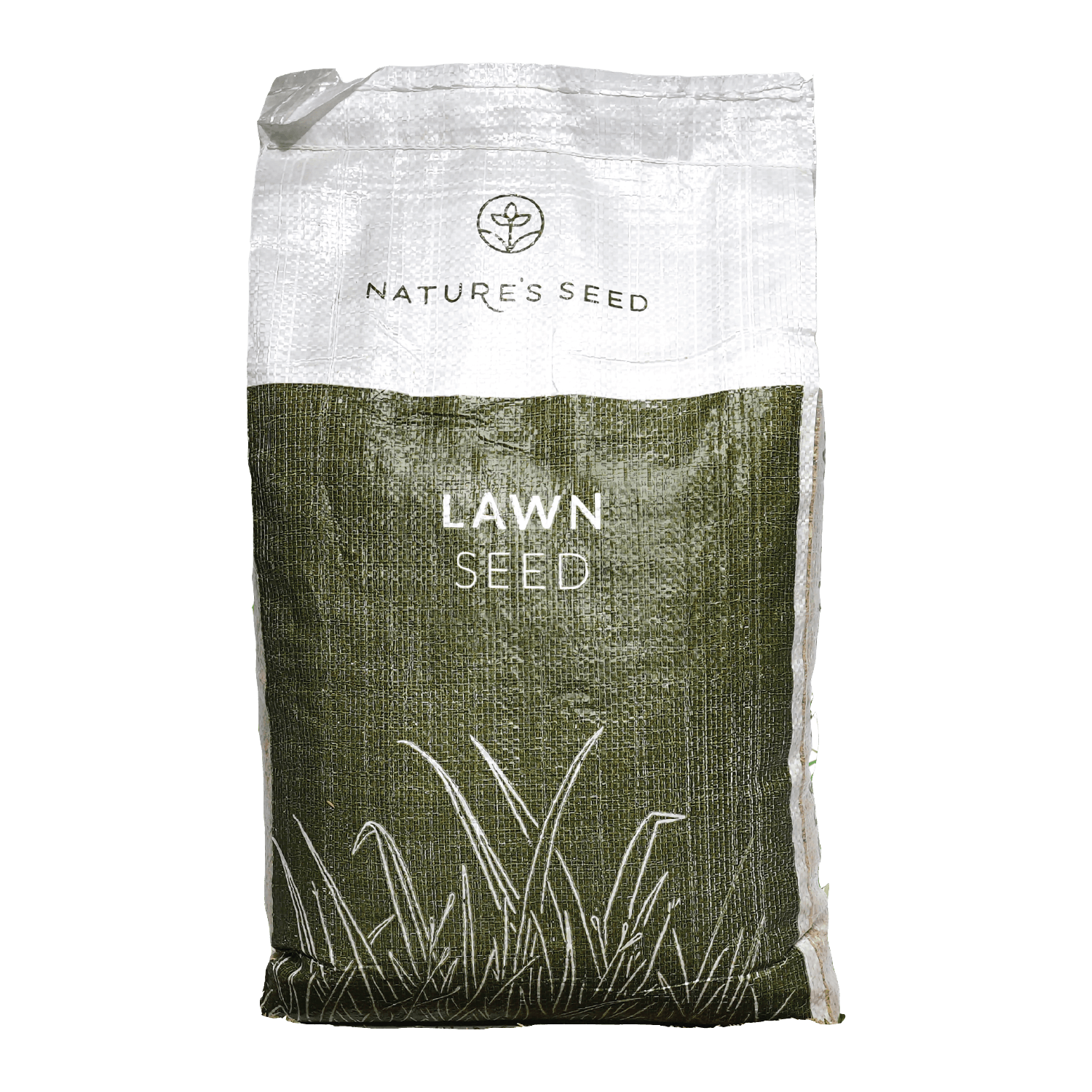
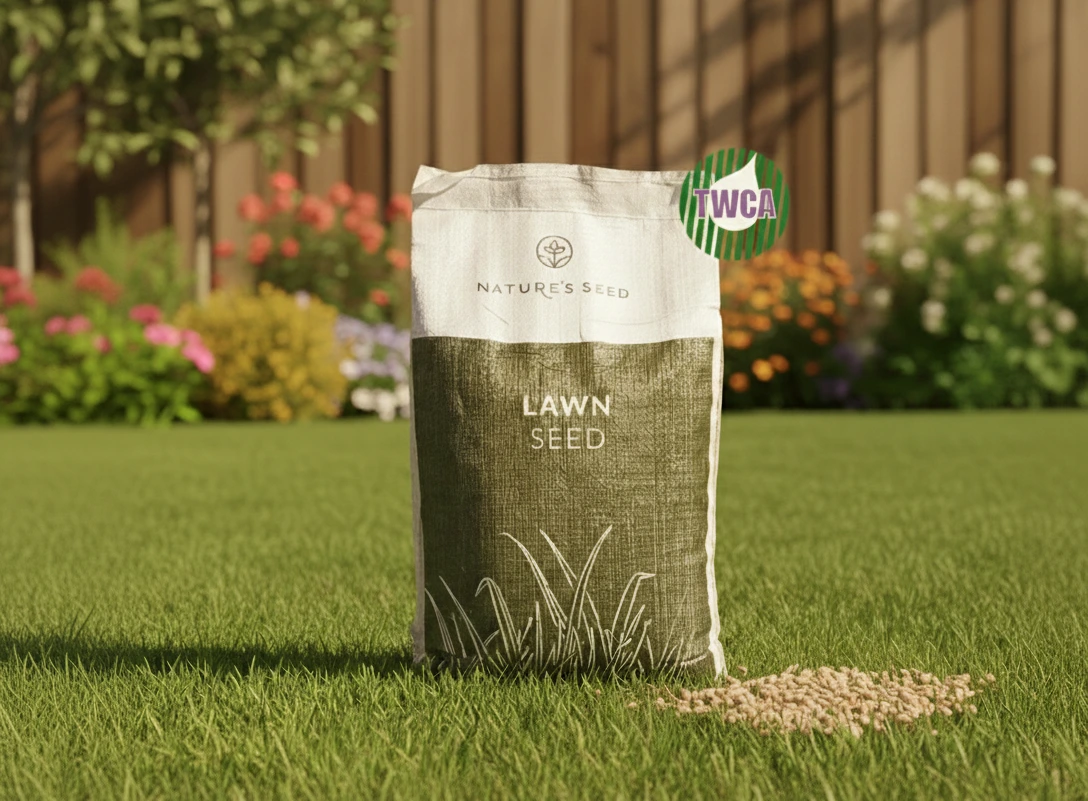

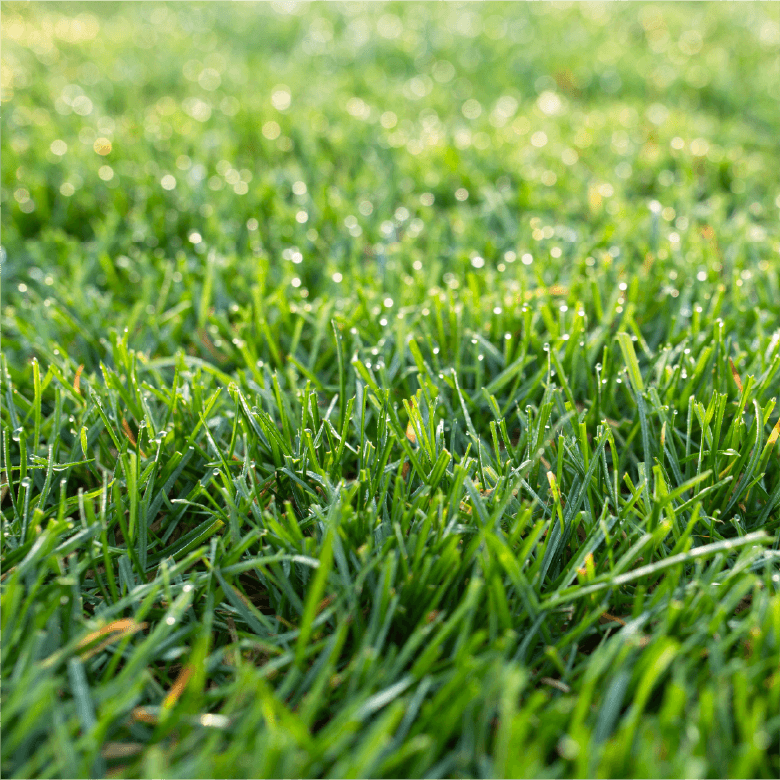

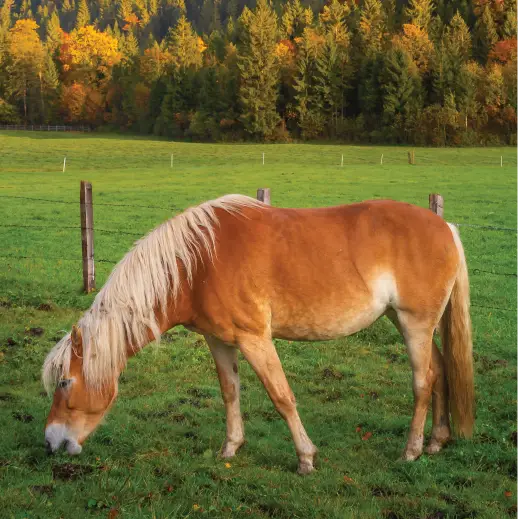
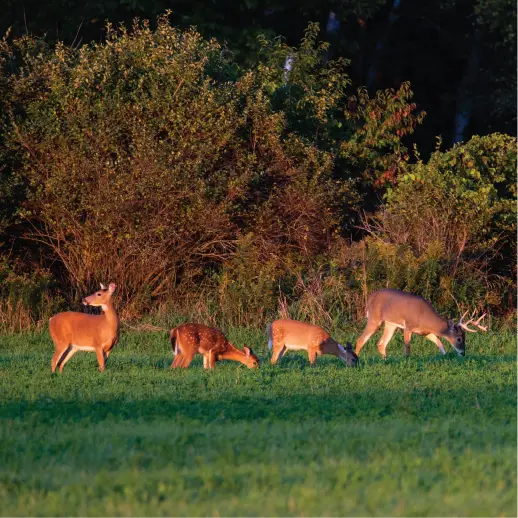
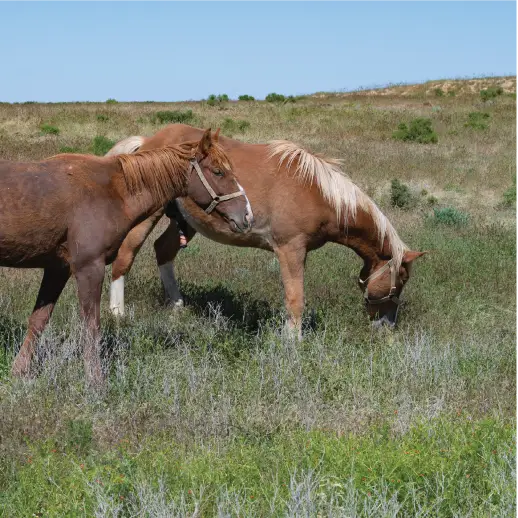
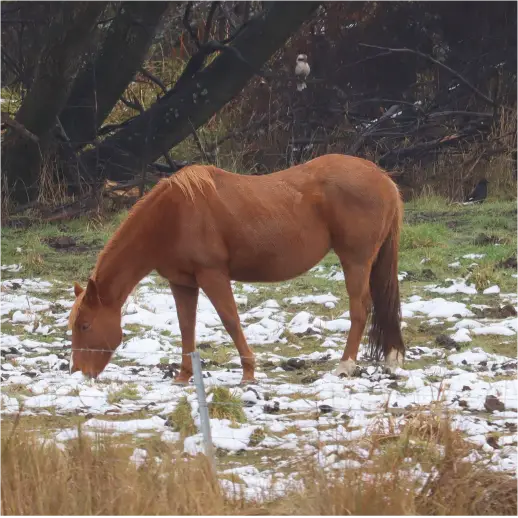
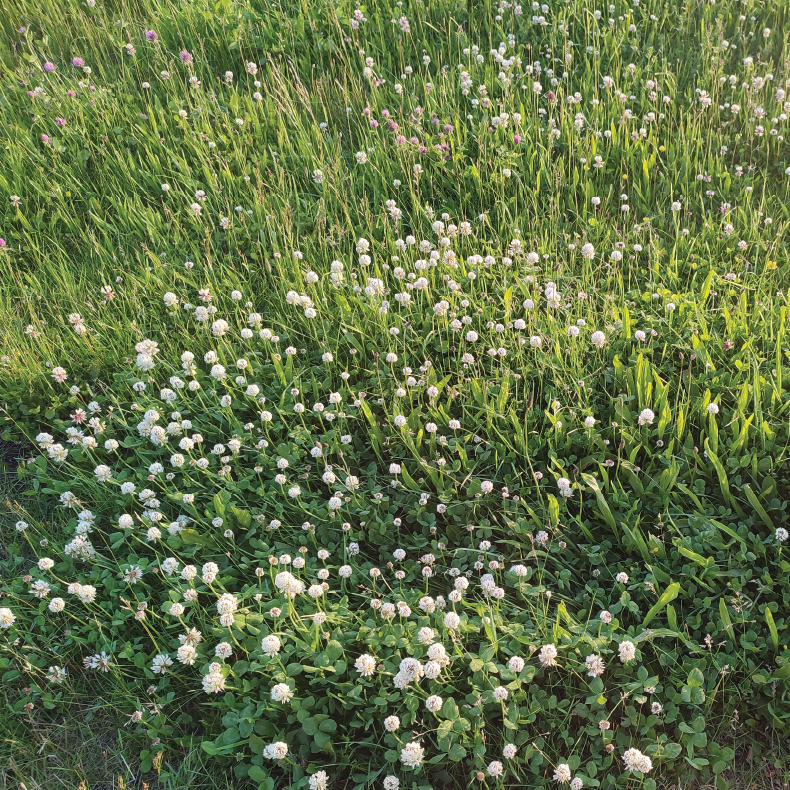
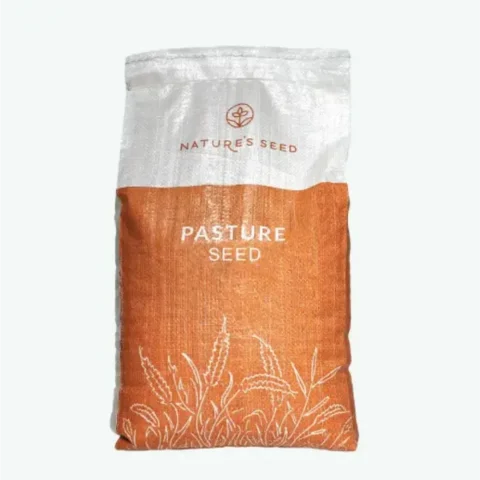
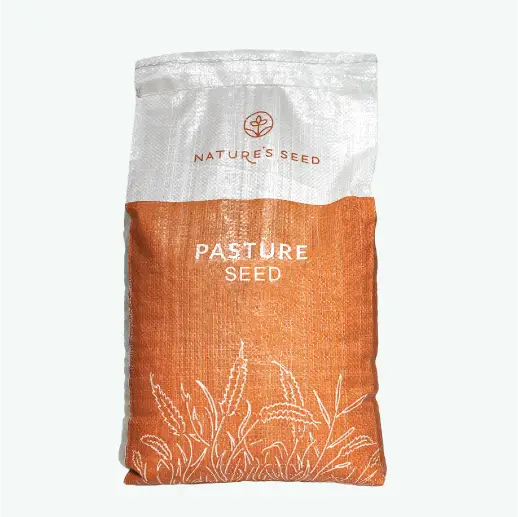
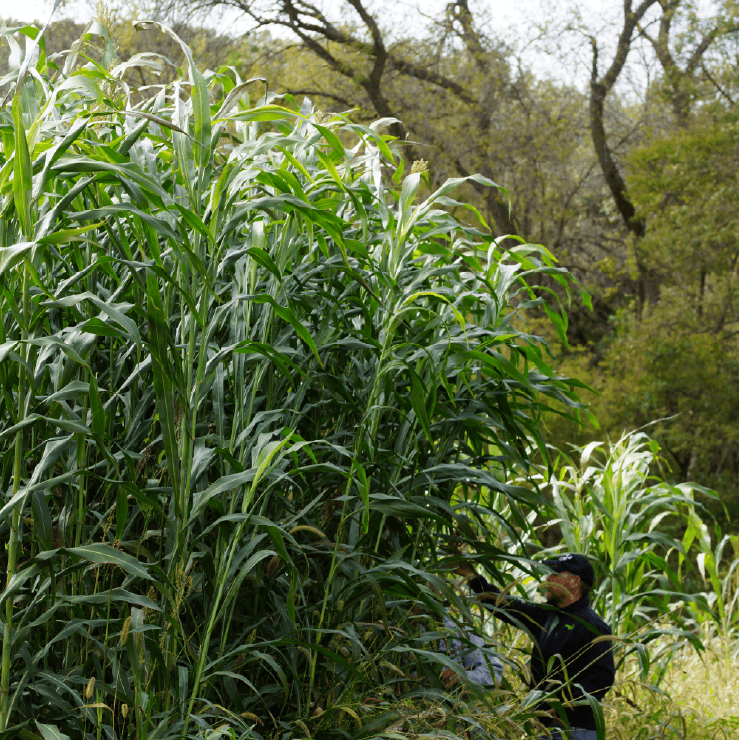
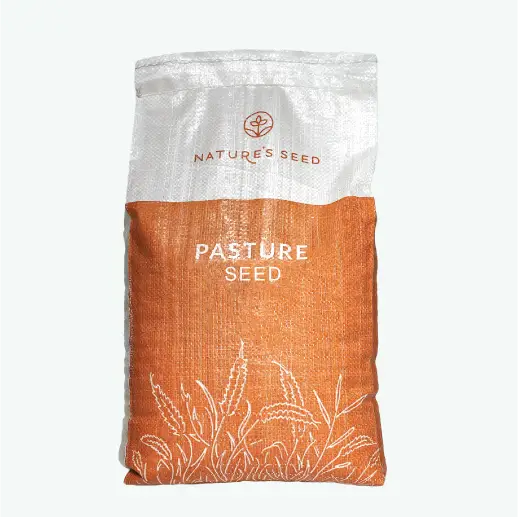
Premium Pasture Seed Blends for Productive Grazing Land
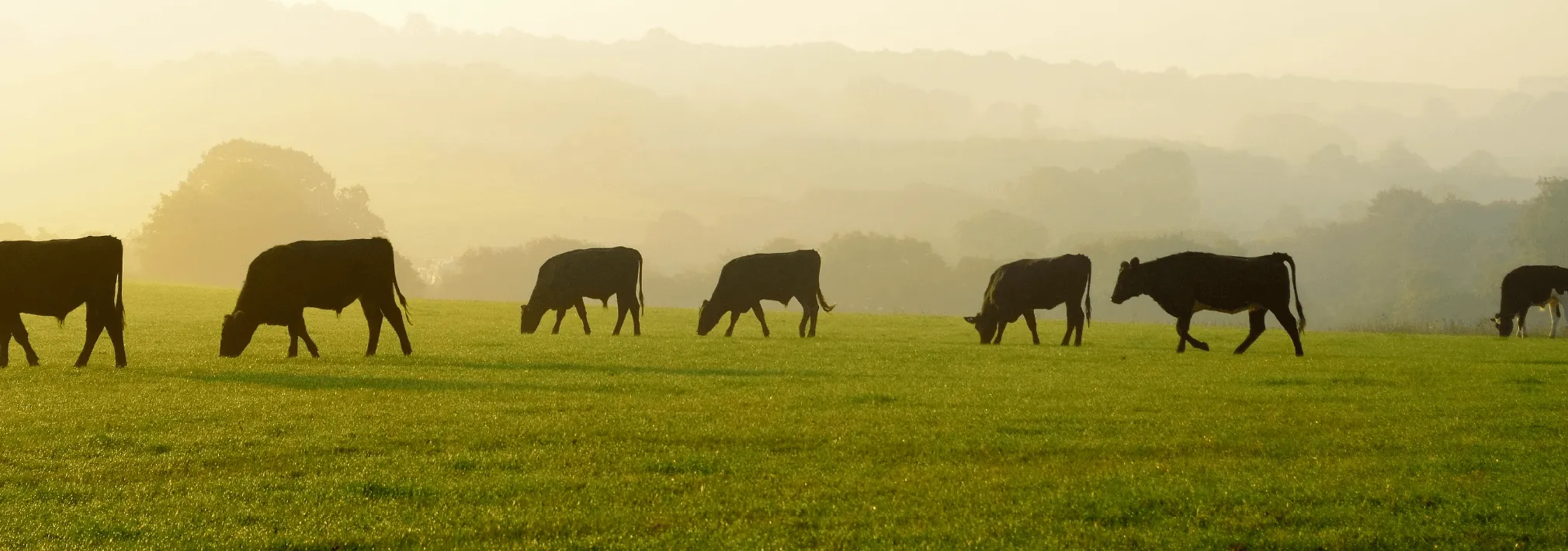
Healthy livestock start with healthy pasture. At Nature’s Seed, our rangeland specialists formulate every pasture seed blend to deliver nutrient-dense, high-yielding forage that keeps your animals thriving season after season. Whether you run horses, cattle, sheep, or goats, the right seed mix can cut your feed bill, improve animal health, and build soil that gets better every year.
Every lot is USDA-tested for purity and germination. No fillers. No weed seed. No GMOs. Just premium forage genetics, farm-direct to your door with free shipping.
Why Pasture Quality Matters More Than You Think
Pasture isn’t just grass. It’s a living system. A well-managed stand of forage grasses and legumes provides protein, energy, vitamins, and minerals that supplements alone can’t replicate. Research consistently shows that animals on quality pasture gain weight faster, produce more milk, and have fewer health problems than those relying heavily on stored hay and grain.
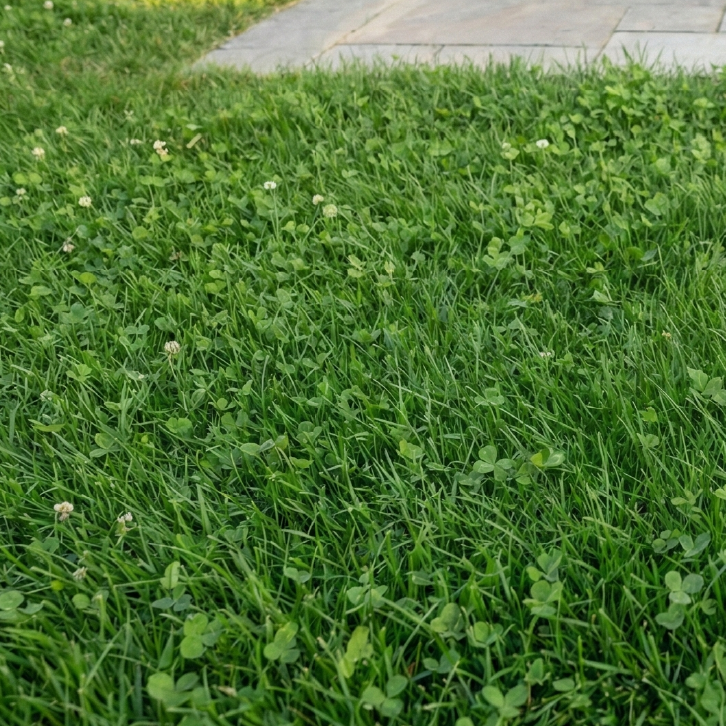
Good pasture also builds your land. Deep-rooted perennial grasses prevent erosion, improve water infiltration, and sequester carbon. Legumes like clover and alfalfa fix atmospheric nitrogen directly into the soil, reducing or eliminating your need for synthetic fertilizers. Over time, a well-established pasture becomes a self-sustaining system that actually improves the ground it grows in.
Poor pasture, on the other hand, invites weeds, erosion, and compaction. If your animals are spending more time on bare dirt than green forage, it’s time to renovate.
How to Choose the Right Pasture Seed
Selecting the right pasture blend comes down to three factors: your livestock, your climate, and your management style.
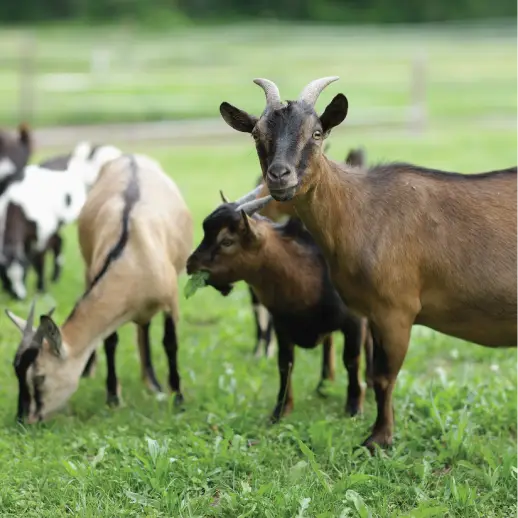
Match seed to your animals. Horses need endophyte-free tall fescue and palatable grasses like orchardgrass and Kentucky bluegrass. Cattle thrive on high-tonnage species like tall fescue, bromegrass, and alfalfa. Goats are browsers, not grazers, so they do best with forb-heavy blends that include chicory and birdsfoot trefoil. We formulate species-specific blends for horses, cattle, sheep, and goats because one size does not fit all.
Match seed to your region. Cool-season grasses like orchardgrass, perennial ryegrass, and timothy dominate in the northern US where winters are cold and summers are mild. Warm-season species like bermudagrass, bahiagrass, and big bluestem perform best in the southern US where heat and humidity drive the growing season. The transitional zone in between requires careful species selection to handle both temperature extremes. We offer blends for northern, southern, and transitional climates so your forage is adapted from day one.
Match seed to your water. If you irrigate, you can run high-production species like perennial ryegrass and alfalfa. If you’re dryland, our drought-tolerant pasture blends use deep-rooting species like wheatgrass, blue grama, and buffalograss that survive on rainfall alone.
What Makes Our Pasture Seed Different
Every Nature’s Seed pasture blend is designed by rangeland and forage specialists with decades of experience in livestock nutrition and land management. We don’t just throw species together. Each blend balances grass-to-legume ratios for optimal nutrition, includes multiple species for extended grazing seasons, and uses varieties selected for disease resistance, grazing tolerance, and regional performance.
Our blends typically combine three to five perennial grasses with one or two legumes. The grasses provide energy and fiber. The legumes provide protein and fix nitrogen in the soil. Together, they create a diverse stand that resists drought, recovers from heavy grazing, and produces forage from early spring through late fall.
Common species in our mixes include orchardgrass, tall fescue (endophyte-free for horse safety), Kentucky bluegrass, perennial ryegrass, timothy, bromegrass, alfalfa, white Dutch clover, and red clover. Individual species are also available in our individual pasture species collection for custom blending.
Establishing and Managing Your Pasture
New establishment. Prepare the seedbed by tilling to remove existing vegetation, then firm the soil with a cultipacker or roller. Broadcast or drill seed at the recommended rate, then roll again for seed-to-soil contact. Most cool-season pastures establish best when planted in early fall or early spring. Warm-season pastures go in after the last frost when soil temperatures reach 60°F.
Overseeding existing pasture. If your pasture has thinned but still has a base of desirable grasses, overseeding is faster and cheaper than a full renovation. Mow or graze down existing forage, then broadcast seed into the short stubble. A light drag or roller improves contact. Our thin pasture fix kits are designed specifically for this scenario.
Rotational grazing. The single most impactful management practice for pasture health is rotational grazing. Moving animals through paddocks gives each section time to recover, which increases forage production by 30 to 50 percent compared to continuous grazing. Even a simple two-paddock rotation makes a measurable difference.
Endophyte awareness. Tall fescue infected with the endophyte fungus can cause fescue toxicosis in horses and cattle, leading to poor weight gain, heat stress, and reproductive problems. All Nature’s Seed pasture blends use endophyte-free tall fescue to eliminate this risk entirely.
Pasture Seeding Rates and Timing
Many new pasture owners ask how much seed they need. A general rule is 20 to 25 pounds per acre for a new stand, and 10 to 15 pounds per acre for overseeding. Each of our products lists specific seeding rates on the label and product page.
Another common question is whether to plant in spring or fall. For cool-season pastures in the northern and transitional zones, early fall is ideal because cool temperatures and reliable moisture give seedlings the best start. Spring planting works too, but you’ll compete more with weeds. Warm-season pastures in the south should be planted after the last frost, typically April through June.
Stocking rate is critical. Overgrazing is the number-one cause of pasture failure. A general guideline is two acres per horse or cow-calf pair, but this varies with soil quality, rainfall, and management intensity. Start conservative and adjust based on how your forage responds.
Ready to build better pasture? Browse our full collection of pasture seed blends by animal type or region. Whether you’re establishing new ground, renovating tired pasture, or switching to drought-tolerant forages, we’ve got the seed and the expertise to help you succeed. Every order ships free.
———
Frequently Asked Questions About Pasture Seed
Q: How much pasture do I need per animal?
A: A general guideline is two acres per horse or cow-calf pair on well-managed, productive pasture. Sheep and goats require roughly half an acre to one acre per animal. These numbers vary significantly based on soil fertility, annual rainfall, forage species, and whether you practice rotational grazing. Start conservative and increase stocking only after observing how your forage responds through a full growing season.
Q: When is the best time to plant pasture seed?
A: For cool-season pasture grasses in the northern and transitional US, early fall (late August through September) is the ideal planting window. Cooler temperatures, reliable moisture, and reduced weed competition give seedlings the strongest start. Spring planting works as a backup but requires more weed management. Warm-season pasture grasses should be planted after the last frost, typically April through June, when soil temperatures reach at least 60°F.
Q: How do I renovate a worn-out pasture?
A: Start by soil testing to identify nutrient deficiencies, then address any compaction with aeration or light tillage. Mow or graze existing vegetation as short as possible and overseed with an improved pasture blend at 10 to 15 pounds per acre. A no-till drill gives the best seed-to-soil contact, but broadcasting followed by a drag or roller also works. Lime and fertilize according to your soil test results, and keep livestock off the area for 60 to 90 days to let new seedlings establish.
Q: Can I overseed my existing pasture without tilling?
A: Yes. Overseeding into existing pasture is a proven renovation method. Graze or mow the stand down to two to three inches, then broadcast seed directly into the short stubble. Use a drag, roller, or even animal hooves to press seed into the soil surface. The key is good seed-to-soil contact and reduced competition from existing plants during the establishment period. Keeping livestock off the seeded area for 60 days dramatically improves success rates.
Q: What is rotational grazing and why does it matter?
A: Rotational grazing involves dividing your pasture into smaller paddocks and moving animals between them on a schedule, giving each section time to rest and regrow. This practice increases forage production by 30 to 50 percent compared to continuous grazing because grasses recover more vigorously when they aren’t grazed below their energy reserves. Even a simple two-paddock rotation makes a significant difference in forage yield and stand longevity.
Q: Does pasture need fertilizer?
A: It depends on your soil and your mix. Pasture blends that include legumes like clover and alfalfa fix their own nitrogen from the atmosphere, often reducing or eliminating the need for nitrogen fertilizer. However, phosphorus, potassium, and lime needs vary by soil type. A soil test every two to three years is the most cost-effective way to know exactly what your pasture needs. Over-fertilizing wastes money and can actually encourage weed growth over desirable forages.
Q: What is endophyte in fescue and why should I worry about it?
A: Endophyte is a fungus that lives inside many varieties of tall fescue. While it helps the plant resist drought and insects, it produces alkaloids that are toxic to livestock, especially horses and cattle. Symptoms of fescue toxicosis include poor weight gain, heat intolerance, reduced milk production, and reproductive failure. All Nature’s Seed pasture blends use endophyte-free tall fescue to completely eliminate this risk.
Q: How long after planting until my pasture is ready to graze?
A: Most cool-season pasture grasses need 60 to 90 days of establishment before they can handle grazing pressure. The plants need time to develop strong root systems that anchor them against being pulled out by livestock. A good rule of thumb is to wait until the forage reaches six to eight inches tall, then allow a light grazing down to three to four inches. Avoid heavy or continuous grazing during the first full growing season to give the stand time to thicken and tiller.
Step 1 of 7
Where do you live? (Pick the region that fits best.)
Which animals or purposes is this pasture for? (Select all that apply.)
Which best describes your forage season pattern?
Irrigation availability?
How intensively will you manage grazing and fertility?
Any special goals?
Sun exposure?
