
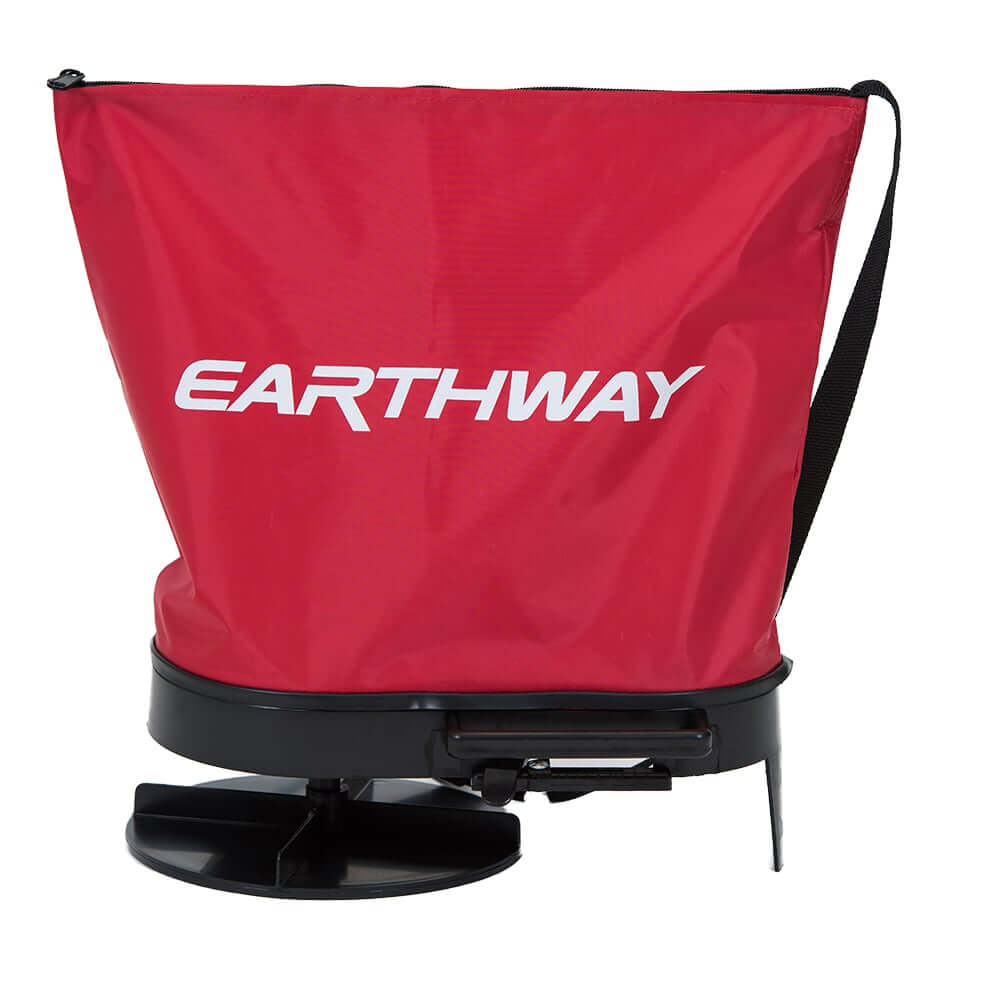
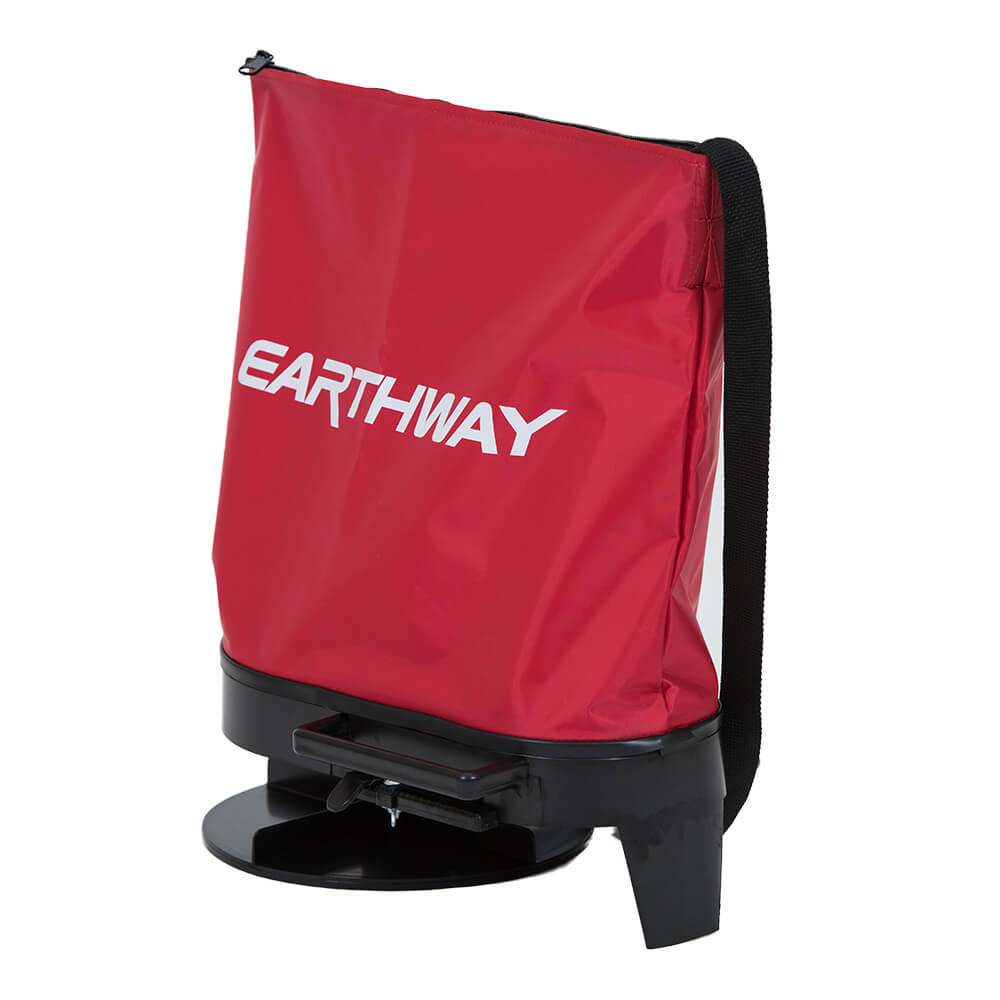
Go Anywhere
Even Coverage
From Original price was: $97.99.$89.99Current price is: $89.99.
25 lb Capacity, Slopes & Hills, Seed & Fertilizer, Stores Flat
See Details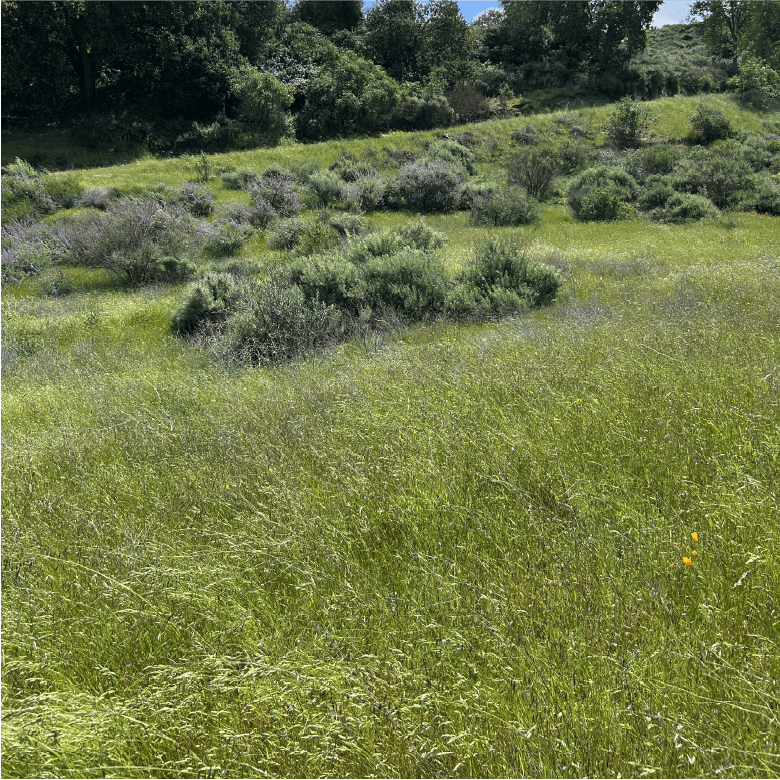
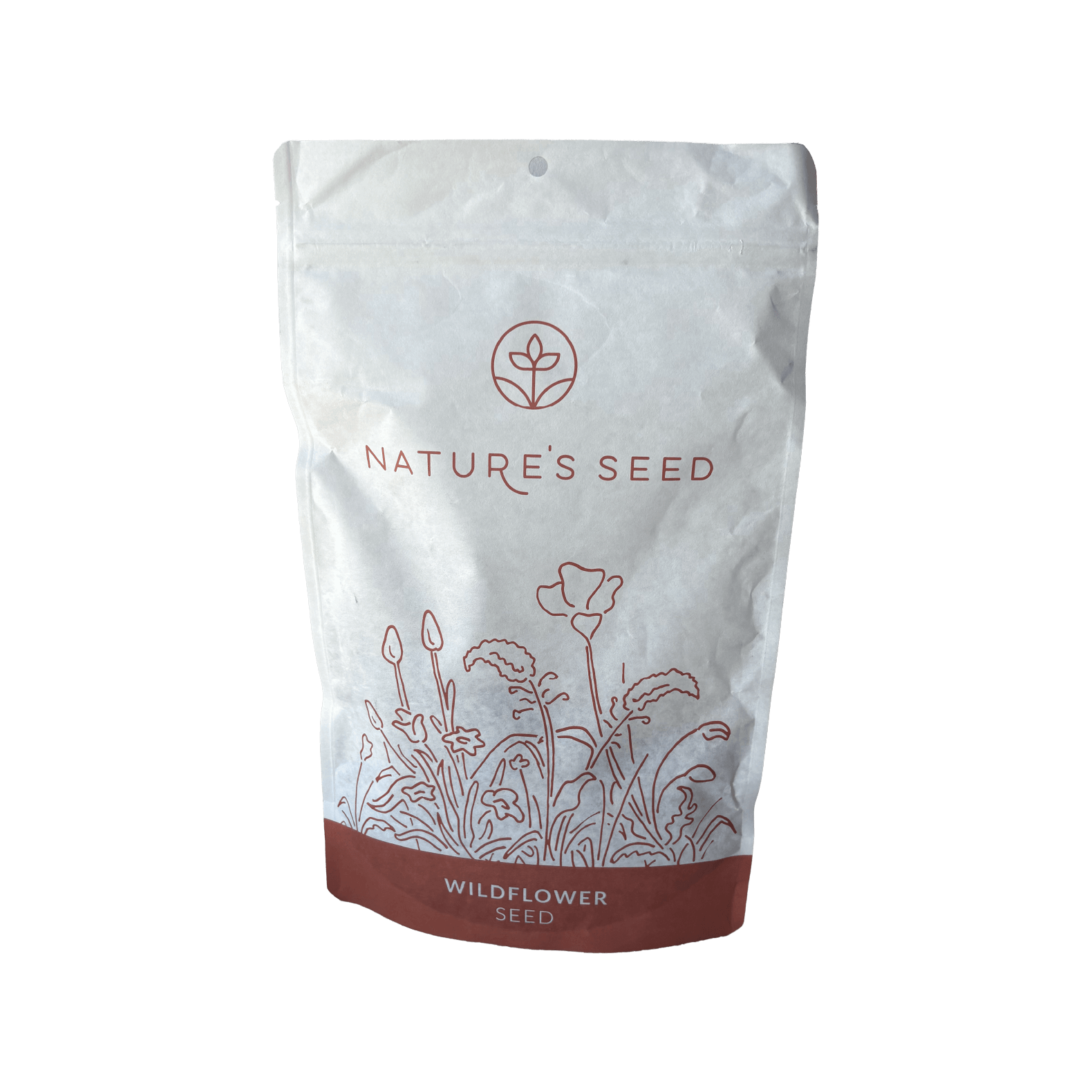
| Every Seed Grows We don't pad bags with dead seed or filler. What's in the bag is what grows in your yard. | |
| Independently Tested, Every Batch Each lot is tested by a third-party lab for germination and purity before it ships to you. | |
| Grown on American Farms Our seed comes direct from U.S. growers we know personally — not a middleman warehouse. | |
| Clean Seed, No Shortcuts No coatings to inflate weight, no GMOs, no cheap filler species. Just seed. |
Free shipping on all orders under 125 lbs!
SKU: PB-COSS
The Coastal Sage Scrub Mix is a carefully curated blend of native Californian plant seeds designed to flourish in coastal sage scrub habitats. Bursting with diversity, it includes a mix of grasses, shrubs, and wildflowers that will bring a beautiful variety of colors to your garden. These plants are resilient and adapted to dry, sandy coastal conditions, making them an excellent choice for xeriscaping. This mix helps support local wildlife, including pollinators, and it’s great for anyone looking to restore their landscape with native species.
Species include:
Acmispon heermannii, Acmispon glaber, Artemisia californica, Camissoniopsis cheiranthifolia, Collinsia heterophylla, Encelia californica, Eriogonum fasciculatum, Eschscholzia californica, Festuca microstachys, Isocoma menziesii, Lasthenia californica, Lupinus succulentus, Mimulus aurantiacus puniceus, Salvia apiana, Salvia mellifera, Sisyrinchium bellum, and Stipa pulchra.
All seed in this mix was collected with permissions and/or grown in Southern California.
Coastal native legume that fixes nitrogen and provides low-growing ground cover ideal for stabilizing bluffs and coastal sage scrub sites.
Fast-colonizing nitrogen-fixer that jumpstarts coastal sage scrub recovery by enriching depleted soils and covering bare ground quickly.
Foundation species of coastal sage scrub that restores structural habitat for the California Gnatcatcher and other sensitive wildlife.
Native coastal groundcover that stabilizes sandy soils and provides early-season pollinator resources along coastal restoration sites.
Delicate native annual that adds bloom diversity and supports native bees, thriving in the partial shade of recovering coastal scrub.
Drought-adapted native that establishes readily on coastal slopes, offering season-long pollinator value and erosion control.
Indispensable coastal sage scrub shrub supporting dozens of native bee species and providing persistent structure in restored plant communities.
Iconic native annual that adds early-season color and pollinator forage to newly established coastal California restoration projects.
Native bunchgrass well-suited to coastal conditions that fills the ground layer, suppresses invasive annuals, and complements shrub establishment.
Late-season blooming native shrub that extends pollinator forage into fall and restores important structural diversity in coastal scrub.
Cheerful native annual that provides a burst of early color and supports native bees during the first seasons of coastal restoration.
Vigorous nitrogen-fixing annual that quickly improves coastal soil fertility and delivers abundant spring bloom for pollinators.
Resilient native subshrub that thrives on coastal slopes, providing hummingbird and bee forage while reinforcing disturbed soil.
Ecologically vital coastal sage scrub species that restores authentic plant community character and supports specialist native pollinators.
High-value native shrub for coastal sage scrub restoration, offering dense structure, abundant nectar, and wildlife cover.
Delicate native perennial that adds fine-textured diversity to the ground layer of restored coastal scrub and grassland edges.
California's state grass and a native bunchgrass anchor for coastal sage scrub restoration, providing long-term soil stability.
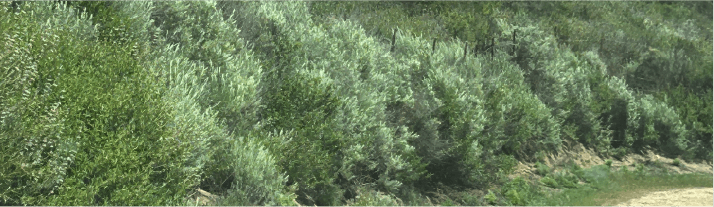
This mix offers a rich diversity of species, bringing a stunning array of colors and forms to your garden.
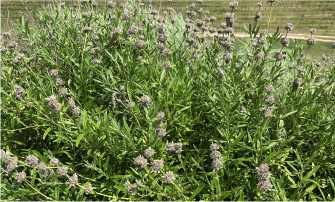
The mix supports local wildlife, offering food and habitat to various pollinators and birds.
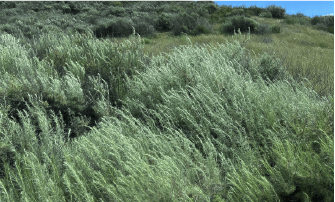
These native species are adapted to dry climates, making them perfect for water-wise landscaping.
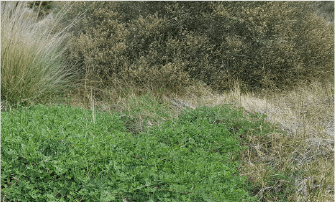
These seeds are easy to sow and require minimal maintenance once established.
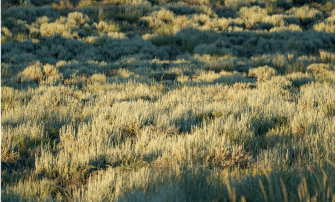
Perfect for restoration projects, the mix helps to reestablish native plant communities.
Start prepping your planting area in fall, so that you are ready to seed between late September and early February, when temperatures cool and rain is on the horizon.
Weed your growing area BEFORE planting any native seeds. We recommend not only pulling visible weeds but also “flushing out” the weed seeds that are waiting in the soil. Irrigate the area and wait for weed seeds to germinate, then remove them using your method of choice. Irrigate again, wait, and perform another round of weed control. Repeat 2-3 times.
Ensure your soil is as bare as possible for the maximum amount of seed-to-soil contact. If the entire area can’t be completely cleared, rake out as much dead plant material from the area as you can to create bare patches of soil for the seed to make contact with. For best results, the soil should be easily crumbled and not heavily compacted.
It is best to seed onto slightly damp soil. If necessary, water the top 1/4 inch of soil before seeding. Scatter seed directly on the soil surface and rake gently or lightly press the seed into the soil. Do not bury the seed deeper than 1/4 inch into the soil.
After planting, keep the top 1/4 inch of soil consistently moist until the seeds have germinated and the first true leaves have emerged. A good rule is to water lightly every day intul the seedlings are an inch high, then you can reduce watering to every 3 days. Skip days when it rains. Within 6 weeks after germinating, your plants should need only occasional watering. Don’t over-water your plants, especially in summer.
Sowing should be done in the early spring or fall.
Once established, these plants are drought tolerant and require minimal watering.
Yes, these native species are perfect for attracting pollinators and birds.
Yes, but make sure the pot is large enough to accommodate the mature size of the plants.
These plants require minimal care, just ensure they are not overrun by weeds.
Depending on the species and planting time, flowers should appear within 3-4 months.
Our seed experts are ready to help you find the perfect seed for your project.
1-866-322-7300 Ask a Seed ExpertSee what real customers are saying. All reviews are collected and verified by Shopper Approved, an independent third party.
From Original price was: $97.99.$89.99Current price is: $89.99.
25 lb Capacity, Slopes & Hills, Seed & Fertilizer, Stores Flat
See Details