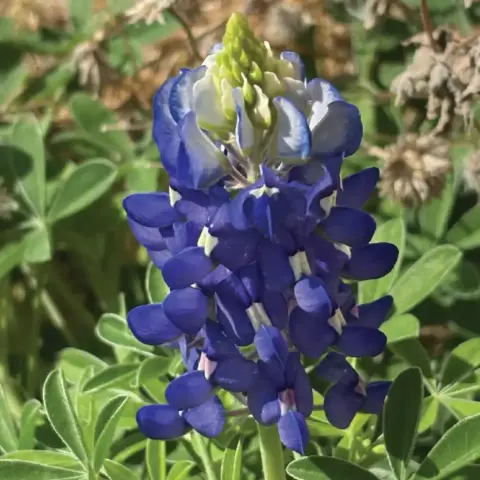
TX State Flower
Self-Reseeding
| Every Seed Grows We don't pad bags with dead seed or filler. What's in the bag is what grows in your yard. | |
| Independently Tested, Every Batch Each lot is tested by a third-party lab for germination and purity before it ships to you. | |
| Grown on American Farms Our seed comes direct from U.S. growers we know personally — not a middleman warehouse. | |
| Clean Seed, No Shortcuts No coatings to inflate weight, no GMOs, no cheap filler species. Just seed. |
Free shipping on all orders under 125 lbs!
SKU: BDL-FYC
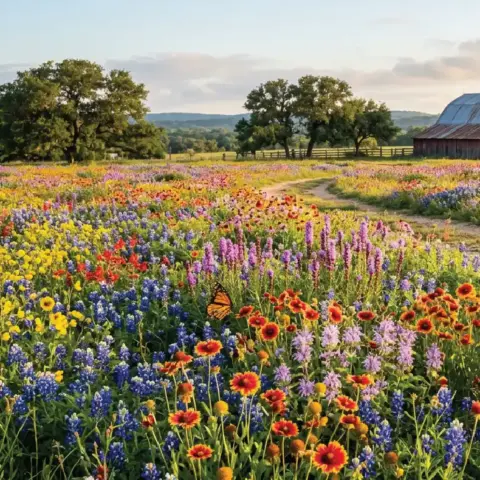
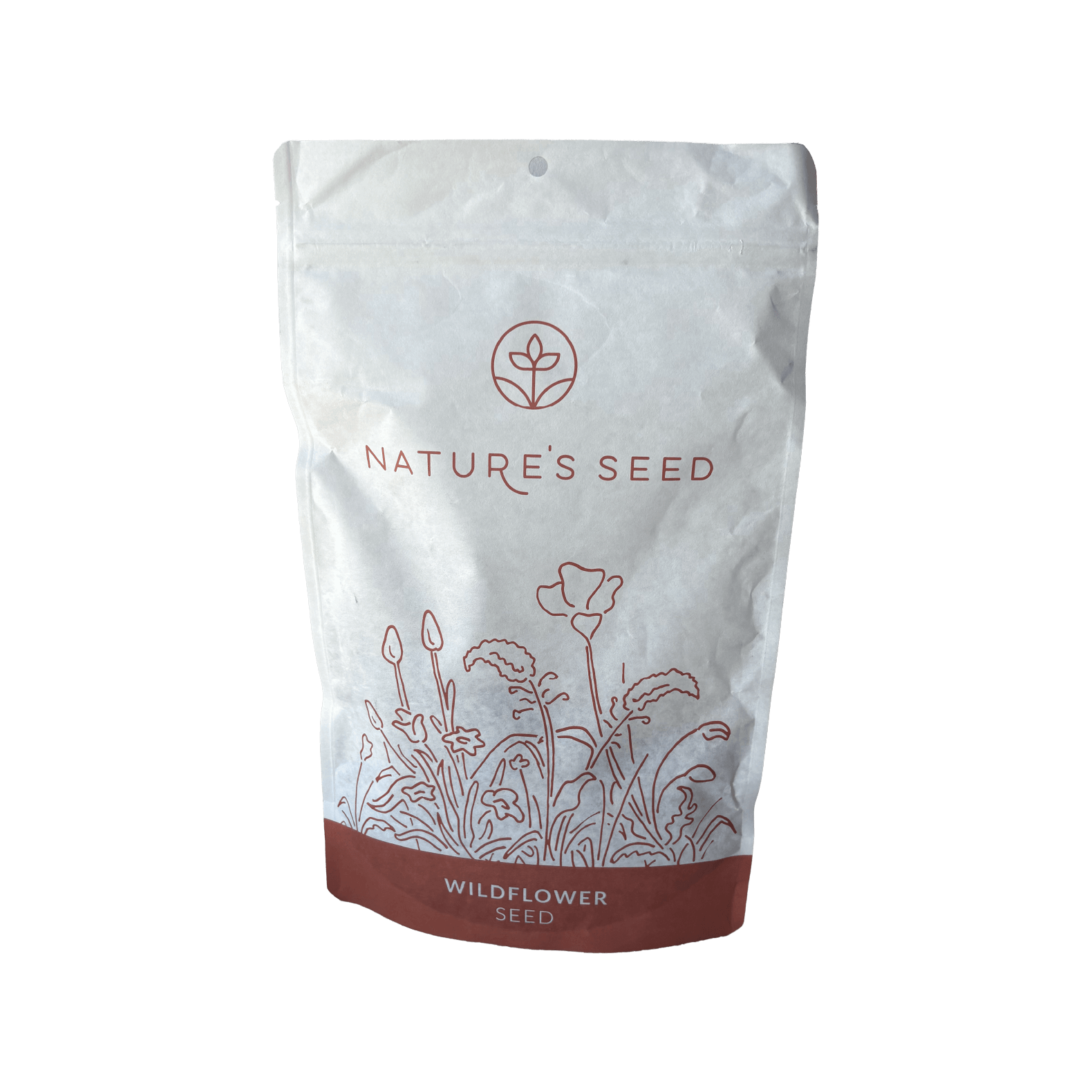
A 2-mix wildflower kit designed to solve the biggest problem with perennial wildflower plantings: the wait. The Annual Mix provides dense color in the first growing season while the Deer Resistant Mix establishes a long-term perennial foundation underneath. Year 1 you get flowers from the annuals. Year 2 onward, the perennials take over and bloom for decades.
The biggest frustration with perennial wildflower plantings is the first-year gap. Perennials spend year one building roots — you see leaves but few flowers. By including the Annual Mix, this kit fills that gap completely. Annual wildflowers germinate in 7-14 days and bloom in 6-10 weeks. You get a full, colorful wildflower display in the first season while perennials quietly establish underneath.
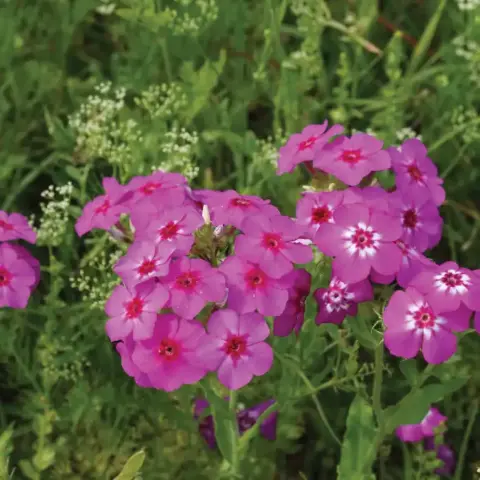
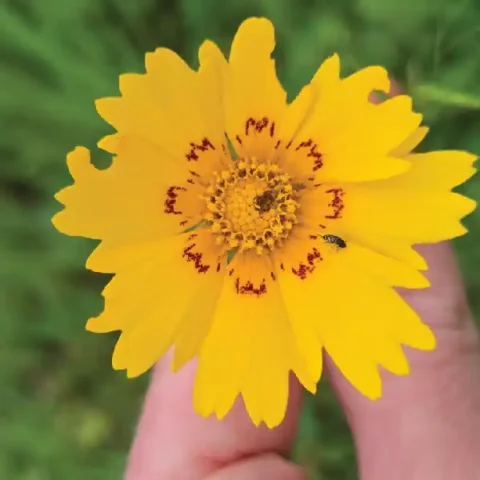
After the annuals complete their single-season life cycle, the perennial Deer Resistant Mix takes over. These species were selected specifically for deer resistance — meaning your wildflower planting survives even in high deer-pressure areas. Once established (year 2-3), these perennials bloom reliably for years to decades with no replanting required. The annual species naturally step aside as perennials fill their space.
Mix both bags together and scatter as one combined application. The annual seeds will germinate first and occupy the surface, while perennial seeds settle in and begin root development at a slower pace. There is no conflict between the two mixes — annuals are shallow-rooted and temporary, perennials go deep and permanent. By year 2, the natural succession from annuals to perennials happens without any intervention.
The full 1 lb kit (both 0.5 lb bags combined) covers approximately 1,000 sq ft. Wildflower seeds are small and densely packed — a little goes a long way. For larger areas, multiple kits can be combined. For a denser initial display, apply 1.5-2x the recommended rate. Mixing seed with dry sand (4:1 sand to seed) helps distribute the tiny seeds more evenly.
After the initial establishment period (2-3 weeks of light watering if no rain), this planting requires almost zero maintenance. Do not fertilize — wildflowers perform better in poor soil. Do not mow during the growing season. After seeds mature and drop in late summer/fall, mow once to 4-6 inches to distribute seeds and remove dead stalks. The annuals reseed themselves for the next year; the perennials expand their root systems.
Choose a site with full sun and good drainage. Remove existing vegetation by mowing short or light raking — do not deep-till. A thin layer of bare soil is ideal. Wildflowers prefer poor to moderate soil. Do NOT add fertilizer, compost, or topsoil — rich soil promotes weeds and foliage over flowers. If the site has heavy weed pressure, consider a few weeks of weed-killing (solarization or shallow cultivation) before seeding.
Combine both 0.5 lb bags in a container. Mix with dry sand at a 4:1 ratio (sand to seed) for more even distribution — wildflower seeds are tiny and difficult to spread evenly without a carrier. Scatter by hand or with a broadcast spreader on the lowest setting. Make two passes in perpendicular directions. Do NOT bury seeds — most wildflower species need light to germinate.
After scattering, press seeds firmly into the soil surface using a lawn roller, board, or by walking over the area. Seed-to-soil contact is critical — loose seeds sitting on top of mulch or thatch will not germinate. Water lightly every 2-3 days for the first 3-4 weeks if no rain falls. Keep the surface moist but never saturated. Once seedlings are 2-3 inches tall, reduce watering to weekly deep soaking.
Year 1: Enjoy the annual color show. Do not mow during bloom season. After seeds drop in late summer/fall, mow to 4-6 inches and remove heavy clippings. Year 2+: The perennial foundation emerges. Same management — no mowing during bloom, one late-season mow after seeds drop. Do not fertilize. Do not irrigate (except during extreme drought). These are native/naturalized species adapted to surviving on natural rainfall.
Perennial wildflowers spend their first year building root systems and produce few flowers. Without annuals, your planting looks sparse and disappointing in year one. The annual species fill this gap with fast, dense color while perennials establish underneath. By year 2, perennials are strong enough to bloom on their own and the annuals naturally phase out (though many self-seed and return).
The Deer Resistant Mix contains species that deer avoid due to taste, texture, or scent. No plant is 100% deer-proof — starving deer will eat anything. But under normal conditions, these species experience minimal deer browsing compared to standard wildflower mixes. In areas with extreme deer pressure, additional deterrents (fencing, repellents) during the first-year establishment period help.
Fall (September-November) is preferred for most regions. Fall-sown seeds experience natural winter stratification (cold, moist conditions) which breaks seed dormancy and produces higher germination rates. Spring planting (March-May) works but may produce lower germination of species that require cold stratification. In the Deep South, late fall planting is ideal.
During the first 3-4 weeks, water lightly every 2-3 days if no rain falls. After that, wildflowers generally survive on natural rainfall. Supplemental watering during extreme drought (more than 3 weeks without rain during the growing season) helps but is not essential. These species are selected for toughness — over-watering is more harmful than under-watering.
Most perennial species in the Deer Resistant Mix bloom reliably for 5-20+ years once established. Some species are effectively permanent — they expand their root systems annually and become larger, more prolific bloomers over time. The planting improves with age as perennials fill in gaps and suppress weeds through competition.
No. Both mixes require full sun — minimum 6 hours of direct sunlight daily, preferably 8+. Partial shade dramatically reduces flowering and promotes leggy, weak growth. If your site gets less than 6 hours of sun, wildflower mixes are not the right choice. Consider shade-tolerant groundcovers instead.
Our seed experts are ready to help you find the perfect seed for your project.
1-866-322-7300 Ask a Seed ExpertSee what real customers are saying. All reviews are collected and verified by Shopper Approved, an independent third party.