Peaceful Coexistence: Keeping Deer from Eating Your Wildflowers

Table of Contents
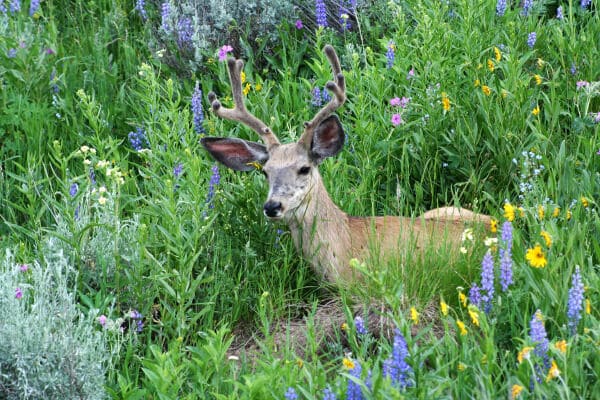
Living in an area that is well-known as deer country, I’ve become accustom to the ongoing battle these beautiful pests wage on our landscapes. And like most folks, I’ve tried several tricks over the years in an attempt to discourage deer from eating up flowers, shrubs, and other parts of the landscape. But before I continue I want to make it clear that I don’t blame these animals for their annoying behavior. After all, they were here first and are only doing what deer naturally do. Our landscape plants offer them a fast, easy, appetizing meal. Isn’t that what we humans have become accustom to as well? So before we rant and rave about deer in our gardens, let’s first try to understand why they’re there.
Chances are the area your house was built on was once their natural grazing habitat. Also, deer frequently begin to migrate down into the foothills and valleys as forage becomes scarce at higher elevations. Like most other problems encountered in landscaping, the best way to solve a problem is not by fighting nature, but by working with and mimicking her ways. Deer-resistant gardening focuses on making your property less appealing to deer without causing them harm.
Understanding Deer Behavior
To effectively protect your plants, it helps to know how and why deer choose their food sources. Deer have an excellent sense of smell and generally avoid plants that have a strong, pungent odor or a bitter taste. They are also sensitive to the textures of plants. Choosing native plants and wildlife-friendly habitats that naturally deter them is often the most sustainable solution. Remember that deer browse patterns can change drastically depending on the availability of other food sources; a plant they normally ignore might become dinner during a drought or a harsh winter.
Deterring Deer Through Plant Selection
Grow Plants Deer Find Unappetizing
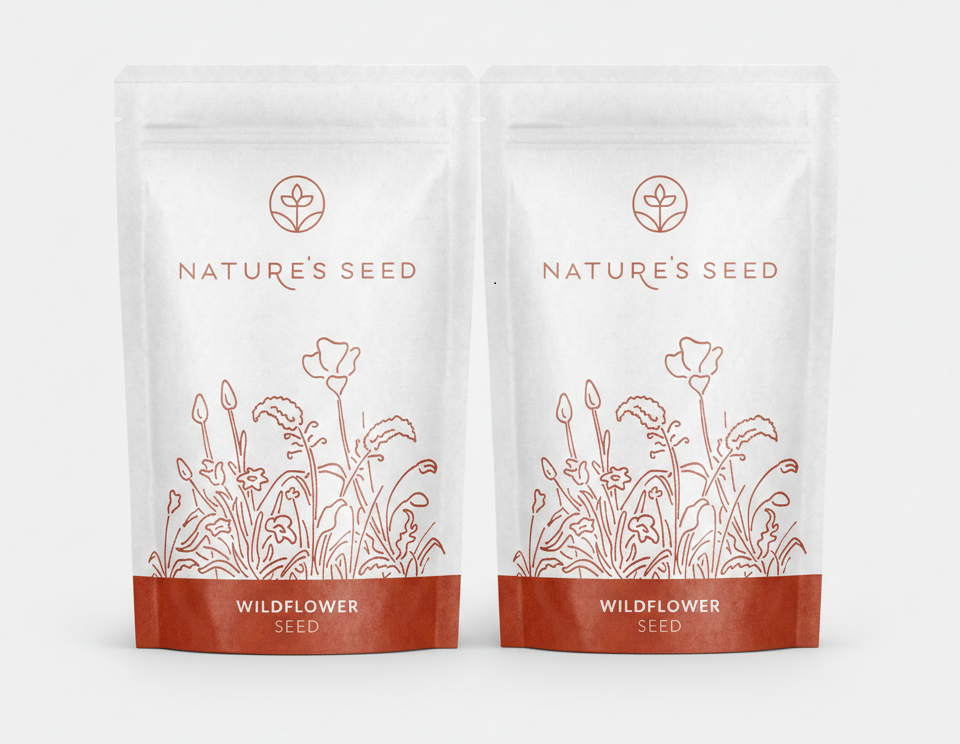
With this thought in mind, what would be the best way to stop something from eating something else? Anyone who has even a fraction of experience with young children will know that if you want to ensure something doesn’t get eaten, serve a food that they hate. The same concept can be used with deer. Offer them plants they find repulsive, such as the wildflowers found in our Deer Resistant Wildflower seed blend. Our mix contains wildflower species that are resistant to deer and other wildlife, meaning that deer will normally avoid them if other food sources are available.
However, if food sources are scarce even these normally avoided wildflowers may be browsed by deer. Just like if you were starving you’d probably eat things you normally wouldn’t. No plant is totally deer proof, but there are some common characteristics of plants that deer prefer not to eat. Look for plants with:
- Thorny or prickly leaves and stems
- Plants that have strong scents (e.g., lavender, mint)
- Plants that produce thick, latex-like sap
- Plants with hairy or fuzzy leaves
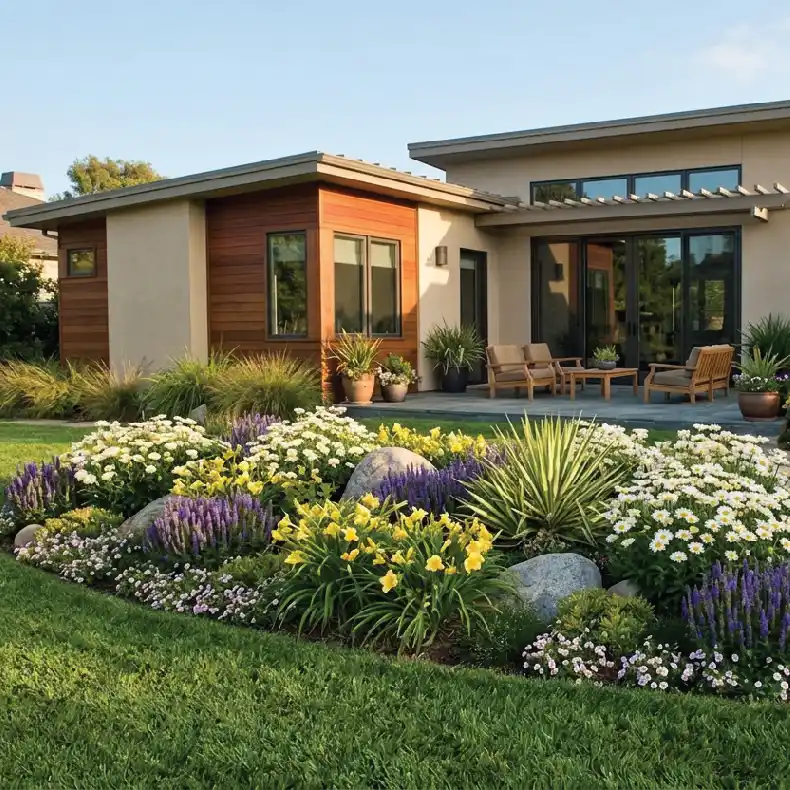
Choosing native, unappetizing plants is far more effective than trying to protect every ornamental shrub. For example, deer generally avoid many ornamental grasses and perennial flowers. You can find many options in our full selection of wildflower seed mixes.
Using Scents to Humanely Deter Deer
Scare Them Away With Human and Animal Scents

On top of making your landscape unappetizing, you can also humanely scare the deer away by making it smell more human. What is one of the first things deer hunters do to themselves before setting out? They use products that cover-up their human scent. This is because deer are very sensitive to smells, and one whiff of human is all that’s needed to send deer running from danger. One method many people swear by is scattering human hair clippings around the perimeter of your garden.
Not only will human scents help to keep deer out of your landscape, but the scent of other animals is also an effective deterrent. Save and spread the clippings from your dog the next time you get it groomed, or scatter chicken manure lightly around your landscape plants. A pet dog is often one of the best ways to scare deer away depending on whether it stays outside and is unchained during deer encounters. Deer perceive the presence of a predator, even just its scent, as a high-risk area to avoid.
Alternative Deer Deterrent Methods
Physical and Commercial Deterrents
Other methods include stringing a strand of fishing line between trees or posts at two or three feet off the ground. The idea behind this is to confuse and scare the deer when they bump into the unseen line. I have not personally tried this one, although it seems to be a common practice. For more comprehensive physical barriers, research on effective deer fencing techniques is available from state extension services.

During my years as a property manager, I tried many commercial spray-on products that smelled like a mix of raw eggs and vinegar, to products that contained bloodmeal. The problem with these products is that they varied in effectiveness and needed to be reapplied after rainstorms and irrigation. Not to mention they made the landscape almost unbearably smelly for a time. For long-term, non-chemical control, focusing on plant selection and habitat management is generally more successful than relying solely on repellent sprays.
When selecting plants for your landscape, consider options that provide both beauty and deer resistance. For those interested in large-scale planting that benefits the environment while deterring deer, consider browsing our selection of erosion control seed mixes, many of which use tough grasses and deep-rooted species less palatable to deer.
Making Your Landscape Deer Resistant
While no landscape can be totally “deer-proof”, there are some steps you can take and plants you can plant that will help to make it “deer-resistant”. Remember, they were here first and need to be respected for the wild, free creatures that they are. We’ve encroached on their habitat, and now we all need to learn how to coexist peacefully. The key is consistency in your deterrent methods and selecting plants with unappealing characteristics (strong scent, bitter taste, or prickly texture) to reduce browsing pressure.
Need to Reclaim Your Space?
Frequently Asked Questions About Deer Deterrents
What is the most effective humane way to stop deer from eating my plants?
The most effective humane way to stop deer from eating plants is to create a multi-layered deterrent strategy focusing on plant selection. This involves primarily planting deer-resistant species that have strong scents or bitter tastes, such as certain varieties of ornamental grasses and wildflowers. Supplementing this with temporary scent deterrents like human hair or predator urine, and considering physical barriers for high-value plants, provides the best defense.
Do commercial deer repellents actually work?
Commercial deer repellents can work temporarily, but their effectiveness often requires frequent reapplication, particularly after rain or irrigation, and when new plant growth emerges. Repellents containing ingredients that mimic predator scents or feature unpleasant tastes (like rotten eggs or hot peppers) are generally the most successful, but they must be used consistently.
What kind of plant characteristics do deer avoid?
Deer tend to avoid plants with strong aromatic foliage (e.g., highly scented herbs and some ornamental grasses), fuzzy or tough leaf textures, milky sap, or sharp/prickly surfaces (like certain roses or thorny shrubs). Selecting plants with these characteristics significantly lowers the chances of deer browsing.
Shop Related Products
Premium seed mixes for your project