The Protein Connection: For every 1% increase in forage protein, steer weight gain can increase by up to 0.1 lbs per day. Our 2026 blends are engineered for maximum Crude Protein (CP) levels throughout the season.
Stocking Rate Guidance: Avoid overgrazing by maintaining a proper stocking rate. A well-managed pasture with our High-Yield mix can support 20-30% more Animal Units (AU) compared to native grass alone.
✓ High ADG Support
✓ Drought Hardened
✓ Multi-Species Blends
Rotational Grazing Basics
1
Flash Grazing
Move cattle frequently to prevent them from eating the “crown” of the grass, ensuring faster regrowth.
2
Legume Interseeding
Adding clover or alfalfa fixes nitrogen in the soil, reducing your commercial fertilizer costs.
3
Residual Height
Leave 3-4 inches of stubble when moving cattle. This “solar panel” allows the plant to photosynthesize and recover instantly.
Pick Your Situation
Optimize your acreage based on your herd’s specific nutritional and environmental needs.
Overgrazed
Deploy fast-recovery species that establish deep roots to handle intensive grazing.
These high-value individual species and specialty mixes serve as excellent supplements to boost the nutritional profile and resilience of your cattle pasture.
Protein Booster
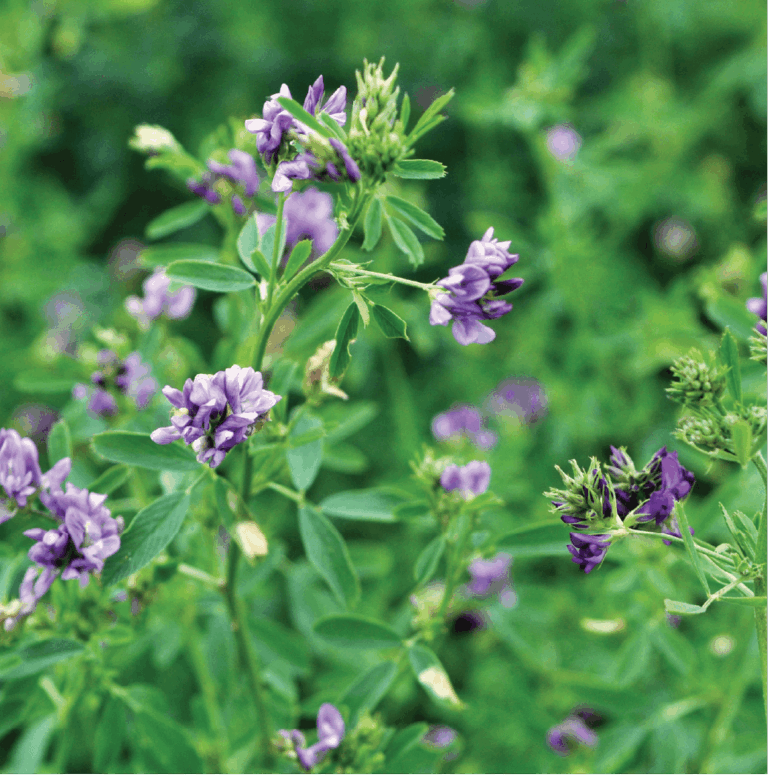
Alfalfa Seed
Why choose this?
Known as the “Queen of Forages,” Alfalfa is the ultimate supplement for increasing protein intake and boosting weight gain in cattle.
How do I prevent bloat when using high-legume mixes?
⌄
To manage bloat risk with alfalfa or clover, ensure cattle are not hungry when first turned out. Gradually introduce them to the field, and maintain a mix that is at least 50% grass. Alternatively, use “bloat-safe” legumes like Birdsfoot Trefoil, which provides high protein without the risk of gas buildup.
What is the recommended seeding rate per acre?
⌄
For a full renovation, we recommend 25–35 lbs per acre for most cattle blends. If you are overseeding a thin but established pasture, you can reduce this to 10–15 lbs per acre. Always calibrate your drill to ensure even coverage across the terrain.
When is the best time to overseed a cattle pasture?
⌄
The best window is late summer or early fall (August to September). This allows the seed to germinate while weed pressure is low and soil temperatures are high. Spring seeding is a secondary option but requires more intensive weed management as the new grass competes with broadleaf spring weeds.
Can I use these mixes for silage or hay as well?
⌄
Yes. Our Cattle Pasture Mixes are designed for dual-purpose use. They contain upright-growing species that are easily harvested by mower. Cutting for hay once or twice a year can actually help manage weed seed heads and promote thicker regrowth for subsequent grazing.
Why should I choose a “multi-species” blend over a single grass?
⌄
Cattle thrive on variety. A blend of orchardgrass, fescue, and clover ensures that if one species struggles during a dry spell, the others fill in. Diversity also provides a more balanced mineral profile, which is critical for cow-calf operations and developing heifers.
Do I need to fertilize when seeding?
⌄
New seedlings require Phosphorus (P) for root development. We highly recommend a soil test before planting. If you are using a mix with 25% or more legumes, you can eventually reduce your Nitrogen (N) applications, as the legumes will “fix” nitrogen from the air and share it with the grasses.
Request a Bulk Shipping Discount
Fill out the form below and our partners at Native Seed Group will get back to you with a discounted shipping rate.
Thanks! We'll be in touch about your shipping discount.