Agriculture

Best Drought-Tolerant Pasture Seed (2026)

By Leo Silva 4 min read
Heat-hardy and water-efficient forage mixes designed to survive extended dry spells and maintain pasture productivity.

Best Drought-Tolerant Pasture Seed for Dryland Grazing (2026)

Keep grazing even through heat waves and water restrictions. Explore dryland grazing mixes and low-water forage engineered for extreme climates.

Native Species Options
Deep-Root Grasses
Proven Arid Performance

Surviving the Drought: The Science of Deep Roots

Root Depth Matters. Unlike shallow-rooted pasture grasses that fail when surface moisture disappears, drought-tolerant species invest heavily in root development. Many native and dryland-adapted grasses extend several feet below the soil surface, accessing deeper moisture reserves long after rainfall stops.

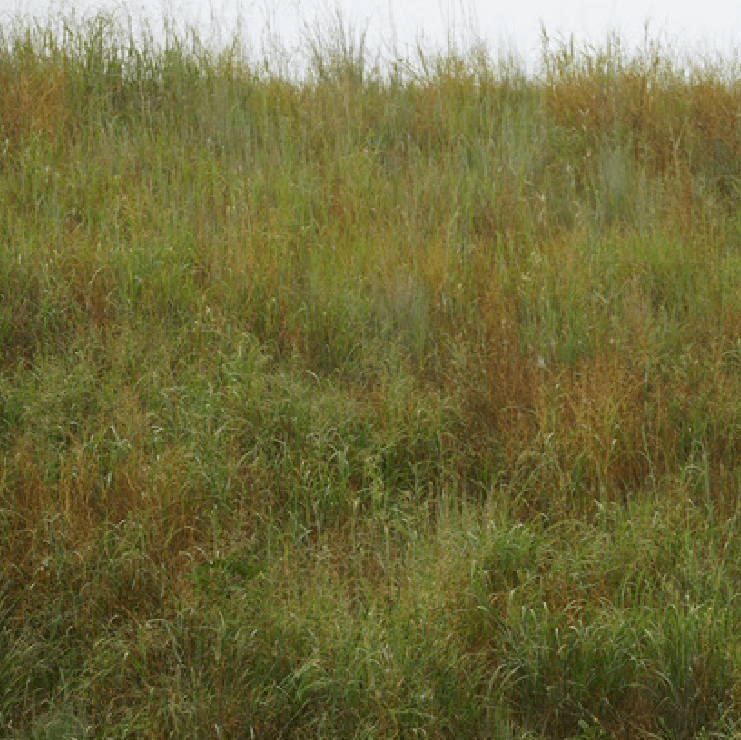
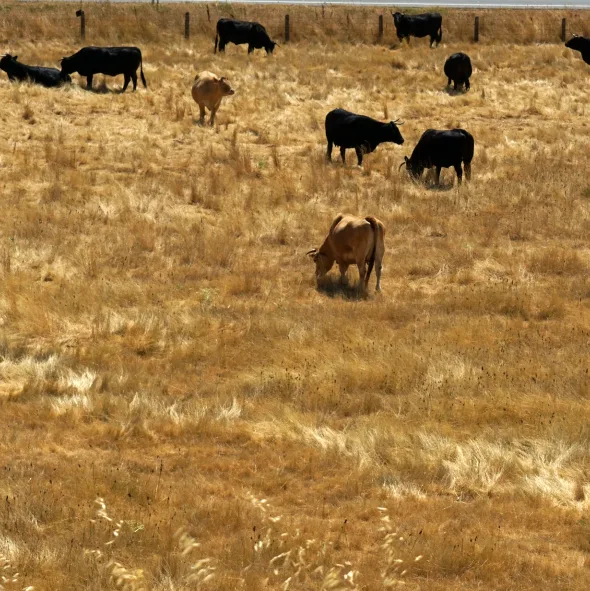
Dormancy Is a Survival Strategy. During extreme heat or prolonged drought, many dryland grasses enter dormancy — turning golden above ground while protecting the crown below the soil surface. Once moisture returns, these grasses resume growth rather than requiring reseeding.

✓ Deep Root Systems
✓ Heat & Drought Dormancy
✓ Long-Term Pasture Persistence

What to Look for in Drought-Tolerant Pasture Seed

Root Depth & Structure

Species with deep or fibrous root systems survive longer dry periods and recover faster after rain.

Dormancy Tolerance

The ability to go dormant during heat stress prevents permanent stand loss.

Regional Adaptation

Native and regionally adapted grasses outperform generic mixes in low-water environments.

Grazing Compatibility

Dryland pasture seed should tolerate rotational grazing without thinning over time.

Pick Your Situation

Select the environmental challenge that matches your acreage.

No Irrigation

No Irrigation

For arid regions relying solely on natural rainfall. Hardy, drought-proof cover.

View Dryland Mixes
Sandy Soil

Sandy Soil

Deep-root species designed to stabilize soil and find moisture in high-drainage areas.

View Prairie Blends
Extreme Heat

Extreme Heat

Warm-season species that thrive in triple-digit peaks when other grasses go dormant.

View Warm-Season Seed

Resilient Seeds for Arid Climates

Establish a pasture that thrives when water is scarce. From deep-rooted grasses to native survivalists, these species are the backbone of a drought-proof ranch.
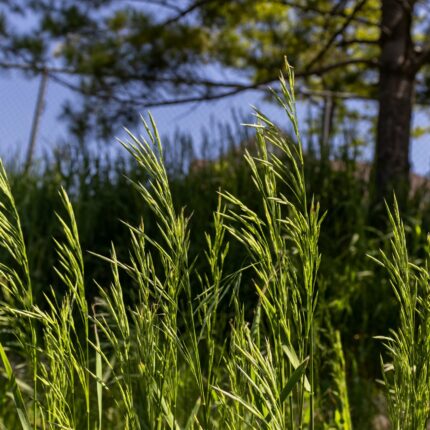
Dryland Pasture Mix

Dryland Pasture Mix

Best For: Low-Water Ranches

Specifically engineered for areas receiving 12 inches of rain or less annually. This mix provides reliable cover where other grasses fail.

Livestock Note: Safe for all livestock; excellent for sheep and cattle grazing.

Tall Fescue

Tall Fescue

Best For: Deep Root Stability

One of the most drought-tolerant cool-season grasses. Its massive root system reaches deep moisture reserves during dry spells.

⚠️ Toxicity Warning: Not recommended for pregnant mares due to endophyte risks. Safe for cattle and sheep.

Plains Prairie Mix

Plains Prairie Mix

Best For: Native Restoration

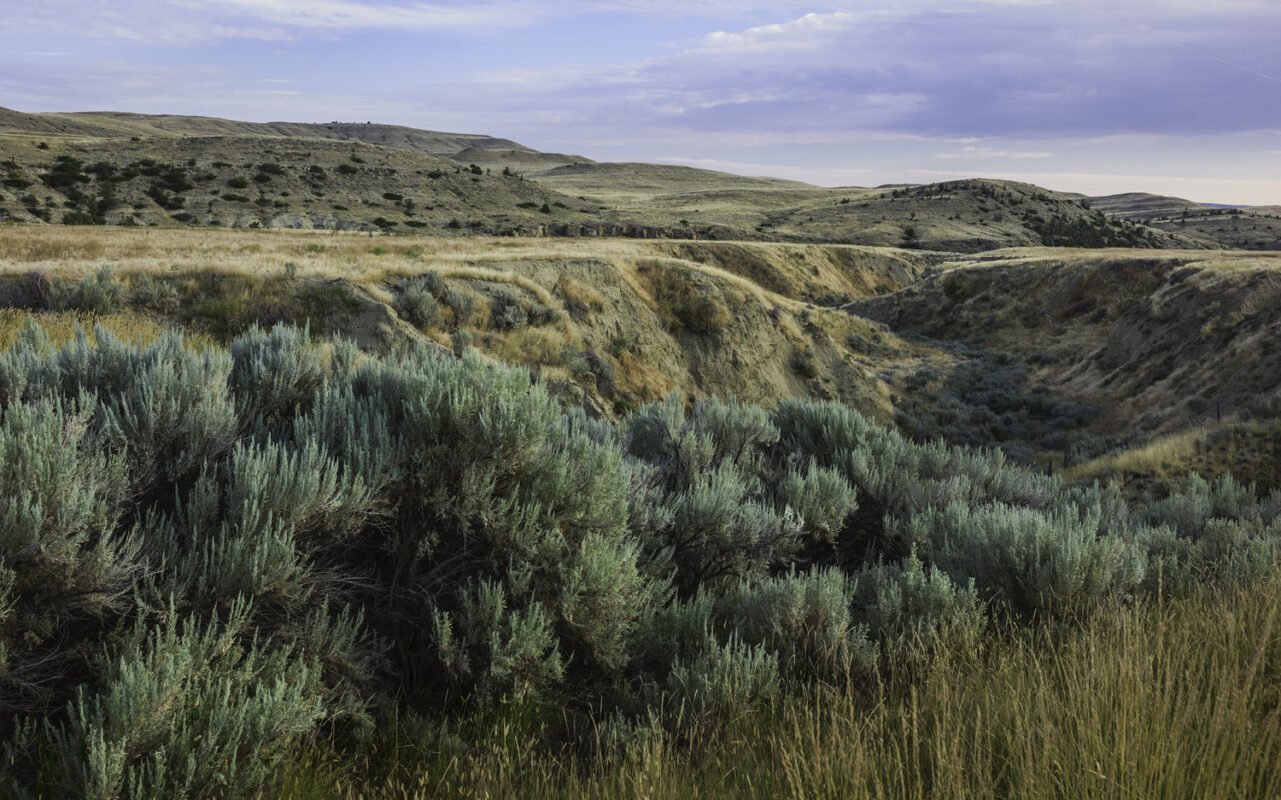
A combination of native grasses adapted to the rugged conditions of the American Plains. Extremely low maintenance once established.

Livestock Note: Provides excellent natural forage and habitat for wildlife and hardy livestock.

Orchardgrass

Orchardgrass

Best For: Arid Palatability

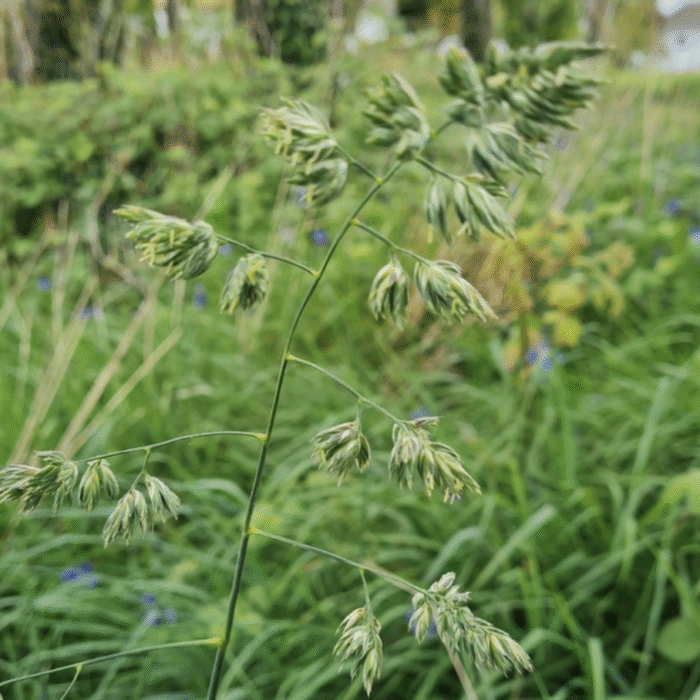
Highly productive in well-drained soils. Unlike many drought-tolerant grasses, it stays soft and palatable even as it matures in dry heat.

Livestock Note: Universal safe forage for horses, cattle, and sheep.

Narrowleaf Milkweed

Narrowleaf Milkweed

Best For: Ecological Resilience

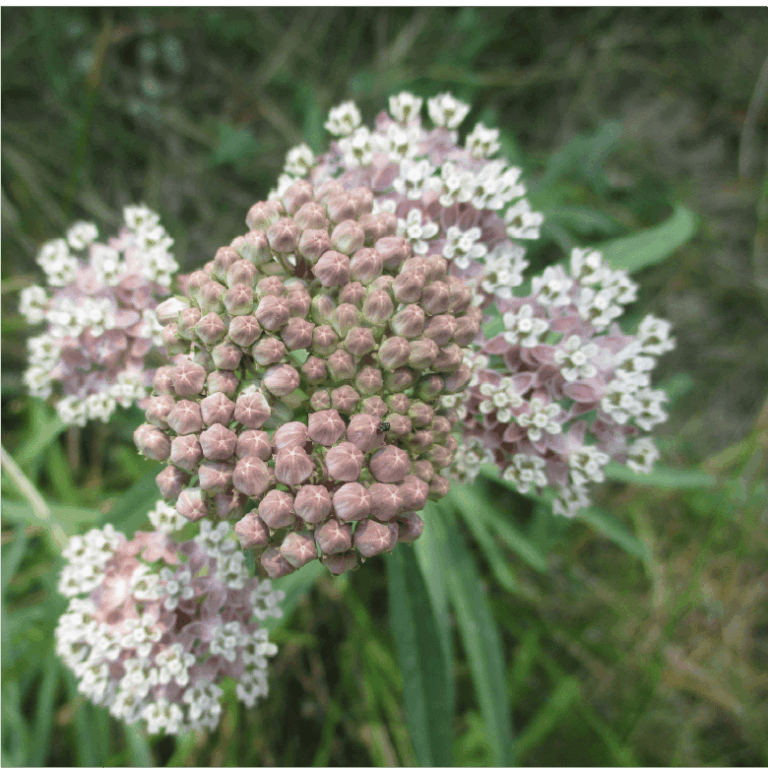
A native survivor that thrives in bone-dry soils. It creates “islands of health” in your pasture by attracting pollinators and monarch butterflies.

⚠️ Toxicity Warning: Toxic to livestock if consumed in large quantities. Best used in non-grazing pasture borders.

Frequently Asked Questions

How much water is actually needed for establishment?
Initial establishment requires light moisture for the first 21 days. Once the root system is set, these varieties can survive on as little as 10-12 inches of annual rainfall, depending on your specific region and soil type.
Will the pasture stay green all year?
In extreme drought, native grasses enter summer dormancy to survive. They may turn tan or golden, but they remain nutritionally viable for grazing and will green up rapidly as soon as temperatures drop or rain returns.
What is the minimum annual rainfall for dryland pasture seeds?
Most of our dryland grazing mixes are engineered for regions receiving 10–15 inches of annual precipitation. For hyper-arid climates with less than 10 inches, we recommend specialized Blue Grama or Crested Wheatgrass blends which can survive extreme moisture deficits.
How deep should I plant drought-tolerant forage seeds?
Depth is critical for dryland success. You should plant no deeper than 1/4 inch. Because these seeds are small, planting them too deep prevents them from reaching the surface. We recommend using a cultipacker or light harrowing to ensure seed-to-soil contact without burying the seed.
Can I use “Dormant Seeding” for my pasture renovation?
Yes! In many arid regions, dormant seeding in late winter is the best strategy. The seed remains in the soil through the freeze-thaw cycle and is perfectly positioned to germinate the moment the early spring snowmelt provides vital moisture.
Are these drought-tolerant mixes safe for founder-prone horses?
Our native dryland mixes are generally lower in sugar (NSC) than improved cool-season ryegrasses, making them a safer choice for “easy keepers.” However, always monitor grazing during the spring flush or after a drought-breaking rain when sugar levels can spike momentarily.
How do I interseed drought-tolerant grass into an old pasture?
To succeed with interseeding, you must reduce competition. Graze or mow your existing pasture down to 2 inches before seeding. Use a no-till drill to ensure the new seed reaches the soil through the thatch, giving it a fair chance to establish its deep root system.

Customer Reviews