Quality Highlights
| Every Seed Grows We don't pad bags with dead seed or filler. What's in the bag is what grows in your yard. | |
| Independently Tested, Every Batch Each lot is tested by a third-party lab for germination and purity before it ships to you. | |
| Grown on American Farms Our seed comes direct from U.S. growers we know personally — not a middleman warehouse. | |
| Clean Seed, No Shortcuts No coatings to inflate weight, no GMOs, no cheap filler species. Just seed. |
Free shipping on all orders under 125 lbs!
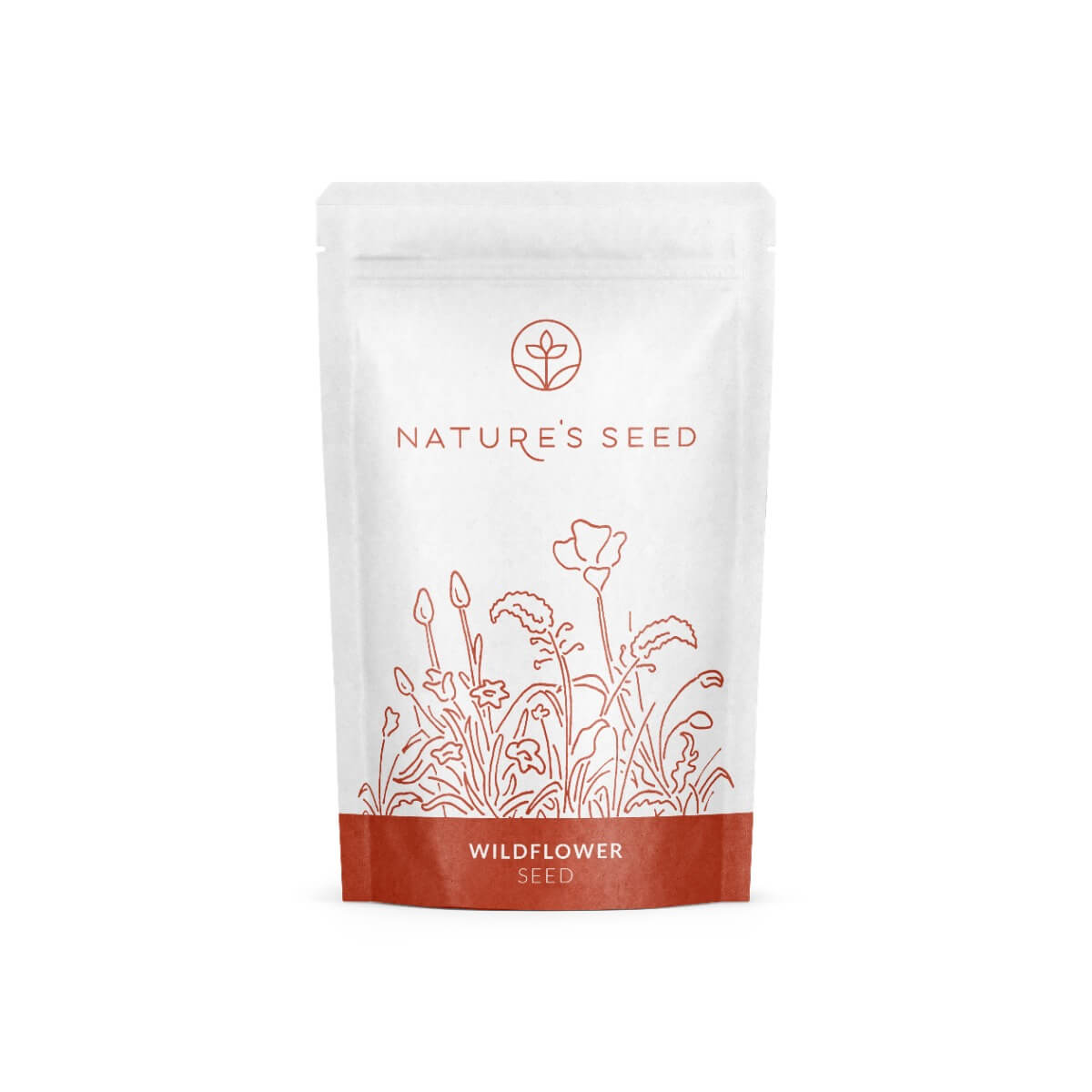
Wildflower Seed
Check your ZIP code to know if this seed works for you
Sonoran Desert Wildflower Mix
SKU: WB-SD
Planting Aids for your Seed
What is the Sonoran Desert Wildflower Mix
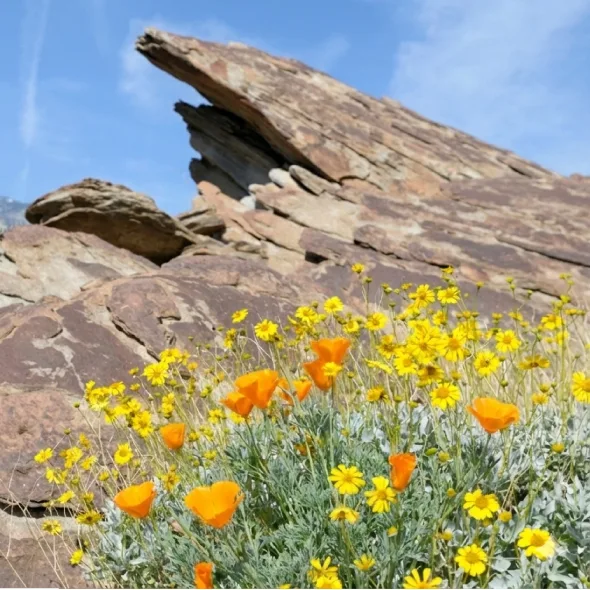
Transform hot, arid Southwestern landscapes with our Sonoran Desert Wildflower Mix. Ideal for front-yard and courtyard xeriscapes, this drought-tolerant seed blend delivers vivid, low-water color season after season. Designed for large-area seeding, it shines along ranch entries, fence lines, and driveways, creating naturalized wildflower displays that require minimal maintenance. The mix features hardy native and adapted species chosen for heat tolerance, long bloom windows, and pollinator appeal. Once established with full sun and light irrigation, it self-sustains and brings year-round color while conserving water. Perfect for erosion control on slopes and open spaces, it enhances curb appeal, supports biodiversity, and reduces landscaping costs in Southwest neighborhoods.
What's in This Mix
Specifications
Seeding Specs
Soil Preference
Use well-drained desert soil; avoid heavy clay and standing water.
Soil pH
Grows best in soil pH 6.0-8.0.
Planting Depth
Sow 1/8 to 1/4 inch deep, barely covering seeds or pressing into soil.
Establishment Specs
Height
Matures 8-30 inches tall, typically 10-20 inches with normal rainfall.
Uses
• Xeriscape color for hot, arid yards• Naturalized seeding along driveways and fence lines• Roadside, median, and right-of-way plantings• Pollinator habitat and restoration in Sonoran climates• Erosion control on disturbed sandy or rocky soils
Why Choose This Seed?
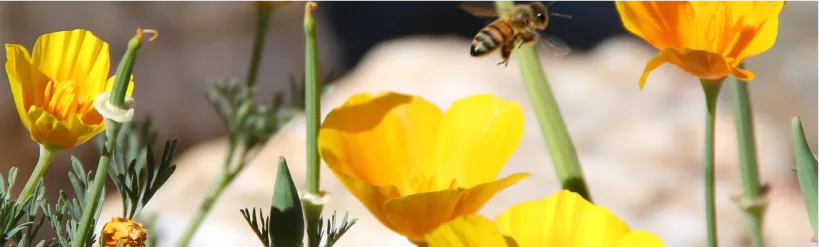
Turn Barren Dirt Into Desert Beauty
In the Sonoran Desert, bare ground doesn’t stay bare for long once the right seeds hit a little winter or early spring moisture. Sonoran Desert Wildflower Mix is designed for that exact window—plants that germinate with the rains, then handle full sun, lean soil, and long dry stretches without needing you to run irrigation nonstop. The payoff is a natural-looking sweep of color and the kind of bee-and-butterfly activity that makes a yard, ranch, or roadside feel alive instead of dusty and washed out.
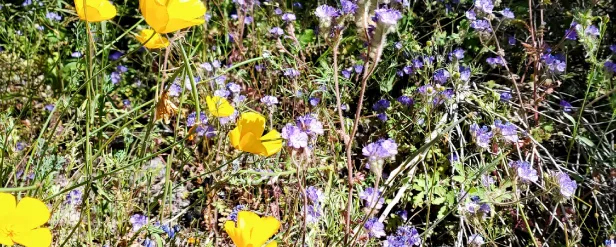
Big, Bold Color On Almost No Water
Your water bill shouldn’t decide whether your landscape gets to look good. This mix is built around desert-adapted wildflowers that make the most of whatever moisture nature gives—so when conditions line up, you get dense, overlapping blooms without constant watering. It’s the easy kind of color: fewer hoses, less fuss, and a lot more pollinators doing what they do best.
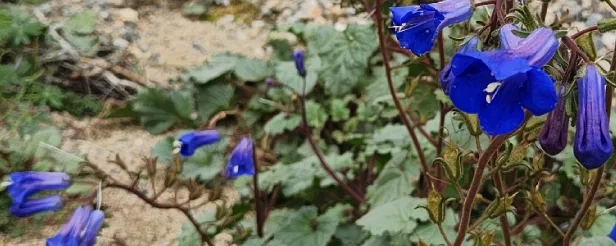
Desert-Proof Color Without Trial And Error
Desert-proof color, without the usual guesswork. Sonoran Desert Wildflower Mix takes the trial-and-error out of matching plants to Sonoran heat, sun, and low water—no more buying “pretty” varieties that melt out or seed that never really takes. The blend is curated for proven toughness and a balanced spread of reds, golds, purples, and blues, so it looks like it belongs there and not like you’re constantly replanting to fix gaps.
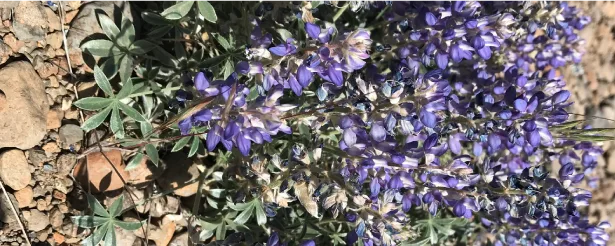
Summer Heat Becomes Your Best Season
Picture it: early summer hits, the sun gets brutal, and the typical ornamentals start looking crispy by noon. This Sonoran Desert Wildflower Mix leans into that season with flowers chosen for desert timing and resilience, so you’re not done blooming just because it’s hot. With deep roots and heat-hardy genetics in the lineup, the color and activity can carry on well past when tender plants tap out.
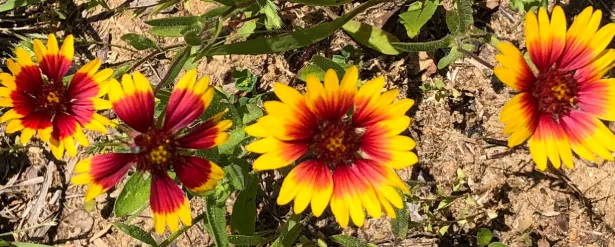
Make Harsh Desert Soil Look Lush
Unlike garden beds that demand perfect soil, desert wildflowers can actually shine in the rough spots—gravelly, compacted, sunbaked ground included. Sonoran Desert Wildflower Mix is meant for those conditions, settling in and pushing through where fussier plants stall out. The result is coordinated, desert-true color without hauling in topsoil, leaning on fertilizer, or spending weekends babying seedlings.
Planting Guide
Prepare the Soil
Choose a planting area that gets at least 6-8 hours of direct sun every day.
Use the existing native desert soil; do not bring in topsoil or compost.
Check drainage by watering a small spot; make sure water soaks in within a few hours, not pooling overnight.
Start prep in late summer through early fall (best in the Sonoran Desert) or in very early spring.
Cut or scrape off all existing weeds and grasses using a hoe, string trimmer, or by tilling only the top 1-2 inches.
Rake away all loose plant material so bare soil is exposed.
Break up any crusted surface so you see loose, small clods instead of a hard, smooth crust.
Rough up hard-packed areas (old paths, caliche-like crust) with a rake or cultivator until you see many small grooves and pockets.
Stop tilling if you start bringing up lots of buried roots and weed seeds; you only want to loosen the surface, not deeply turn the soil.
Avoid adding manure, fertilizer, or rich compost; these will encourage weeds and tall foliage instead of flowers.
Lightly water the area the day before sowing so the top 1-2 inches of soil are cool and slightly damp, not muddy.
Check readiness on sowing day by squeezing a handful of soil; it should hold together lightly but not ooze water.
Sow the Seeds
Shake or stir the seed bag well so all species are evenly mixed before you start.
Pour the seed into a bucket and mix it with 35 parts dry sand or fine decomposed granite so you can see where you spread it.
Plan your coverage: use about 24 oz of seed per 1,000 square feet for dense plantings; use less for large ranch areas where a more natural, open look is fine.
Divide your seed-sand mix into two equal portions so you can spread in two directions (northsouth, then eastwest) for more even coverage.
Walk the area and broadcast the first half of the mix evenly by hand or with a spreader.
Turn and walk the area again in the opposite direction to spread the second half, filling in thin spots you can see.
Check coverage visually; you should see scattered seed across the soil, not bare patches and not piles of seed.
Gently work the seed into the top 1/8-1/4 inch of soil using a rake held tines-up or by dragging a piece of chain-link fence over the surface.
Avoid burying the seed deeply; if you can’t see any seed at all, you’ve raked too aggressively.
Firm the seed into the soil by walking over the area with flat-soled shoes or using a lawn roller.
Look for a lightly pressed surface where seed is in contact with soil but still near the surface.
Do not cover the area with straw, bark, or heavy mulch; this can overheat, smother the seed, and block light.
Correct mistakes right away: if you see thick clumps of seed, spread them out with your hand; if you see bare spots, re-broadcast a small amount of mix there and press it in.
Establishment
Water immediately after sowing with a gentle spray or mist so you wet the top 1/2 inch of soil without washing seed away.
In the first 2-3 weeks, keep the top 1/2 inch of soil consistently moist but not soggy.
Water daily or every other day during this period, adjusting for heat, wind, and rainfall.
Check moisture by scraping the top 1/2 inch with your finger; it should feel cool and slightly damp, not dusty dry.
Avoid strong, pounding water streams that move seed or create channels; switch to a softer setting if you see seed drifting.
For fall sowing, rely on natural rains when possible and only supplement when the soil surface dries out for more than a day or two.
For spring sowing, plan on more frequent irrigation because temperatures and evaporation are higher.
Water in early morning or evening to reduce evaporation and stress; avoid watering in the hottest part of the afternoon.
Watch for germination starting in 7-21 days; some species may take longer.
Look for tiny green sprouts across the area, not just in a few clumps; this tells you your coverage and moisture have been good.
Once most seedlings reach 1-2 inches tall (usually after 2-4 weeks), begin to reduce watering.
Shift to 1-2 deep soakings per week, allowing the surface to dry slightly between waterings to encourage deeper roots.
Check depth of watering by probing the soil with a screwdriver or stick; it should push in easily 3-4 inches after watering.
Hand-weed any fast-growing grasses or broadleaf weeds as soon as you can tell them apart from the wildflowers.
Pull weeds when the soil is slightly moist so they come out with roots; avoid disturbing nearby seedlings.
Expect uneven and staggered germination; do not assume bare spots are failures until at least 4-6 weeks have passed.
Avoid walking heavily through the area during the first month; step only where necessary to weed or adjust irrigation.
Maintenance Long Term
Monitor plant growth weekly; once plants are well-leafed and many are 4-8 inches tall with sturdy stems (usually 6-8 weeks after sowing), begin tapering irrigation.
Reduce watering to a deep soak every 10-1-4 days in hot, dry weather, and less often during cool or rainy periods.
Watch plant leaves for signs of stress; slight wilting late in the day that recovers by morning is normal, but limp, dull leaves in the morning mean you should water a bit more deeply.
Continue to spot-weed several times each season, focusing on tall, aggressive grasses and broadleaf weeds that rise above the wildflowers.
Cut or pull weeds before they set seed to prevent them from spreading.
Avoid adding fertilizer or rich compost in later years; if plants look very tall and leafy with few flowers, you are over-fertilizing or over-watering.
At the end of the bloom season, allow flowers to fade and seed heads to dry on the plants.
Wait until most seed heads are brown and dry and you can rub them between your fingers and see loose seed; this means they are ready to drop.
Mow or string-trim the area to 4-6 inches high only after most seeds have fallen naturally.
For large areas, mow in sections at different times so some flowers and seed are always available for pollinators and reseeding.
Leave the cut material in place briefly if it is light and airy; then remove or lightly spread it if it forms thick mats that block light.
Avoid deep tilling in future years; limit disturbance to light raking or surface scratching if you need to overseed.
Overseed thin or bare patches in fall by lightly raking the surface, broadcasting a small amount of seed mix, and pressing it in as you did the first year.
Rely mainly on winter and spring moisture to establish new seedlings; only supplement water during long dry stretches.
Review your stand each year; if you see more weeds than flowers, increase weeding early in the season and reduce water and fertility to favor the wildflowers.
Questions & Answers
What is the best Sonoran Desert wildflower mix for low-water landscaping in Arizona and the Southwest?
A strong Sonoran Desert wildflower mix focuses on native and desert-adapted species matched to your local heat, rainfall, and soil.. Look for a mix that lists tough plants like desert marigold, Mexican gold poppy, desert bluebells, lupine, globe mallow, and penstemon, and clearly says low water or xeriscape on the label. Make sure it does not contain invasive species and that its suited for full sun and poor, sandy or rocky soil. If you plant in fall or very early spring and water regularly at first, then less often as plants grow, you can get a colorful, low-maintenance display that may naturalize and reappear in future seasons through reseeding when conditions are favorable, but it is not guaranteed to return every single year with minimal water.
How do I plant a Sonoran Desert wildflower mix in hard, dry soil so it actually comes up and blooms?
To plant in hard, dry soil, first scrape or lightly rake the top 1-2 inches to break the crust so seeds can touch soil instead of just sitting on top. Scatter the seed mix evenly, then gently rake so most seeds are just barely covered, and press them in with your feet or a roller so they don’t blow away. Water right after planting, then keep the top of the soil lightly damp (not muddy) for 2-3 weeks until you see several true leaves on the seedlings. For best results, plant in fall or very early spring, avoid burying the seeds too deep, and protect new seedlings from heavy foot traffic or pets so they can fill in and bloom well.
When is the best time of year to sow a Sonoran Desert Wildflower Mix in the Sonoran Desert climate?
The best time to sow a Sonoran Desert Wildflower Mix is in the fall, usually late September through November, before the cooler, wetter season. Fall planting lets the seeds use winter rain and mild temperatures to grow strong roots, so you get the best spring bloom. If you miss fall, you can still plant in very early spring (late JanuaryFebruary), but plants may be smaller and bloom less as heat arrives faster. Whenever you plant, spread the seed on cleared, lightly raked soil, press it in for good contact, and rely on winter rain plus an occasional deep watering to help them establish.
Which wildflowers are included in a true Sonoran Desert wildflower mix that attract bees, butterflies, and hummingbirds?
A true Sonoran Desert wildflower mix usually includes well-known desert flowers like Desert Marigold, Mexican Gold Poppy, Desert Bluebells (Phacelia), Desert Lupine, Globe Mallow, Firewheel (Indian Blanket), and Desert Sunflower. Many mixes also add nectar-rich plants such as Penstemon, Desert Zinnia, and sometimes native milkweeds, which are especially good for butterflies. These flowers are chosen because they handle heat and low water while still offering plenty of pollen and nectar. If you plant them in full sun and give them regular water at first, they can create a bright, pollinator-friendly area that can naturalize and reappear in future years through reseeding, especially in seasons with good winter rain, though bloom density will vary with conditions.
How much water does a Sonoran Desert Wildflower Mix need after planting in hot, arid conditions?
Right after planting in hot, dry conditions, keep the top 1-2 inches of soil evenly moist with light, frequent watering once or twice a day for about 2-3 weeks, until most seedlings are up and have a few true leaves. After that, switch to deeper, less frequent watering, such as 1-2 good soakings per week, so the water reaches several inches down and encourages deep roots. Once plants are established and the weather is mild, you can cut back to very occasional watering, especially if you get some natural rain. These mixes are made for low-water landscapes, so as long as you water well at the beginning, they can handle much less water later on.
Can I use a Sonoran Desert wildflower mix for roadside or large habitat projects in the Southwest, and how much seed do I need per acre?
Yes, a Sonoran Desert wildflower mix works very well for roadsides and large habitat areas in the Southwest because its built for heat, low water, and poor soil. For most pure wildflower projects, plan on about 36 pounds of seed per acre, using the higher amount if you want a thicker display or your soil is very sandy or rocky. Before seeding, remove existing weeds or grass as best you can and lightly loosen the top layer of soil so seeds can touch bare ground. If you spread the seed just before your rainy season and avoid mowing or heavy traffic while plants are young, the wildflowers can fill in, help reduce erosion, and provide long-term color and habitat with minimal upkeep. Always follow the specific seeding rate recommended by your seed supplier for the exact mix you purchase.
Still Have Questions?
Our seed experts are ready to help you find the perfect seed for your project.
1-866-322-7300 Ask a Seed ExpertCustomer Reviews
See what real customers are saying. All reviews are collected and verified by Shopper Approved, an independent third party.