
Quality Highlights
| Every Seed Grows We don't pad bags with dead seed or filler. What's in the bag is what grows in your yard. | |
| Independently Tested, Every Batch Each lot is tested by a third-party lab for germination and purity before it ships to you. | |
| Grown on American Farms Our seed comes direct from U.S. growers we know personally — not a middleman warehouse. | |
| Clean Seed, No Shortcuts No coatings to inflate weight, no GMOs, no cheap filler species. Just seed. |
Free shipping on all orders under 125 lbs!
Wildflower Seed
Check your ZIP code to know if this seed works for you
Rocky Mountain Wildflower Seed Mix
SKU: WB-RM
Planting Aids for your Seed
What is the Rocky Mountain Wildflower Mix?
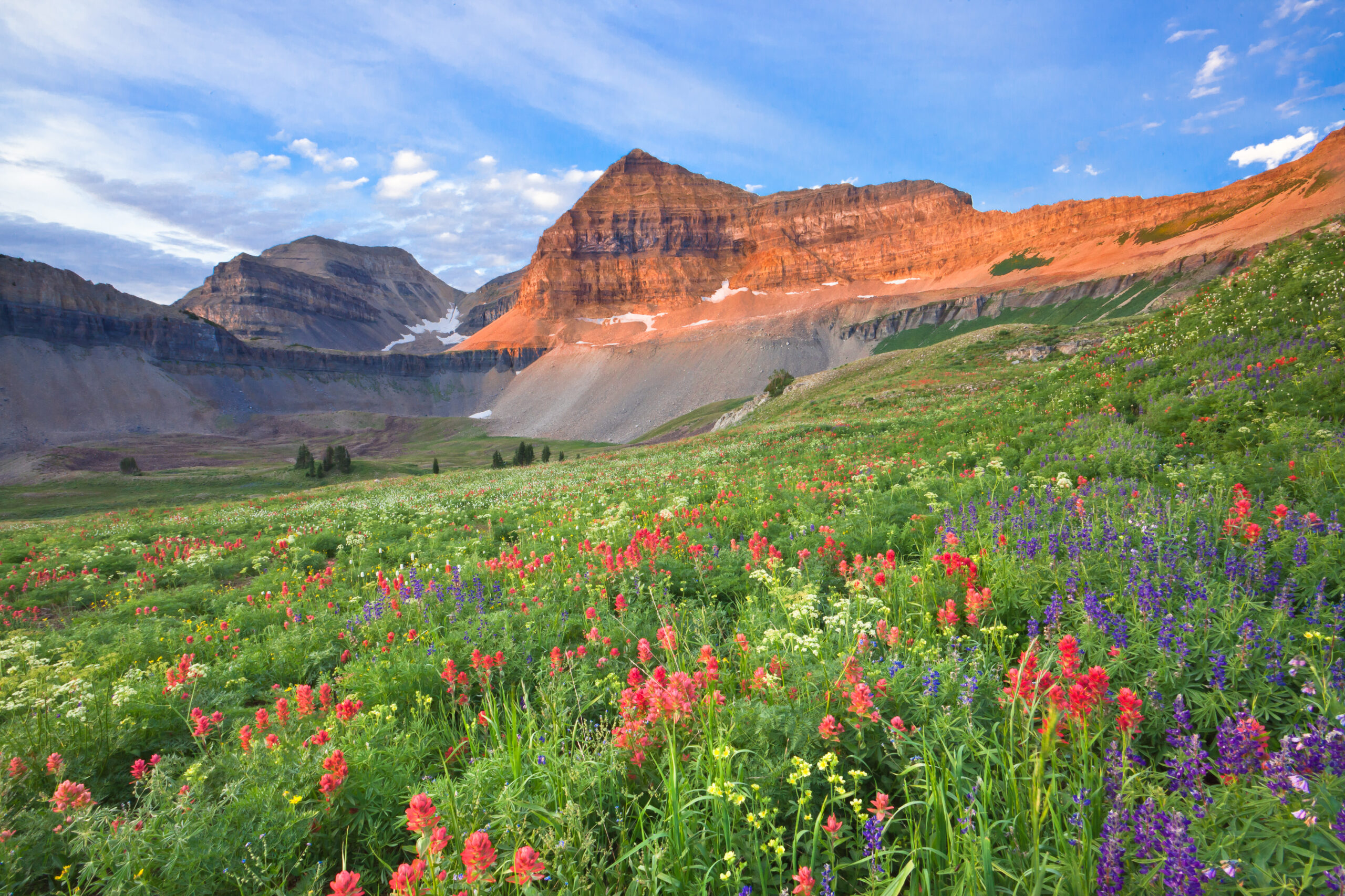
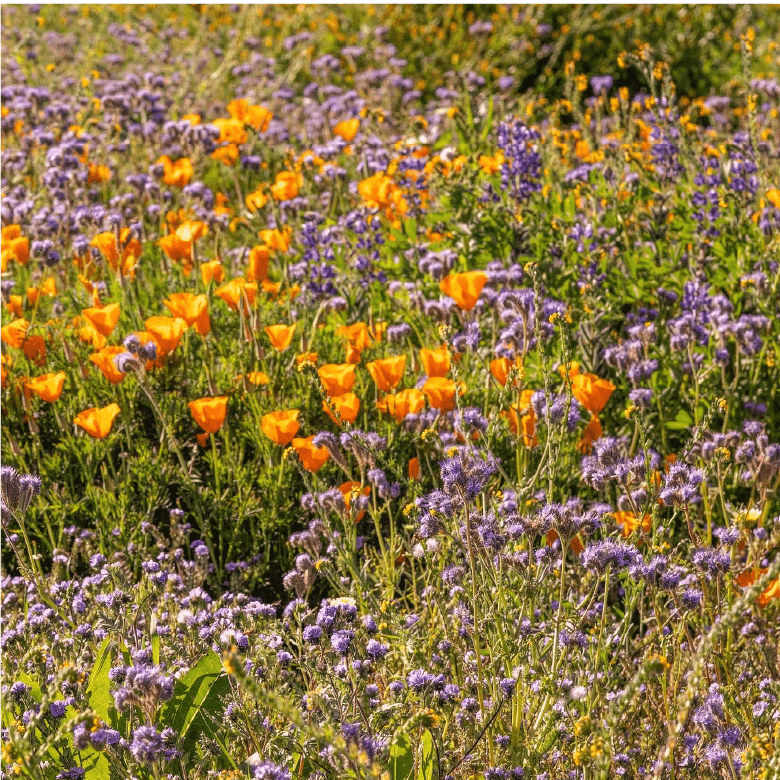
Rocky Mountain Wildflower Mix is a custom-crafted wildflower seed blend designed for high-altitude regions in the Western U.S.. It features a vibrant array of annuals and perennials selected to thrive in mountain climates, providing bold and delicate blooms from spring through fall while emphasizing hardy native species for long-lasting color. Easy to grow and pollinator-friendly, it’s ideal for creating a natural Rocky Mountain wildflower meadow in your landscape.
What's in This Mix
Thrives in the thin, well-drained soils of mountain foothills and tolerates temperature swings with ease.
Cold-hardy and quick to establish at elevation, vivid scarlet blooms put on a bold show in mountain meadows.
A rugged native prairie species that handles Rocky Mountain cold and drought while attracting alpine pollinators.
Native to western mountains, delicate sky-blue flowers thrive at altitude and reseed freely across rocky slopes.
Tolerates mountain temperature extremes and poor soils, providing bright yellow blooms throughout summer.
Adapts well to higher elevations and blooms prolifically even in the shorter Rocky Mountain growing season.
Native to the mountain West, this tough perennial handles drought, cold, and wind while blazing with color.
Cold-tolerant and quick to germinate at elevation, delivering classic blue blooms in Rocky Mountain meadows.
Native to western mountain regions, spherical lavender blooms attract native bees and naturalize well at altitude.
Cold-hardy annual that germinates at low temperatures and adds brilliant red to early mountain wildflower displays.
Exceptionally cold-hardy and suited to mountain climates, fragrant orange blooms appear early in the alpine season.
Native to high-elevation habitats, its tubular blue-violet flowers are built for Rocky Mountain conditions and hummingbirds.
A tall, fragrant mountain native with pale pink flowers ideally suited to the dry, rocky soils of the Rockies.
A tough mountain meadow staple with golden-yellow blooms that attract butterflies and tolerate Rocky Mountain winters.
Low-growing and cold-tolerant, this western native provides a carpet of pink blooms in high-altitude plantings.
Heat and drought tolerant, it bridges lower mountain elevations with cheerful golden blooms all summer long.
A hardy western annual that establishes well at elevation and adds delicate spurred flowers to mountain mixes.
Small and cold-tolerant, this western native fills in rocky mountain soils with rosy-pink blooms.
Native to western mountain prairies, its drooping yellow petals and dark cones are a classic Rocky Mountain sight.
Long-lived mountain native with tall blue-purple spikes that fix nitrogen and return year after year at altitude.
A native mountain legume that fixes nitrogen in rocky soils and produces delicate pink pea-family flowers.
Native to the mountain West, bright yellow daisy blooms provide late-season color when other wildflowers fade.
A cold-hardy native coneflower with soft lavender petals well adapted to high-altitude Rocky Mountain meadows.
Specifications
Seeding Specs
Water Needs
Medium water needs
Soil Preference
All types
Soil pH
6.0–7.5
Planting Depth
1/8″–1/4″
Establishment Specs
Height
~6 inches to 7 feet tall
Color
Shades of blue and purple, bright oranges and reds, pinks, whites, and sunny yellows
Uses
Ornamental gardens, pollinator plots, naturalized wildflower meadows, and even erosion control or land reclamation projects
Native/Introduced
Contains a blend of primarily native Rocky Mountain wildflowers along with a few introduced species that are well-adapted to the region
Why Choose This Seed?
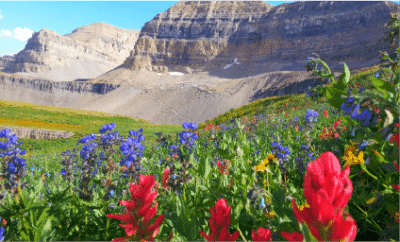
High-Altitude Adapted
Thrives in Rocky Mountain climates and high-elevation areas (designed for sites ~7,000+ ft), while also growing well at lower elevations if adequate moisture is provided.
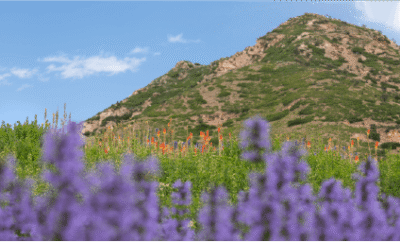
Season-Long Color
Contains both early and late-blooming species for continuous color throughout the growing season – enjoy waves of blooms from spring until fall.
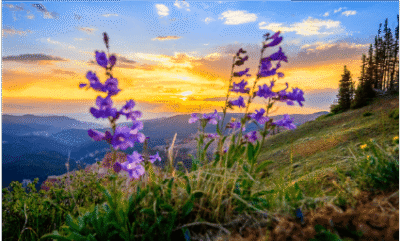
Native & Perennial Emphasis
Mix emphasizes hardy native wildflowers with a balanced blend of annuals and perennials. You get quick first-year color from annuals and perennial blooms that return each year thereafter.
Versatile Beautification
Ideal for naturalizing meadows, adding vibrant color to high-mountain gardens, and restoring or enhancing landscapes. This mix has been used to beautify cabin properties, roadsides, and other mountain-area sites with a gorgeous display of wildflowers. It’s perfect for ornamental flower beds or anywhere you want a burst of natural color.
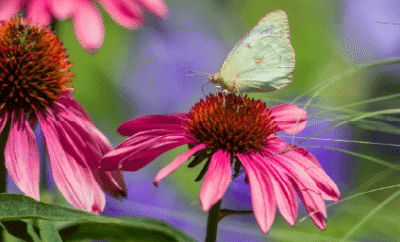
Pollinator-Friendly
Abundant blossoms attract bees, butterflies, hummingbirds, and other pollinators by providing rich nectar and pollen sources. Great for supporting local ecosystems and creating a lively pollinator habitat in your yard.
Planting Guide
Choose the Right Time & Site
Plant the wildflower seeds in spring (after the last frost date) or in late fall for a dormant seeding. Spring planting allows seeds to sprout once temperatures warm, while fall planting lets seeds lie dormant and undergo natural cold stratification over winter (helpful for species like lupine and penstemon). Select a site with plenty of sun and well-drained soil. At high elevations, fall planting is often ideal so that snow and freeze-thaw cycles prepare the seeds for spring germination.
Prepare the Soil
Clear the area of existing grass, weeds, or vegetation before sowing. This can be done by hand-pulling or shallow tilling; for larger areas you may use a non-selective herbicide a few weeks in advance (and remove dead growth). Loosen the top few inches of soil with a rake or tiller to create a soft seedbed. Wildflowers do best in well-drained, modestly fertile soil – you can work in some compost at this stage to improve poor or compacted soils, but avoid over-fertilizing. Rake the area flat after loosening. If the soil is very fluffy, lightly press or roll it to firm it up a bit (the seedbed should be firm enough that footsteps leave a slight indent, but not rock-hard). This preparation ensures good seed-to-soil contact for the small seeds.
Sow Seeds Evenly
Broadcast the wildflower seeds uniformly over the prepared area. For small or fluffy seeds, it helps to mix them with dry sand or sawdust (about 8 parts inert material to 1 part seed) to aid even distribution. After scattering, do not bury the seeds deep. Many wildflower seeds need light to germinate, and planting them too deeply is a common mistake. Instead, use a rake to very lightly incorporate the seed into the top 1/8″ of soil, or simply walk over the area or use a roller to press the seeds into the soil surface. You should still be able to see some seeds on the surface – that’s okay. Ensuring each seed has contact with the soil (without being buried too deeply) will greatly improve germination success.
Water for Germination
After seeding, water the area thoroughly with a gentle sprinkler or spray. Keep the soil consistently moist during the germination period – this is critical for wildflower success. Check the seedbed daily; if the surface starts to dry out, water it lightly again. In hot or windy weather, you may need to mist the area 2–4 times per day to prevent seeds from drying out. Most wildflower seeds will sprout within 1–3 weeks given adequate moisture. Continue regular watering until seedlings are at least 3–4 inches tall and have a few sets of leaves. Once plants are established, you can taper off watering.
Helpful Resources
Wildflower Seed Planting Guide
Rocky Mountain Beeplant: A Unique Specimen for Any Wildflower Garden
Rocky Mountain Iris: A Stunning Spectacle along Lakes, Rivers, and Streams
Questions & Answers
When is the best time to plant the Rocky Mountain Wildflower Mix?
The ideal times to sow this mix are spring and late fall. Spring planting should be done after the last frost, once soil temperatures are warming up. Late summer to fall planting (dormant seeding) is also effective – sow the seeds after a few hard frosts when the ground is cold, and they will lie dormant over winter. Fall planting at high elevations is often recommended because the natural freeze-thaw cycles and moisture of winter help “cold stratify” seeds like lupine and penstemon, improving their spring germination. Both timing strategies work, but avoid mid-summer planting unless you can keep the soil very moist – summer heat can dry out seeds and young sprouts quickly, leading to poor results.
Will these wildflowers grow at high altitudes (mountain elevations)?
Yes! This mix was specifically formulated for mountain and intermountain regions. It thrives in higher elevations – generally performing best in areas from about 5,000 feet up to 10,000 feet. It’s recommended for sites around 7,000 feet and above, given sufficient precipitation. The seeds were chosen for their ability to handle the cooler nights and shorter growing season of high altitudes. Just make sure the location gets roughly at least 15–16 inches of precipitation annually (or supplemental water) to support the wildflowers. If you’re planting in a lower elevation or drier region, you can still use this mix – just be prepared to provide some extra irrigation, especially during establishment, to mimic the moisture it would normally get in a mountain environment.
Do the flowers come back every year?
The mix contains both annual and perennial wildflowers, so you will get some flowers that behave differently:
-
Annuals bloom in the first year (usually within 6–8 weeks of planting), set seed, and then complete their life cycle, typically not surviving the winter. You will enjoy their blooms in the same season you plant. Some annuals may reseed themselves (dropping seed that could sprout the next spring), but not all will – so you shouldn’t count on annuals alone to persist long-term.
-
Perennials usually do not bloom the first year. Instead, they spend that first season growing roots and foliage. These hardy plants will survive winter (many go dormant) and then start blooming in their second year (and for many years thereafter). By year two and beyond, the perennials in the mix (such as coneflowers, lupines, gaillardia, etc.) will carry the display, coming back each spring.
In summary, you get first-year color from the annuals in the mix, while the perennials will return each year to provide lasting color in your landscape. Over time, some annuals might self-sow, and some perennials can spread, creating a self-sustaining meadow effect if conditions are favorable.
What kind of maintenance do these wildflowers need?
Very little maintenance once they are established! The critical period is during germination and early growth:
-
Watering: After sowing, keep the soil consistently moist for the first 4–6 weeks while seeds germinate and seedlings develop. This may mean watering lightly once or twice a day (especially if it’s hot or windy) because shallow-rooted seedlings can dry out quickly. Do not let the topsoil dry out during this phase. Once seedlings reach a few inches tall and have root systems, you can reduce watering. Established wildflowers generally only need water during extended dry spells – they are quite drought-tolerant and prefer not to be over-watered.
-
Fertilizer: In most cases, you do not need to fertilize wildflowers. These plants thrive in moderate to low fertility soils, and adding lots of fertilizer can cause grasses or weeds to invade and can lead to more leafy growth rather than flowers. If your soil is extremely poor (infertile), you might lightly top-dress with compost before planting, but avoid heavy fertilization.
-
Weeding: If weeds appear (especially perennial weeds or aggressive grasses), it’s good to remove them so they don’t outcompete the wildflowers. The best strategy is to start with a weed-free bed (see Soil Preparation above). A healthy wildflower stand will typically crowd out many weeds over time, but you may still do a bit of weeding in the first year as everything establishes.
-
After Bloom Care: At the end of the season, you can simply leave the wildflower meadow standing through winter (provides habitat and allows seeds to drop). In spring, you can mow or trim the dead stalks to encourage new growth. Some people choose to mow the wildflowers down in late fall once they’ve gone to seed – this can help spread seeds for next year and also tidies the area. This is optional; it mainly depends on your aesthetic preference.
Overall, this mix is very low-maintenance. With the right initial care (watering and weeding as needed early on), the wildflowers will largely take care of themselves and provide enjoyment for years.
Can I grow this wildflower mix outside the Rocky Mountain region (or at lower elevations)?
You can, with some considerations. This mix is formulated for the Rocky Mountain/Intermountain West climate – that typically means moderate summer temperatures, cold winters, and about 15–20 inches of annual precipitation. If you live outside this region, success will depend on how closely your conditions match those. For instance:
-
In lower elevations or warmer areas, the wildflowers will still grow, but you must ensure they get enough water (manual watering might be needed if natural rainfall is under ~15″/year). Also, some mountain species prefer cooler nights – in very hot/humid climates, they might not thrive as well or could have a shorter bloom period.
-
If you’re in a very dry region (e.g., low-elevation desert), consider planting in fall or early spring to take advantage of cooler, wetter seasons, and be prepared to irrigate. Some customers in arid areas have mixed this Rocky Mountain blend with a native grass or used a thinner seeding rate to reduce competition for water.
-
If you’re in a much wetter region (with heavy rainfall or rich soils), you might see more vigorous growth – possibly even too lush. In such cases, avoid over-fertilizing and be ready to manage fast-growing grasses or weeds.
Many people outside the Rockies have had success with this mix, but it’s wise to do a small test planting first if you’re unsure. The key is providing conditions as close as possible to a sunny, well-drained mountain meadow (adequate moisture but not waterlogged, and not extreme heat). With a little care, the mix can adapt well beyond its home region.
What specific wildflower species are in this mix?
A whole bunch of them! This mix is a diverse blend of annual and perennial wildflowers chosen for the Rocky Mountain region. The exact recipe may be tweaked slightly by the supplier from year to year, but it typically includes:
-
Annual Flowers (fast bloomers in Year 1): California Poppy (orange blooms), Corn Poppy (red Flanders poppy), Cosmos (Sensation Mix) in pinks/purples, Bachelor’s Button (classic blue cornflower), Scarlet Flax (bright red flax), Mountain Phlox (pink/magenta low-growing blooms), Plains Coreopsis (yellow with red center), Spurred Snapdragon (also known as Toadflax, with colorful snapdragon-like flowers), Bird’s Eyes (Gilia) (small purple-blue blossoms), and others. These provide quick color and will often reseed to some extent.
-
Perennial (and Biennial) Flowers: Purple Coneflower (Echinacea purpurea), Pale Purple Coneflower (Echinacea pallida), Black-Eyed Susan (yellow daisy-like blooms, often behaves as a biennial), Blanket Flower (Gaillardia) in red-orange, Blue Flax (Lewis flax), Lance-Leaved Coreopsis (yellow daisy flowers), Rocky Mountain Penstemon (Penstemon strictus) with purple-blue spikes, Palmer Penstemon (Penstemon palmeri) with showy pink spikes, Yellow Prairie Coneflower (also called Mexican Hat, Ratibida columnifera), Perennial Lupine (spikes of purple-blue pea-flowers), Utah Sweetvetch (Hedysarum boreale) with pinkish-purple clover-like flowers, Showy Goldeneye (bright yellow daisy blooms), and possibly others like Siberian Wallflower (orange) or Prairie Clover depending on the batch.
Altogether, it’s usually around 26 species. This balanced mix was designed with an emphasis on native mountain wildflowers, combined with a few well-adapted ornamentals, to ensure a variety of heights, colors, and bloom times. The result is a dynamic, ever-changing panorama of flowers through the season – and because of the perennials, the display gets even better in subsequent years as they mature.
Still Have Questions?
Our seed experts are ready to help you find the perfect seed for your project.
1-866-322-7300 Ask a Seed ExpertCustomer Reviews
See what real customers are saying. All reviews are collected and verified by Shopper Approved, an independent third party.
You May Also Like
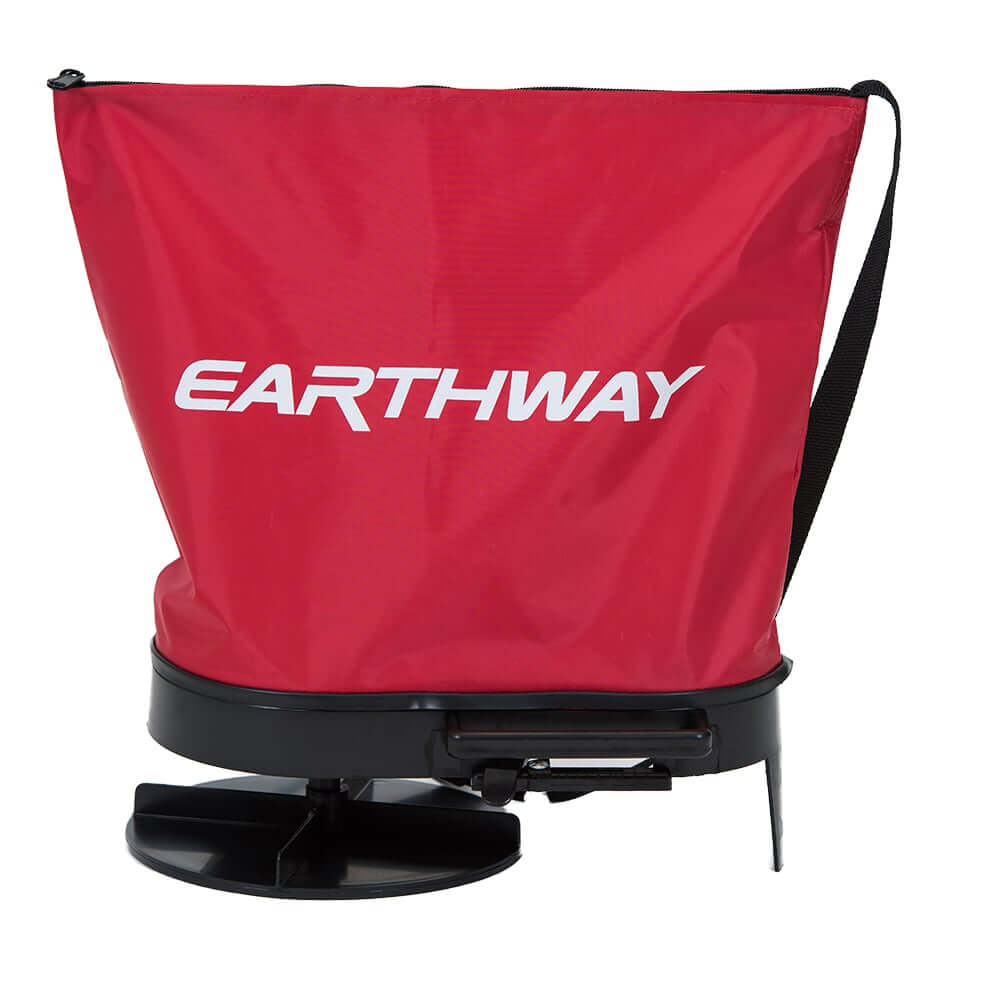
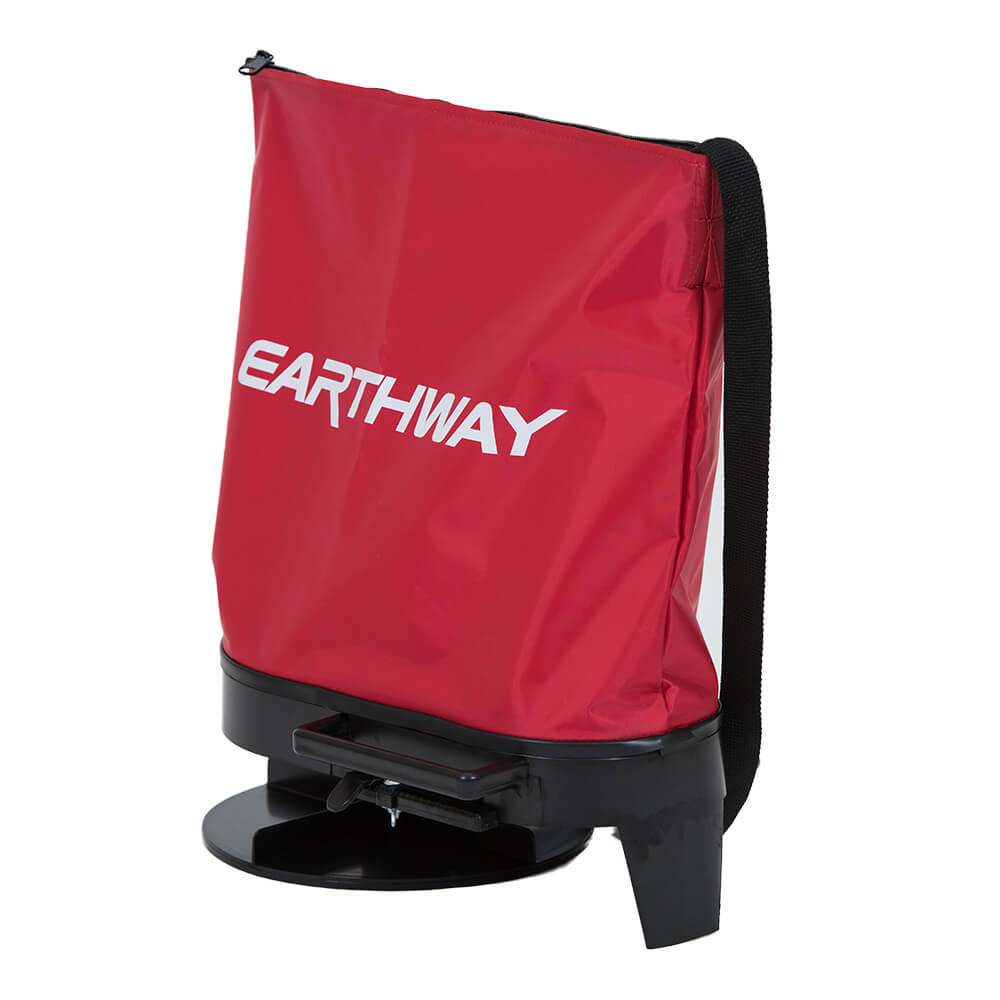
Go Anywhere
Even Coverage
From Original price was: $97.99.$89.99Current price is: $89.99.
25 lb Capacity, Slopes & Hills, Seed & Fertilizer, Stores Flat
See Details