
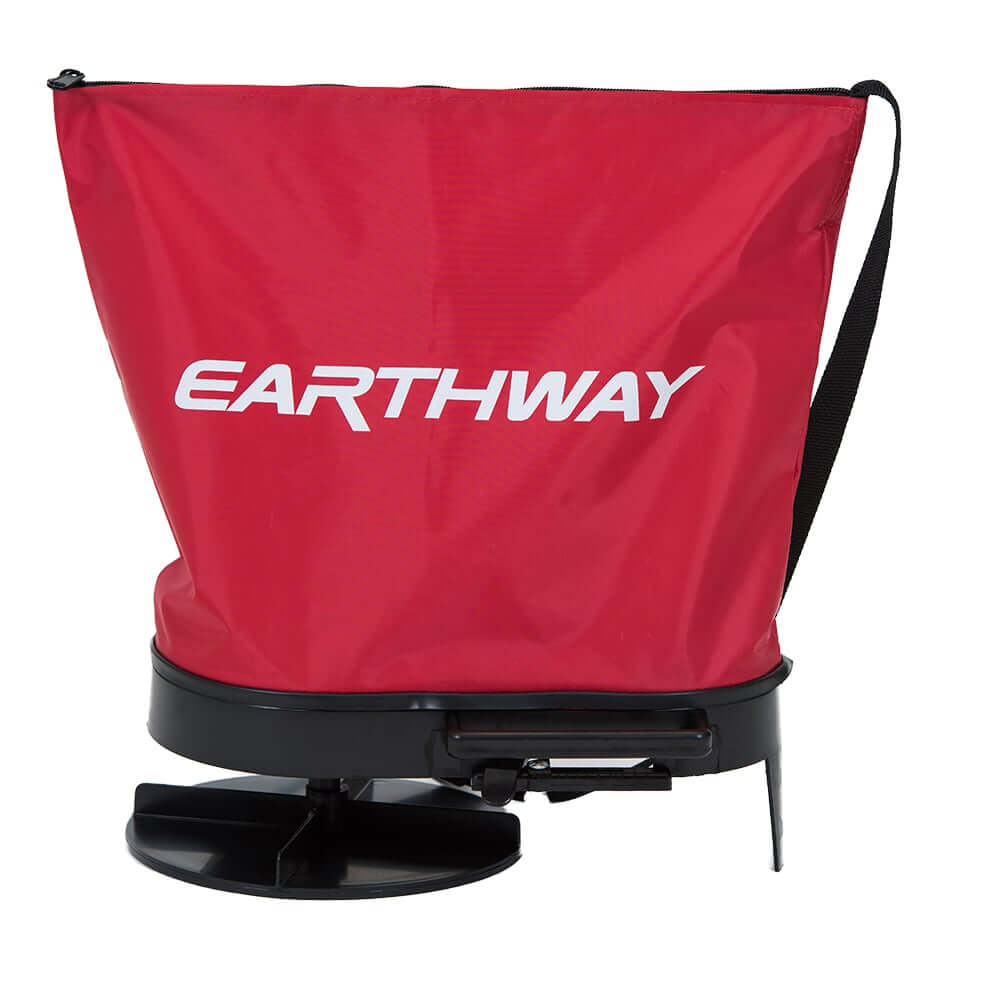
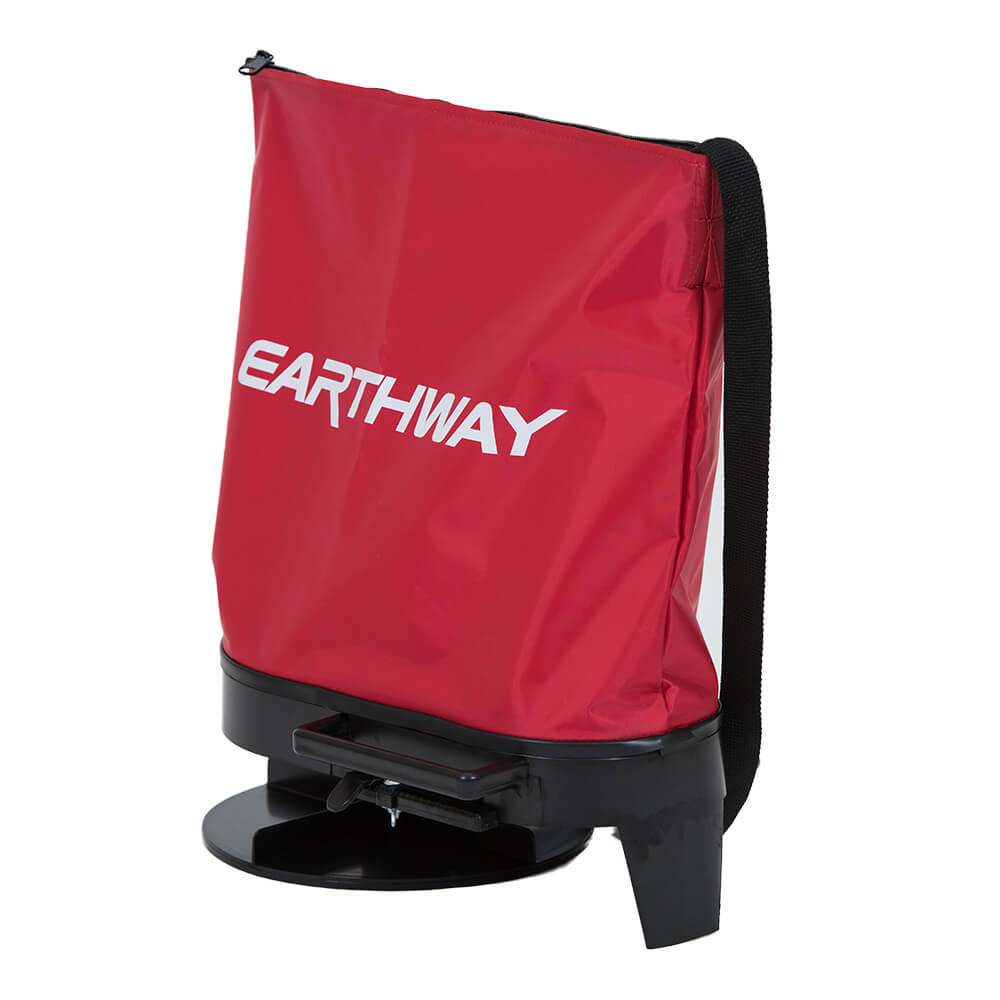
Go Anywhere
Even Coverage
From Original price was: $97.99.$89.99Current price is: $89.99.
25 lb Capacity, Slopes & Hills, Seed & Fertilizer, Stores Flat
See Details
| Every Seed Grows We don't pad bags with dead seed or filler. What's in the bag is what grows in your yard. | |
| Independently Tested, Every Batch Each lot is tested by a third-party lab for germination and purity before it ships to you. | |
| Grown on American Farms Our seed comes direct from U.S. growers we know personally — not a middleman warehouse. | |
| Clean Seed, No Shortcuts No coatings to inflate weight, no GMOs, no cheap filler species. Just seed. |
Free shipping on all orders under 125 lbs!
Salvia apiana | SKU: W-SAAP
This white sage seed was collected with permits from wildland areas in Southern California.
White Sage (Salvia apiana) is an iconic aromatic shrub native to Southern California and Baja. With silvery-white foliage and tall flower spikes of white to pale lavender blooms, it grows 3–5 feet tall and wide, making a striking focal point. It thrives in full sun, well-drained soils, and extremely dry conditions—once established it needs almost no water. Highly heat-tolerant and adapted to poor, rocky soils, White Sage is valued for habitat benefits and cultural significance. Plant it in a sunny, open spot for a long-lived, low-maintenance shrub that embodies California chaparral.

White sage can survive on just rainfall after establishment—ideal for arid climates. In fact, White Sage prefers to be completely left alone in the summer, with no additional irrigation.

While White Sage has beautiful little white flowers, its silvery leaves and bold form are the star of the show, giving it year-round interest in gardens and pollinator plantings.

While less showy than other sages, the nectar-rich blooms of white sage attract bees, butterflies, and hummingbirds.

White sage is valued by indigenous communities for its traditional uses in smudging and herbal remedies.

This plant is pest-resistant, deer-resistant, and long-lived with minimal care.
Start prepping your planting area in fall, so that you are ready to seed between late September and early February, when temperatures cool and rain is on the horizon.
Weed your growing area BEFORE planting any native seeds. We recommend not only pulling visible weeds but also “flushing out” the weed seeds that are waiting in the soil. Irrigate the area and wait for weed seeds to germinate, then remove them using your method of choice. Irrigate again, wait, and perform another round of weed control. Repeat 2-3 times.
Ensure your soil is as bare as possible for the maximum amount of seed-to-soil contact. If the entire area can’t be completely cleared, rake out as much dead plant material from the area as you can to create bare patches of soil for the seed to make contact with. For best results, the soil should be easily crumbled and not heavily compacted.
It is best to seed onto slightly damp soil. If necessary, water the top 1/4 inch of soil before seeding. Scatter seed directly on the soil surface and rake gently or lightly press the seed into the soil. Do not bury the seed deeper than 1/4 inch into the soil.
After planting, keep the top 1/4 inch of soil consistently moist until the seeds have germinated and the first true leaves have emerged. A good rule is to water lightly every day intul the seedlings are an inch high, then you can reduce watering to every 3 days. Skip days when it rains. Within 6 weeks after germinating, your plants should need only occasional watering. Don’t over-water your plants, especially in summer.
White Sage is typically hardy in USDA zones ~8-10/11. It may survive in zone 7 under protected conditions, but in colder zones (zones 5-6 especially), you will need to provide protection: mulch heavily, shelter from frost, or grow in pots and bring indoors in winter.
You can also propagate via cuttings (softwood cuttings in spring or early summer), though rooting can be slower/harder. Gardening guides also suggest that seed is more common. Careful soil, full sun, and low nutrients help.
White Sage blooms in late spring to summer (often year 2 for seed grown plants). The flowers are in tall spikes (flower stalks) extending above the foliage, small tubular blooms that range from white to pale lavender. The foliage (silvery, hairy) is often more visually striking than the flowers.
Prune sparingly. Removing spent flower stalks or harvesting mature leaves can help maintain appearance. If harvesting, leave at least one-third of the plant’s foliage so it can recover. Avoid cutting into the old, woody base too aggressively. Harvest when leaves are mature (often after first full year), ideally during dry weather for best potency.
Problems are usually from overwatering, poor drainage, and insufficient sun. Root rot, fungal issues, or summer soggy soil are big risks. Also, cold damage in winter if not protected. Pests are less of an issue because the strong resins and aroma deter many herbivores. Deer might browse if food is scarce. For growth problems like legginess, it’s usually due to too much shade or not enough light or poor soil.
Yes. White Sage has significant cultural value for many Indigenous communities; ethical sourcing is important. Wild populations are threatened in parts of its range due to overharvesting (especially to supply smudge sticks). If buying, check that seeds/plants were collected legally and sustainably. Growing your own can reduce pressure on wild populations. Also, be aware of local laws / permits if harvesting from wildland areas.
Our seed experts are ready to help you find the perfect seed for your project.
1-866-322-7300 Ask a Seed ExpertSee what real customers are saying. All reviews are collected and verified by Shopper Approved, an independent third party.
From Original price was: $97.99.$89.99Current price is: $89.99.
25 lb Capacity, Slopes & Hills, Seed & Fertilizer, Stores Flat
See Details