
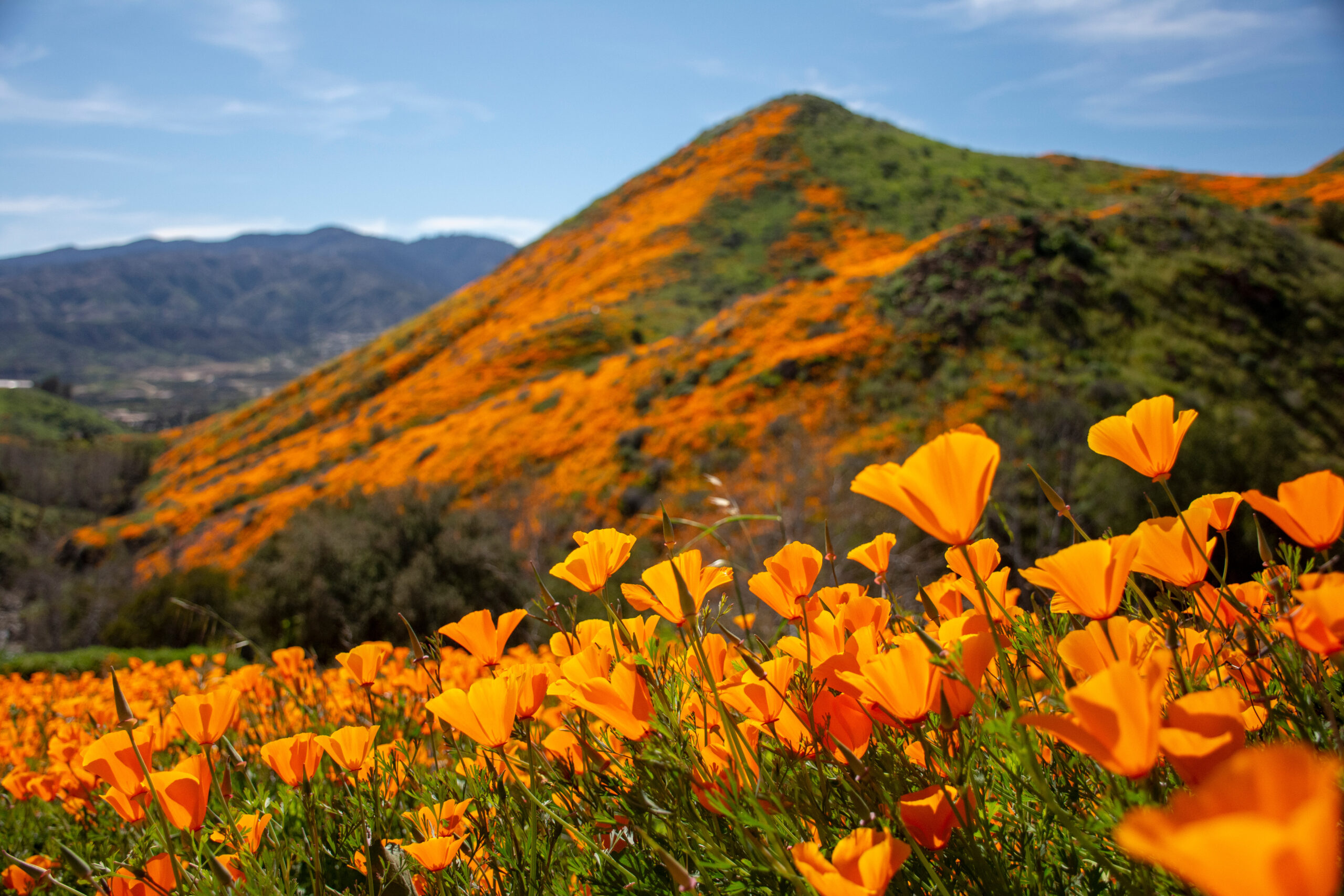
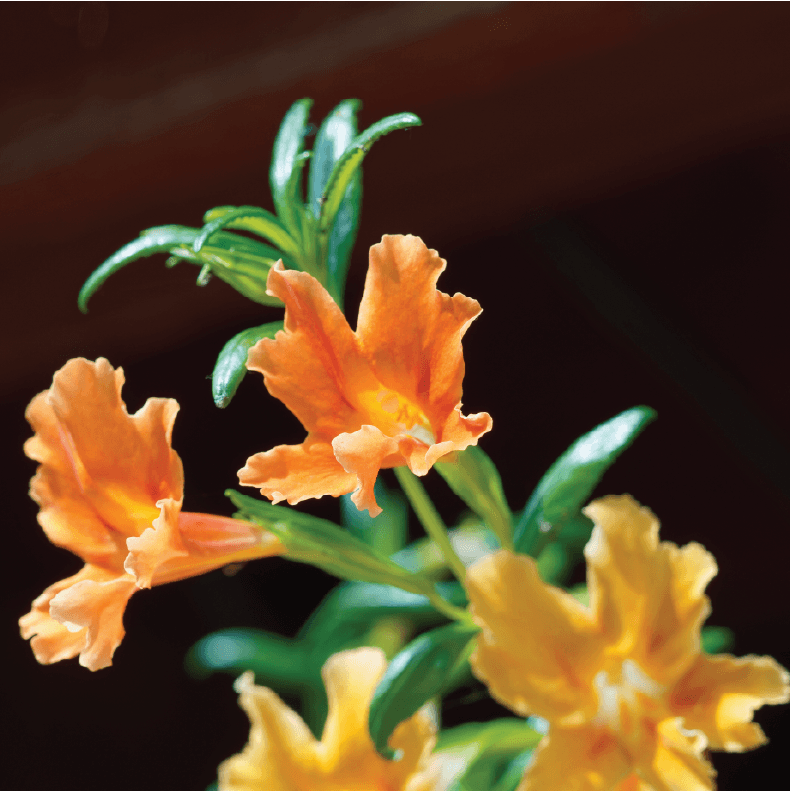
Caifornia Native
Pollinator-Friendly
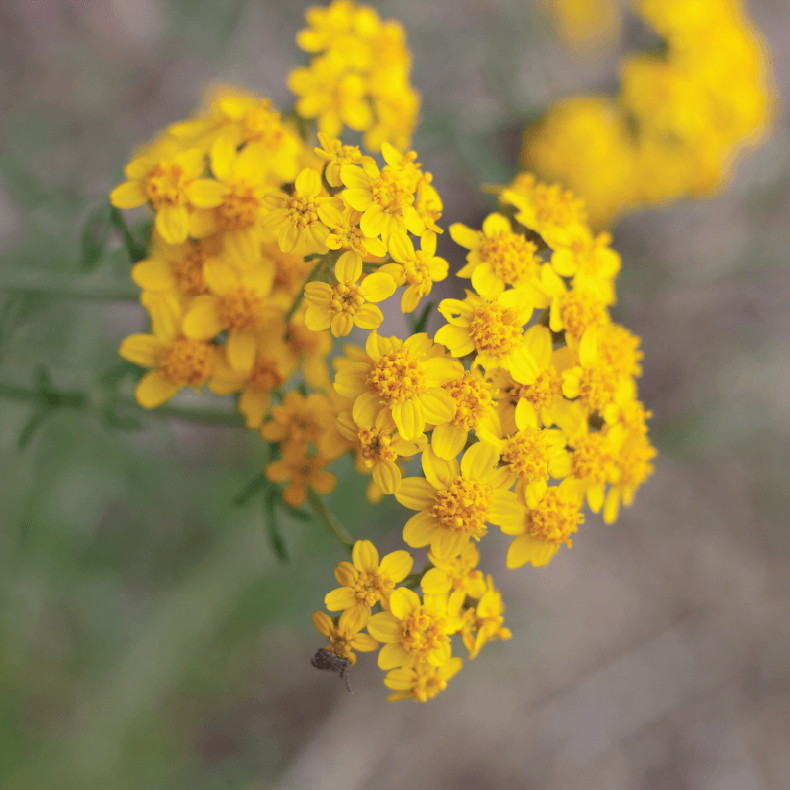
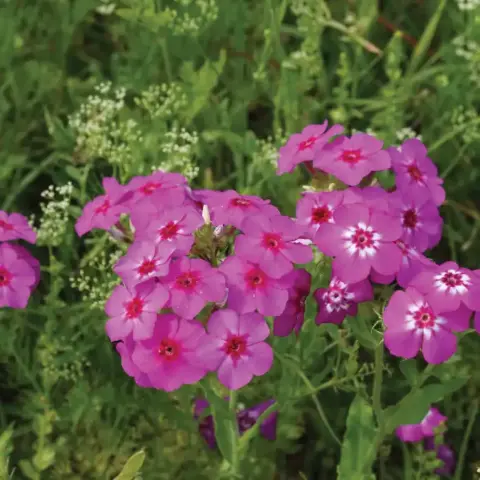
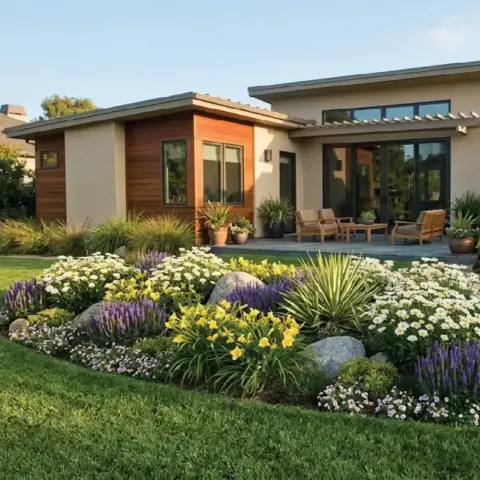
Stunning Landscapes start with Seed you can trust. Native-inspired mixes tested to flourish beautifully across your region.


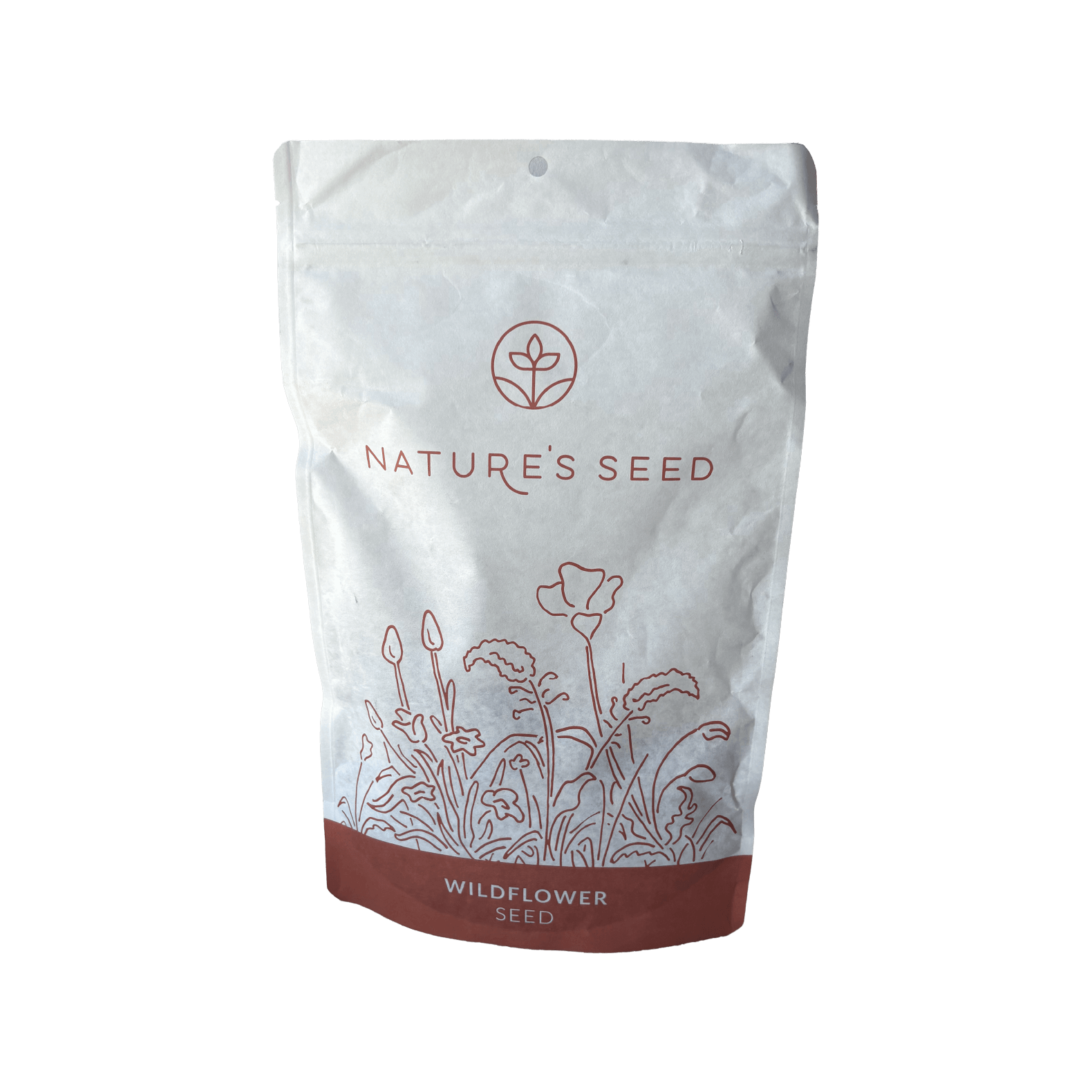
From $19.99
Fill Bare Spots With Lasting, Watch Your Garden Get Better, Create A Wildflower Haven
See Details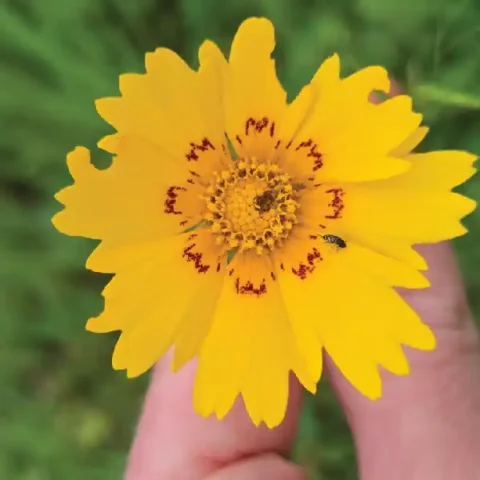
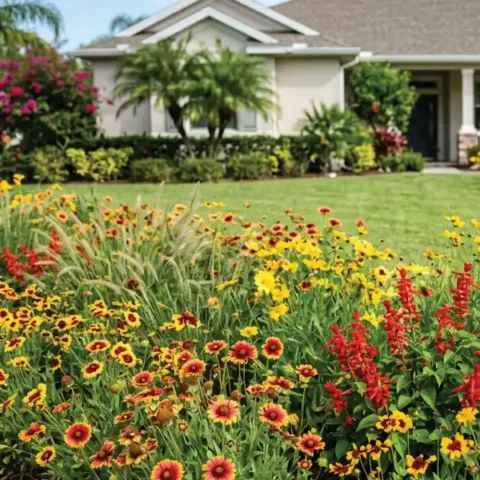
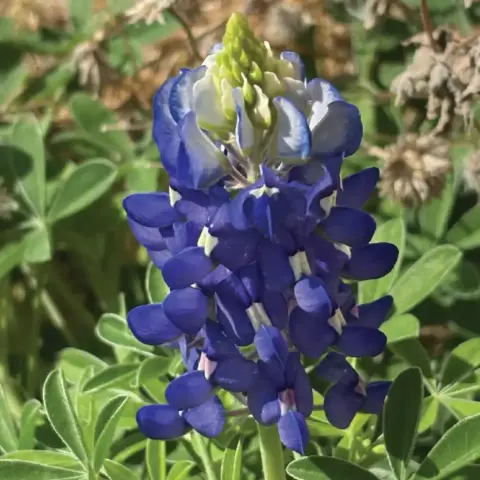
Native Wildflower Seed Mixes for Beautiful, Ecologically Rich Landscapes
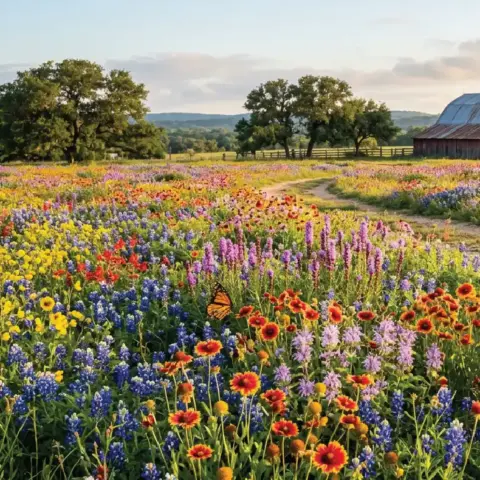
There’s something deeply satisfying about a wildflower meadow. The color. The movement. The hum of pollinators working through the blooms. At Nature’s Seed, our wildflower seed mixes are designed to bring that beauty to your property while doing real ecological good. Every blend is region-matched, USDA-tested, and free of fillers and GMOs. Whether you’re planting a backyard pollinator garden or restoring acres of native habitat, we have a mix that fits.
Why Native Wildflowers Matter
Native wildflowers aren’t just pretty. They’re ecological powerhouses. These are the plants that co-evolved with your local pollinators, birds, and soil organisms over thousands of years. When you plant native species, you’re rebuilding the habitat that modern development has displaced.
Pollinator decline is real. Monarch butterfly populations have dropped by more than 80 percent over the past two decades. Native bee species are disappearing at alarming rates. The primary driver in both cases is habitat loss, specifically the loss of native flowering plants that provide nectar, pollen, and larval food sources.
A single wildflower planting, even a small one, can make a measurable difference. Studies show that native wildflower plantings increase pollinator diversity within the first growing season. Over time, they attract not just bees and butterflies but beneficial insects that control pests, birds that disperse seeds, and soil organisms that improve ground health.
Beyond pollinator support, native wildflowers provide erosion control, stormwater filtration, and carbon sequestration. Their deep root systems, often reaching three to ten feet underground, stabilize soil on slopes, improve water infiltration, and store carbon far more effectively than conventional turf grass.
Choosing the Right Wildflower Mix
Region first. The most important factor in wildflower success is regional adaptation. A mix designed for the Pacific Northwest won’t perform in the Southeast, and vice versa. We offer wildflower blends for every major US region, including the Northwest, Rocky Mountains, Southwest, Great Plains, Southeast, and Northeast. Each blend contains species native to that region’s soil, rainfall, and temperature patterns.
Annuals vs. perennials. Annual wildflowers germinate, bloom, set seed, and die in a single season. They provide fast, dramatic color in the first year. Perennial wildflowers take longer to establish but come back year after year, often expanding their footprint over time. The best mixes include both: annuals for immediate impact while perennials develop their root systems.
Purpose. Are you planting for visual beauty, pollinator habitat, erosion control, or all three? Our pollinator mixes emphasize high-nectar and high-pollen species that bloom in succession from spring through fall, ensuring continuous food sources. Our butterfly garden mixes include both nectar plants for adults and host plants for caterpillars, including species that support monarchs. Shade-tolerant mixes are available for woodland edges and north-facing slopes.
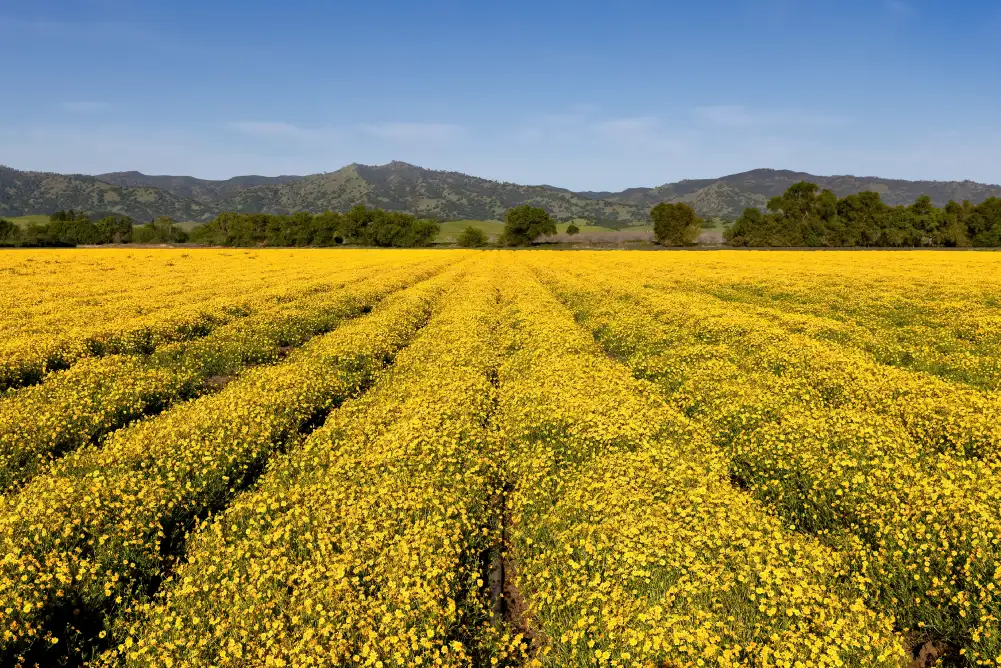
For state-specific needs, we also carry California native seed and Texas native seed collections with species sourced from within those regions.
What’s in Our Wildflower Seed Mixes
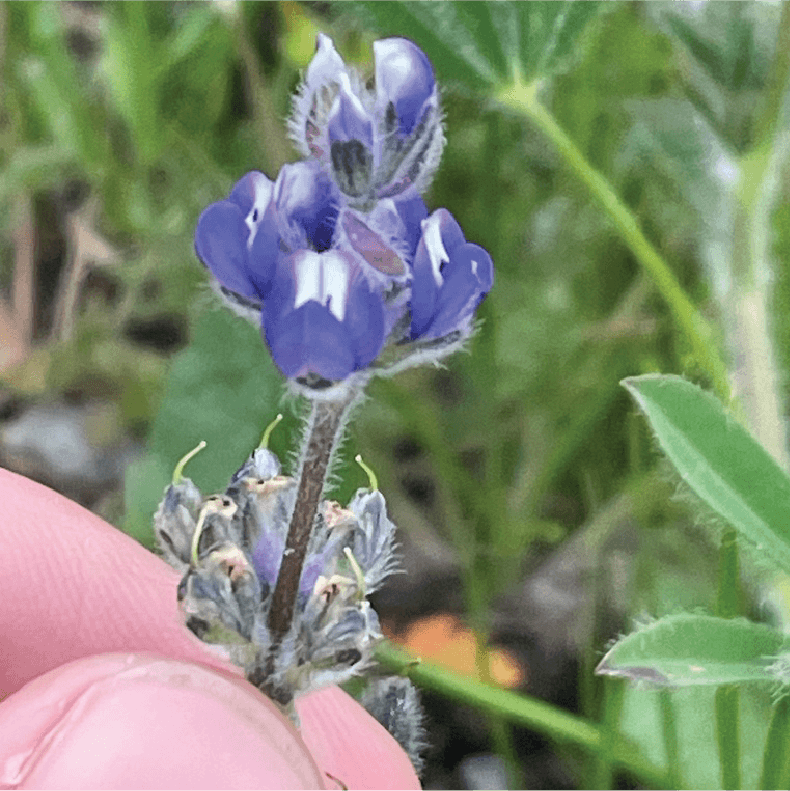
Our blends include a carefully balanced selection of species chosen for bloom color diversity, staggered flowering times, and ecological function. Common species across our regional mixes include Black-Eyed Susan, Purple Coneflower, Blanket Flower, Indian Paintbrush, Shasta Daisy, Wild Lupine, Evening Primrose, Goldenrod, and Bee Balm, among many others.
Each mix is formulated by seed specialists who understand the nuances of native plant communities. We balance height, bloom time, color, and growth habit so your planting looks natural, not random. Tall species like coneflower and goldenrod provide structure. Mid-height species fill the visual middle ground. Low-growing species carpet the soil surface and suppress weeds.
Every blend is tested for purity and germination. We don’t pad our mixes with cheap, aggressive species that take over the planting. What you see on the label is exactly what’s in the bag.
How to Plant a Wildflower Meadow
Site preparation is everything. The number-one reason wildflower plantings fail is competition from existing grasses and weeds. Before planting, eliminate existing vegetation by mowing short and raking away debris. For larger areas, a light tilling or solarization with clear plastic can reduce the weed seed bank. The goal is a clean, firm seedbed with minimal competition.
When to plant. You have two primary windows. Spring planting (after the last frost) works well for annuals and gives perennials a full growing season to establish roots. Fall planting (late October through November in most regions) takes advantage of natural cold stratification, which many perennial wildflower seeds need to break dormancy. Fall-planted seeds sit through winter and emerge strong in spring. In mild climates, winter dormant seeding in December or January achieves the same effect.
Seeding method. Mix seed with clean sand at a ratio of four parts sand to one part seed. This helps distribute the tiny seeds evenly. Broadcast by hand or with a spreader, then press seed into the soil surface with a roller or by walking over the area. Do not bury wildflower seeds more than one-eighth of an inch deep. Many species need light to germinate.
First-year expectations. Annuals will bloom the first season. Most perennials will spend their first year building root systems and may not produce significant blooms until year two or three. This is normal and healthy. By year three, a well-planned wildflower meadow will be a self-sustaining, low-maintenance planting that improves every year.
Maintaining Your Wildflower Planting
Once established, native wildflower plantings require remarkably little care. No fertilizer. No irrigation after the first season in most regions. No pesticides. The primary maintenance task is an annual mowing in late winter or early spring, cutting the previous year’s growth to four to six inches before new growth begins. This mimics the natural disturbance cycles that native plant communities evolved with.
If weeds become an issue in the first year, mow high (six to eight inches) to cut weed seed heads without damaging wildflower seedlings. By year two, your native species should be dense enough to outcompete most weeds on their own.
Wildflowers also pair beautifully with native grasses. Adding a low-growing native grass component to your planting provides structure, reduces erosion, and creates a more natural-looking meadow. Many of our mixes include a native grass component for this reason.
Ready to create something beautiful and lasting? Browse our full collection of wildflower seed mixes and find the right blend for your region, your goals, and your land. Whether it’s a small pollinator patch or a multi-acre restoration, we have the seed and the knowledge to help you get it right. Every order ships free, and our product pages include detailed planting guides for each mix.
———
Frequently Asked Questions About Native Wildflower Seed
Q: When is the best time to plant wildflower seeds?
A: You have two ideal windows. Spring planting after the last frost works well for annual wildflowers and gives perennials a full growing season to establish roots. Fall planting in late October through November takes advantage of natural cold stratification, which many perennial species need to break dormancy. Fall-planted seeds overwinter in the soil and emerge vigorously in spring. In mild-winter climates, dormant seeding in December or January achieves the same effect.
Q: Do wildflowers come back every year?
A: It depends on the species. Perennial wildflowers like Purple Coneflower, Black-Eyed Susan, and Bee Balm return year after year from their established root systems, often spreading and getting more impressive over time. Annual wildflowers complete their life cycle in one season but often reseed themselves if you let them go to seed before mowing. The best wildflower mixes include both annuals and perennials so you get first-year color while the perennials establish.
Q: How do I prepare soil for a wildflower meadow?
A: Site preparation is the most critical step for success. Remove existing vegetation by mowing as short as possible and raking away debris. For larger areas, light tilling or soil solarization with clear plastic sheeting reduces the weed seed bank. The goal is a clean, firm seedbed with minimal competition. Do not add compost or fertilizer, as rich soil actually favors weeds and grasses over native wildflowers, which are adapted to lean soils.
Q: What is the difference between native and non-native wildflowers?
A: Native wildflowers are species that evolved naturally in your region over thousands of years. They co-evolved with local pollinators, soil organisms, and wildlife, making them far more ecologically valuable than non-native species. Native plants provide the specific nectar, pollen, and larval food sources that local insects depend on. Non-native wildflowers may look pretty but often provide limited ecological benefit and can sometimes become invasive, outcompeting the native plants that your local ecosystem needs.
Q: Will wildflowers grow in shade?
A: Most wildflower species prefer full sun (six or more hours of direct sunlight per day), and meadow plantings in full shade will struggle. However, several native species tolerate partial shade with four to six hours of sunlight, including Woodland Sunflower, Wild Columbine, Virginia Bluebells, and Bee Balm. For woodland edges and dappled-shade areas, look for shade-tolerant wildflower mixes specifically formulated for lower light conditions.
Q: How long does it take for wildflowers to bloom from seed?
A: Annual wildflowers typically bloom within 60 to 90 days of germination, giving you color in the first growing season. Perennial wildflowers invest their first year building deep root systems and usually won’t produce significant blooms until the second or third year. This is normal and healthy. By year three, a well-established wildflower meadow will be hitting its stride with a fuller, more diverse display that improves each season.
Q: Do you need to mow a wildflower meadow?
A: Yes, but only once a year. The recommended practice is a single mowing in late winter or early spring, cutting the previous year’s growth down to four to six inches before new growth emerges. This mimics natural disturbance cycles like fire and grazing that native plant communities evolved with. Leave the cut material in place for a few days to allow seeds to drop, then rake it away. During the first year, you may also mow high (six to eight inches) in summer to control weeds without harming wildflower seedlings.
Q: What are the best wildflowers for pollinators?
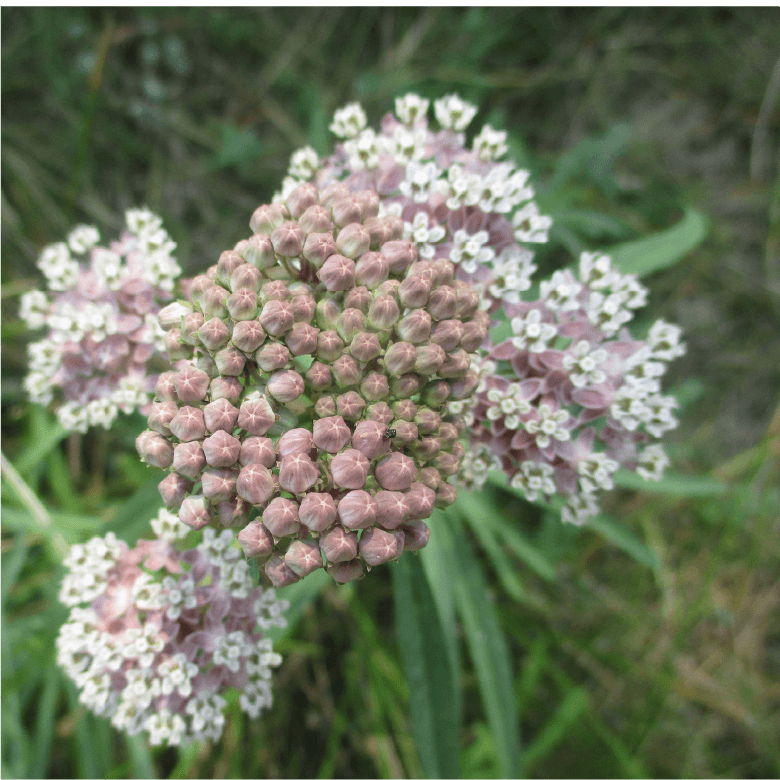
A: The most valuable pollinator wildflowers provide nectar and pollen across the entire growing season. Top species include Purple Coneflower, Black-Eyed Susan, Bee Balm, Wild Bergamot, Goldenrod, Aster, Blanket Flower, and Milkweed (essential for monarch butterflies). A diverse mix with staggered bloom times from early spring through late fall ensures pollinators always have a food source. Native species are significantly more valuable to local pollinators than non-native ornamental flowers.
