
Quality Highlights
| Every Seed Grows We don't pad bags with dead seed or filler. What's in the bag is what grows in your yard. | |
| Independently Tested, Every Batch Each lot is tested by a third-party lab for germination and purity before it ships to you. | |
| Grown on American Farms Our seed comes direct from U.S. growers we know personally — not a middleman warehouse. | |
| Clean Seed, No Shortcuts No coatings to inflate weight, no GMOs, no cheap filler species. Just seed. |
Free shipping on all orders under 125 lbs!
What is the Jimmy's Perennial Wildflower Mix
Specifications
Seeding Specs
Establishment Specs
Why Choose This Seed?
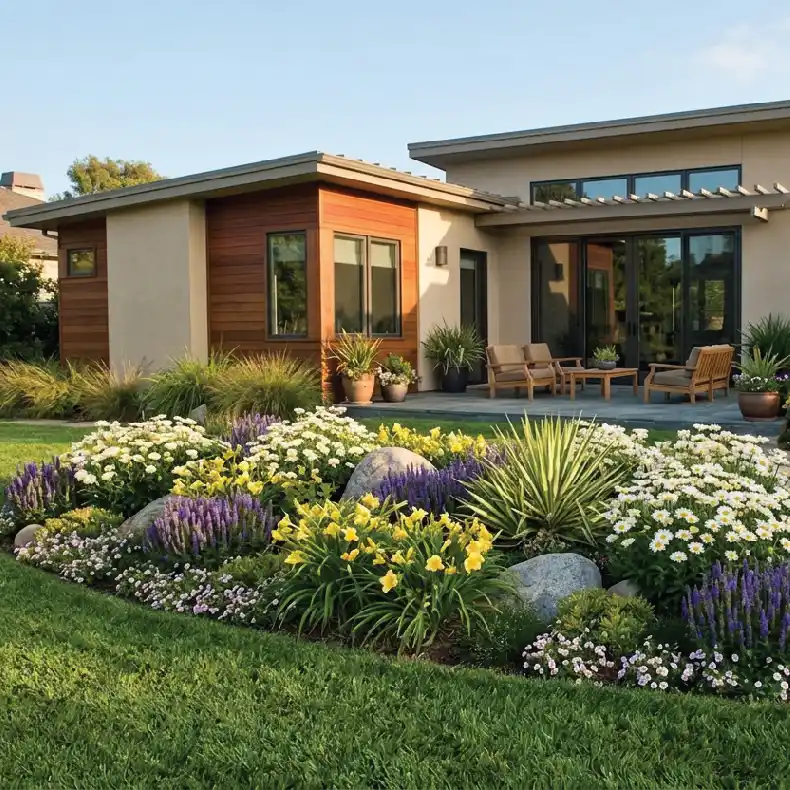
Get That Storybook Cottage Garden
A good cottage-garden look isn’t about perfection—it’s about layers, softness, and plants that feel like they belong together. This perennial mix gives you that storybook effect with flowers that return each year, filling in with color and texture once they’re established. You get the charm without feeling like you have to constantly replant and fuss to keep it going.
Do The Work Once, Enjoy For Years
Your future self will appreciate this one: you do the sowing once, then let the perennials handle the repeat performance. As the plants settle in, they come back reliably and often bloom more strongly over time, keeping beds and borders lively without yearly reseeding. That means fewer trips for new seed, less soil disturbance, and more time actually enjoying the space.
Fill Bare Spots With Lasting Beauty
Got a thin spot along a fence line or a patch of bare soil that never looks finished? This mix is a practical way to cover it with something that doesn’t quit after one season. The first year gets things started, and then the planting improves as roots develop—more fullness, more texture, and waves of bloom that shift through the season without you having to start over.
Watch Your Garden Get Better Every Year
The real payoff is how much better it looks in year two and three. Instead of fading out, these perennials tend to knit together, spreading into gaps and building a more established, meadowy feel over time. While they’re quietly deepening roots and settling in, you’re not stuck micromanaging or replanting just to keep the bed looking alive.
Create A Wildflower Haven That Lasts
Unlike a one-and-done wildflower splash, a perennial planting can become a steady home base for pollinators and other beneficial garden visitors. Once this mix is in, it returns and gradually thickens, giving you that natural, lightly untamed look with surprisingly little upkeep. Beds, borders, and open areas start to feel like a small, self-renewing sanctuary—pretty for you, and useful for wildlife.
Planting Guide
Prepare the Soil
Pick a planting area that gets at least 6 hours of direct sun every day.
Cut or mow all existing grass and plants as short as possible.
Remove thick layers of dead grass (thatch), sticks, and rocks so you can see mostly bare soil.
Kill or remove weeds and grasses 2-3 weeks before seeding using one of these methods:
– Lightly till the top 1-2 inches of soil every 5-7 days to disturb new weed growth; or
– Use a non-residual herbicide, following the label exactly, and wait the full recommended time before seeding.
Loosen only the top 1-2 inches of soil with a rake or cultivator so roots can enter easily.
Avoid deep tilling (more than 2 inches), because it brings new weed seeds to the surface.
Break up large clumps of soil so the surface is crumbly, not chunky.
Firm the soil by walking over the area or using a lawn roller.
Check firmness: you should see shallow footprints, not deep ones.
If your footprints are deep, firm the soil more so seeds don’t sink too far.
If the soil is powdery and blows away, lightly mist it with water and firm again.
Do a final check: you should see mostly bare, firm, crumbly soil with few weeds and no thick debris.
Sow the Seeds
Plan your seeding time for early spring or late fall when the soil is cool and naturally moist.
Avoid seeding in the heat of summer, when soil dries out quickly and germination is poor.
Pour Jimmy’s Perennial Wildflower Mix into a clean bucket.
Add 410 parts dry sand or screened compost to 1 part seed and mix thoroughly so the seed spreads evenly.
Test your mix on a small area first to see how far it goes and adjust your walking speed.
Divide your total seed mix into two equal portions.
Spread the first half of the mix walking northsouth across the area by hand or with a spreader.
Spread the second half walking eastwest to fill in any thin spots.
Aim for light, even coverage: you should see scattered seeds on the soil, not piles or thick lines.
If you see clumps or piles of seed, gently spread them out with your hand or a rake.
Lightly rake the seeded area so seeds settle into the top 1/8 inch of soil.
Avoid burying seeds deeper than the thickness of a grain of rice; most wildflower seeds need light to sprout.
Press the seeds into the soil by walking over the area or using a lawn roller.
Check contact: seeds should no longer roll around easily on the surface, but the soil should not look packed or shiny.
Do not cover the area with straw or mulch; this can block light and reduce germination.
Establishment
Water the seeded area immediately after sowing using a gentle spray or fine mist.
Avoid strong jets of water that move seeds into lines or bare patches.
In the first 2-3 weeks, keep the top 1 inch of soil consistently moist but not soggy.
Water lightly once or twice a day in warm, dry weather so the soil surface never fully dries out.
Check moisture by touching the soil: it should feel damp like a wrung-out sponge, not muddy or dusty.
Expect some species to sprout in 7-21 days; others may appear later in the season or the following spring.
Look for tiny, evenly spaced seedlings across the area; bare zones may need reseeding later.
In the first growing season, focus on helping plants build roots, not on getting a full bloom.
Do not panic if blooms are light the first year; perennials often spend year one on root growth.
If weeds grow taller than your wildflower seedlings (often 4-6 weeks after seeding), mow or trim the area to 4-6 inches high.
Set your mower high and mow slowly so you cut tall weeds but leave low wildflower seedlings.
Avoid mowing shorter than 4 inches; cutting too low can damage young wildflowers.
Do not use herbicides in the seeded area after planting; they will likely harm your wildflower seedlings.
Continue light, as-needed watering during dry spells in the first year, especially on sandy or sloped sites.
Reduce watering once plants reach 4-6 inches tall and are filling in; let the top inch of soil dry slightly between waterings.
Youll know the mix is establishing well when you see a mix of plant heights and leaf shapes, with fewer bare soil patches over time.
Maintenance Long Term
From the second year onward, plan on one main maintenance mowing each year.
In late fall after plants have browned, or in very early spring before new growth starts, mow or string-trim the area down to 4-6 inches.
Let the clippings lie on the ground for 7-10 days so ripe seeds can fall back into the soil.
After that, remove or lightly mulch the clippings so they do not form a thick mat that blocks new growth.
Walk the area a few times each season and hand-pull or cut out tall, aggressive weeds and unwanted grasses before they set seed.
Focus on plants that stand well above the wildflowers or spread quickly in patches.
Dispose of pulled weeds and seed heads outside the wildflower area so their seeds do not return.
Water established plantings only during long droughts when plants are wilting or leaves are crisping.
When you do water, soak the area deeply and infrequently rather than giving frequent light waterings.
Avoid using fertilizer unless growth is extremely weak and soil is very poor.
If needed, apply a very light amount of balanced organic fertilizer once in early spring.
Do not overfertilize; rich soil encourages tall grasses and weeds that crowd out wildflowers.
Leave some seedheads standing over fall and winter to allow natural reseeding and provide habitat for wildlife.
Every 3-4 years, inspect the area for thin or bare spots in late fall or early spring.
Lightly overseed those thin areas with more of Jimmy’s Perennial Wildflower Mix following the same soil prep and sowing steps.
Youll know your meadow is healthy long-term when you see a changing mix of flowers through the seasons, few large weed patches, and steady coverage year to year.
Helpful Resources
Wildflower Buffer Strips for Water Quality
Keeping Deer From Eating Wildflowers
Questions & Answers
Yes, Jimmy’s Perennial Wildflower Mix is low maintenance once its established, and its designed to come back every year. In the first year, you’ll need to clear the area of weeds, sow on bare soil, and keep it lightly watered so the roots can grow strong. After that, it usually only needs occasional watering during long dry spells and some basic weeding. For the best long-term results, let the flowers finish blooming and drop their seeds in fall, then cut back the dead stems in late winter or early spring so they come back thicker and fuller each year.
For the best long11term blooms, plant Jimmys mix in a sunny spot and start by removing grass and weeds so the seeds touch bare soil. Loosen the top inch of soil, mix the seed with sand or dry soil so you can see where you’re spreading, then scatter it evenly, lightly rake it in, and gently press it down with your feet or a roller. Water right after sowing and keep the soil lightly moist (not muddy) until the seedlings are a few inches tall, then you can water less often. If you avoid heavy foot traffic and let the flowers go to seed at the end of the season, your wildflower patch will come back and fill in more each year.
Jimmys Perennial Wildflower Mix usually includes long-lasting favorites like Shasta daisy, Pygmy lupine, Lanceleaf Tickseed Tall, Blue-eyed Grass, California Poppy Orange, Spurred Snapdragon, Butter and Eggs, black-eyed Susan, Pinkladies, Lewis Flax, and Western Yarrow, plus a few other cottage-style wildflowers. Most of these flowers grow about 1811-3-6 inches tall, with a few, like some lupines and yarrows, reaching around 40 inches in rich soil. This gives you a natural, layered look without much planning. If you’re planting in a bed, place taller plants toward the back and shorter ones in front so you can see all the blooms clearly year after year.
For a thick, full, meadow-style look, use about 1.5-112.0 pounds of Jimmys Perennial Wildflower Mix for every 1,000 square feet. This higher rate gives you dense coverage and fewer bare spots once the planting fills in. If you want a softer, more open meadow with more space between plants, you can use less seed, closer to the 5117 ounces per 1,000 square feet range. For best results, spread the seed over cleared, raked soil, then lightly press it into the surface without burying it too deep. With the right amount of seed and good soil contact, your meadow will fill in more each season and leave fewer bare spots over time.
The best times to sow Jimmys Perennial Wildflower Mix are early spring and fall, when the weather is cool and theres more natural moisture. In cooler climates, planting in fall (about 411-6 weeks before the ground freezes) often gives stronger blooms the next year because the seeds get a natural cold period over winter. In warmer areas, early spring works well once the soil can be worked and hard frosts are mostly past. No matter when you plant, rake the soil, spread the seed evenly, and keep the area lightly moist until the seedlings are established so they can come back reliably each year.
Yes, Jimmys Perennial Wildflower Mix is made to handle less11than11perfect soil and will grow in full sun and light to partial shade, as long as the area drains well and doesn’t stay soggy. Youll get the most flowers and the brightest colors in full sun (about 6 or more hours of direct sunlight a day), but many of the plants will still bloom with a bit less light. On larger acreage, you’ll get better results if you mow or cut existing growth short, remove thick weeds, and lightly loosen the top layer of soil before seeding. Once its established, this mix should return each year with very little care, slowly filling in more of your space with color.
Still Have Questions?
Our seed experts are ready to help you find the perfect seed for your project.
1-866-322-7300 Ask a Seed ExpertCustomer Reviews
See what real customers are saying. All reviews are collected and verified by Shopper Approved, an independent third party.
