Native
Wildlife Habitat
| Every Seed Grows We don't pad bags with dead seed or filler. What's in the bag is what grows in your yard. | |
| Independently Tested, Every Batch Each lot is tested by a third-party lab for germination and purity before it ships to you. | |
| Grown on American Farms Our seed comes direct from U.S. growers we know personally — not a middleman warehouse. | |
| Clean Seed, No Shortcuts No coatings to inflate weight, no GMOs, no cheap filler species. Just seed. |
Free shipping on all orders under 125 lbs!
SKU: WB-FLPB
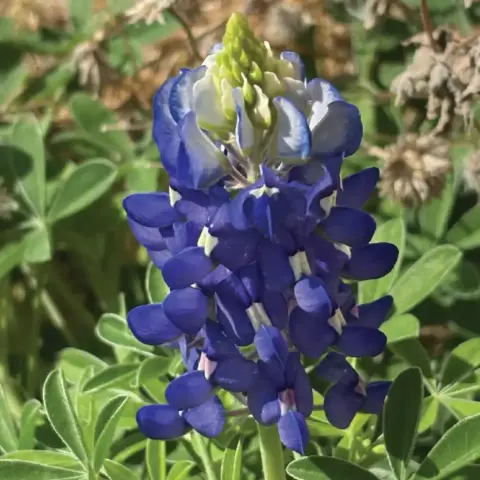
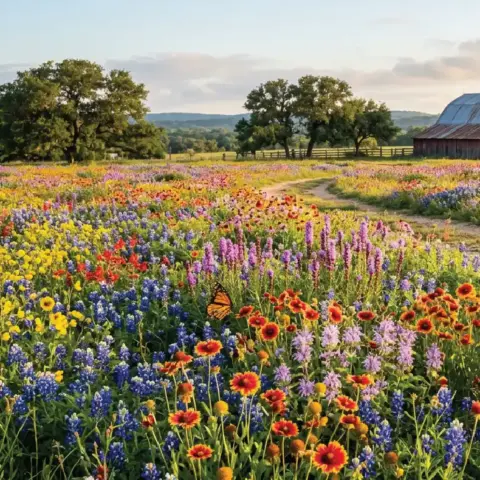
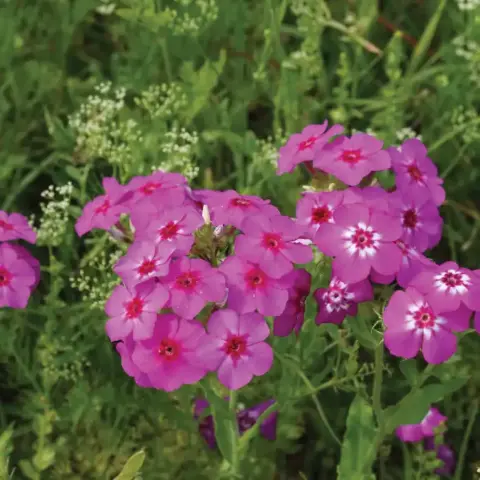
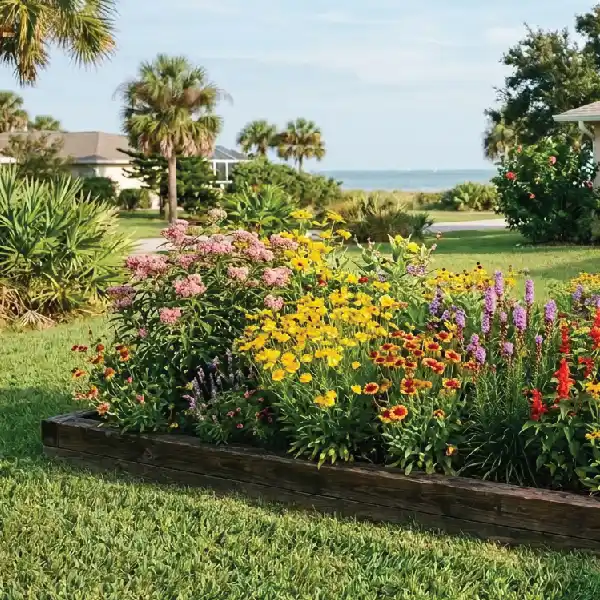
A 6-species native wildflower blend built for year-round butterfly and pollinator habitat in Florida. Swamp Milkweed at 15% provides Monarch butterfly support. Dedicated bee plants, hummingbird attractors, and caterpillar host plants fill out the rest — all adapted to Florida’s sandy soils and subtropical climate. For dedicated Monarch habitat, pair with our individual Butterfly Milkweed species.
The most important host plant for monarch butterflies in the Southeast. Produces clusters of pink-mauve flowers and thrives in Florida moist soils. Essential for monarch reproduction and migration support.
Florida state wildflower provides abundant nectar for pollinators with its golden-yellow blooms. Long blooming season from spring through fall ensures a continuous food source for butterflies and native bees.
Showy red-and-yellow blooms attract a wide variety of pollinators including butterflies, native bees, and hoverflies. Extremely heat and drought-tolerant, flowering continuously through Florida long growing season.
Tall purple flower spikes are a top nectar source for monarch and swallowtail butterflies during fall migration. Native to Florida prairies and flatwoods, it provides critical late-season forage for pollinators.
Brilliant red tubular flowers are specifically shaped for hummingbird pollination and also attract large butterflies. Native to Florida, it blooms continuously in warm weather and tolerates partial shade.
Golden daisy-like flowers provide abundant pollen and nectar for native bees, butterflies, and beneficial insects. Blooms summer through fall, filling an important mid-season gap in pollinator food availability.
Tall, bright yellow perennial that blooms prolifically in summer, providing nectar and pollen for butterflies, native bees, and other pollinators. Adapts well to Florida heat and forms attractive clumps.
Swamp Milkweed makes up 15% of this mix, providing Monarch butterfly larval host plant support directly in the blend. Florida sits on the eastern Monarch migration route AND hosts a year-round non-migratory Monarch population in South and Central Florida. Swamp Milkweed thrives in rain garden edges and moist swales. It is native milkweed — not tropical milkweed, which enables OE parasite buildup. For additional Monarch support, pair this mix with our individual Butterfly Milkweed species for dry sandy upland areas.
This mix supports three distinct pollinator groups. Butterflies: Swamp Milkweed for Monarchs, Partridge Pea for Sulphurs, Blazing Star for swallowtails and skippers. Native bees: Lanceleaf Coreopsis and Purple Coneflower are top-tier native bee plants for Florida’s specialist pollinators. Hummingbirds: Scarlet Sage produces tubular red flowers throughout the warm season that are the preferred nectar source for Ruby-throated Hummingbirds in Florida.
Florida’s subtropical climate means butterflies are active year-round — not just spring and summer. This mix provides nectar and host plant resources across multiple seasons. Scarlet Sage blooms nearly year-round in Central and South Florida. Lanceleaf Coreopsis leads spring. Blazing Star and Purple Coneflower carry summer. Partridge Pea adds late-summer nectar and Sulphur butterfly hosting. Even in winter, at least 2-3 species maintain some flowering in frost-free zones.
Every species in this mix thrives in Florida’s deep, fast-draining, nutrient-poor sandy soils. No soil amendment needed. No fertilizer required — excess nitrogen actually reduces flowering in most of these species and promotes weed invasion. These species evolved in Florida’s sandy conditions and perform best without amendments. This mix works with Florida’s native soil, not against it.
This mix meets the plant diversity requirements for National Wildlife Federation Certified Wildlife Habitat and Florida-Friendly Landscaping program recognition. Well-suited for school butterfly garden projects — all species are non-toxic, low-maintenance, and provide visible butterfly activity for educational observation. Swamp Milkweed allows students to observe the Monarch life cycle from egg to adult. For full Monarch Watch Waystation certification, supplement with our individual Butterfly Milkweed species.
Choose a full-sun site with well-drained sandy soil. Remove existing vegetation by mowing short or light raking. Do not deep-till — this brings up dormant weed seeds. A clean, bare soil surface is ideal. Do not amend with fertilizer or compost. Florida’s nutrient-poor sand is exactly what these species evolved in. If planting in a lawn area, scalp the grass as short as possible and rough up the soil surface with a metal rake.
Broadcast seed at 0.25 to 0.50 lb per 1,000 sq ft. Mix seed with dry sand at a 4:1 ratio for even distribution. Scatter evenly over the prepared area. Lightly rake to cover seeds to 1/8 to 1/4 inch depth — no deeper. Many of these species need light to germinate. Press or roll the area firmly for solid seed-to-soil contact. Water lightly immediately after seeding.
Keep the area moist for the first 4-6 weeks. Water lightly every 2-3 days if there is no rain. Seeds germinate at different rates — some within 10 days, others over several weeks. Milkweed seeds may take longer than the wildflowers. Do not be alarmed by staggered emergence. Once seedlings are 3-4 inches tall, reduce watering to once per week, then taper off. Weed by hand during establishment to prevent competition.
Once established, supplemental water is rarely needed. Allow the full bloom cycle to complete before any mowing. Wait until seed pods have dried and shattered so annual species can reseed for next year. Do NOT cut milkweed plants during the growing season — Monarch caterpillars depend on them. Perennial species return from root systems and strengthen each year. Avoid all pesticide use in and around your pollinator garden — even organic pesticides can harm butterflies and bees.
Monarch butterflies require milkweed (Asclepias species) as their sole larval host plant. This mix includes Swamp Milkweed (A. incarnata) at 15%. For additional Monarch support, add our individual Butterfly Milkweed (A. tuberosa) for dry sandy upland areas. Avoid tropical milkweed (A. curassavica) — it does not die back in Florida’s mild winters and may promote OE parasite buildup and disrupt migration patterns. Adult Monarchs also need nectar plants like Blazing Star, Scarlet Sage, and Purple Coneflower.
Tropical milkweed (Asclepias curassavica) does not die back during Florida’s mild winters. This year-round growth can enable buildup of the OE parasite (Ophryocystis elektroscirrha), which weakens and kills Monarch butterflies. It may also encourage Monarchs to stop migrating, disrupting the species’ reproductive cycle. Native milkweed species die back naturally, breaking the parasite cycle. Always choose native milkweed for Florida pollinator gardens.
Mid-September through January, with October and November being optimal across most of Florida. Fall planting takes advantage of cooler temperatures, reduced weed competition, and winter rainfall for germination. Avoid planting May through August — summer heat, heavy rain, and aggressive weed growth make establishment very difficult in Florida.
Six species: Lanceleaf Coreopsis (18%), Swamp Milkweed (15%), Blazing Star (12%), Scarlet Sage (12%), Partridge Pea (10%), and Purple Coneflower (10%). Butterfly Milkweed and Spotted Beebalm are now sold as individual species for custom blending and targeted habitat creation.
Yes. Pollinator gardens with native host plants and sequential bloom can qualify for Monarch Watch Waystation, National Wildlife Federation Certified Wildlife Habitat, and Florida-Friendly Landscaping program recognition through UF/IFAS Extension. Requirements generally include native food sources, water, cover, and areas to raise young. This mix provides the plant component of most certification criteria.
Yes. Scarlet Sage, Partridge Pea, Lanceleaf Coreopsis, and Swamp Milkweed perform well statewide including South Florida (Zone 10b). Blazing Star and Purple Coneflower may underperform south of Palm Beach. Overall, 4 of 6 species in this mix are well-suited for South Florida butterfly gardens.
Our seed experts are ready to help you find the perfect seed for your project.
1-866-322-7300 Ask a Seed ExpertSee what real customers are saying. All reviews are collected and verified by Shopper Approved, an independent third party.