Native
Wildlife Habitat
| Every Seed Grows We don't pad bags with dead seed or filler. What's in the bag is what grows in your yard. | |
| Independently Tested, Every Batch Each lot is tested by a third-party lab for germination and purity before it ships to you. | |
| Grown on American Farms Our seed comes direct from U.S. growers we know personally — not a middleman warehouse. | |
| Clean Seed, No Shortcuts No coatings to inflate weight, no GMOs, no cheap filler species. Just seed. |
Free shipping on all orders under 125 lbs!
SKU: WB-FLCO
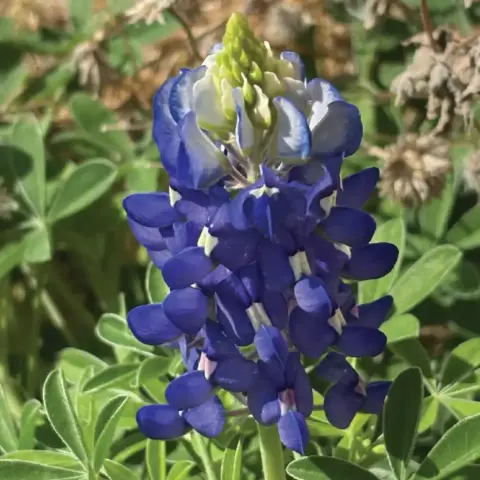
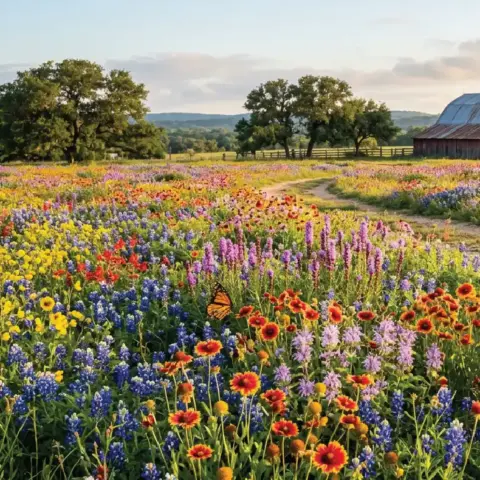
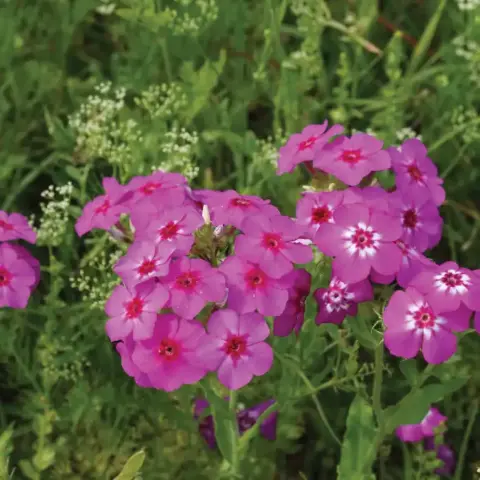
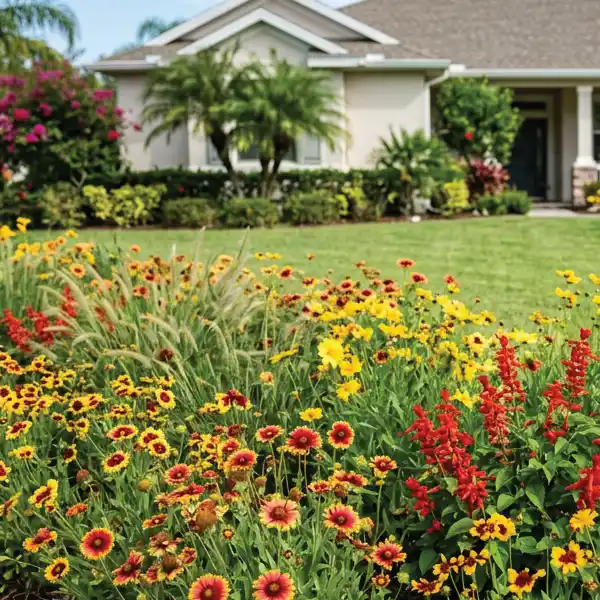
A focused 3-species wildflower blend built for Florida’s sandy coastal and near-coastal landscapes. Blanket Flower at 20%, Lanceleaf Coreopsis at 15%, and Spotted Beebalm at 10% — three proven performers in Florida’s heat, sand, and wind. No filler species. Every seed in this bag does real work.
Exceptionally salt-tolerant perennial wildflower that thrives in sandy coastal soils and sea spray. Produces vibrant red-and-yellow blooms from spring through fall, making it a staple of Florida's dune and coastal landscapes.
Hardy annual wildflower with cheerful red-and-yellow bicolor blooms that naturalizes easily in sandy coastal conditions. Self-seeds reliably and tolerates salt-laden winds along Florida's shorelines.
Florida's state wildflower is naturally adapted to sandy, well-drained coastal soils. Produces masses of golden-yellow flowers and spreads via rhizomes to stabilize sandy areas near beaches and dunes.
Tall, bright yellow perennial that adds vertical interest to coastal plantings. Tolerates sandy soils and moderate salt exposure while providing abundant nectar for coastal pollinators and butterflies.
Native Florida sage with vivid red flowers that attract hummingbirds to coastal gardens. Adapts to sandy soils and tolerates the heat and humidity of Florida's coastal environments.
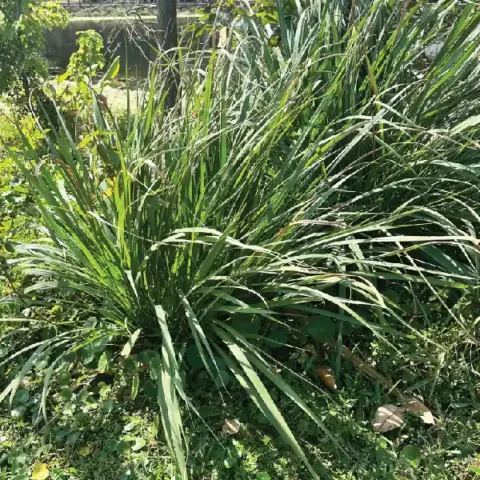
Native warm-season grass that provides structure and movement to coastal wildflower plantings. Deep root system helps stabilize sandy soils and prevent erosion along Florida's coastline. Adds fall color with golden seed heads.
Most wildflower mixes pad their species count with seeds that look good on the label but perform poorly in the field. This mix takes the opposite approach. Three species, each selected because it thrives in Florida’s coastal and sandy environments. Blanket Flower handles direct heat and salt spray. Lanceleaf Coreopsis provides perennial backbone and the state wildflower genus. Spotted Beebalm supports native pollinators in pure sand. Every seed earns its place.
Coastal and near-coastal Florida is hard on plants — intense sun, poor sandy soil, salt exposure, and wind. These three species evolved in exactly those conditions. Blanket Flower is one of the most heat and drought-tolerant wildflowers in North America. Lanceleaf Coreopsis colonizes nutrient-poor sand naturally throughout Florida. Spotted Beebalm is a dune edge specialist that actually prefers the poorest soils. No soil amendment needed — just seed and sand.
Blanket Flower blooms from spring through fall in most of Florida, often into winter in frost-free zones. Its red and yellow flowers provide continuous color from a single planting. Lanceleaf Coreopsis leads spring with bright yellow blooms and continues through early summer. Spotted Beebalm picks up in summer and carries into fall with distinctive tiered flower heads. Combined, these three species cover April through October with minimal gaps.
Small mix, big pollinator impact. Spotted Beebalm is one of the top native bee plants in the southeastern US — it supports specialist bees that depend on Monarda pollen. Lanceleaf Coreopsis provides accessible nectar for generalist pollinators. Blanket Flower attracts butterflies and a wide range of bee species. Three species covering three seasons of bloom creates a reliable pollinator resource from a minimal planting.
This is a focused blend — not a comprehensive coastal restoration mix. It covers wildflower color and pollinator support for sandy and near-coastal Florida landscapes. For areas needing structural grasses for erosion control or dune stabilization, consider adding our Fakahatchee Grass or Sand Cordgrass as standalone species. For formal dune restoration, consult your county’s coastal management office — FDEP-regulated projects require specific species lists and permits.
Choose a full-sun site with sandy, well-drained soil. Remove existing vegetation and expose bare sand. Do NOT add fertilizer, compost, or soil amendments — these species evolved in nutrient-poor sand and perform worse in enriched soil. If planting on a slope or near the coast, work in calm weather to prevent seed from blowing away.
Broadcast seed at 0.25 to 0.50 lb per 1,000 sq ft. Mix seed with dry sand at a 4:1 ratio for even distribution — especially important in windy coastal sites. Lightly rake to press seeds into the soil surface to 1/4 inch depth. Roll or tamp firmly. Water lightly after seeding. For exposed sites, consider a light mulch of clean straw (not hay) to hold seeds in place until germination.
Keep the area moist for the first 4-6 weeks. Coastal sand drains fast — you may need to water daily in dry periods. Seeds germinate in 10-21 days under normal conditions. Staggered emergence is normal. Wind protection during the first month helps establishment dramatically — even temporary windbreak fabric improves germination rates in exposed sites.
Once established, these species are adapted to harsh conditions and need minimal care. Allow full bloom and seed cycle before mowing. Blanket Flower reseeds aggressively in sandy soil. Lanceleaf Coreopsis returns from perennial roots and spreads gradually. Spotted Beebalm self-seeds reliably. Do not fertilize — nutrient-poor sand is the natural condition these species evolved in. Supplemental watering is rarely needed after the first growing season.
Blanket Flower (Gaillardia pulchella), Lanceleaf Coreopsis, and Spotted Beebalm all thrive in the sandy, nutrient-poor soils typical of coastal and near-coastal Florida. Blanket Flower has the best salt spray tolerance of the three. For areas with direct salt exposure, supplement with salt-tolerant grasses like Muhly Grass or Sand Cordgrass.
No. Florida native wildflowers evolved in sandy, nutrient-poor soil and actually perform worse when soil is amended with compost or fertilizer. Enriched soil promotes weed growth that outcompetes wildflowers. Plant directly into bare sandy soil for best results.
Mid-September through January, with October and November optimal. This avoids the active hurricane season peak, takes advantage of cooler establishment temperatures, and positions seeds for spring germination. Avoid planting May through August when heat stress and heavy rain make coastal establishment difficult.
Three species: Blanket Flower (Gaillardia pulchella) at 20%, Lanceleaf Coreopsis (Coreopsis lanceolata) at 15%, and Spotted Beebalm (Monarda punctata) at 10%. This is a focused blend designed for performance in Florida’s sandy coastal conditions without filler species.
No. This is a wildflower color and pollinator mix for sandy and near-coastal landscapes — residential gardens, HOA common areas, and coastal commercial landscaping. Formal beach dune restoration in Florida requires FDEP-approved species (primarily Sea Oats and Bitter Panic Grass) planted as plugs under coastal construction permits.
Yes. For structural erosion control, consider adding our Fakahatchee Grass (Tripsacum dactyloides) or Sand Cordgrass (Spartina bakeri) as standalone plantings alongside this wildflower mix. Grasses provide root-based soil stabilization while the wildflowers add color and pollinator value. Plant grasses in separate areas or as a border around the wildflower planting.
Our seed experts are ready to help you find the perfect seed for your project.
1-866-322-7300 Ask a Seed ExpertSee what real customers are saying. All reviews are collected and verified by Shopper Approved, an independent third party.