
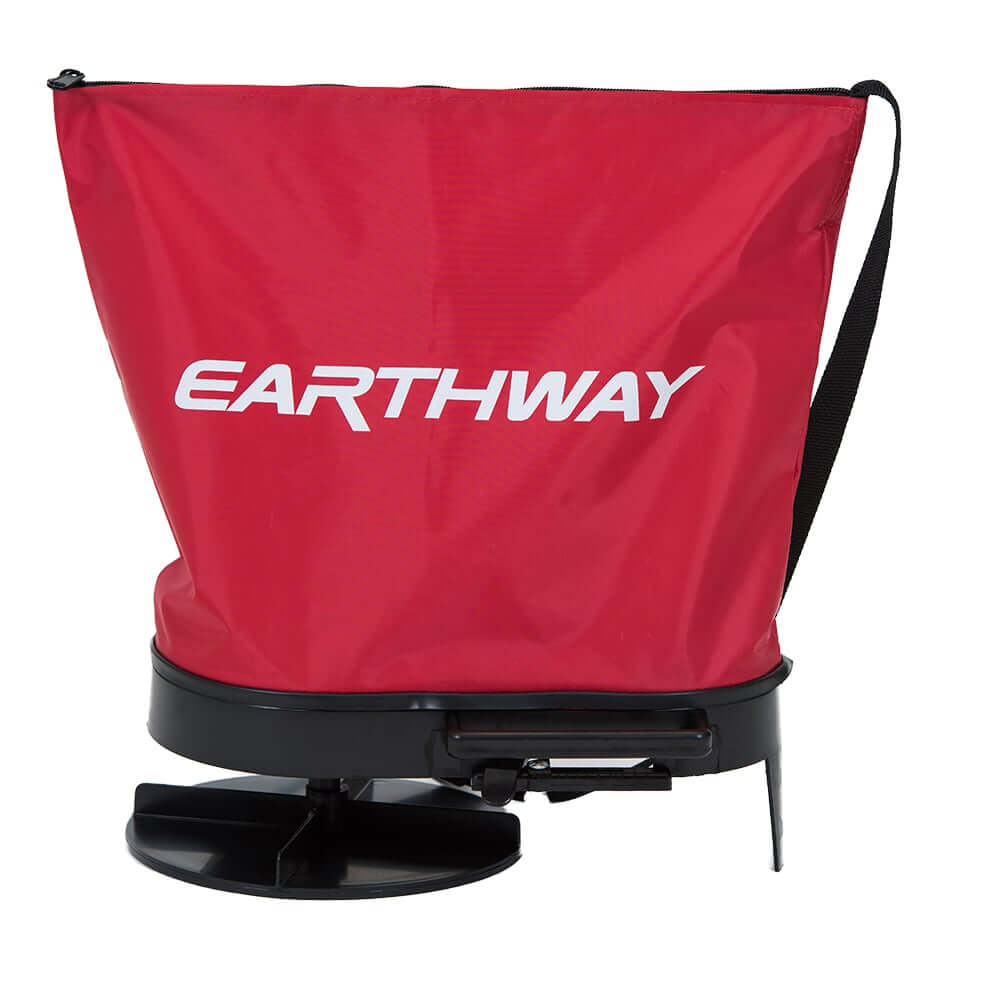
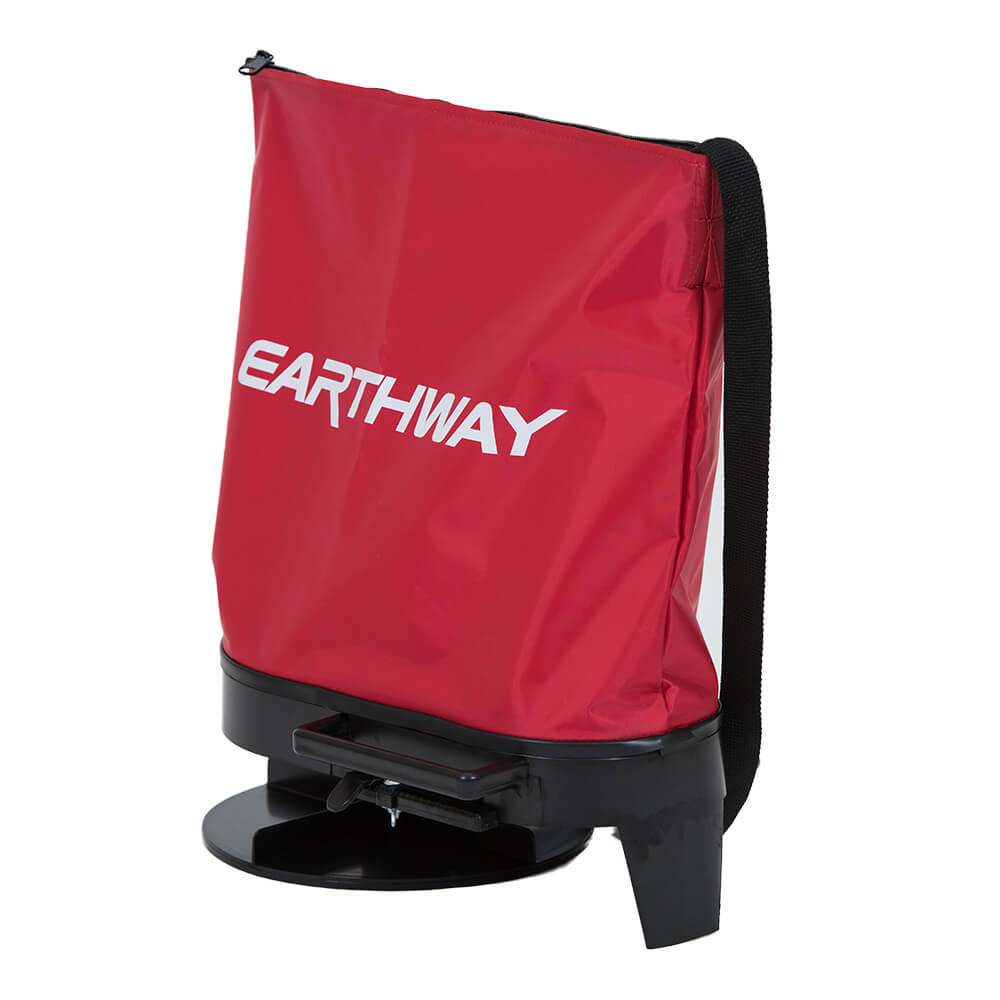
Go Anywhere
Even Coverage
From Original price was: $97.99.$89.99Current price is: $89.99.
25 lb Capacity, Slopes & Hills, Seed & Fertilizer, Stores Flat
See Details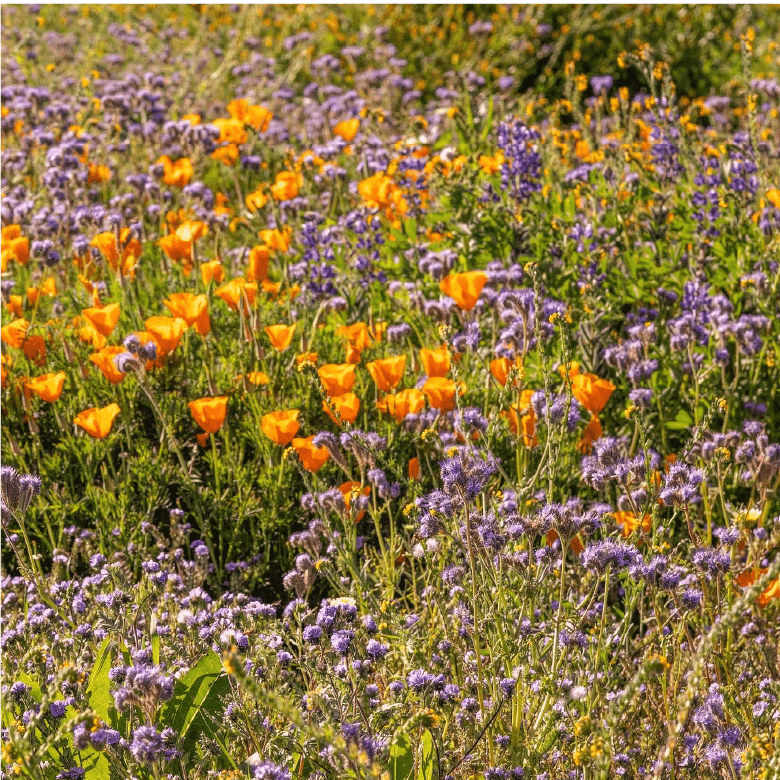
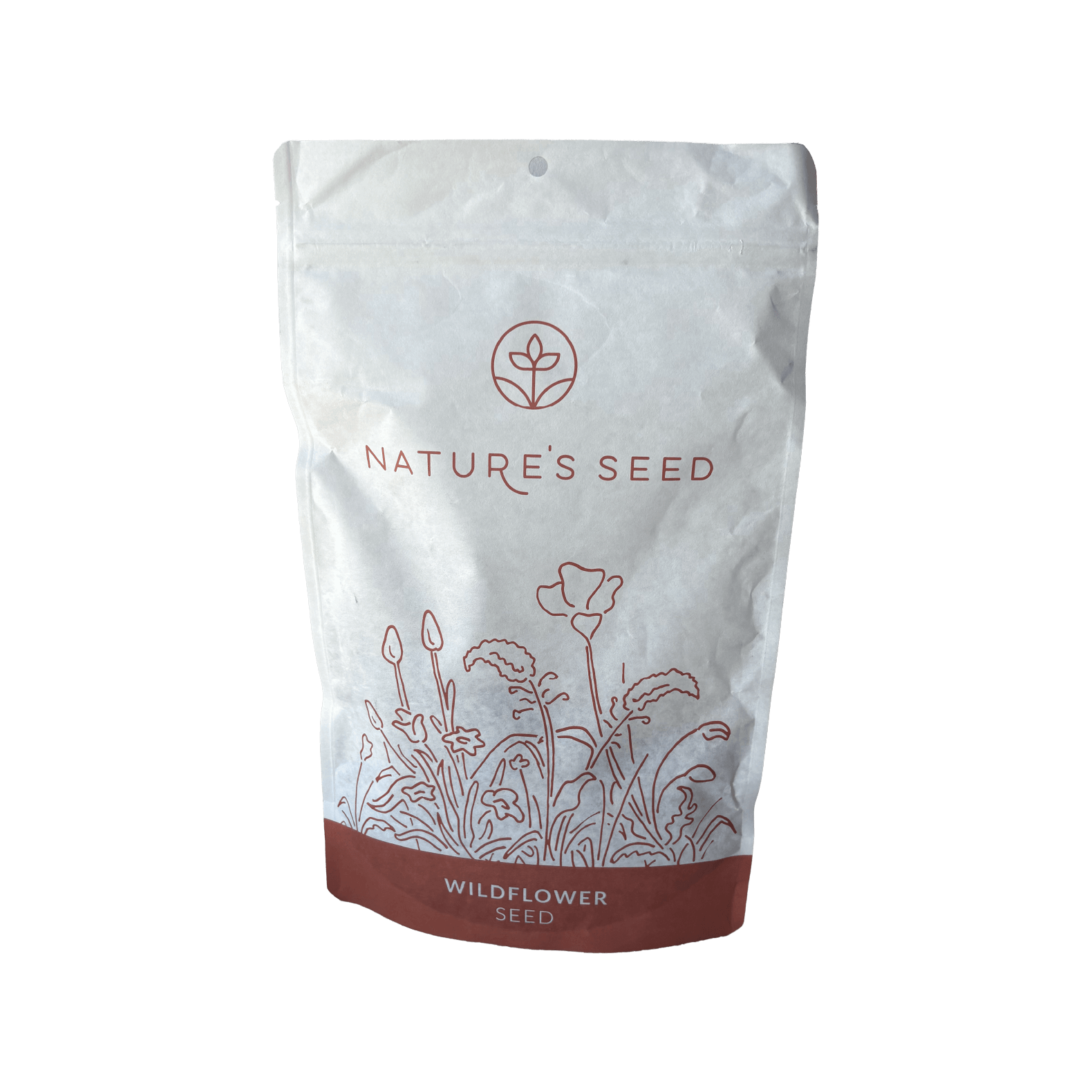
| Every Seed Grows We don't pad bags with dead seed or filler. What's in the bag is what grows in your yard. | |
| Independently Tested, Every Batch Each lot is tested by a third-party lab for germination and purity before it ships to you. | |
| Grown on American Farms Our seed comes direct from U.S. growers we know personally — not a middleman warehouse. | |
| Clean Seed, No Shortcuts No coatings to inflate weight, no GMOs, no cheap filler species. Just seed. |
Free shipping on all orders under 125 lbs!
Xerces Society | SKU: WB-XCVP
The Central Valley Pollinator Mix is a curated blend of native California wildflowers and grasses designed to create a haven for pollinators. Developed with Xerces Society guidance for California’s Central Valley, the mix features a diverse array of blooms that provide nectar and pollen across the seasons. Colorful annuals like California Poppy, Baby Blue Eyes, and Phacelia complement hardy perennials and bunchgrasses such as Yarrow and Purple Needlegrass. Selected to thrive in the Central Valley’s climate, the mix is drought-tolerant once established and supports native bees, honeybees, butterflies, and other beneficial insects. Deep-rooted grasses contribute to soil health and erosion control—ideal for farm edges, large gardens, or habitat restoration.
Learn more about this mix and about the Xerces society here: https://xerces.org/pollinator-conservation/pollinator-conservation-seed-mixes/california-central-valley-pollinator.
Flat-topped white flower clusters are landing pads for hundreds of beneficial insect and native bee species.
Late-blooming native clarkia provides critical nectar resources for pollinators when most spring flowers have faded.
Native to California, its pollen-rich yellow flower clusters are magnets for native bees and parasitic wasps.
Pollen-rich native blooms are heavily worked by native bees throughout the Central Valley's long spring season.
Dense lavender flower heads are exceptional native bee attractors and a proven pollinator plant for California habitats.
A Central Valley native that blooms late summer into fall, providing vital pollen and nectar when forage is scarce.
Pollen and nectar powerhouse that supports bumble bees, native bees, and seed-eating birds late in the season.
High-density legume with pollen-rich blooms that fuel bumble bees and support soil health through nitrogen fixation.
Native California annual with nectar-rich blue flowers that attract early-season native bees across the Central Valley.
One of the top-rated pollinator plants in California, its nectar-laden blooms draw bees, butterflies, and beneficial insects.
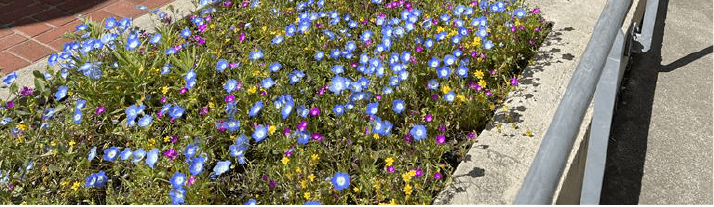
This seed mix has been formulated based on field trials and monitoring conducted by the Xerces Society and other conservation partners. The mix is comprised of native wildflowers and grasses and is designed to provide permanent, high quality foraging resources for a diversity of pollinators and other beneficial insects.
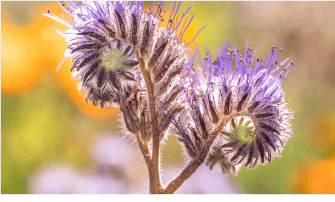
This mix contains a balance of 11 different native annuals, perennials, and grasses that are locally native to California’s Central Valley.
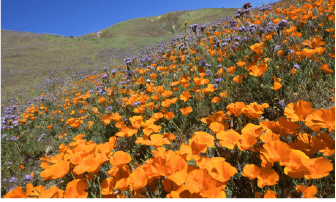
This mix was specifically designed for provide successional blooms that keep color and pollinator activity year-round.
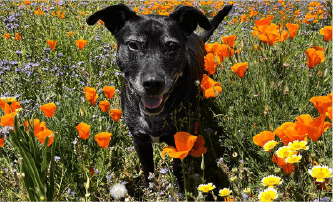
The Central Valley mix is field-tested for; simple site prep and sowing, minimal irrigation and simple maintenance.
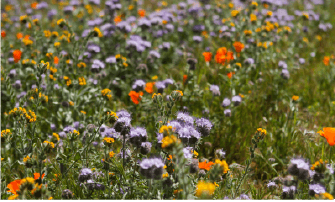
Deep roots improve soil, help break up clay, retain moisture, and prevent erosion.
Start prepping your planting area in fall, so that you are ready to seed between late September and early February, when temperatures cool and rain is on the horizon.
Weed your growing area BEFORE planting any native seeds. We recommend not only pulling visible weeds but also “flushing out” the weed seeds that are waiting in the soil. Irrigate the area and wait for weed seeds to germinate, then remove them using your method of choice. Irrigate again, wait, and perform another round of weed control. Repeat 2-3 times.
Ensure your soil is as bare as possible for the maximum amount of seed-to-soil contact. If the entire area can’t be completely cleared, rake out as much dead plant material from the area as you can to create bare patches of soil for the seed to make contact with. For best results, the soil should be easily crumbled and not heavily compacted.
It is best to seed onto slightly damp soil. If necessary, water the top 1/4 inch of soil before seeding. Scatter seed directly on the soil surface and rake gently or lightly press the seed into the soil. Do not bury the seed deeper than 1/4 inch into the soil
After planting, keep the top 1/4 inch of soil consistently moist until the seeds have germinated and the first true leaves have emerged. A good rule is to water lightly every day intul the seedlings are an inch high, then you can reduce watering to every 3 days. Skip days when it rains. Within 6 weeks after germinating, your plants should need only occasional watering. Don’t over-water your plants, especially in summer.
The recommendation is to sow in late fall in this region (just before or as winter rains start), so seeds can germinate with natural moisture. If planting at other times, irrigation will be needed.
It is specifically formulated for California’s Central Valley (and similar ecotypes), where conditions are dry in summer, winters are mild to cool, rainfall is seasonal. The idea is to match plants that are adapted to those conditions so that they require less maintenance and water, and are more resilient.
Blooms typically begin in spring, especially if seeded in fall. Bloom period can stretch from early spring through summer (depending on supplemental water) into later seasons if the species and conditions allow. If planted in early summer given irrigation, or irrigated plots, you might extend or shift bloom timing. Over subsequent years, perennials and reseeding annuals will maintain bloom, but density and composition might shift.
Yes, maintenance improves performance:
After bloom, cutting back dead flower stalks can help reduce seed‐shading and keep the area tidy.
Control weeds especially during the first season—invasive weeds compete heavily.
Avoid heavy disturbance (tilling, etc.) once the stand is established.
Yes — the Central Valley Pollinator Mix by Xerces is part of their “Pollinator Conservation Seed Mixes” series, some of which are acceptable for NRCS (USDA Natural Resources Conservation Service)-administered programs, like EQIP, CRP, etc. Always check locally (your county/state) whether this specific mix and the vendor meet the program requirements.
Some issues people often run into:
Poor site prep: If weed seed bank is high, or existing vegetation isn’t cleared, weeds may outcompete seedlings.
Putting seed too deep or burying it too much: Many wildflower seeds require light or very shallow soil coverage. Seeds covered too deep may not germinate.
Wrong timing: Planting too late or during hot, dry periods without irrigation can kill or stunt seedlings.
Over-watering or under-watering: Both can harm establishment; too much may promote disease; too little kills seedlings.
Using non-adapted soil or shade: If your site is heavily shaded or has very different soil (heavy clay, waterlogging, etc.), some species may fail.
Our seed experts are ready to help you find the perfect seed for your project.
1-866-322-7300 Ask a Seed ExpertSee what real customers are saying. All reviews are collected and verified by Shopper Approved, an independent third party.
From Original price was: $97.99.$89.99Current price is: $89.99.
25 lb Capacity, Slopes & Hills, Seed & Fertilizer, Stores Flat
See Details