
Quality Highlights
| Every Seed Grows We don't pad bags with dead seed or filler. What's in the bag is what grows in your yard. | |
| Independently Tested, Every Batch Each lot is tested by a third-party lab for germination and purity before it ships to you. | |
| Grown on American Farms Our seed comes direct from U.S. growers we know personally — not a middleman warehouse. | |
| Clean Seed, No Shortcuts No coatings to inflate weight, no GMOs, no cheap filler species. Just seed. |
Free shipping on all orders under 125 lbs!
What is the Pollinator Corridor Kit?
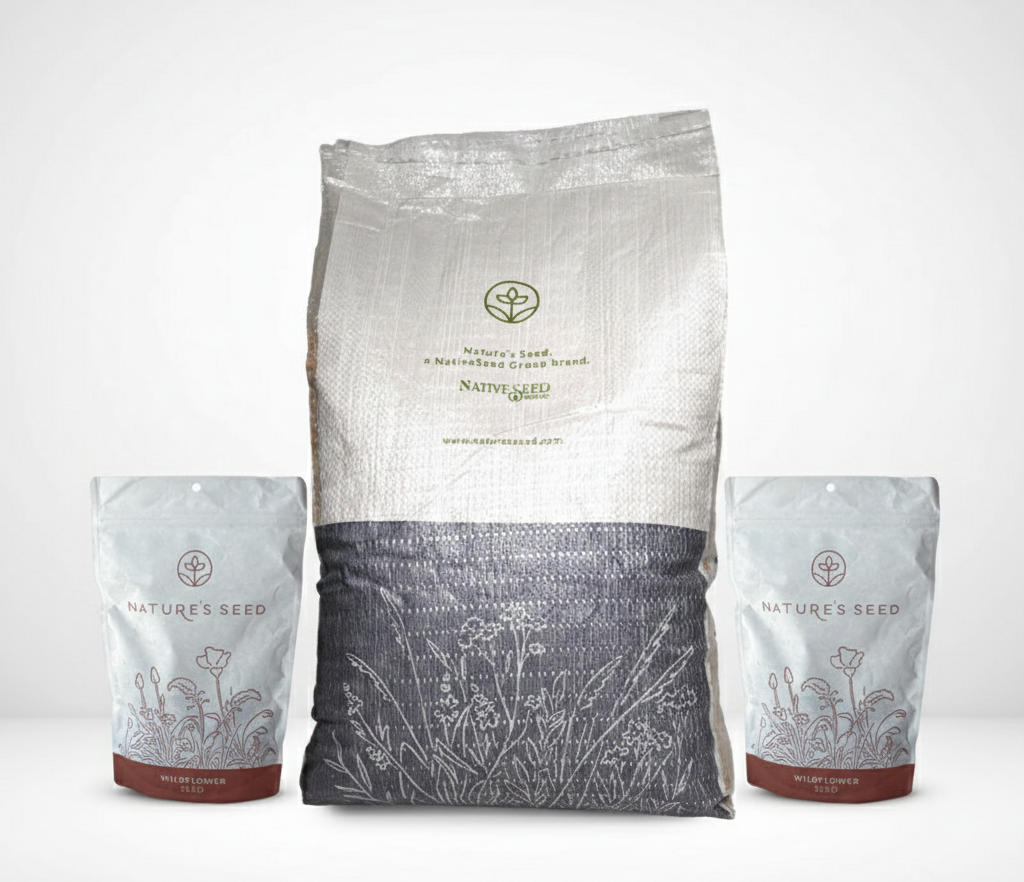
A 3-component habitat kit designed to create permanent pollinator corridors along field edges, fence lines, garden borders, and unused strips. Combines nectar-rich wildflowers for foraging, native bunchgrasses for nesting habitat, and White Clover for reliable season-long bloom. Ships as three separate bags.
Specifications
Seeding Specs
Establishment Specs
Why Choose This Seed?
Three Habitat Layers for Pollinators
Successful pollinator habitat requires more than just flowers. Pollinators need three things: food (nectar and pollen), nesting sites, and overwintering structure. This kit provides all three. The wildflower mix delivers diverse nectar across the full season. The native bunchgrasses create physical nesting and overwintering habitat for ground-nesting bees, which account for 70% of native bee species. The white clover provides consistent, reliable bloom when nothing else is flowering.
Season-Long Bloom with No Gaps
White Clover is the backbone of this kit for one reason: it blooms continuously from May through frost. Most wildflowers have defined bloom windows — beautiful for 3-4 weeks, then done. Between wildflower bloom periods, pollinators need food. White Clover fills every gap. The combination of multi-species wildflowers cycling through their bloom windows PLUS continuous clover means pollinators always have nectar available.
Native Grass — Nesting Habitat, Not Just Filler
The California Native Grass component is not decorative filler. Native bunchgrasses create essential microhabitat for pollinators. Ground-nesting bees (which make up approximately 70% of native bee species) burrow into bare soil at the base of bunchgrass tussocks. The grass provides shade, wind protection, and stable soil temperature for brood development. Overwintering beneficial insects shelter in the standing dead grass through winter. Without this structural component, a wildflower planting is food without shelter.
Designed for Linear Corridors
This kit is specifically designed for corridor planting — long, narrow strips rather than large blocks. Field edges, fence lines, driveway borders, garden perimeters, ditch banks, and property boundaries are ideal. Pollinators use corridors to move between habitat patches. A 6-foot-wide strip of pollinator habitat connecting two areas is more ecologically valuable than an isolated square of the same total area.
Pricing Note — Premium Kit
This kit includes California Native Grass, which is a premium, specialty seed mix. Native grass seed is expensive to produce because native species have low seed yields and require specialized harvesting. The price reflects the actual cost of sourcing genuine native grass seed — not a mass-produced commodity grass. The resulting habitat is permanent (native grasses live 20-50+ years) and self-sustaining, making the per-year cost very low despite the upfront investment.
How to Plant the Pollinator Corridor Kit
Plan the Corridor
Select a strip 6-10 feet wide along a field edge, fence line, driveway, garden border, or property boundary. Full sun is essential. Mark the corridor and mow or clear existing vegetation short. Do not till deeply — light surface disturbance is sufficient. If possible, orient the corridor to connect two existing habitat areas (woodlot to garden, meadow to orchard, etc.) to create a functional pollinator travel route.
Plant in Zones
For best results, plant the three components in distinct zones rather than mixing uniformly. Plant native grasses along the back or edges of the corridor (they grow tallest and provide structure). Scatter wildflowers through the middle zone for maximum visibility and pollinator access. Broadcast white clover in the front zone and any gaps — it stays low and fills bare ground. This zoned approach creates layered habitat and prevents taller species from shading shorter ones.
Establishment
Press all seed firmly after broadcasting. Water lightly every 2-3 days for the first 3-4 weeks if no rain occurs. Native grasses are slow to establish — expect thin, sparse growth in year one. This is normal. Wildflowers and clover will fill gaps while grasses develop root systems. Do not mow during the first growing season except to control annual weeds if they exceed 12 inches (mow high, 8-10 inches, to avoid cutting establishing plants).
Long-Term Management
Once established (year 2+), mow the corridor once annually in late winter (February-March) before new spring growth begins. Cut to 4-6 inches. Leave the clippings in place — standing dead grass provides overwintering habitat for beneficial insects through winter. Do not mow during the growing season. Do not fertilize. Do not spray herbicides. The corridor is designed to be self-sustaining with this single annual maintenance mowing.
Helpful Resources
Wildflower Buffer Strips for Water Quality
Keeping Deer From Eating Wildflowers
Questions & Answers
The California Native Grass component is a premium, specialty seed. Native grasses produce very little seed per acre compared to agricultural grasses, and harvesting native seed requires specialized equipment and timing. The price reflects genuine native seed, not a substitute. The investment is justified by permanence — native grasses live 20-50+ years and never need replanting.
Minimum 6 feet wide. Ideal is 10-15 feet. Wider corridors support more species and provide better nesting habitat. Even a 6-foot strip provides meaningful pollinator benefit if it connects two habitat areas. Research shows that linear habitat corridors as narrow as 3 meters (10 feet) significantly increase pollinator movement between patches.
Yes. White Clover is one of the most important honeybee forage plants in North America. The wildflower mix includes additional species that honeybees visit. However, this kit is designed for ALL pollinators — native bees, butterflies, hoverflies, and other beneficial insects — not just honeybees. The native grass component specifically supports ground-nesting native bees.
The clover and wildflowers provide bloom in year one. Native grasses look thin in year one — this is normal. By year 2-3, the native grasses fill in and the corridor reaches full density. Year 3 onward, the corridor is self-sustaining and improves annually as root systems deepen and plant colonies expand.
Yes. Garden borders are an excellent location. A 3-6 foot pollinator strip along the garden edge increases pollination of garden crops (tomatoes, squash, peppers, berries) by attracting more pollinators to the area. Place the strip on the sunny side of the garden for best results.
The California Native Grass component is specifically adapted to California and similar Mediterranean climates. In other regions, the native grasses may not persist long-term. The wildflower and clover components work across USDA Zones 3-9. If you are outside California, consider substituting a regionally appropriate native grass mix and using this kit’s wildflower and clover components as-is.
Still Have Questions?
Our seed experts are ready to help you find the perfect seed for your project.
1-866-322-7300 Ask a Seed ExpertCustomer Reviews
See what real customers are saying. All reviews are collected and verified by Shopper Approved, an independent third party.
